

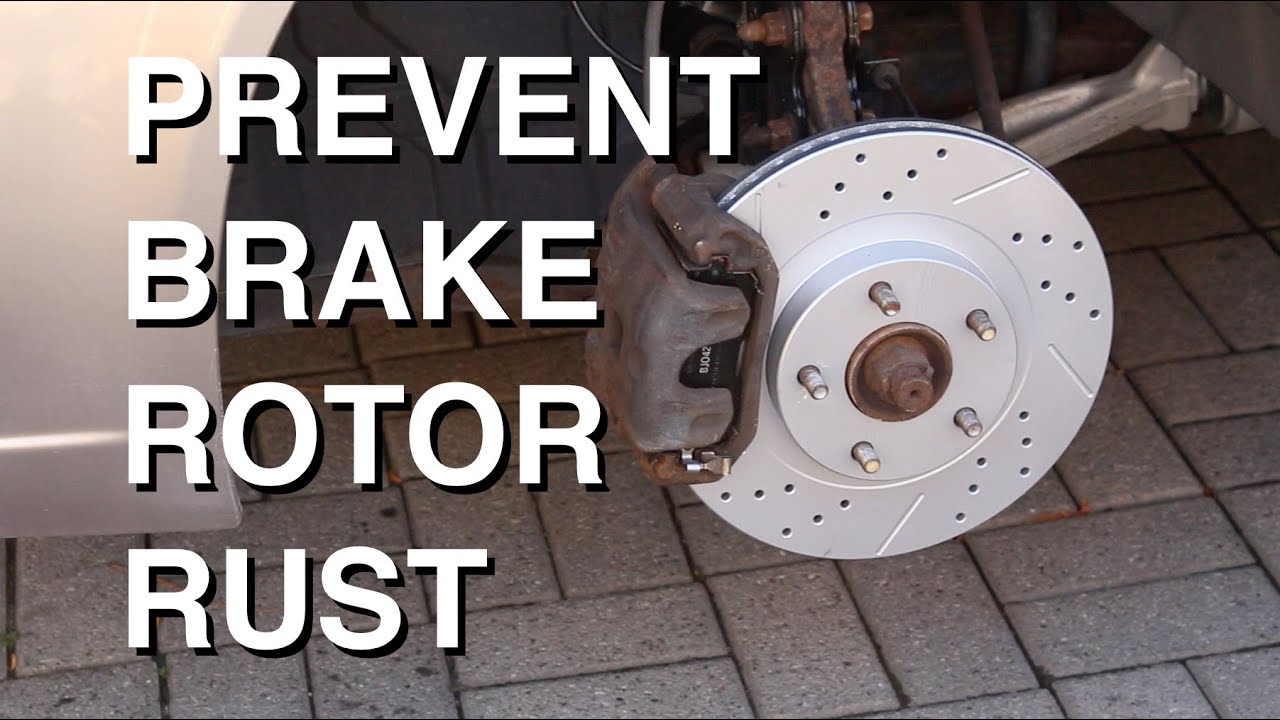
Are you tired of seeing rust form on your brake rotors every time your car sits unused? Rusty rotors don’t just look bad—they can affect your braking performance and safety.
But what if you could stop rust before it even starts? You’ll discover simple, practical ways to keep your brake rotors clean and rust-free. Keep reading to protect your brakes and drive with confidence every time you hit the road.

Credit: www.youtube.com
Causes Of Brake Rotor Rust
Brake rotors are essential for safe driving. They help stop your car by creating friction. Over time, rust can form on rotors, causing noise and damage. Knowing what causes rust helps you protect your brakes better.
Exposure To Moisture
Moisture is the main cause of rust on brake rotors. Water from rain, snow, or washing your car settles on the metal surface. When the rotor stays wet for a long time, rust starts to form. Even morning dew or high humidity can cause rust.
Road Salt And Chemicals
Road salt and chemicals help melt ice on roads. But they can harm your brake rotors. Salt speeds up the rusting process by reacting with the metal. Chemicals from road treatments can also wear down the rotor’s protective layer. This leaves the metal exposed and prone to rust.
Lack Of Use
Cars not driven often face more rotor rust. When the vehicle sits idle, moisture builds up without being wiped away. The rotors do not heat up or rub against brake pads. This lack of friction allows rust to form quickly on the surface.
Materials That Resist Rust
Brake rotors face constant exposure to moisture and air, causing rust over time. Choosing materials that resist rust helps extend rotor life and maintain braking performance. Several options offer better protection against rust while ensuring safety on the road.
Coated Rotors
Coated rotors have a special layer that protects the metal from moisture. This coating acts as a barrier, stopping rust from forming. Many coatings are made of zinc or other anti-rust metals. They keep rotors cleaner and reduce corrosion damage. Coated rotors often cost a bit more but save money long-term.
Stainless Steel Options
Stainless steel rotors resist rust naturally. They contain chromium, which prevents corrosion. These rotors stay shiny and rust-free even in wet conditions. Stainless steel rotors are strong and last longer than regular steel. They offer better durability for drivers in rainy or snowy areas.
Ceramic Rotors
Ceramic rotors use high-tech materials that do not rust. They resist heat and wear very well. Ceramic rotors provide smoother braking and less noise. They cost more but last significantly longer than metal rotors. These rotors suit drivers who want low-maintenance and rust-free brakes.
Regular Maintenance Practices
Regular maintenance plays a key role in keeping brake rotors free from rust. Simple daily habits and routine checks help protect the rotors. These steps extend the life of your brakes and keep them working well. Follow practical cleaning, driving, and inspection tips to avoid rust build-up.
Cleaning Techniques
Keep rotors clean by removing dirt and moisture. Use a soft brush or cloth to wipe the surface. Avoid harsh chemicals that can damage the metal. Clean your rotors after driving through water or mud. Dry them thoroughly to stop rust from forming.
Proper Driving Habits
Drive carefully to reduce rotor wear and rust risk. Avoid hard braking which heats rotors and causes damage. Use smooth, steady braking to keep rotors cool. After rain or washing your car, brake lightly while driving. This helps dry rotors and prevents rust spots.
Routine Inspections
Check your brake rotors regularly for signs of rust or damage. Look for uneven surfaces, grooves, or discoloration. Early detection allows quick action to prevent further rust. Schedule brake inspections during oil changes or tire rotations. Keep records of rotor condition for future reference.

Credit: geobrakes.com
Protective Treatments
Protective treatments help stop brake rotors from rusting. They form a barrier against moisture and air. These treatments keep the rotors clean and extend their life. Using the right products can slow down rust and keep brakes working well.
Rust Inhibitors
Rust inhibitors coat the rotor surface with a thin layer. This layer blocks water and oxygen, which cause rust. They are easy to apply and dry fast. Regular use helps prevent rust build-up on rotors. Some rust inhibitors also protect against salt and dirt.
High-temperature Paints
High-temperature paints resist heat and stop rust. They create a strong shield on the rotor. These paints handle the heat from braking without peeling. Applying these paints keeps rotors looking new and rust-free. Choose paints made for metal and heat resistance.
Anti-corrosion Sprays
Anti-corrosion sprays protect rotors by forming a water-resistant film. This film stops rust and corrosion from starting. Sprays are quick to use and cover hard-to-reach areas. They help maintain rotor surface and prevent damage. Use sprays regularly for the best protection.
Storage Tips For Vehicles
Proper vehicle storage plays a key role in preventing brake rotors from rusting. Keeping your car in the right conditions helps protect metal parts from moisture and dirt. This section covers simple storage tips that reduce rust risks and keep your rotors in good shape.
Dry Parking Areas
Choose a parking spot that stays dry and clean. Moisture causes rust on brake rotors quickly. Indoor garages or covered areas work best. Avoid parking on grass or dirt, where moisture can rise. A dry place limits exposure to water and slows rust formation.
Using Car Covers
Use a quality car cover to shield your vehicle from dust and moisture. Covers keep rain and dew off the rotors. Pick one that fits well and allows air to flow. This stops moisture buildup under the cover. A cover acts as a barrier and protects metal parts.
Periodic Movement
Move your car every few weeks during storage. Driving a short distance helps clear moisture from brake rotors. Movement also stops rust from settling on the metal. Even small trips keep rotors dry and clean. This simple habit slows down the rusting process.
When To Replace Rusted Rotors
Rusted brake rotors can cause serious problems for your vehicle. Knowing when to replace them is very important for your safety and car performance. Not all rust on rotors means you must replace them. Some surface rust can be cleaned off during normal driving. But severe rust can damage the rotors beyond repair. This section helps you understand the signs of severe rust damage, safety concerns, and the cost versus benefit of replacing rusted rotors.
Signs Of Severe Rust Damage
Look for deep pits or grooves on the rotor surface. Rust that causes uneven wear is a warning sign. If the rotor looks thin or has cracks, it needs replacement. Noise like squealing or grinding often points to rotor damage. A vibration in the brake pedal while stopping means rotor problems. These signs show rust has gone beyond just surface level.
Safety Concerns
Rusted rotors reduce braking power and increase stopping distance. This puts you and others at risk on the road. Damaged rotors can cause brake failure in emergency stops. It can also cause uneven brake pad wear, damaging other parts. Driving with unsafe rotors can lead to accidents. Replace rotors to keep your brakes reliable and safe.
Cost Vs. Benefit
Replacing rotors costs money but ensures safe braking. Repairing severely rusted rotors takes more time and effort. New rotors improve brake performance and vehicle safety. Ignoring rust damage can lead to costly brake system repairs. Investing in new rotors saves money in the long run. It is better to replace than risk brake failure.
Credit: www.youtube.com
Frequently Asked Questions
How Can I Prevent Brake Rotors From Rusting Quickly?
Regular driving helps keep brake rotors clean by wearing off rust. Avoid long periods of inactivity and store your vehicle in a dry place.
Does Applying Anti-rust Spray Protect Brake Rotors?
Yes, anti-rust sprays form a protective layer on rotors. Use products designed for automotive brakes to avoid affecting brake performance.
How Often Should I Clean My Brake Rotors?
Clean brake rotors every few months or after exposure to moisture. Use brake cleaner and a soft brush for effective rust removal.
Can Driving Habits Affect Rotor Rusting?
Yes, frequent braking generates heat that prevents rust buildup. Gentle driving and avoiding sudden stops can reduce rust formation on rotors.
Conclusion
Keeping brake rotors rust-free takes small, steady steps. Clean them often and keep your car dry. Use protective sprays to stop rust from forming. Drive your car regularly to avoid moisture build-up. These easy habits help your brakes last longer and work better.
A little care goes a long way in protecting your rotors. Stay consistent, and your brakes will stay safe and strong. Simple actions make a big difference for your car’s safety.


