You want your car to look its best, right? A shiny, well-protected finish not only turns heads but also keeps your vehicle safe from dirt, rain, and sun damage.
But here’s the big question: how long does a good car wax actually last? If you’ve ever wondered when to reapply wax or how to make it stay longer, you’re in the right place. Keep reading, and you’ll discover the secrets to keeping your car’s shine fresh and lasting much longer than you think.
Car Wax Types
Car wax comes in different types. Each type offers unique benefits and lasts differently. Understanding these types helps you choose the right wax for your car.
Natural Waxes
Natural waxes come from carnauba, a plant-based material. They give a deep, warm shine to your car’s paint. Natural waxes protect well but usually last about 4 to 6 weeks. They are easy to apply and remove. Many car lovers like natural wax for its rich look.
Synthetic Waxes
Synthetic waxes are made from man-made chemicals. They create a strong, durable shield on your car’s surface. Synthetic waxes last much longer than natural ones, often up to 3 months. They resist dirt and water better. These waxes suit people who want long-lasting protection with less effort.
Hybrid Formulas
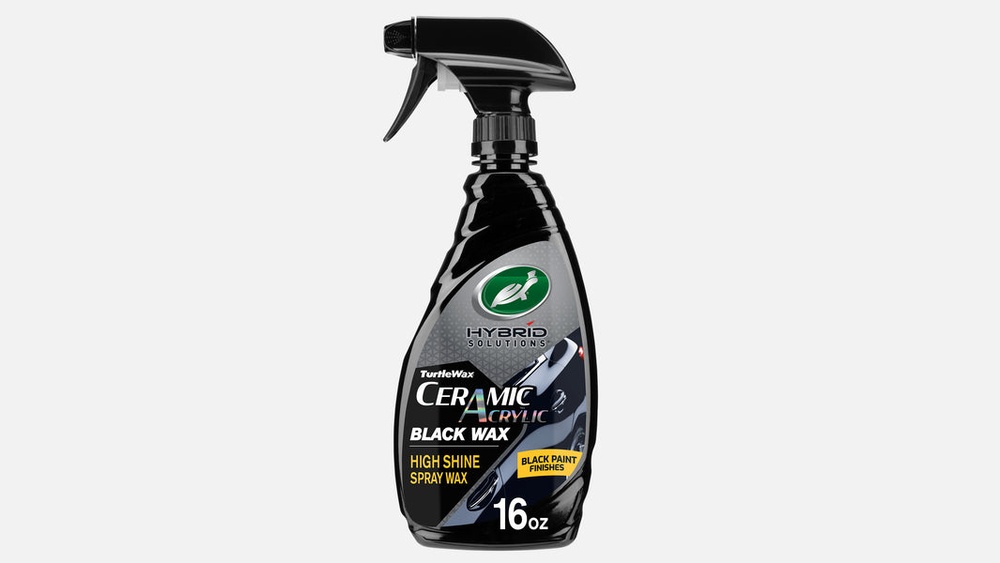
Hybrid waxes mix natural and synthetic ingredients. They aim to combine the shine of natural wax with the strength of synthetic wax. Hybrid waxes last around 2 to 3 months. They offer good protection and a glossy finish. Many drivers choose hybrids for balanced performance.
Credit: www.turtlewax.co.uk
Factors Affecting Wax Longevity
Several factors affect how long car wax lasts on your vehicle. Understanding these helps you keep your car shiny longer. Each factor plays a role in wax durability and protection.
Weather Conditions
Sunlight breaks down wax over time. Hot weather speeds up wax fading and drying. Rain and snow wash away wax faster. Salt used on roads in winter can damage wax. Strong winds carry dust and dirt that wear down wax.
Car Usage Patterns
Daily driving exposes your car to more dirt and debris. Frequent washing removes wax layers gradually. Parking under trees drops sap and leaves on the car. Long trips increase exposure to weather elements. Less use usually means wax lasts longer.
Application Techniques
Applying wax on a clean car helps it stick better. Using the right amount prevents thin or thick layers. Buffing wax properly improves its shine and protection. Applying wax evenly avoids patches that wear faster. Letting wax cure for recommended time increases durability.
Typical Wax Durations
Waxing your car helps protect its paint and keeps it shiny. The length of time a wax lasts depends on the type of wax used. Different waxes have different lifespans. Understanding these durations helps you plan your car care better.
The way you apply the wax also affects how long the protection lasts. Professional application and DIY methods can give different results. Let’s explore the typical wax durations and factors that affect them.
Natural Wax Lifespan
Natural waxes usually come from carnauba, a plant-based wax. They offer a deep, warm shine on the car’s surface. Natural waxes last about 4 to 6 weeks on average. Their protection fades faster in harsh weather or frequent rain.
These waxes are easy to apply and give a beautiful finish. They may need more frequent reapplication to keep the paint protected. Natural wax is a good choice if you want a rich shine and don’t mind waxing often.
Synthetic Wax Lifespan
Synthetic waxes are made from man-made chemicals. They form a hard, durable layer on the paint. Synthetic wax can last 3 to 6 months or longer. This makes it a popular choice for long-lasting protection.
These waxes resist water, dirt, and UV rays better than natural wax. The shine may not be as warm, but it stays longer. Synthetic wax requires less frequent application, saving time and effort.
Professional Vs. Diy Application
Professionals use special tools and techniques to apply wax evenly. This can make the wax last longer and look better. Professional waxing may extend the wax life by a few weeks or months.
DIY waxing is less expensive and can be done at home. The duration depends on how carefully you apply the wax. Uneven or thick layers may reduce the wax’s effectiveness.
Regular waxing, whether professional or DIY, keeps your car protected. Stick to a schedule that matches the type of wax used and your driving conditions.
Signs Wax Needs Reapplication
Knowing when to reapply car wax is key to keeping your car protected. Wax wears down over time. It loses its power to shield your paint. You must watch for clear signs that the wax is fading. These signs help you know the right time to wax again.
Loss Of Shine
One clear sign wax needs reapplication is a dull look. Fresh wax makes your car shine bright. If the shine fades and the paint looks flat, the wax is gone. A shiny surface shows the wax is still working well.
Water Beading Reduction
Wax creates a water-repellent layer on your car. Water beads up and rolls off easily. When wax wears out, water spreads and sticks to the surface. If you see water no longer forming beads, it’s time to wax again.
Surface Texture Changes
Wax smooths the car’s surface, making it feel slick. Over time, the surface feels rough or sticky. This change means the protective layer has worn away. A smooth, clean feel means the wax is still active.
Maintaining Wax Protection
Maintaining wax protection on your car keeps it looking shiny and new. The wax forms a shield against dirt, water, and sun damage. This shield does not last forever. Proper care extends the life of your wax coating. Simple daily habits help keep the wax strong and effective.
Regular Washing Tips
Wash your car often to remove dirt and grime. Use a soft sponge or microfiber cloth to avoid scratches. Choose a gentle car shampoo designed for waxed surfaces. Rinse thoroughly with clean water to prevent residue buildup. Dry your car with a soft towel to keep the surface smooth.
Avoiding Harsh Chemicals
Harsh chemicals can strip away wax quickly. Avoid strong detergents, bleach, or acidic cleaners. These damage the wax layer and expose paint to harm. Stick to products made for cars and wax protection. Always read labels to ensure they are safe for waxed surfaces.
Using Quick Detailers
Quick detailers help refresh wax between washes. They add a thin protective layer and enhance shine. Spray lightly on clean surfaces and wipe with a soft cloth. Use quick detailers after rain or dust to keep wax working. They save time and keep your car looking great.
Comparing Wax With Sealants And Coatings
Car wax, sealants, and coatings all protect your vehicle’s paint. Each option offers different benefits and lifespans. Understanding their differences helps you choose the best protection for your car. This section compares wax with sealants and coatings in key areas.
Durability Differences
Car wax usually lasts about 4 to 8 weeks. Sealants can protect paint for 3 to 6 months. Coatings, like ceramic coatings, last from 1 to 3 years. Coatings provide the longest protection. Wax offers a warm, glossy shine but fades faster. Sealants balance shine and durability. Coatings form a strong, hard layer on the paint.
Cost Considerations
Wax is the cheapest option. It is affordable and easy to buy. Sealants cost more than wax but less than coatings. Coatings are the most expensive. They often require professional application. Consider how much you want to spend. Also think about how often you want to reapply protection.
Application Complexity
Wax is simple to apply at home. You can do it with a cloth or applicator pad. Sealants need more careful application and curing time. Some sealants require a clean, dry surface before use. Coatings need the most skill. They often require cleaning, polishing, and curing steps. Professionals usually handle coating application for best results.
Maximizing Wax Performance
Maximizing wax performance helps protect your car longer. Good wax looks shiny and keeps dirt away. Proper steps improve wax durability. Follow simple rules to get the best results.
Proper Surface Preparation
Clean your car thoroughly before waxing. Remove dirt, dust, and old wax completely. Use soap and water or a clay bar for smoothness. Dry the surface well to avoid streaks. A clean surface helps wax stick better and last longer.
Optimal Application Conditions
Apply wax in a cool, shaded place. Avoid direct sunlight or hot surfaces. Heat can cause wax to dry too fast or unevenly. Use small amounts and spread thinly. Work in small sections for even coverage. Let wax dry until it looks hazy before buffing.
Post-application Care
Buff wax gently with a soft cloth to shine. Avoid washing your car for at least 24 hours. Protect your car from rain and dust during this time. Regularly wash with mild soap to keep wax strong. Apply wax every few months for best protection.

Credit: liquidglass.com
Credit: www.thedetailingmafia.com
Frequently Asked Questions
How Long Does Car Wax Protection Typically Last?
Car wax protection usually lasts between 4 to 6 weeks. Factors like weather, washing frequency, and wax type affect durability. Proper application can extend protection, but most waxes need reapplication every month or two for optimal shine and protection.
What Affects The Longevity Of Car Wax?
The longevity of car wax depends on wax type, weather exposure, and car washing habits. Synthetic waxes often last longer than natural ones. Harsh weather and frequent washing can reduce wax lifespan, requiring more frequent applications to maintain protection and shine.
How Often Should I Reapply Car Wax?
Reapply car wax every 4 to 6 weeks for best results. Regular reapplication maintains a strong protective layer against dirt and UV rays. Check the car’s surface for fading shine to decide if waxing is needed sooner.
Does Wax Type Influence How Long It Lasts?
Yes, synthetic waxes generally last longer than natural carnauba waxes. Synthetic waxes can protect your car up to six weeks or more. Natural waxes offer a deeper shine but may need reapplication every 3 to 4 weeks.
Conclusion
A good car wax can protect your vehicle for weeks or months. How long it lasts depends on the wax type and weather conditions. Regular washing helps keep the wax working longer. Apply wax every few months to keep your car shiny and safe.
Taking care of your car’s finish is simple with the right wax. Keep an eye on the shine, and reapply as needed. A well-waxed car looks great and stays protected from damage. Easy steps lead to lasting results.