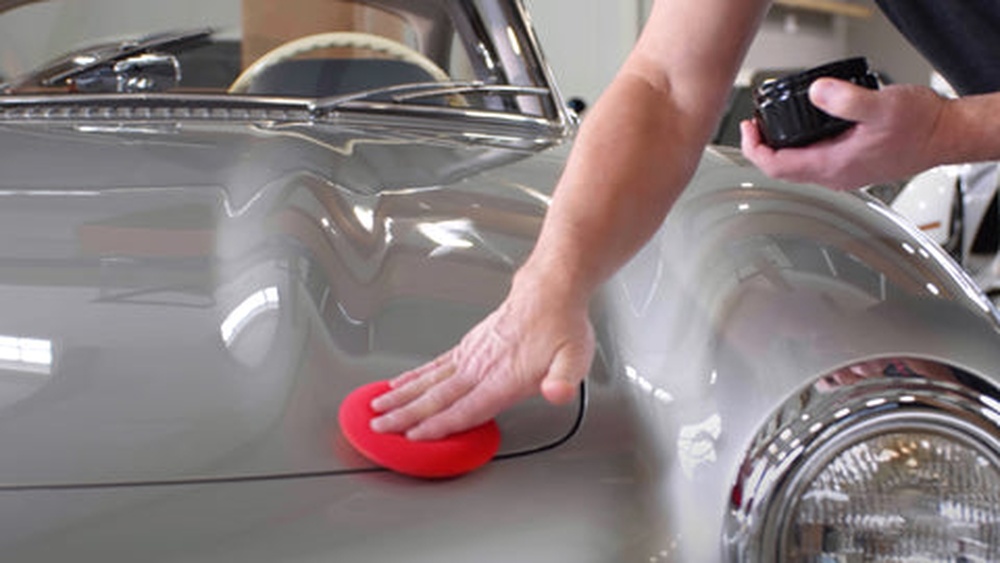
Your car deserves to shine like new, and knowing how to polish and wax it with a buffer is the fastest way to get that showroom finish. Imagine turning heads every time you drive by, thanks to a glossy, smooth surface that protects your paint and makes your vehicle stand out.
But if you’re worried about making mistakes or don’t know where to start, don’t worry—you’re about to discover simple, step-by-step tips that anyone can follow. By the end of this guide, you’ll have the skills to bring out your car’s best look and keep it protected for miles to come.
Ready to make your car gleam? Let’s dive in.
Credit: www.carwash.com
Choosing The Right Buffer
Choosing the right buffer is key to a smooth car polishing and waxing process. The right tool makes the job easier and protects your car’s paint. Buffers come in different types and use various pads and compounds. Picking the correct ones helps you get a shiny, flawless finish without damage.
Types Of Buffers
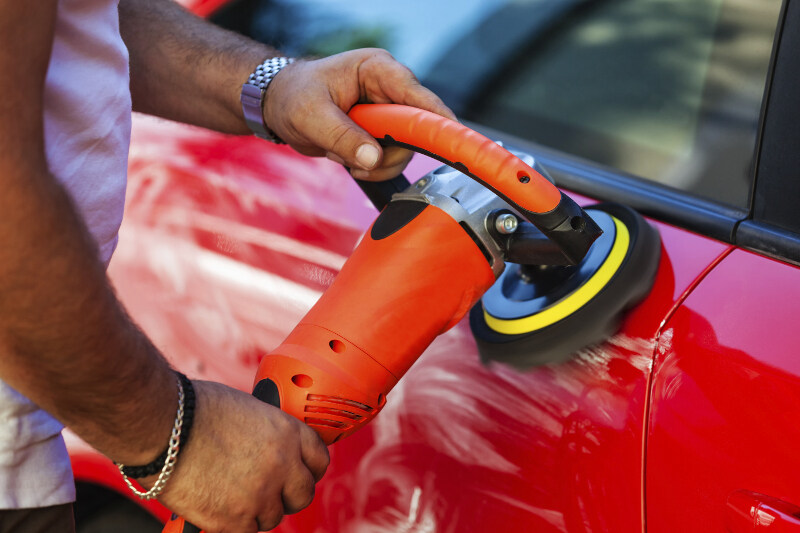
There are two main types of buffers: rotary and dual-action. Rotary buffers spin in one direction at high speed. They are powerful but can damage paint if used incorrectly. Dual-action buffers move in two ways, spinning and oscillating. They are safer for beginners and reduce the risk of swirl marks. Choose a buffer type that matches your skill level and the job size.
Selecting The Correct Pad
Buffers use different pads for polishing and waxing. Soft foam pads are best for applying wax. They spread the product evenly without scratching. Firm foam or wool pads work well for polishing. They help remove scratches and oxidation. Match the pad to the buffer and the task. Always keep pads clean to avoid dirt scratches.
Choosing The Best Polishing Compound
Polishing compounds vary by grit and purpose. Coarse compounds remove deep scratches and stains quickly. Fine compounds smooth the surface and add shine. Use a compound that fits your car’s paint condition. Test on a small area before full application. A good compound works well with your buffer and pad for best results.
Preparing Your Car
Preparing your car is the first step before polishing and waxing. A clean, dry surface helps the buffer work better. It also prevents scratches and damage. Taking time to prepare the car ensures a smooth, shiny finish.
Washing And Drying
Start by washing the car with a gentle car shampoo. Use a soft sponge or mitt to remove dirt and grime. Avoid household detergents, which can harm the paint. Rinse the car thoroughly with clean water. Dry the surface using a microfiber towel. Make sure no water spots remain before polishing.
Inspecting The Paint
Look closely at the paint under good light. Check for scratches, swirl marks, or dull spots. Note areas that need extra care during polishing. Small chips or rust spots may need repair first. This step helps you plan the polishing process well.
Protecting Trim And Sensitive Areas
Cover rubber, plastic, and chrome trim with painter’s tape. Protect glass and delicate parts from polish splatter. This prevents damage or stains during buffing. Take care to tape edges and seams thoroughly. Proper protection keeps your car looking perfect.
Polishing Process
The polishing process is a key step in restoring a car’s shine and smoothness. It removes small scratches and imperfections from the paint. Using a buffer makes this task easier and faster. This section explains how to polish your car properly with a buffer.
Applying Polishing Compound
Start by choosing the right polishing compound for your car’s paint type. Apply a small amount of compound on the buffer pad. Spread it evenly on the car surface before turning on the buffer. This helps prevent splatter and uneven polishing.
Buffer Techniques And Movements
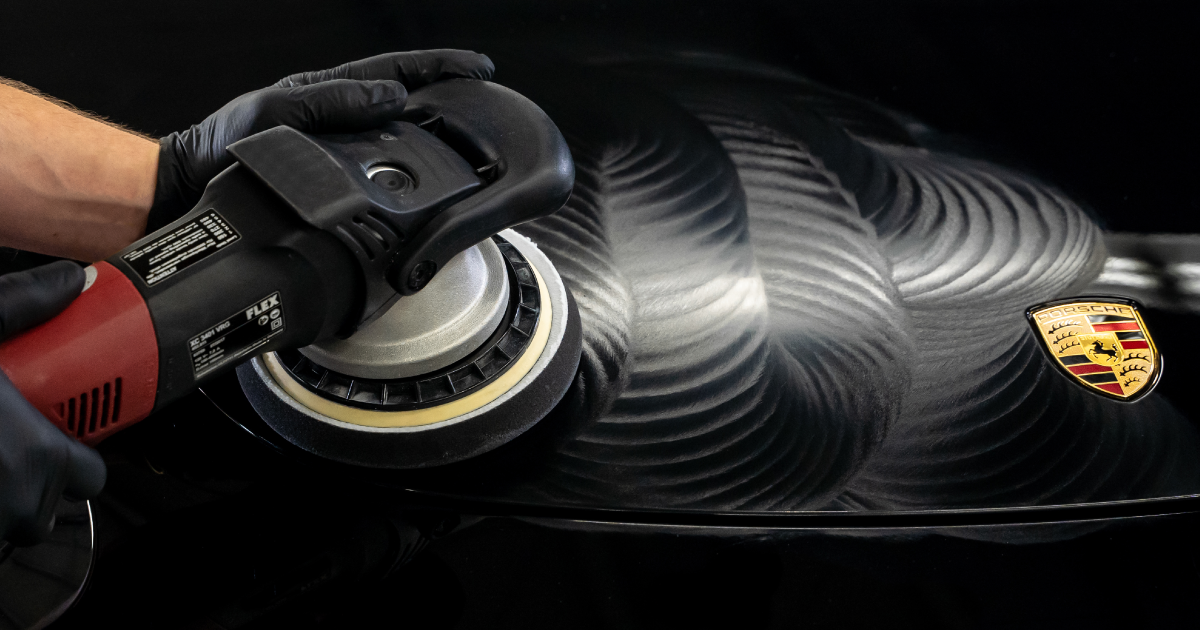
Hold the buffer firmly but do not press too hard. Move the buffer in slow, overlapping circles. Keep the buffer flat on the surface to avoid swirl marks. Work on small sections to polish evenly. Let the buffer do the work, not your arms.
Managing Heat And Pressure
Too much heat can damage the paint. Use light to moderate pressure while polishing. Move the buffer continuously to avoid heat spots. Take breaks if the surface feels warm. Proper heat control protects the car’s finish.
Waxing Process
The waxing process adds a protective layer to your car’s paint. It keeps the surface shiny and safe from dirt, sun, and water. Using a buffer helps spread the wax evenly and saves time. This section explains how to choose wax, apply it, and buff to a perfect shine.
Choosing The Right Wax
Select wax based on your car’s paint type. Paste wax works well for older cars. Liquid wax is easier to apply and good for newer paint. Synthetic wax lasts longer but costs more. Check product labels for compatibility with your car’s finish.
Applying Wax With A Buffer
Attach a soft foam pad to your buffer. Put a small amount of wax on the pad. Turn the buffer to low speed to spread wax gently. Move the buffer in slow, circular motions. Cover one section at a time for even coverage. Avoid pressing too hard to prevent damage.
Buffing To A Shine
Let the wax dry until it looks hazy. Switch to a clean, soft buffing pad on the buffer. Use medium speed to remove excess wax. Buff in small circles until the surface shines. Check your work by wiping with a microfiber cloth. Repeat if needed for extra gloss.
Post-wax Care
After polishing and waxing your car with a buffer, the job is not yet finished. Post-wax care is important to keep your car’s shine and protect the paint. Proper steps after waxing ensure the best results and longer-lasting protection.
Removing Residue
After waxing, some wax residue might stay on the surface. Use a clean, soft microfiber cloth to remove this residue. Wipe gently in circular motions. Avoid using rough towels or paper, as they can scratch the paint. Removing residue helps the car surface look smooth and shiny.
Final Inspection
Take a good look at your car under bright light. Check for missed spots or uneven wax layers. Pay attention to edges and small areas like door handles and mirrors. If you find any spots, buff them lightly with a clean cloth. This step helps your car have an even, glossy finish.
Maintenance Tips
Keep your car clean to protect the wax layer. Wash it regularly with a gentle car shampoo. Avoid harsh chemicals or automatic car washes with brushes. Park your car in shade to reduce sun damage. Reapply wax every few months to maintain shine and protection. Small care steps extend the life of your wax job.
Credit: malcoautomotive.com
Common Mistakes To Avoid
Polishing and waxing a car with a buffer can give your vehicle a shiny, smooth finish. Avoiding common mistakes helps protect your car’s paint and makes the process easier. These errors can cause damage or poor results. Learn what to watch out for to get the best outcome.
Overheating The Paint
Heat from the buffer can harm the car’s paint. Moving the buffer too slowly or pressing too hard causes this. Overheating can make the paint bubble or fade. Keep the buffer moving evenly and lightly. Let the machine do the work, not your hand.
Using Incorrect Pads Or Products
Different pads and products suit different tasks. Using a rough pad on delicate paint can cause scratches. Using the wrong wax or polish can leave streaks or dullness. Check the product labels and choose pads made for polishing or waxing. Match the product to your car’s paint type for best results.
Ignoring Safety Precautions
Safety is important when using a buffer. Wear gloves and eye protection to avoid injuries. Keep cords away from water or sharp edges. Do not use the buffer near flammable materials. Work in a well-ventilated area to avoid breathing fumes. Follow safety tips to protect yourself and your car.

Credit: www.youtube.com
Frequently Asked Questions
How Do You Polish A Car With A Buffer?
To polish a car with a buffer, apply polish to the pad, then gently work in small sections. Use slow, overlapping motions for even coverage and avoid pressing too hard to prevent damage.
What Type Of Wax Is Best For Buffering Cars?
Carnauba wax and synthetic wax blends are best for buffering. They provide a durable, glossy finish and protect paint from UV rays and contaminants.
How Often Should I Polish And Wax My Car?
Polish your car every 3-6 months and wax every 2-3 months. This schedule keeps the paint smooth, shiny, and well-protected from environmental damage.
Can A Buffer Damage My Car’s Paint?
Yes, if used incorrectly, a buffer can damage paint. Always use the right pad, polish, and gentle pressure to avoid swirl marks or burns.
Conclusion
Polishing and waxing your car with a buffer keeps it looking shiny and new. It protects the paint from dirt and weather damage. Take your time and work in small sections for best results. Clean the car well before you start.
Use the right pads and products to avoid scratches. Regular care helps maintain your car’s value and appearance. A smooth, glossy finish is worth the effort. Give your car the attention it deserves, and enjoy the shine every day.