

Are you wondering how long your brakes and rotors will really last? Knowing this can save you money, keep you safe, and prevent unexpected repairs.
Your brakes and rotors wear down over time, but the exact lifespan depends on several key factors. If you want to avoid sudden brake failure or costly replacements, it’s important to understand what affects their durability. Keep reading, and you’ll discover simple tips to make your brakes and rotors last longer—helping you drive with confidence every day.
Brake Lifespan Factors
Brake lifespan varies greatly based on several key factors. Understanding these factors helps you maintain your vehicle better. It also saves you from unexpected repairs and high costs. Below, explore the main elements that affect how long brakes and rotors last.
Driving Habits Impact
Hard braking wears out brakes faster. Frequent stop-and-go traffic adds extra stress. Long downhill drives can cause brakes to overheat. Gentle braking and steady speeds help brakes last longer. Smooth driving reduces wear on both pads and rotors.
Vehicle Type Influence
Heavier vehicles use brakes more aggressively. Trucks and SUVs often have shorter brake life than small cars. Performance cars may have stronger brakes but also wear them faster. Vehicle weight and power affect how quickly brakes wear down.
Brake Material Differences
Brake pads come in several materials. Organic pads are softer but wear out quicker. Semi-metallic pads last longer but can be noisy. Ceramic pads offer the best lifespan and less dust. Rotor material also influences durability and heat resistance.
Environmental Conditions
Driving in hilly or mountainous areas stresses brakes more. Wet or salty roads cause rust and faster wear. Hot climates can cause brakes to overheat and wear faster. Clean, dry environments help brakes stay in good condition.

Credit: www.wowwoodys.com
Rotor Lifespan Essentials
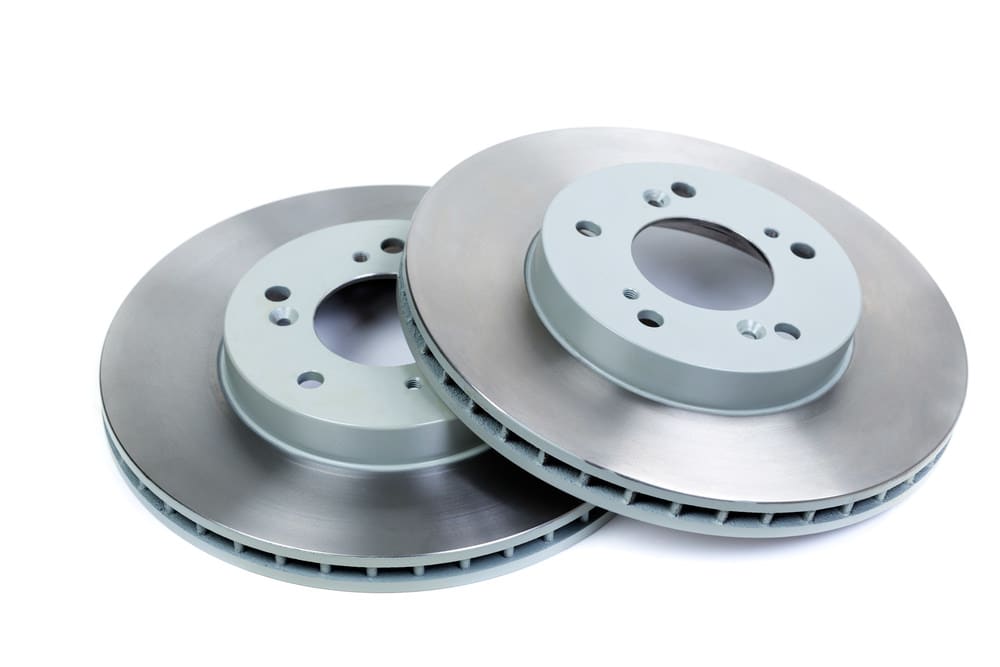
Rotors play a key role in your vehicle’s braking system. They work with brake pads to stop your car safely. Understanding rotor lifespan helps you keep your brakes in good shape. It also prevents costly repairs and ensures safe driving.
Rotors do not last forever. Their life depends on driving habits, road conditions, and maintenance. Knowing the signs of wear and damage can save you trouble on the road.
Signs Of Rotor Wear
Listen for squeaking or grinding noises when braking. These sounds often mean worn rotors. Feel for vibrations or pulsing in the brake pedal. This can show rotor surface problems. Look for visible grooves, cracks, or rust on the rotor. These marks signal damage and wear. Early detection helps avoid bigger issues.
Rotor Thickness And Safety
Rotors have a minimum thickness limit set by manufacturers. Thinner rotors heat up faster and can warp easily. Use a micrometer to measure rotor thickness during brake checks. Replace rotors if they are below the safe thickness. Driving with thin rotors risks brake failure and unsafe stops.
Common Rotor Damage Types
Warping happens from excessive heat and heavy braking. Warped rotors cause brake vibration and noise. Cracks can form from stress or sudden cooling. Cracked rotors must be replaced immediately. Scoring or grooving results from worn pads or debris. Severe scoring reduces braking power and rotor life. Regular inspection helps find these problems early.
Brake Pads Vs Rotors
Brake pads and rotors are key parts of your car’s braking system. They work together to stop your vehicle safely. Understanding their differences helps you know when to replace each part. It also helps you save money and keep your car in good shape.
Replacement Frequency
Brake pads wear out faster than rotors. Pads usually last 30,000 to 70,000 miles. Rotors can last 50,000 to 70,000 miles or more. But rotors may need replacing sooner if they get damaged or warped. Regular checks can help spot wear early.
Cost Comparison
Brake pads are less expensive to replace. They cost between $50 and $150 for parts. Rotors cost more, often $30 to $75 each. Labor costs add to the total for both parts. Replacing rotors usually costs more than pads.
Performance Impact
Worn brake pads reduce stopping power quickly. They can cause noise and vibrations. Damaged rotors lead to uneven braking and shaking. Both affect safety and driving comfort. Timely replacement keeps brakes working well.

Credit: www.clarksgarage.com.au
Maintenance Tips
Proper maintenance helps brakes and rotors last longer. It keeps your car safe and saves money. Follow simple steps to avoid early damage and costly repairs. Regular care improves brake performance and extends part life.
Regular Inspections
Check brakes and rotors often. Look for signs of wear like cracks or thinning pads. Listen for noises when braking. Early inspection catches problems before they get worse. Inspect at least every 10,000 miles or during oil changes.
Brake Fluid Importance
Brake fluid transfers pressure to your brakes. Old or dirty fluid reduces brake power. Change brake fluid every 2 years or as the car manual says. Use the correct fluid type to avoid damage. Clean fluid keeps brakes responsive and safe.
Avoiding Premature Wear
Drive smoothly and avoid hard braking. Stop gently to reduce rotor and pad wear. Avoid riding the brakes on hills or in traffic. Keep tires properly inflated for better brake function. These habits protect brakes and extend their life.
When To Replace Brakes And Rotors
Knowing when to replace brakes and rotors is important for car safety. Brakes wear out over time, and rotors can get damaged. Ignoring signs can lead to poor braking and accidents. Watch for clear signals from your vehicle. Timely replacement keeps driving safe and smooth.
Warning Signs
Squeaking or grinding noises mean brake pads are worn. A vibrating brake pedal shows rotor issues. Longer stopping distance warns brakes need checking. A burning smell can signal overheated brakes. Dashboard brake warning lights should never be ignored.
Professional Inspection Benefits
Experts spot hidden brake and rotor problems early. They measure pad thickness and rotor condition accurately. Professionals use tools to test brake performance. Inspections prevent unexpected brake failures. They recommend the best time for replacement.
Diy Replacement Considerations
Replacing brakes and rotors yourself saves money. It needs proper tools and safety knowledge. Mistakes can cause brake failure or damage. Follow clear instructions and safety steps carefully. If unsure, seek professional help to avoid risks.
Credit: www.yourmechanic.com
Frequently Asked Questions
How Long Do Brake Pads Usually Last?
Brake pads typically last between 30,000 to 70,000 miles. Usage, driving habits, and vehicle type affect their lifespan. Regular inspections help identify wear early. Replacing pads on time ensures safe braking and prevents rotor damage.
When Should Rotors Be Replaced?
Rotors generally last 50,000 to 70,000 miles but vary by use. Replace rotors if warped, cracked, or below minimum thickness. Uneven wear or vibration during braking signals rotor issues. Timely replacement maintains braking efficiency and safety.
Can I Replace Brake Pads Without Changing Rotors?
Yes, you can replace brake pads without changing rotors if rotors are in good condition. Smooth, unworn rotors don’t need replacement. However, damaged or thin rotors require replacement to avoid brake problems and ensure optimal performance.
How Does Driving Affect Brake And Rotor Lifespan?
Aggressive driving and frequent hard braking reduce brake and rotor lifespan. City driving with stop-and-go traffic causes faster wear. Gentle braking and highway driving extend their life. Maintaining smooth driving habits helps maximize brake system durability.
Conclusion
Brakes and rotors wear out over time and use. Many factors affect their lifespan, like driving habits and road conditions. Regular checks help spot wear early. Changing brake parts on time keeps your car safe. Don’t wait for loud noises or vibrations to act.
Taking care of brakes saves money and stress. Keep your vehicle in good shape by paying attention. Safety always comes first on the road.


