Your brakes and rotors play a huge role in keeping you safe on the road. But do you really know how to check if they’re working properly?
Ignoring worn brakes or damaged rotors can lead to costly repairs—or worse, an accident. You’ll learn simple, step-by-step ways to inspect your brakes and rotors yourself. By the time you finish reading, you’ll feel confident spotting problems early and knowing when to get professional help.
Let’s make sure your car stops when you need it to. Keep reading—your safety depends on it.

Credit: www.youtube.com
Signs Of Brake Problems
Brake problems often show clear signs before becoming serious. Recognizing these signs early helps keep you safe. Checking for common symptoms can save you from costly repairs. Pay close attention to changes in how your brakes feel and sound. These hints can tell you when your brakes or rotors need care.
Noise And Squealing
High-pitched squeals or grinding sounds are common brake issues. Squealing often means brake pads are worn out. Grinding noises suggest the pads are gone, and rotors are damaged. Strange sounds during braking should never be ignored. They warn of parts wearing down or needing replacement.
Vibration While Braking
Feel your steering wheel shake when pressing the brake pedal? This vibration points to warped rotors. Warped rotors cause uneven braking and reduce control. Shaking can also come from loose brake parts. Smooth braking is a sign of healthy brakes and rotors.
Brake Pedal Feel
A soft or spongy brake pedal signals trouble. It may mean air is in the brake lines or fluid is low. A hard pedal can show a problem with the brake booster. Sudden changes in pedal feel require immediate checks. Your brake pedal should respond consistently every time.
Warning Lights
Brake warning lights on your dashboard alert to serious problems. These lights can mean low brake fluid or worn brake pads. Never ignore these signals. They are your car’s way of telling you to inspect the brake system.
Credit: pca.org
Tools Needed For Inspection
Checking your brakes and rotors needs the right tools. Having these tools ready makes the job easier and safer. You do not need many tools, but the right ones help you inspect clearly and fix issues fast.
Basic Tools Checklist
Start with a jack to lift the car safely. A jack stand is also important to hold the car steady. Use a lug wrench to remove the wheel bolts. A flashlight helps see inside dark spaces near the brakes. A brake caliper tool or C-clamp can press the brake piston back. A flathead screwdriver helps remove brake pads and clips. Lastly, a digital micrometer or caliper measures rotor thickness accurately.
Safety Equipment
Safety is key during brake checks. Wear safety glasses to protect your eyes from dust and debris. Use gloves to keep your hands clean and safe from sharp edges. Wear a dust mask to avoid breathing brake dust. Dress in old clothes or coveralls to protect your skin. Keep a fire extinguisher nearby in case of sparks. Always work on a flat surface and use wheel chocks to stop the car from moving.
Checking Brake Pads
Checking brake pads is a key step to keep your car safe. Brake pads press against rotors to stop your vehicle. Over time, pads wear down and need replacing. Regular checks help avoid brake failure and costly repairs.
Locating The Brake Pads
Brake pads sit inside the brake caliper. The caliper is near each wheel. To see the pads, remove the wheel or look through the gaps. Pads are on both sides of the rotor.
Measuring Pad Thickness
New brake pads are about 10 to 12 mm thick. Measure the pad material, not the metal backing. If pads are below 3 mm, it’s time to replace them. Use a ruler or caliper to check thickness.
Identifying Wear Indicators
Some brake pads have small metal tabs called wear indicators. They touch the rotor and make noise when pads are thin. Squealing or screeching sounds often mean worn pads. Listen for these sounds while driving.
Inspecting Brake Rotors
Inspecting brake rotors is a key part of brake maintenance. Rotors help your car stop safely. They work with brake pads to slow the wheels. Checking them often can prevent big problems. It keeps driving safe and smooth.
Visual Rotor Inspection
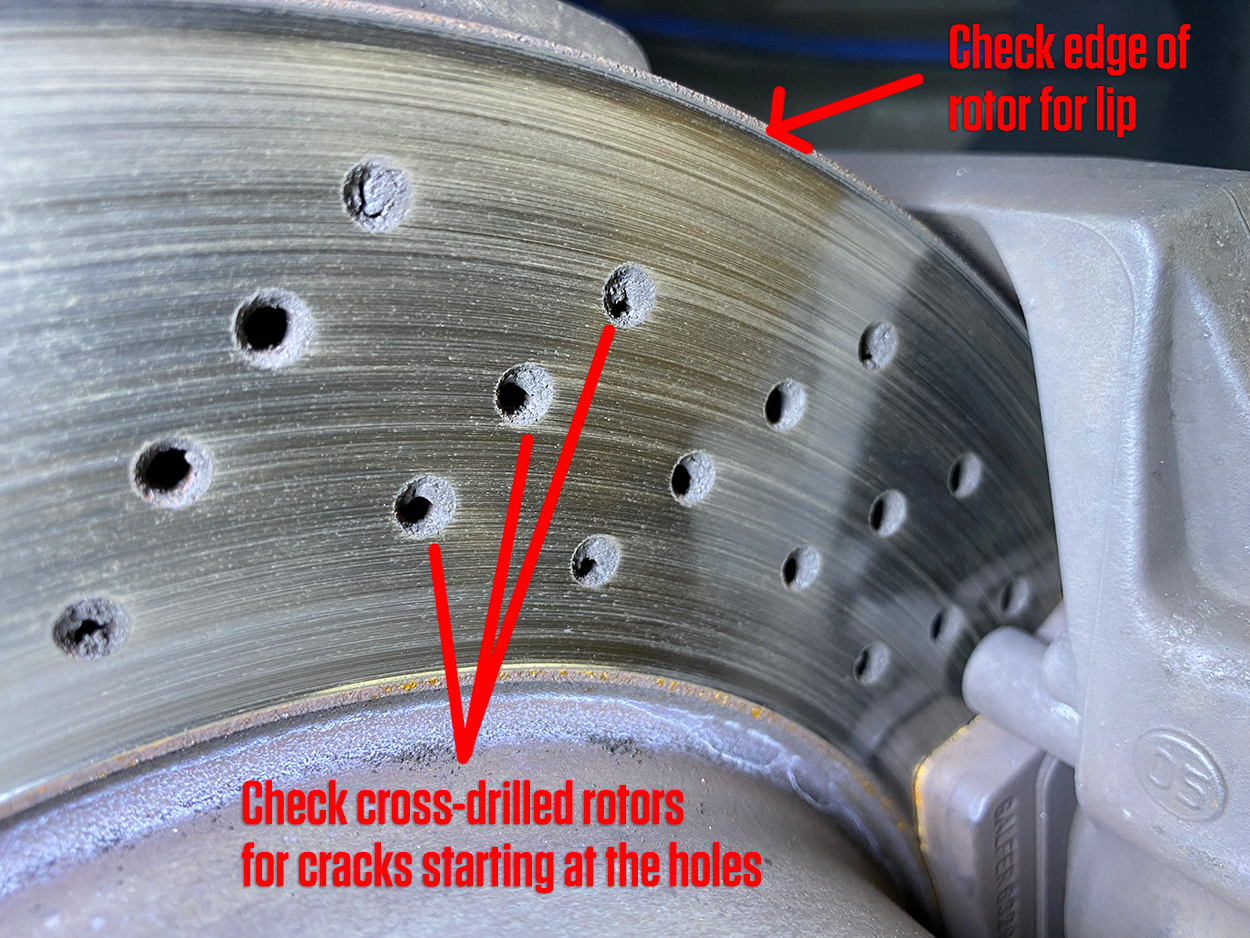
Start by looking closely at the rotors. Check for cracks or deep grooves. Look for rust or uneven wear. These signs mean the rotor might need repair or replacement. Clean rotors look smooth and shiny.
Checking For Warping
Warped rotors cause vibration when braking. To check, feel the steering wheel while braking. If it shakes, rotors might be warped. A mechanic can use a dial indicator to measure wobble. Warped rotors reduce brake performance and need fixing.
Measuring Rotor Thickness
Rotors wear down over time. Measuring thickness shows if they are still safe. Use a micrometer to get an exact reading. Compare it to the minimum thickness in your car’s manual. Thin rotors can crack and must be replaced.
Performing A Brake Test
Performing a brake test is a simple way to check if your brakes and rotors are working correctly. This test helps you find problems before they get serious. Doing it right keeps you safe on the road. Follow these steps carefully.
Safe Testing Environment
Choose a quiet road with little traffic. Make sure the surface is dry and flat. Avoid places with hills or sharp turns. Safety comes first. Wear your seatbelt and keep both hands on the wheel. Make sure no one is nearby before starting the test.
Assessing Brake Response
Drive at a low speed, about 15-20 mph. Press the brake pedal gently and notice how the car slows down. The brake should feel firm and smooth. The car should stop quickly without pulling to one side. Check if the brake pedal feels soft or sinks down.
Noticing Unusual Brake Behavior
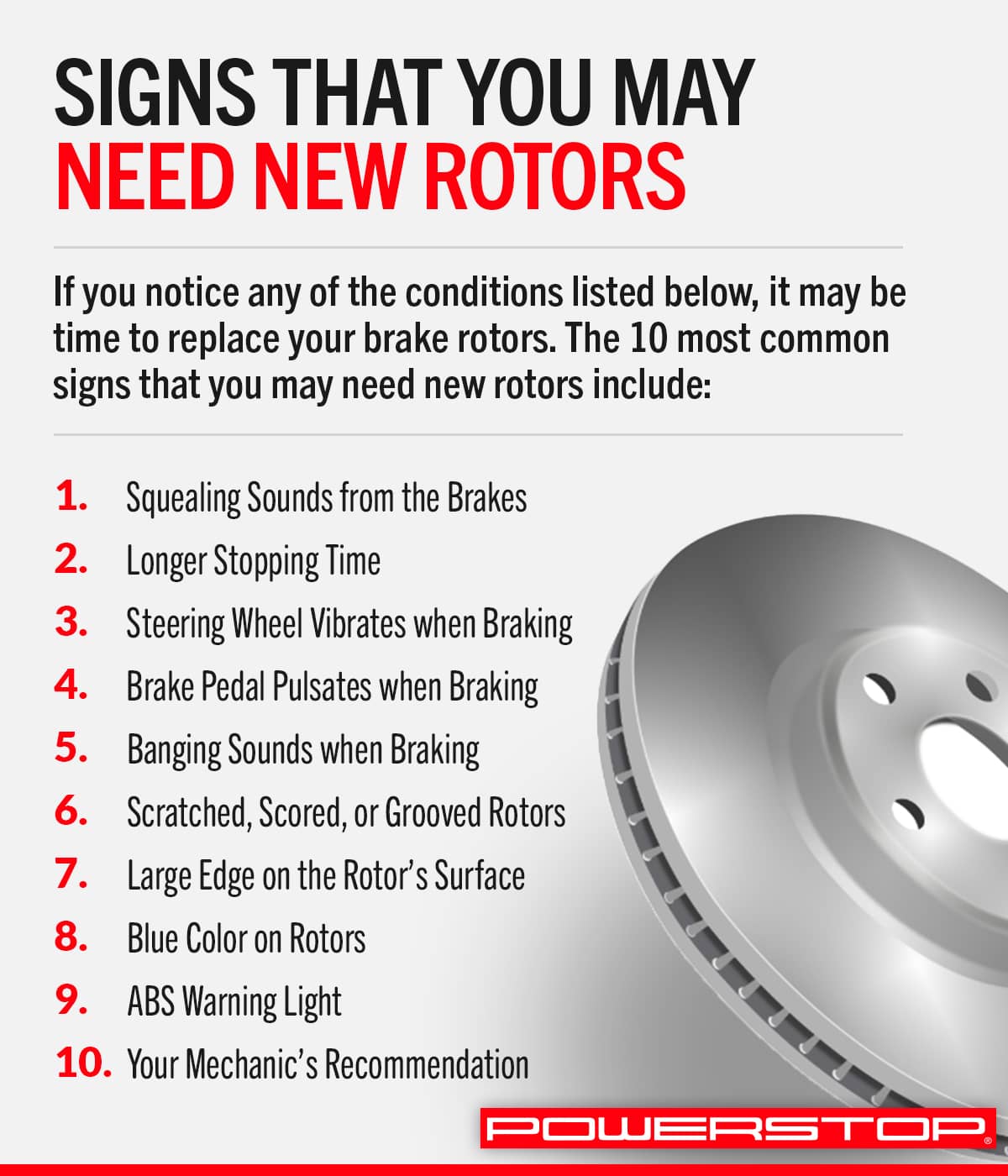
Listen for strange noises like squealing or grinding. Feel for vibrations or shaking in the brake pedal or steering wheel. Notice if the car pulls to one side when braking. These signs show problems with your brakes or rotors. Take action right away if you find any.
Credit: www.powerstop.com
When To Replace Parts
Knowing when to replace brake parts keeps your car safe and working well. Worn brake pads or rotors can cause problems. These parts wear down over time and need checking. Replacing them at the right time prevents damage and costly repairs. Learn the signs that show it is time to change these parts.
Brake Pad Replacement Signs
Brake pads wear out from regular use. Listen for squeaking or screeching sounds when braking. This noise means pads are thin and need changing. Feel for a soft or spongy brake pedal. This can show pads are worn or there is air in the brake lines. Check the brake pad thickness. If pads are less than 3mm thick, replace them soon. Also, notice if the car pulls to one side when braking. This may mean uneven pad wear.
Rotor Replacement Indicators
Rotors wear out or get damaged over time. Look for vibrations or shaking in the steering wheel when braking. This often points to warped rotors. Inspect the rotors for deep grooves or cracks. These signs mean the rotors are damaged. Check rotor thickness using a gauge. If below the minimum limit, replacement is necessary. Also, listen for a grinding sound during braking. It may mean the rotor surface is rough and needs replacing.
Basic Maintenance Tips
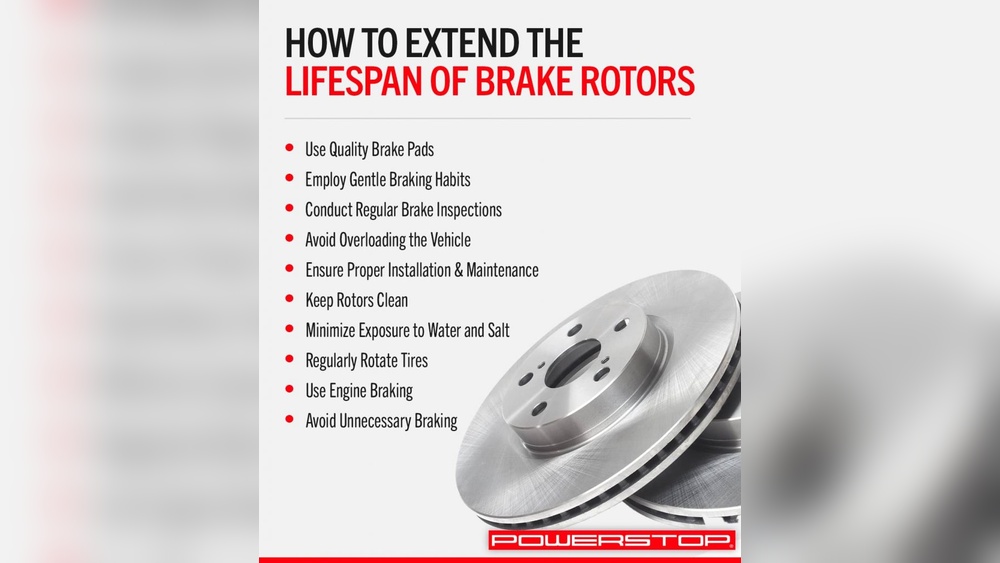
Basic maintenance keeps your brakes and rotors working well. It helps avoid costly repairs and ensures safety. Simple steps can extend the life of your brake system. Clean parts work better and last longer. Regular checks catch problems early before they get worse.
Keeping Brake Components Clean
Dirt and dust can harm brake parts. Clean the brake pads, rotors, and calipers regularly. Use a soft brush or cloth to remove dust. Avoid using water directly on brakes. Brake cleaner sprays work best to remove grease and grime. Clean parts stop noise and improve braking power.
Regular Inspection Schedule
Check your brakes every 5,000 to 7,000 miles. Look for worn pads, cracks, or grooves on rotors. Listen for squeaking or grinding sounds when braking. Feel for vibrations or pulling to one side. Early checks help fix small issues fast. Keep a log of inspections and repairs for reference.
Frequently Asked Questions
How Do I Check Brake Pads For Wear?
Inspect brake pads through the wheel spokes or remove the wheel. Look for pad thickness; less than 3mm means replacement is needed. Listen for squealing sounds, which indicate worn pads. Regular checks ensure safety and optimal brake performance.
What Are Signs Of Damaged Brake Rotors?
Damaged rotors cause vibrations or pulsations when braking. Look for grooves, cracks, or discoloration on the rotor surface. Uneven wear or a burning smell also signals rotor issues. Early detection prevents costly repairs and maintains smooth braking.
How Often Should Brakes And Rotors Be Inspected?
Brake and rotor inspections should occur every 10,000 to 15,000 miles or during regular vehicle servicing. Frequent checks help detect wear early and keep your braking system safe. Follow manufacturer guidelines for maintenance intervals.
Can I Check Brakes And Rotors Without Removing Wheels?
Yes, you can partially inspect brake pads and rotors through wheel spokes. However, full rotor surface checks require wheel removal. Use a flashlight to improve visibility. Proper inspection ensures comprehensive brake system evaluation.
Conclusion
Checking your brakes and rotors keeps you safe on the road. Regular inspections help spot problems early. Clean and smooth rotors improve braking performance. Thin or worn brake pads need quick replacement. Listen for strange noises or vibrations while driving.
These signs show your brakes need attention. Taking small steps can prevent costly repairs later. Always trust your instincts about your car’s condition. Stay alert and keep your vehicle in good shape. Safe driving starts with well-maintained brakes and rotors.