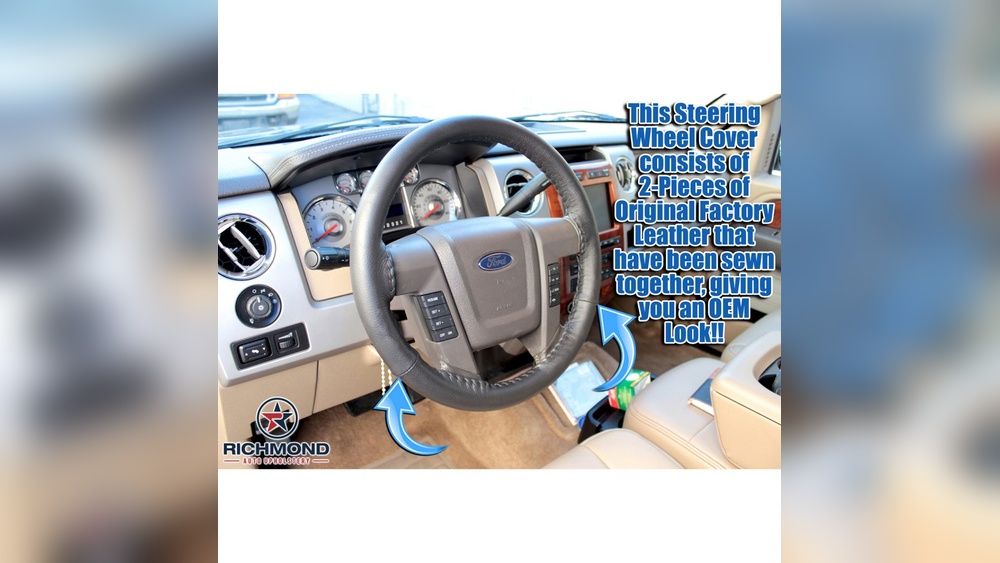
Have you ever wondered how long Covid can survive on your car’s steering wheel? You touch it every day, multiple times, but do you really know if it’s safe?
Understanding how long the virus stays there can help you protect yourself and your loved ones better. Keep reading to find out exactly what you need to know to stay safe every time you get behind the wheel.

Credit: www.cohenusa.com
Virus Survival On Surfaces
Understanding how long the Covid virus stays on surfaces helps us stay safe. The virus can live on different objects for varying times. Steering wheels are touched often, making them key to study. Knowing the virus survival time guides cleaning habits.
Surfaces hold the virus differently. Some keep it longer, others let it die quickly. This affects how the virus spreads through touch. Let’s explore what changes how long the virus stays alive.
Factors Affecting Virus Longevity
Temperature plays a big role in virus survival. The virus dies faster in warm places. Cooler spots help it last longer. Humidity also matters. Higher moisture can reduce virus life. Low humidity may help it survive more. Light exposure affects the virus too. Sunlight and UV rays can kill the virus quickly. Touch and use frequency also change how long the virus stays active.
Materials And Virus Persistence
Different materials hold the virus differently. Hard, non-porous surfaces keep it longer. Plastic and metal can have the virus for days. Steering wheels often have plastic or leather. Leather may hold the virus for less time than plastic. Porous materials, like fabric, trap the virus less. Cleaning methods work best on smooth surfaces. Regular wiping reduces the risk of infection.

Credit: theryanlawgroup.com
Covid On Steering Wheels
Steering wheels are touched often during driving. This makes them a common spot for germs, including the Covid virus. Understanding how long Covid can stay on a steering wheel helps keep drivers safe. The virus does not live forever on surfaces. Its survival depends on many factors.
Typical Survival Time
Covid can survive on a steering wheel for a few hours to days. Studies show the virus lasts about 24 to 72 hours on plastic and metal. Most steering wheels have a plastic or leather surface. The virus begins to lose strength after a few hours. It becomes less likely to infect over time.
Impact Of Material Type
The type of material affects how long Covid stays alive. Plastic and metal surfaces allow the virus to survive longer. Leather steering wheels cause the virus to die faster. Porous materials like leather absorb moisture. This reduces the virus’s ability to live. Smooth, non-porous surfaces hold the virus longer.
Environmental Influences
Temperature and humidity play a big role in virus survival. Higher temperatures make the virus die quicker. Cold and dry places help the virus last longer. Sunlight also kills the virus fast. Inside cars, sunlight and heat can reduce virus life on the steering wheel. Regular cleaning removes the virus effectively.
Risk Of Transmission
The risk of catching Covid from a steering wheel depends on several factors. The virus can live on surfaces for hours or days. But it needs to move from the surface to your body to cause infection. Understanding how this happens helps reduce the risk.
Contact Frequency And Exposure
Steering wheels are touched many times a day. Each touch could pick up viruses if the surface is contaminated. The longer the virus stays on the wheel, the higher the chance of transfer.
Frequent contact increases the chance of picking up the virus. Touching your face after touching the wheel raises the risk. Cleaning the wheel often lowers the chance of infection.
Virus Transfer From Surface To Hands
The virus moves from the wheel to your hands on touch. Hands then carry the virus to your nose, mouth, or eyes. These areas allow the virus to enter your body.
Washing hands after touching the wheel stops the virus. Using hand sanitizer helps kill the virus quickly. Avoid touching your face before cleaning your hands.
Effective Cleaning Methods
Cleaning your steering wheel properly helps reduce the risk of Covid spreading. The virus can stay on surfaces for hours or days. Effective cleaning removes the virus and keeps you safe inside your car. Using the right methods is important to kill germs without damaging the steering wheel.
Focus on disinfectants that work well against viruses. Clean regularly to keep the surface safe for every drive.
Recommended Disinfectants
Use disinfectants with at least 70% alcohol for best results. Alcohol wipes or sprays kill the virus quickly. You can also use diluted bleach solutions, but be careful not to harm the steering wheel material. Avoid harsh chemicals that can damage leather or plastic. Mild soap with water helps remove dirt but may not kill all germs. Always check product labels to ensure they kill viruses.
Cleaning Frequency For Safety
Clean your steering wheel every day, especially after long trips. Frequent cleaning reduces the chance of virus buildup. If multiple people use the car, clean it before and after each use. Regular cleaning keeps the surface safer and protects your health. Make it a simple routine to wipe down the steering wheel daily.
Preventive Measures
Preventive measures reduce the risk of catching Covid from a steering wheel. The virus can stay on surfaces for hours or days. Taking simple steps helps protect yourself and others. Clean hands and surfaces stop the virus from spreading. Small habits make a big difference.
Hand Hygiene Tips
Wash your hands often with soap and water. Do this for at least 20 seconds. Use hand sanitizer if soap is not available. Avoid touching your face before cleaning your hands. Keep your nails short to reduce germs. Carry a small bottle of sanitizer in your car.
Use Of Protective Covers
Use a steering wheel cover that can be cleaned easily. Wipe the cover regularly with disinfectant wipes. Choose covers made of materials that do not absorb germs. Replace covers if they get worn out or dirty. Clean other high-touch areas inside the car often.
Avoiding Face Touching
Touching your face spreads germs from your hands. Try to keep your hands away from your eyes, nose, and mouth. Use tissues or your sleeve to touch your face if needed. Train yourself to notice when you touch your face. This helps lower the chance of infection.
Credit: www.brandonjbroderick.com
Frequently Asked Questions
How Long Does Covid Survive On A Steering Wheel?
Covid-19 can survive on a steering wheel for up to 72 hours. However, the virus’s ability to infect decreases significantly over time. Cleaning the surface frequently reduces the risk of transmission effectively.
Does Material Type Affect Virus Longevity On Steering Wheels?
Yes, virus survival varies by material. Covid-19 lasts longer on smooth, non-porous surfaces like plastic or leather. Porous materials tend to reduce virus viability faster, lowering transmission risk on such steering wheels.
How Often Should I Disinfect My Steering Wheel?
Disinfect your steering wheel daily, especially after exposure to public places. Use alcohol-based wipes or sprays with at least 70% alcohol. Regular cleaning minimizes Covid-19 contamination and protects your health.
Can Covid Transfer From Steering Wheels To Hands?
Yes, virus particles on steering wheels can transfer to hands upon contact. Touching your face afterward increases infection risk. Always sanitize your hands after driving or touching public surfaces.
Conclusion
Covid can stay on a steering wheel for hours to days. The exact time depends on temperature and surface type. Regular cleaning helps reduce the virus quickly. Use disinfectant wipes or sprays often. Wash your hands after touching the wheel.
Avoid touching your face inside the car. Staying clean keeps you and others safer. Simple actions make a big difference in stopping the spread. Keep your car tidy and protect your health. Small steps help control Covid risks every day.