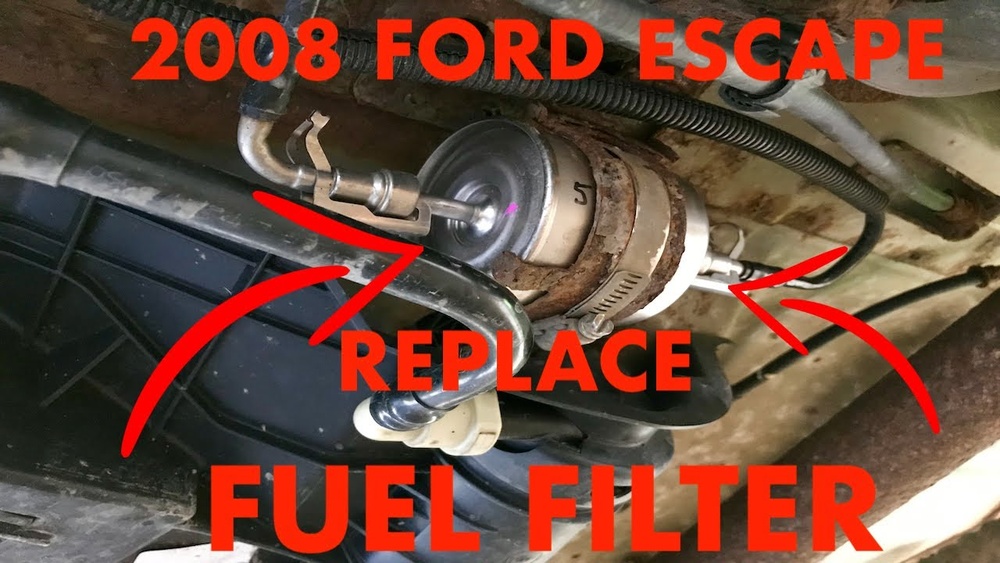
Is your vehicle acting up, or have you noticed a drop in performance? A rusted fuel filter might be the hidden culprit.
Removing a rusted fuel filter can seem tricky, but with the right steps, you can tackle it yourself and save time and money. In this guide, you’ll discover simple, clear instructions to help you get that stubborn filter out without frustration.
Ready to take control of your vehicle’s health? Let’s dive in and make this task easier than you thought.
Tools Needed
Removing a rusted fuel filter requires the right tools. Using proper tools makes the job easier and safer. Prepare everything before you start. Below are the key tools you need for this task.
Basic Hand Tools
Start with a wrench or socket set to loosen bolts. A screwdriver may help remove clamps. Pliers are useful for gripping stubborn parts. Having a small hammer can assist in loosening stuck filters.
Rust Removal Supplies
Rust penetrant spray helps loosen rusted parts quickly. A wire brush removes rust from metal surfaces. Sandpaper can smooth rough areas. Keep a clean rag handy to wipe off dirt and rust.
Safety Gear
Wear gloves to protect your hands from fuel and rust. Safety glasses shield your eyes from debris. Use a mask to avoid inhaling rust particles. Proper gear keeps you safe throughout the job.

Credit: www.reddit.com
Preparing The Vehicle
Preparing your vehicle before removing a rusted fuel filter is important. It helps you work safely and avoid damage. This step-by-step guide makes the process clear and simple.
Ensure Safety
Park your car on a flat surface. Turn off the engine and remove the key. Let the engine cool down to prevent burns. Wear safety glasses and gloves to protect yourself. Keep a fire extinguisher nearby. Fuel is flammable and dangerous.
Locate The Fuel Filter
Find the fuel filter under the hood or near the fuel tank. Check your vehicle’s manual for the exact location. The filter looks like a small cylinder with fuel lines attached. Clean the area around the filter to stop dirt from entering the system.
Relieve Fuel System Pressure
Fuel lines hold pressure, which can cause fuel spray. Release the pressure before removing the filter. Locate the fuel pump fuse or relay and remove it. Start the engine and let it run until it stops. This empties the fuel lines safely. Turn off the ignition and replace the fuse or relay.
Removing The Rusted Filter
Start by loosening the rusted fuel filter with a wrench. Apply penetrating oil to help break the rust bond. Gently twist and pull to remove the filter without damaging nearby parts.
Apply Penetrating Oil
Start by spraying penetrating oil on the rusted fuel filter. This oil helps loosen rust and dirt. Let it sit for 10 to 15 minutes. It softens the rust and makes removal easier. Use a generous amount, covering all rusty areas. Avoid rushing this step; patience pays off.
Loosen Fuel Lines
Next, gently loosen the fuel lines connected to the filter. Use a wrench or pliers, turning slowly to avoid damage. Rust can make lines stick tight. If they resist, apply more penetrating oil and wait a bit. Take your time to prevent breaking the fuel lines.
Unscrew The Filter
After loosening the fuel lines, unscrew the filter body from its mount. Use a filter wrench for better grip. Turn counterclockwise to remove it. Rust can make this tough, so try steady, firm pressure. Avoid jerking or forcing it to stop damage. Once free, carefully remove the filter and prepare for replacement.
Cleaning And Inspection
After removing a rusted fuel filter, cleaning and inspecting are crucial steps. Dirt, rust, and damage can affect fuel flow and engine performance. Proper cleaning and inspection help avoid future problems and keep your vehicle running smoothly.
Check Fuel Lines
Look closely at the fuel lines connected to the filter. Check for cracks, leaks, or stiffness. Soft or brittle lines need replacement. Clean any dirt or rust around the connections to ensure a tight seal.
Clean Connection Points
Use a wire brush or cloth to clean the connection points. Remove rust and debris to improve contact. Clean connections prevent fuel leaks and help the new filter fit properly.
Inspect For Damage
Examine the filter housing and surrounding parts. Look for dents, cracks, or corrosion. Replace any damaged components to avoid fuel flow issues. A thorough inspection helps maintain safe and efficient fuel delivery.
Installing The New Filter
Installing the new fuel filter is a key step to keep your vehicle running smoothly. The new filter must fit correctly and be connected securely. Take your time to avoid leaks or damage. Follow these steps carefully for a safe installation.
Choose The Correct Replacement
Select a fuel filter that matches your vehicle’s make and model. Check the part number on the old filter or in your vehicle manual. Using the right filter ensures proper fuel flow and engine performance. Do not guess or use the wrong size.
Attach The Filter
Place the new filter in the mounting bracket. Align it the same way as the old one. Fuel filters usually have an arrow showing fuel flow direction. Make sure the arrow points from the fuel tank to the engine. Push the filter firmly until it fits snugly.
Secure Fuel Lines
Reconnect the fuel lines to the new filter’s inlet and outlet. Use clamps or connectors provided with the filter. Tighten the clamps to avoid fuel leaks but avoid overtightening. Check all connections for firmness by gently pulling on the hoses.

Credit: www.youtube.com
Testing The Repair
Testing the repair after removing a rusted fuel filter is important. It ensures your vehicle runs smoothly and safely. This step helps you find any issues before driving.
Check For Leaks
Look closely around the fuel filter area. Watch for any signs of fuel dripping or wet spots. Leaks can cause serious problems and need fixing right away. Use a clean cloth to wipe around the connections. If you see fuel, tighten the fittings carefully.
Start The Engine
Turn on the engine and listen carefully. The engine should start easily without hesitation. If it struggles or stalls, there might be a problem with the fuel flow. Keep the engine running for a few minutes to let the fuel circulate. This helps check if the filter is working well.
Monitor Performance
Drive the car slowly and feel how it runs. The engine should run smoothly without sputtering or loss of power. Pay attention to any strange noises or smells. Good performance means the fuel filter is clean and installed properly. If problems continue, recheck the filter and connections.
Preventing Future Rust
Preventing future rust on your fuel filter saves time and money. Rust damages parts and stops fuel flow. Taking care of your vehicle keeps it running smooth and safe. Simple steps help avoid rust build-up.
Regular Maintenance
Check your fuel filter often. Replace it as the manual suggests. Clean the fuel system to remove dirt and moisture. Moisture causes rust. Keep the fuel tank clean and sealed. Regular checks catch rust early.
Use Fuel Additives
Add fuel additives designed to remove water and prevent rust. These additives protect metal parts inside the fuel system. Use them every few months or as needed. They keep fuel clean and stop corrosion from starting.
Store Vehicle Properly
Park your vehicle in a dry place. Avoid humid or wet environments. Cover the vehicle if it stays outside. This stops moisture from reaching the fuel system. Proper storage reduces rust risk and extends part life.

Credit: www.astrosafari.com
Frequently Asked Questions
How Do I Safely Remove A Rusted Fuel Filter?
First, relieve fuel system pressure and disconnect the battery. Use proper tools to avoid damaging fittings. Work in a well-ventilated area and wear gloves to protect your hands from rust and fuel.
What Tools Are Needed To Remove A Rusted Fuel Filter?
You will need a wrench set, fuel line disconnect tool, safety gloves, and eye protection. A penetrating oil helps loosen rusted parts. Have a container ready to catch fuel spills during removal.
How Can I Prevent Rust On A Fuel Filter?
Use high-quality fuel and keep your fuel tank clean. Regularly inspect and replace filters as needed. Store your vehicle in a dry place to reduce moisture exposure that causes rust.
How Long Does It Take To Replace A Rusted Fuel Filter?
Replacing a rusted fuel filter typically takes 30 to 45 minutes. Time varies depending on vehicle model and rust severity. Proper preparation and tools speed up the process.
Conclusion
Removing a rusted fuel filter can be tough but doable. Take your time and use the right tools. Safety is key—wear gloves and eye protection. Clean the area before and after the job. Check your work to avoid leaks or problems later.
Regular maintenance helps prevent rust build-up. Keep your vehicle running smoothly and safely. Simple steps make a big difference in car care. You can handle this repair with patience and care.