

Are you thinking about giving your kitchen a fresh new look without the hassle of a full renovation? Vinyl wraps might be just what you need.
But you’re probably wondering—how long does a vinyl wrap last in a kitchen? After all, your kitchen sees a lot of action, from cooking spills to steam and heat. Knowing how durable vinyl wraps are can help you decide if this is the right choice for your space.
Keep reading to discover everything you need to know about the lifespan of vinyl wraps in your kitchen and how to make them last even longer.

Credit: kitchenwrappinglondon.co.uk
Vinyl Wrap Basics
Vinyl wrap is a popular choice for kitchens. It changes the look of cabinets and surfaces without heavy work. Many people choose vinyl wrap for its ease and variety of styles. Understanding the basics helps in knowing how long it lasts.
Vinyl wrap comes in different types and serves many uses in kitchens. Knowing these details guides better decisions for your space.
Material Types
Vinyl wrap is made from thin, flexible sheets of plastic. There are two main types: cast vinyl and calendared vinyl. Cast vinyl is thinner and stretches well. Calendared vinyl is thicker and less flexible. Cast vinyl lasts longer and resists heat better. Calendared vinyl is cheaper but may peel faster in kitchens.
Common Uses In Kitchens
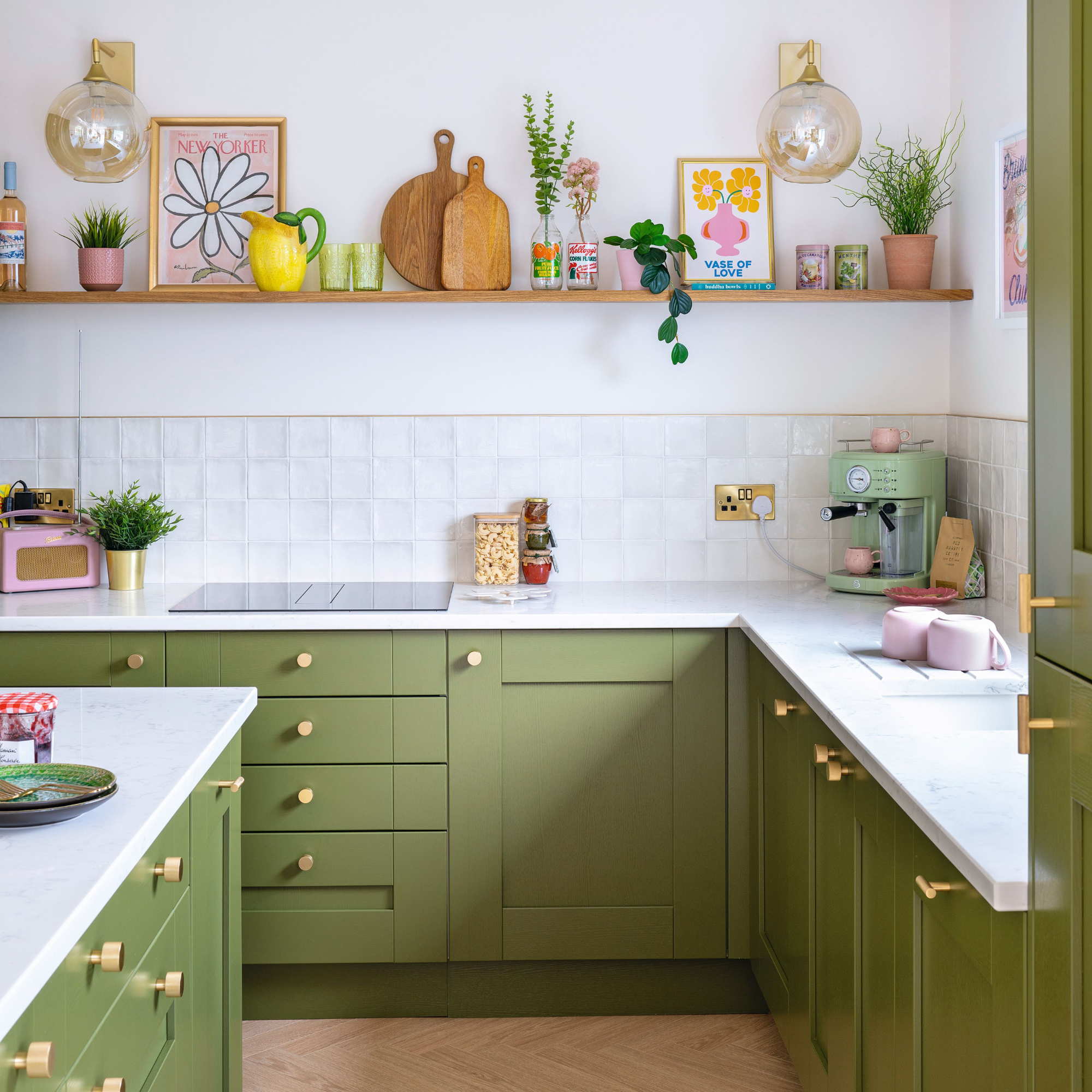
Vinyl wrap covers cabinets, drawers, and appliances. It updates old surfaces quickly and cheaply. People also use it on countertops and backsplashes. Vinyl protects surfaces from scratches and stains. It comes in many colors and patterns, including wood and stone looks. This variety helps match any kitchen style.
Credit: www.idealhome.co.uk
Factors Affecting Durability
Vinyl wrap durability in the kitchen depends on several key factors. These factors influence how long the wrap stays in good condition. Understanding them helps you make better choices for your kitchen wrap.
Quality Of Vinyl
High-quality vinyl lasts longer. It resists scratches, heat, and moisture better. Cheap vinyl may peel or fade quickly. Look for vinyl designed specifically for kitchens. This type can handle daily wear and tear.
Installation Process
Proper installation improves durability. Wrinkles or bubbles reduce the wrap’s lifespan. A smooth, tight fit prevents water from getting underneath. Professional installation often results in a better finish. It also helps avoid early damage.
Kitchen Environment
Heat and moisture affect vinyl wrap. Near stoves or sinks, vinyl faces more challenges. Frequent exposure to steam or grease can weaken the wrap. Good ventilation helps reduce moisture buildup. Careful cleaning with mild products also protects the surface.
Expected Lifespan In Kitchens
Vinyl wrap is a popular choice for kitchen surfaces. It offers a fresh look without heavy renovation. Understanding its lifespan helps in planning maintenance and replacement. Kitchens have unique challenges like moisture and heat. These factors influence how long vinyl wrap lasts.
Average Duration
Vinyl wrap in kitchens typically lasts between 5 to 10 years. Quality of the material plays a big role. High-grade vinyl can last closer to 10 years. Lower quality wraps might start peeling or fading in 3 to 5 years. Proper installation also extends the life of the wrap.
Signs Of Wear And Tear
Look for peeling edges or bubbles forming under the wrap. Fading or discoloration is another common sign. Scratches and small tears may appear from daily use. Sticky or rough patches can show damage from heat or moisture. These signs mean it’s time to consider repair or replacement.
Maintenance Tips
Proper care helps your kitchen vinyl wrap last longer. Simple steps keep it looking fresh and new. Avoiding damage and cleaning carefully will protect the wrap’s color and texture. Follow these tips for best results.
Cleaning Methods
Use a soft cloth or sponge for cleaning. Mild soap and warm water work well. Avoid harsh chemicals or abrasive scrubbers. Wipe gently to prevent scratches. Dry the surface with a soft towel. Clean spills quickly to avoid stains.
Preventing Damage
Keep sharp objects away from the wrap. Avoid dragging heavy items over the surface. Use cutting boards and mats when preparing food. Do not expose vinyl to high heat or direct sunlight. Handle the wrap with care to stop peeling or cracking.
Comparing Vinyl With Other Materials
Choosing the right material for your kitchen surfaces is important. Vinyl wrap is popular, but other materials like paint, laminate, and wood also work well. Comparing these options helps to understand their benefits and drawbacks. This section focuses on cost, longevity, and aesthetic choices.
Cost And Longevity
Vinyl wrap usually costs less than wood or laminate. It offers good protection against scratches and stains. Typically, vinyl lasts 5 to 10 years in kitchens. Laminate can last longer, up to 15 years, but costs more. Wood surfaces are the most expensive and need regular care. They can last decades if maintained well. Paint is the cheapest but may wear out faster in busy kitchens.
Aesthetic Options
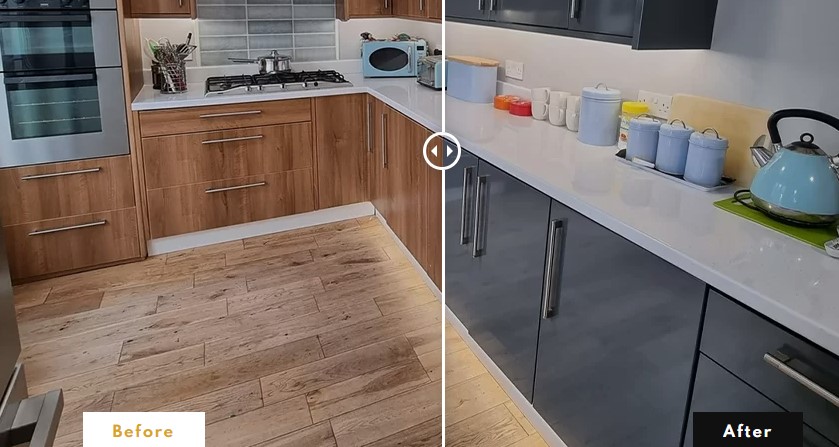
Vinyl wraps come in many colors and patterns. They can mimic wood, stone, or metal looks easily. Laminate also offers a wide range of designs but with less texture. Wood gives a natural, warm feel that many prefer. Paint allows custom colors but may need touch-ups often. Vinyl’s variety lets you change your kitchen style without much hassle.
Credit: touchstonewrap.ae
When To Replace Vinyl Wrap
Vinyl wrap in the kitchen can last for several years. But it does not stay perfect forever. Over time, it can start to look old or damaged. Knowing when to replace vinyl wrap helps keep your kitchen fresh and clean. It also protects your surfaces from wear and tear. Pay attention to signs that show your wrap needs changing. Act quickly to keep your kitchen looking its best.
Indicators For Replacement
Look for bubbles or wrinkles on the wrap. These signs mean the wrap is lifting from the surface. Peeling edges are another clear sign. Faded colors or stains that won’t clean off also show wear. Scratches or tears in the vinyl wrap reduce its protection. Sticky or rough spots mean the wrap may fail soon. If the wrap smells bad or shows mold, replace it fast. These issues affect both looks and hygiene.
Choosing A New Wrap
Select a vinyl wrap designed for kitchens. It should resist heat, moisture, and stains. Choose a color or pattern that matches your style. Think about easy cleaning and durability. Consider high-quality vinyl to last longer. Measure your surfaces carefully before buying new wrap. Pick a finish—matte or glossy—that fits your kitchen’s look. A good wrap can refresh your space for years.
Frequently Asked Questions
How Long Does Kitchen Vinyl Wrap Typically Last?
Kitchen vinyl wraps usually last 5 to 7 years with proper care. Durability depends on quality, surface prep, and maintenance. Avoid heat and moisture to extend lifespan. Regular cleaning with gentle products helps maintain appearance and longevity.
Can Vinyl Wrap Resist Kitchen Heat And Moisture?
High-quality vinyl wraps are designed to resist moderate heat and moisture. However, direct exposure to extreme heat or steam can cause peeling. Proper installation and avoiding excessive moisture prolong the wrap’s durability in kitchen environments.
How To Maintain Vinyl Wrap For Longer Life?
Clean vinyl wrap regularly with mild soap and water. Avoid abrasive scrubbers and harsh chemicals. Use a soft cloth to prevent scratches. Keep the kitchen well-ventilated to reduce moisture buildup, which can damage the wrap over time.
Does Kitchen Vinyl Wrap Damage Cabinets?
Vinyl wrap does not damage cabinets if applied and removed correctly. Professional installation ensures safe adhesion without harming surfaces. Improper removal or low-quality products may cause adhesive residue or surface damage.
Conclusion
Vinyl wraps in the kitchen can last several years with care. Cleaning gently and avoiding sharp tools helps them stay fresh. Heat and moisture may shorten their life, so watch for those risks. Choosing quality vinyl also plays a big role in durability.
Regular checks can catch damage early. Vinyl wrap offers a cost-effective way to update kitchen surfaces. It blends style with protection, making kitchens look new longer. Keep these tips in mind to enjoy your vinyl wrap’s full lifespan.

