
You just got a shiny new car, and you want it to look perfect. But when is the right time to wax it?
You might be wondering how long to wait before waxing your new car. Waxing too soon or too late can affect the finish and protection of your paint. You’ll discover the best timing to wax your new ride, so it stays glossy and protected for years.
Keep reading to learn the simple steps that will keep your car looking brand new.
Why Wait Before Waxing
Waxing a new car too soon can cause problems. The paint needs time to settle and harden properly. Waiting helps protect your car’s finish and keeps it looking shiny longer. Understanding why you should wait before waxing helps you care for your car better.
Paint Curing Process
New car paint is not fully dry at delivery. It goes through a curing process that can take weeks. During this time, the paint hardens and bonds to the car’s surface. Waxing too early can trap moisture or dirt under the wax. This can harm the paint and cause dull spots.
Impact On Wax Adhesion
Wax sticks best to fully cured paint. If the paint is still soft, wax may peel or flake off quickly. Waiting allows the wax to bond tightly and last longer. Proper adhesion means better protection from dirt, sun, and rain. This keeps your car looking clean and new for more time.

Credit: www.reddit.com
Recommended Waiting Periods
Knowing the right time to wax your new car protects its paint and keeps it shiny. Different types of paint need different care. Waiting the correct time helps the wax stick better and prevents damage. Here are some guidelines for how long to wait before waxing.
Factory Paint Vs. Repainted Surfaces
Factory paint usually has a clear coat that cures for about 30 days. Waxing too soon can trap chemicals or moisture under the wax. This can cause dull spots or uneven shine. Wait at least one month before waxing factory paint.
Repainted surfaces need more time to fully cure. This depends on the paint and products used. Some repainted cars require 60 to 90 days before waxing. Check with the painter or shop for specific advice. Patience helps avoid peeling or damage to fresh paint.
Manufacturer Guidelines
Car makers often include waxing advice in the owner’s manual. Some recommend waiting 30 days after purchase. Others may suggest longer waits for special finishes. Follow these guidelines closely to keep your paint safe.
Ignoring manufacturer instructions can void paint warranties. Use recommended wax products for best results. Regular waxing after the waiting period keeps the car looking new and protects it from dirt and UV rays.
Factors Affecting Waxing Timing
Knowing the right time to wax a new car depends on many factors. These elements affect how well the wax will stick and protect the paint. Understanding these factors helps keep your car looking shiny and new for longer.
Climate And Weather Conditions
Climate plays a big role in waxing timing. Hot weather can make wax dry too fast. Cold weather may prevent wax from setting properly. Rain and humidity can wash away wax quickly. Ideal weather for waxing is mild and dry. Avoid waxing on very sunny or rainy days. This helps the wax bond well with the paint.
Car Usage And Exposure
The way you use your car matters. Daily driving exposes your car to dirt, dust, and pollutants. These can affect how long the wax lasts. If your car stays parked most of the time, waxing can be done less often. Cars exposed to harsh environments may need waxing sooner. Regular waxing protects the paint from damage caused by road grime and UV rays.
Choosing The Right Wax
Waxing your new car protects its paint and keeps it shiny. The right wax adds a smooth, glossy finish. It also guards against dirt, sun, and water damage. Choosing the correct wax depends on your needs and how you use your car.
Not all waxes are the same. Some are better for long-lasting protection, while others give a deep shine. Understanding the types of wax helps you pick the best one for your new car.
Types Of Car Wax
There are three main types of car wax: natural, synthetic, and spray wax. Natural wax is made from carnauba, a plant-based material. It gives a warm, deep shine but wears off faster. Synthetic wax lasts longer and protects better against weather. Spray wax is easy to apply but offers less protection.
Wax Longevity And Protection
Some waxes last a few weeks, others several months. Synthetic waxes often provide longer protection than natural ones. Choose wax based on how often you want to reapply. A durable wax saves time and keeps your car safe from scratches and fading.
Signs Your Car Is Ready For Waxing
Knowing when your car is ready for waxing helps keep its paint smooth and shiny. Waxing too early or too late can harm the finish. Watch for clear signs that show the best time to apply wax. These signs come from how the car’s surface feels and looks. They guide you in protecting your new car’s paint properly.
Surface Texture And Feel
Run your hand gently over the car’s paint. A smooth, slick surface means the car is ready for wax. Rough or sticky spots show leftover paint residue or dirt. These must be cleaned or polished first. A clean, smooth surface helps wax stick better and last longer. Waxing a rough surface can cause uneven shine and damage.
Visual Indicators
Look closely at the car’s paint under natural light. Faded or dull areas suggest the paint needs protection. Water spots or light scratches also show wax is needed. A glossy, bright surface means the car might still have factory sealant. Wait until this shine fades to avoid layering problems. Clear, even color and no oily residue signal the car is ready for waxing.
Waxing Tips For New Cars
Waxing a new car protects its paint and keeps it shiny longer. Proper care helps maintain the car’s look and value. Following the right steps makes waxing easier and more effective. This section shares simple tips for waxing new cars safely.
Preparation Steps
Clean the car thoroughly before waxing. Use gentle soap and water to remove dirt. Dry the surface completely with a soft cloth. Check the paint for any spots or stains. Remove bugs or tar with a special cleaner. Work in a shaded area to avoid quick drying. Make sure the car is cool to touch.
Application Techniques
Use a soft applicator pad for waxing. Apply wax in small, circular motions. Cover one section at a time for even results. Let the wax dry until it looks hazy. Buff the surface gently with a microfiber cloth. Use light pressure to avoid scratches. Repeat the process on the whole car. Avoid waxing too often; every few months is enough.
Alternatives To Waxing Early
New cars need special care before waxing. The paint needs time to harden. Waxing too soon can harm the finish. There are other ways to protect your car’s paint early on. These options help keep your car looking shiny and clean without risking damage.
Sealants And Ceramic Coatings
Sealants form a strong barrier on the paint. They last longer than wax and protect from dirt and water. Ceramic coatings are even tougher. They create a hard shell on the car’s surface. This shell guards against scratches and UV rays. Both sealants and ceramic coatings keep the paint safe while it cures. They require less frequent reapplication than wax. These options suit drivers who want long-lasting protection early.
Temporary Protection Options
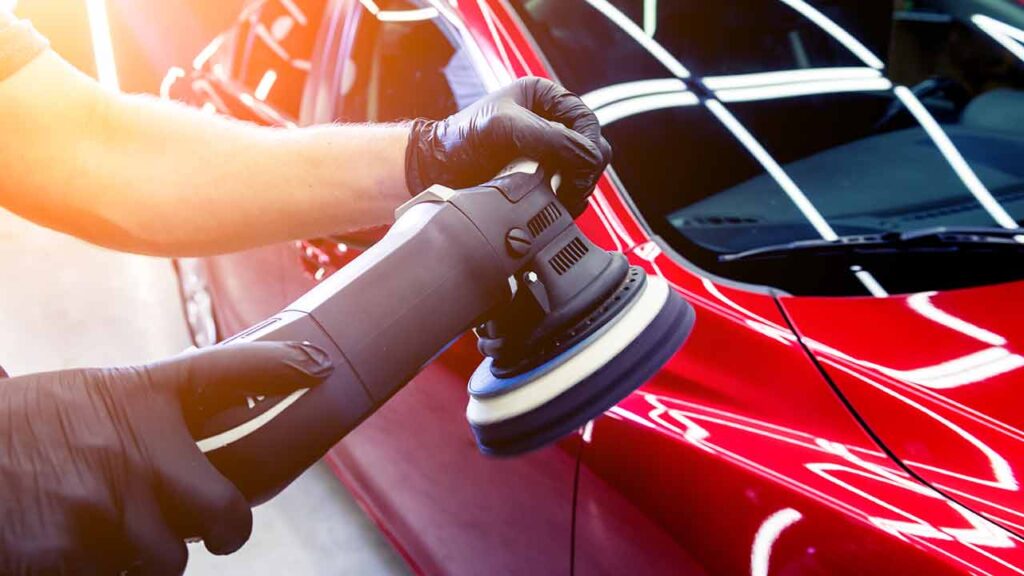
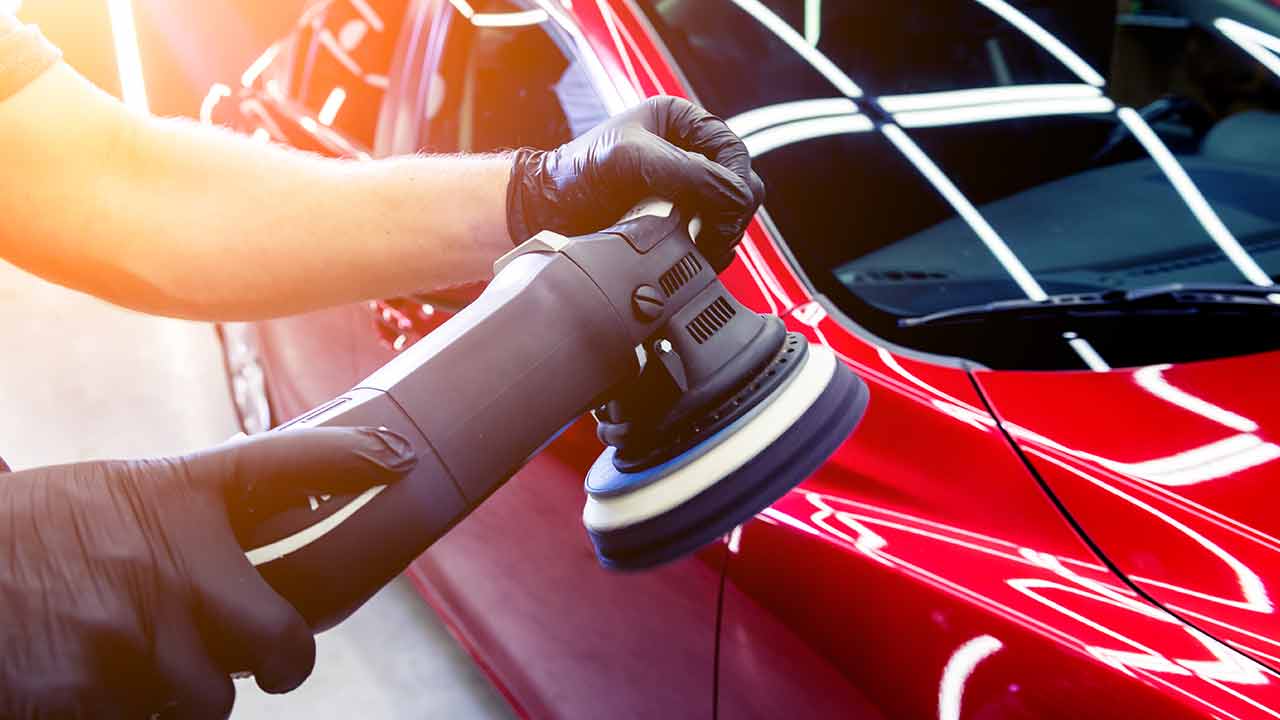
Temporary products offer quick, easy paint protection. Spray-on protectants shield the car without heavy layers. These sprays dry fast and wash off easily. They do not interfere with the paint curing process. Another choice is quick detailers. They clean and add shine for a short time. Temporary options keep the car looking fresh before waxing. They fit well for new car owners who want light protection now.
Credit: surfnshine.com
Credit: surfnshine.com
Frequently Asked Questions
How Long Should I Wait To Wax A New Car?
Wait at least 30 to 60 days before waxing a new car. This allows the factory paint sealant to cure and harden properly. Waxing too soon can trap contaminants and reduce wax effectiveness.
Why Wait Before Waxing A New Car’s Paint?
Waiting helps the paint cure fully, ensuring wax bonds well. Fresh paint needs time to harden, preventing damage or uneven wax application. This maintains the car’s shine and paint protection longer.
Can I Wax My Car Immediately After Purchase?
It’s best to avoid waxing right after buying a new car. Allow the paint to cure for about a month before waxing. This ensures the wax adheres properly and protects the paint.
What Happens If I Wax My Car Too Soon?
Waxing too early can trap dirt and moisture under the wax. It may cause paint defects or reduce wax durability. Waiting lets the paint seal and results in better protection and shine.
Conclusion
Waiting a few weeks before waxing a new car helps protect its paint. This time lets the paint fully harden and cure. Waxing too soon may cause damage or reduce shine. Clean the car gently before waxing to avoid scratches.
Regular waxing after the wait keeps the car looking fresh and bright. Patience pays off for a longer-lasting, beautiful finish. Remember, taking care of your new car’s paint adds value and pride. A little wait now means better protection later.


