

Have you ever wondered how long your brake pads and rotors should really last? If you’re like most drivers, you rely on these parts every day to keep you safe on the road—but knowing when to replace them can be tricky.
Understanding the lifespan of your brake pads and rotors not only saves you money but also protects you from unexpected breakdowns or accidents. You’ll discover clear signs to watch for, typical mileage ranges, and simple tips to extend their life.
Keep reading to make sure your brakes are always ready when you need them most.
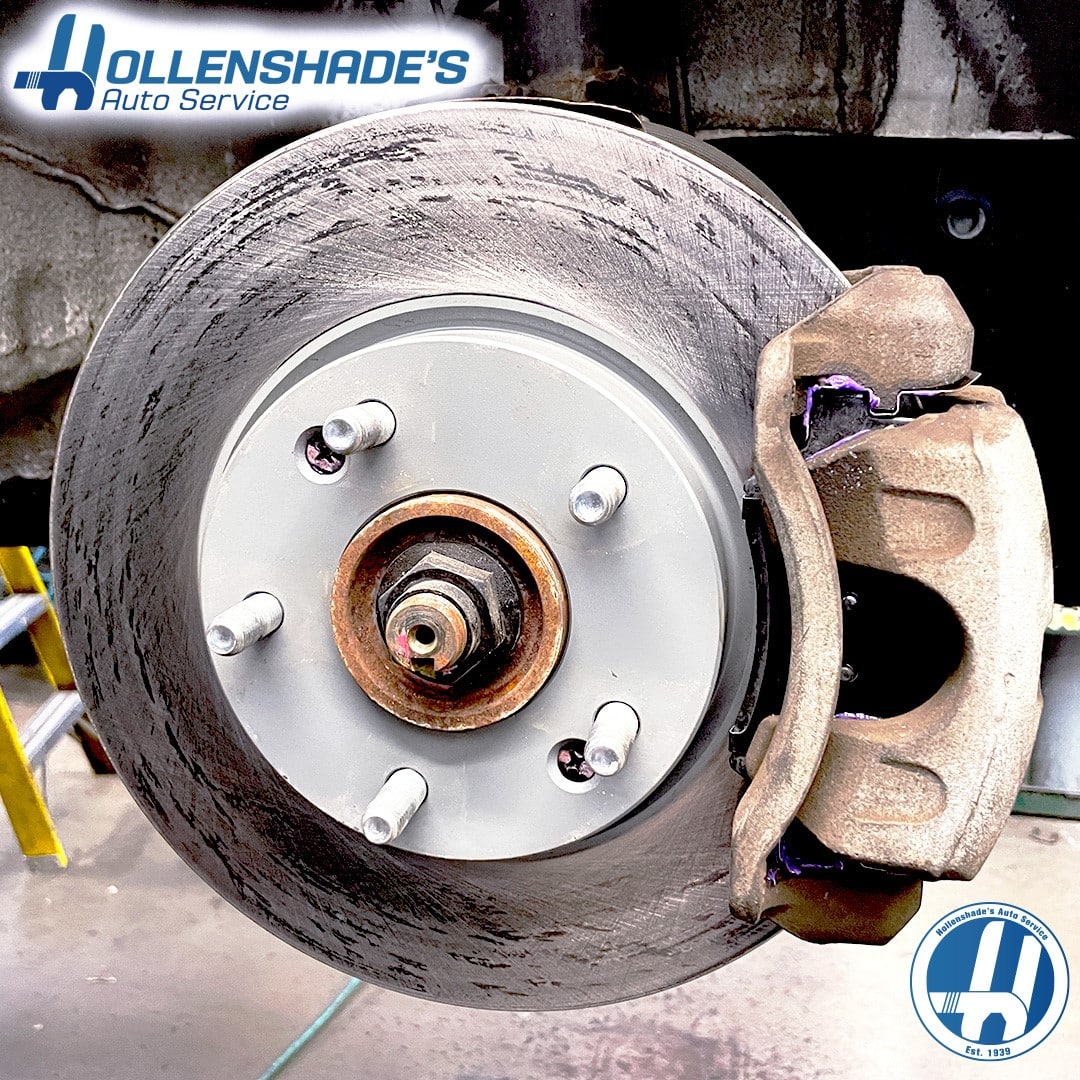
Credit: www.hollenshades.com
Brake Pads Lifespan
Brake pads are a vital part of your vehicle’s braking system. Their lifespan depends on many things. Understanding how long brake pads last helps you stay safe on the road. It also saves money by preventing damage to other parts like rotors.
Typical Mileage Range
Brake pads usually last between 30,000 and 70,000 miles. Some pads wear out faster, around 20,000 miles. Others can last over 80,000 miles. The type of brake pad matters. Organic pads wear quicker than ceramic or semi-metallic ones. Driving style also affects mileage.
Factors Affecting Wear
Hard braking wears pads faster. City driving causes more wear than highway driving. Heavy loads increase brake pad stress. Weather plays a role too. Wet or cold conditions can speed up wear. Quality of the brake pads affects life span. Cheaper pads may wear out sooner.
Signs Of Worn Brake Pads
Squeaking or squealing noises mean pads need checking. A grinding sound shows pads are very worn. Reduced braking power is a warning sign. The brake pedal may feel soft or spongy. Vibrations when braking also indicate worn pads. Regular inspections help catch issues early.
Rotor Durability
Rotor durability plays a crucial role in vehicle safety and performance. Rotors are the metal discs that brake pads press against to slow the car. Over time, these rotors wear down and need replacement. Understanding how long rotors last helps in planning maintenance and avoiding sudden brake failures.
Average Replacement Interval
Rotors usually last between 30,000 and 70,000 miles. This range varies based on rotor quality and vehicle type. Some high-performance rotors may wear faster. Others, made from harder metals, last longer. Checking rotors during regular brake service helps track wear.
Impact Of Driving Habits
Driving style affects rotor life significantly. Hard braking or frequent stops cause faster wear. City driving with constant stop-and-go reduces rotor durability. Highway driving with smooth braking extends rotor life. Avoiding sudden stops helps keep rotors in good condition.
Rotor Damage Indicators
Listen for squealing or grinding sounds during braking. Vibrations or pulsing in the brake pedal signal rotor issues. Visible grooves or cracks on the rotor surface mean damage. If rotors are too thin, brakes lose effectiveness. Timely inspection prevents costly repairs and ensures safety.
Types Of Brake Pads And Rotors
Brake pads and rotors come in different types. Each type affects how long they last. Choosing the right one helps keep your car safe and your brakes working well.
Different materials change how brakes feel and wear. Knowing the types helps you pick the best for your needs.
Organic Vs. Semi-metallic Pads
Organic pads are soft and quiet. They wear faster but cause less rotor damage. Semi-metallic pads last longer and work better in heat. They can be louder and cause more rotor wear.
Ceramic Pads Benefits
Ceramic pads offer smooth braking and low noise. They last longer than organic pads. These pads produce less dust, keeping wheels cleaner. They handle heat well but cost more.
Standard And Performance Rotors
Standard rotors suit everyday driving. They last longer under normal use. Performance rotors cool faster and resist warping. They work well for sporty or heavy braking but wear out quicker.
Maintenance Tips For Longevity
Proper care can make brake pads and rotors last longer. Simple steps help keep your brakes safe and efficient. This saves money and avoids sudden repairs. Follow these tips to protect your braking system.
Regular Inspections
Check brake pads and rotors often. Look for signs of wear like thinning pads or grooves on rotors. Listen for squeaking or grinding sounds. Early detection prevents bigger problems. Inspections every 10,000 miles or during oil changes work well.
Proper Driving Techniques
Drive smoothly and avoid hard stops. Sudden braking wears out pads faster. Keep a safe distance from cars ahead. Use engine braking on hills to reduce pressure on brakes. Gentle driving extends brake life and improves fuel efficiency.
Brake Fluid Care
Brake fluid keeps your brakes working well. Check fluid levels regularly and refill if low. Change brake fluid every 2 years or as recommended. Old fluid absorbs moisture, causing brake failure. Clean brake fluid helps pads and rotors last longer.
When To Replace Brake Components
Knowing when to replace brake components is key for safe driving. Brake pads and rotors wear out over time. Ignoring worn parts can lead to poor braking and accidents. Watch for signs that show brake parts need replacement. Timely action keeps your vehicle safe and saves money.
Brake Pad Replacement Signs
Squealing or grinding noises often mean worn brake pads. Thin pads, less than 3 millimeters thick, need replacing. Brake pedal feels soft or goes lower than usual. Car pulls to one side when braking. These signs show pads are no longer effective.
Rotor Resurfacing Vs. Replacement
Rotors can be resurfaced if the damage is minor. Resurfacing smooths out small grooves and warping. Deep grooves or cracks mean rotors must be replaced. Thin rotors lose strength and cause brake failure. Check rotor thickness against manufacturer limits before deciding.
Professional Inspection Importance
Experts spot wear that is hard to see. They measure pad thickness and rotor condition. Professionals also check brake fluid and other parts. Regular inspections catch problems early and improve safety. Trust trained mechanics for accurate brake system checks.
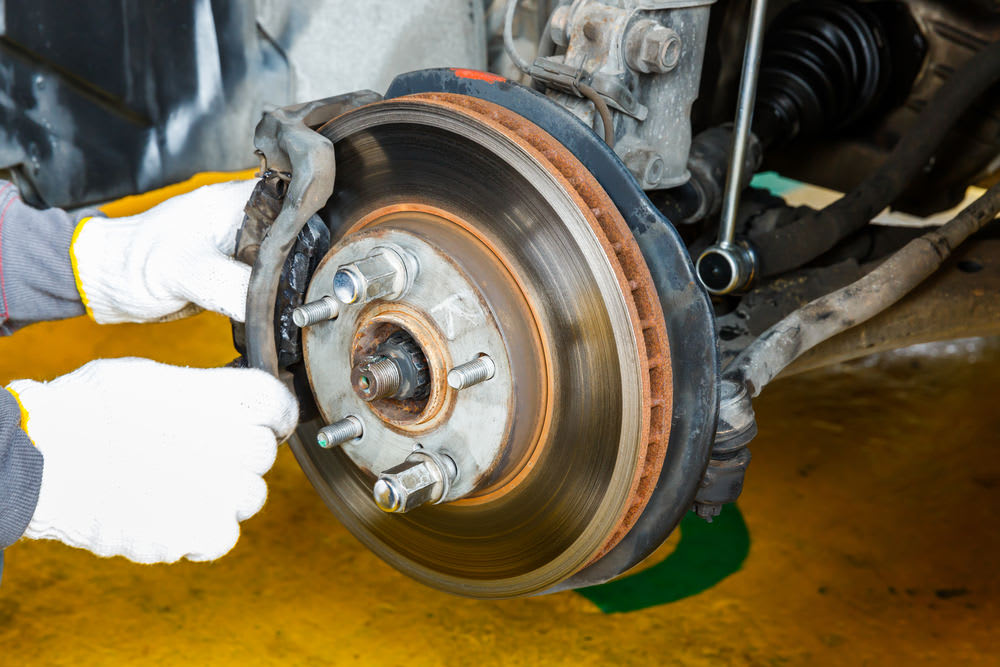
Credit: www.yourmechanic.com

Credit: www.suburbanchev.com
Frequently Asked Questions
How Long Do Brake Pads Usually Last?
Brake pads typically last between 30,000 and 70,000 miles. This depends on driving habits and road conditions. Regular inspection helps ensure timely replacement and safe braking performance.
When Should Brake Rotors Be Replaced?
Brake rotors generally need replacement every 50,000 to 70,000 miles. Signs include vibration, noise, or visible wear. Proper maintenance extends rotor life and maintains smooth braking.
Can Worn Brake Pads Damage Rotors?
Yes, worn brake pads can cause rotor damage. Metal-to-metal contact leads to scoring and uneven wear. Replacing pads promptly prevents costly rotor repairs or replacements.
What Factors Affect Brake Pad And Rotor Lifespan?
Driving style, environment, and vehicle type impact lifespan. Aggressive braking and stop-and-go traffic shorten life. Regular maintenance and gentle driving extend brake component durability.
Conclusion
Brake pads and rotors last differently based on use and quality. Regular checks keep your car safe on the road. Worn parts can cause noise or poor braking. Replacing them on time avoids bigger repairs later. Remember, driving habits affect how fast they wear out.
Keep an eye on any changes in braking feel. Simple maintenance helps your brakes perform their best. Stay alert, drive safely, and protect your vehicle’s braking system.
