
Are your brakes making strange noises or vibrating when you stop? It might be time to rotate your brake rotors.
Knowing how to rotate brake rotors can save you money and keep your car running smoothly. In this guide, you’ll discover simple steps to do it yourself, even if you’re not a car expert. By the end, you’ll feel confident handling this important task and improving your vehicle’s safety.
Keep reading to learn how to extend the life of your brakes and enjoy a smoother drive.

Credit: www.reddit.com
Signs You Need To Rotate Rotors
Rotating brake rotors helps keep your braking system working well. It spreads the wear evenly across all rotors. This extends their life and keeps your car safe. Watch for signs that show it is time to rotate your rotors. Acting early can prevent costly damage and keep brakes smooth.
Uneven Brake Pad Wear
Check your brake pads often. If one pad looks thinner than the others, it means uneven wear. This can cause the rotors to wear out faster on one side. Rotating the rotors can help balance the wear. It keeps the brake pads working evenly and prevents damage.
Vibration While Braking
Feel a shake or vibration when you press the brake pedal? This often means the rotors have worn unevenly. Rotating the rotors can fix this problem by evening out the wear. Smooth braking feels safer and improves control of your car.
Noisy Brakes
Listen for squealing or grinding sounds when braking. These noises can come from uneven rotor wear or damaged pads. Rotating the rotors helps reduce noise by spreading wear evenly. Quiet brakes mean your system is working well and safely.

Credit: www.youtube.com
Tools Required For Rotor Rotation
Rotating brake rotors is a task that requires the right tools. Having the proper equipment makes the job easier and safer. This section lists the essential tools you need to rotate brake rotors effectively.
Basic Hand Tools
Start with a good set of wrenches and sockets. These help remove the wheel and brake caliper bolts. A ratchet wrench speeds up the process. A torque wrench ensures bolts are tightened correctly. A screwdriver or pry bar helps remove old rotor clips. You might also need a hammer to loosen stuck rotors. Keep a wire brush handy to clean rust and dirt.
Safety Equipment
Safety comes first. Always wear safety glasses to protect your eyes. Use gloves to shield your hands from sharp edges. A dust mask prevents inhaling brake dust. Wearing closed-toe shoes protects your feet from dropped tools. Use jack stands to secure the vehicle. Never rely only on a car jack to hold the car up.
Preparing Your Vehicle
Start by parking your car on a flat surface and turning off the engine. Gather all necessary tools, such as a jack, wrench, and safety gear. Ensure the vehicle is secure before beginning to rotate the brake rotors.
Parking And Securing
Start by parking your vehicle on a flat, solid surface. Avoid hills or uneven ground. This prevents the car from moving while you work.
Engage the parking brake fully. This adds extra security against rolling. Place wheel chocks behind the wheels not being lifted. This keeps the vehicle stable and safe.
Removing The Wheels
Loosen the lug nuts slightly before lifting the car. Use a lug wrench and turn counterclockwise. Do not remove the nuts completely yet.
Use a jack to lift the vehicle at the recommended points. Raise it high enough so the wheel is off the ground. Place jack stands under the car for support.
Now, fully remove the lug nuts and take off the wheels. Keep the nuts in a safe place to avoid losing them. This step prepares your brake rotors for rotation.
Removing Brake Components
Removing brake components is a key step before rotating brake rotors. It helps you access the rotor safely. Each part must be handled carefully. Follow these steps to remove the brake parts correctly.
Detaching The Caliper
Start by loosening the bolts that hold the caliper. Use a wrench or socket for this task. Pull the caliper away from the rotor gently. Do not let the caliper hang by the brake hose. Support it with a wire or a hook. This prevents damage to the brake line.
Removing Brake Pads
Brake pads sit inside the caliper bracket. Slide them out carefully from their slots. Check the pads for wear or damage. Keep them aside if you plan to reuse. If the pads are worn, consider replacing them now.
Taking Off The Rotor
Rotors are often held by screws or clips. Remove any fasteners using the right tool. Sometimes the rotor sticks due to rust. Tap it gently with a rubber mallet to loosen it. Pull the rotor straight off the hub once free.
Inspecting Rotors And Pads
Inspecting rotors and pads is a key step in brake maintenance. It helps keep your vehicle safe and running smoothly. Before rotating brake rotors, check their condition carefully. This prevents problems and saves money on repairs later.
Checking For Damage
Look closely at the rotor surface. Check for cracks, deep grooves, or rust. These signs mean the rotor may need replacement. Also, inspect the brake pads. They should not be too thin or worn unevenly. Damaged pads reduce braking power and cause noise.
Measuring Rotor Thickness
Use a micrometer or caliper to measure the rotor thickness. Compare the number with the minimum thickness set by the manufacturer. If the rotor is too thin, it cannot cool properly. Thin rotors may warp or fail under stress. Replace rotors that do not meet thickness requirements.
Rotating The Rotors
Rotating the brake rotors helps extend their life and improves braking performance. This task involves moving rotors from one position to another on your vehicle. It ensures even wear and prevents premature replacement. Careful handling during rotation keeps your brakes working smoothly and safely.
Switching Front And Rear Rotors
Front and rear rotors wear differently due to braking forces. Moving front rotors to the rear and vice versa balances wear. Always check rotor size and type before switching them. Some vehicles use different rotors for front and rear. Use the correct rotors to avoid safety issues.
Aligning Rotors Correctly
Proper alignment ensures smooth braking and avoids vibrations. Match the rotor’s holes with the wheel hub bolts. Make sure rotors sit flat against the hub surface. Tighten lug nuts in a star pattern to secure rotors evenly. Correct alignment prevents noise and uneven wear.
Reassembling Brake Parts
Reassembling brake parts is a key step after rotating brake rotors. Proper reassembly ensures your brakes work safely and smoothly. Take your time with each part. Follow the steps carefully to avoid mistakes. Double-check each component before moving on.
Installing Rotors
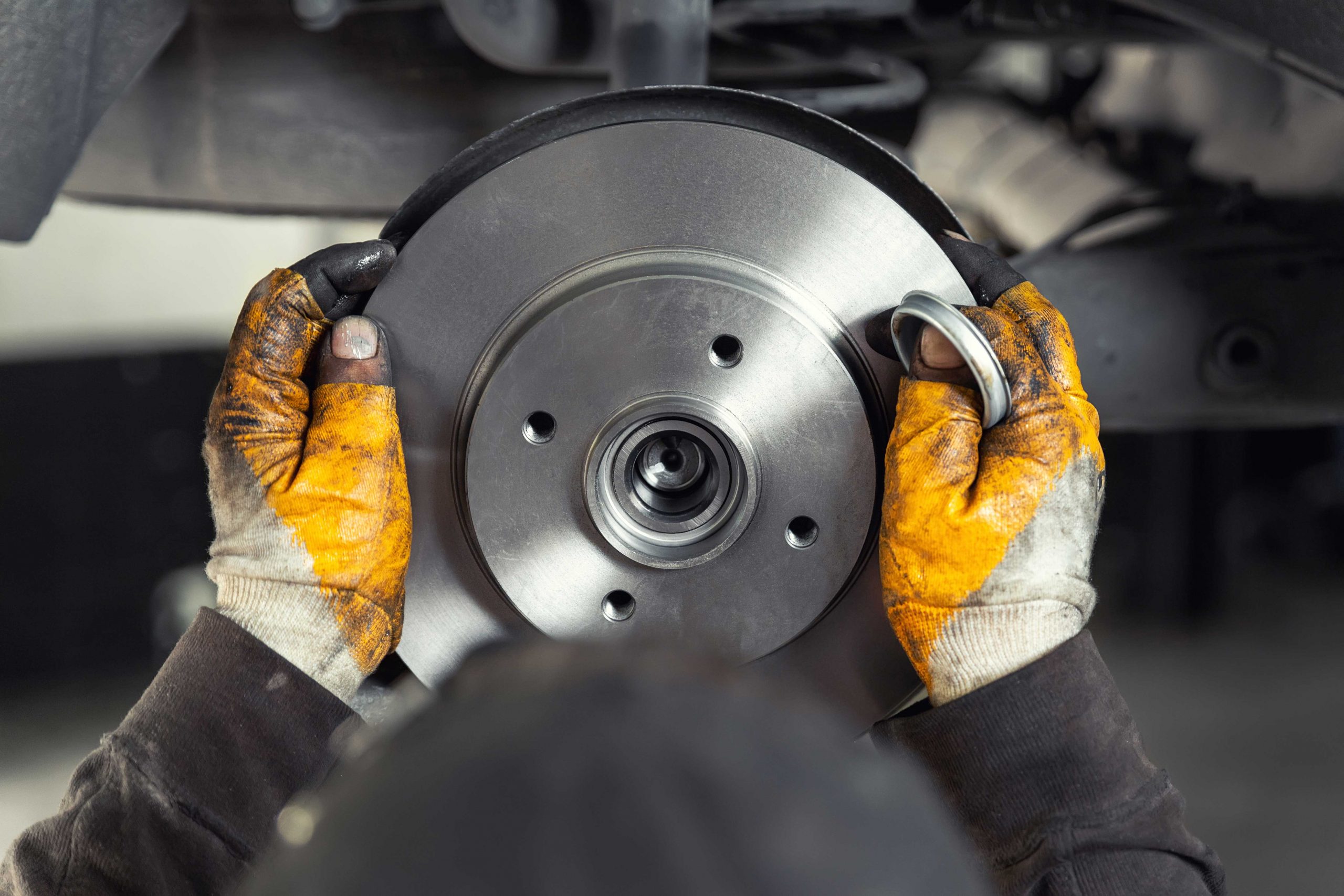
Start by placing the rotor on the wheel hub. Make sure it sits flat and even. Align any holes with the lug studs. Avoid touching the rotor surface to keep it clean. Secure the rotor with the wheel nuts or screws. Tighten them evenly to prevent wobbling.
Replacing Brake Pads
Remove the old brake pads from the caliper bracket. Check the pads for wear and damage. Slide new brake pads into the bracket carefully. Ensure the friction material faces the rotor. Do not force the pads in. They should fit snugly but smoothly.
Reattaching The Caliper
Position the caliper over the brake pads and rotor. Align it with the mounting bolts. Insert and tighten the bolts by hand first. Use a wrench to tighten bolts securely. Avoid overtightening to prevent damage. Check the caliper moves freely without binding.
Final Checks And Testing
After rotating your brake rotors, final checks and testing ensure safety and proper function. Skipping this step risks poor braking and costly repairs. Take your time to confirm everything is secure and working right. This step is key to avoid accidents and extend brake life.
Tightening Bolts
Check each bolt holding the rotor. Use a torque wrench for the correct tightness. Too loose or too tight can cause problems. Follow the vehicle manual for bolt specifications. Tight bolts keep the rotor stable and prevent wobble. Double-check all bolts before moving on.
Testing Brake Performance
Start with a slow test drive in a safe area. Press the brake pedal gently to feel for smooth stopping. Listen for unusual noises or vibrations. Test braking at different speeds to confirm consistency. If brakes feel soft or uneven, recheck the installation. Proper testing ensures your brakes work well and keep you safe.
Maintenance Tips For Longevity
Brake rotors need care to last longer and work well. Taking small steps helps prevent damage and keeps your brakes safe. Regular checks and smart driving can make a big difference in rotor life.
These tips help you save money and avoid sudden brake problems. Let’s look at simple ways to keep your brake rotors in good shape.
Regular Inspections
Check brake rotors every few months. Look for cracks, grooves, or rust. Use a flashlight to see clearly. Thin or damaged rotors must be replaced quickly. Listen for strange sounds when braking. Squeaking or grinding means a problem. Early checks stop small issues from growing. Keep rotor surfaces clean to avoid dirt build-up. Clean rotors help brake pads grip better. Inspect brake pads too, as worn pads harm rotors.
Proper Driving Habits
Drive smoothly to protect brake rotors. Avoid sudden stops and hard braking. Slow down gently to reduce rotor wear. Do not ride the brakes on long hills. Use engine braking to ease pressure on rotors. Avoid driving through water or mud that sticks to rotors. Cool down brakes after heavy use by driving slowly. This stops rotors from warping due to heat. Proper driving habits keep rotors strong and last longer.
Credit: www.r1concepts.com
Frequently Asked Questions
How Often Should Brake Rotors Be Rotated?
Brake rotors typically do not require rotation like tires. Instead, they should be inspected every 30,000 to 70,000 miles. Regular checks ensure even wear and prevent warping. Rotation is unnecessary unless specified by your vehicle’s manufacturer or if uneven wear occurs.
Can You Rotate Brake Rotors To Fix Uneven Wear?
Yes, brake rotors can be rotated if the design allows reversing sides. This can extend rotor life by using the less worn surface. However, many modern rotors are directional or have wear indicators, so check compatibility before rotating them.
What Tools Are Needed To Rotate Brake Rotors?
To rotate brake rotors, you need a jack, lug wrench, socket set, and torque wrench. Additional tools like a screwdriver or brake cleaner might be helpful. Always follow safety procedures and manufacturer guidelines when performing rotor rotation.
Is Rotor Rotation Necessary For All Vehicles?
No, rotor rotation is not necessary for all vehicles. Some models use rotors that wear evenly without rotation. Always consult your vehicle’s manual for specific maintenance recommendations regarding brake rotors.
Conclusion
Rotating brake rotors helps your car stop safely and last longer. It keeps the brake wear even on all wheels. You save money by avoiding early replacements. Regular checks make sure everything works well. Simple steps can improve your vehicle’s performance.
Stay safe by keeping your brakes in good shape. Small efforts lead to better driving control. Try to rotate rotors as part of car care. Keep your ride smooth and secure on every trip.


