

You want your car to look its best, right? Applying wax is one of the simplest ways to protect your paint and keep that shiny finish.
But here’s the question—how long should you leave wax on your car before wiping it off? If you leave it on too short, you might not get the full protection. Leave it on too long, and you could end up with streaks or a dull finish.
You’ll discover the perfect timing to get the most out of your car wax. Keep reading to learn the secret to a flawless, long-lasting shine that turns heads wherever you drive.
Choosing The Right Wax
Selecting the right wax for your car is key to a great finish. Different waxes suit different needs and paint types. Knowing what wax fits your car helps protect the paint and keeps the shine longer.
Some waxes dry fast, while others need more time. The type of wax affects how long you should leave it on. This section explains the main wax types and their drying times.
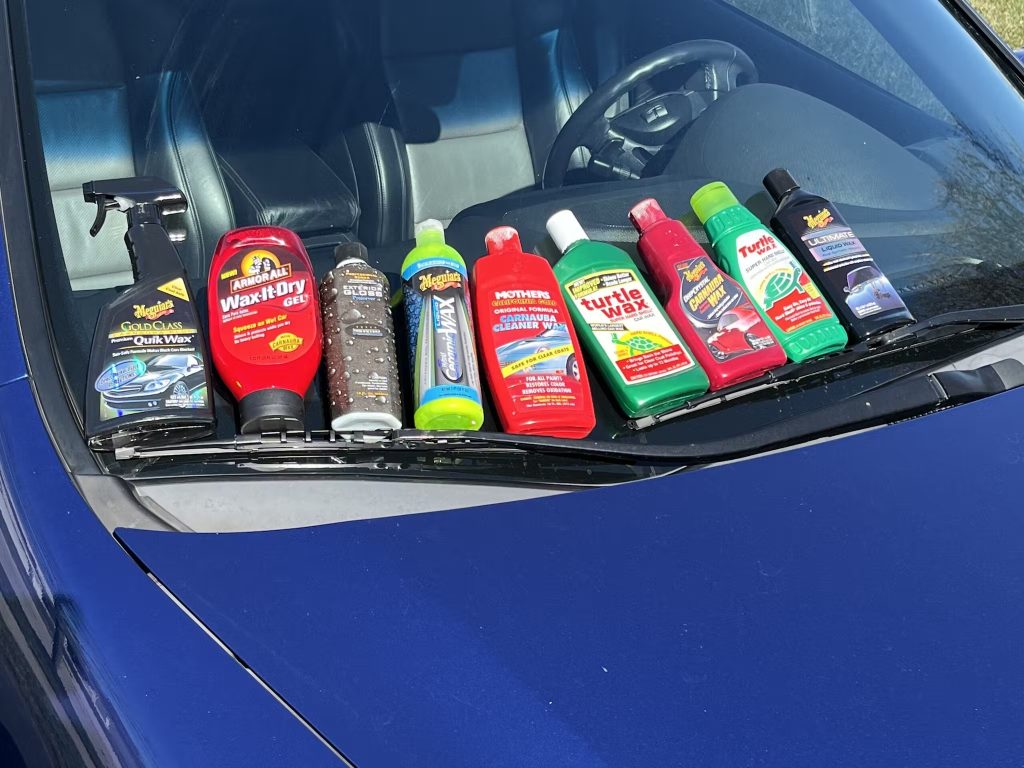
Types Of Car Wax
Car wax comes in three main types: natural, synthetic, and hybrid. Natural wax uses carnauba, a plant-based ingredient. It gives a deep shine but may wear off faster.
Synthetic wax is made from chemicals. It lasts longer and protects better against elements. Hybrid wax mixes natural and synthetic ingredients. It offers good shine and durability.
Each type suits different car owners. Choose based on your needs for shine, protection, and how often you wax.
Wax Formulations And Drying Times
Wax formulations affect how long you leave wax on your car. Paste wax takes longer to dry. Usually, it needs 10 to 15 minutes before wiping off.
Liquid wax dries faster, often in 5 to 10 minutes. Spray wax is the quickest. It can dry in a few minutes but may need more frequent application.
Check the product label for exact drying times. Proper drying ensures the wax bonds well and gives the best protection.
Factors Affecting Wax Drying Time
Wax drying time on your car depends on several important factors. These elements affect how long the wax stays wet and when it is ready to buff. Understanding these can help you get the best shine and protection for your car’s paint.
Temperature And Humidity
Temperature plays a key role in wax drying. Warm weather helps wax dry faster. Cold weather slows down the process. Humidity also matters. High humidity keeps wax wet longer. Dry air makes wax dry quicker. Check the weather before waxing your car.
Application Thickness
The thickness of the wax layer changes drying time. A thin layer dries faster. Thick layers take more time. Applying too much wax can leave sticky spots. Use a small amount for even coverage and faster drying.
Surface Conditions
Clean and dry surfaces help wax dry evenly. Dirt or moisture on the car slows drying. Freshly washed and dried cars give the best results. Make sure the surface is free from dust and water before applying wax.
Recommended Waxing Duration
Knowing the right time to leave wax on your car is key for a shiny finish. The wax needs some time to set and bond with the paint. This helps protect the surface and gives a smooth look. Leaving wax on too long or too short can affect the results.
The recommended waxing duration depends on the type of wax and weather conditions. Generally, most waxes need about 10 to 15 minutes to dry before you buff. This time lets the wax harden just enough to remove easily without smearing.
Waiting Time Before Buffing
After applying wax, wait until it looks hazy or cloudy. This usually takes around 10 to 15 minutes. In hot weather, wax can dry faster, so check sooner. In cold or humid weather, it may take longer to dry.
Touch the wax gently to test it. It should feel dry but not sticky. If it feels wet or soft, wait a few more minutes. Buffing too early can smear the wax and reduce shine.
Signs Your Wax Is Ready
Look for a dull or powdery finish on the wax layer. This shows the wax has set and is ready to buff. If the wax wipes off easily with a finger, it is ready.
Another sign is when the wax no longer feels tacky. It should feel firm but easy to remove. Use a soft cloth to buff in small circles. The wax will lift off and reveal a glossy surface underneath.
Credit: www.hagerty.co.uk
Common Waxing Mistakes
Waxing your car helps protect its paint and keeps it shiny. Doing it right matters a lot. Many car owners make common mistakes that reduce wax’s benefits. Knowing these mistakes can save your car’s finish and your time.
Leaving Wax Too Long
Wax should not stay on your car for too long. If left to dry completely, it becomes hard to remove. This makes wiping off the wax difficult and can leave streaks or spots. Old wax can also trap dirt and dust. It may harm the paint instead of protecting it. Check the wax instructions to know the right time to remove.
Removing Wax Too Early
Removing wax too soon is also a mistake. Wax needs time to bond with the paint. Wiping it off too early means the wax is not fully set. The car will not get full protection or shine. The wax may come off unevenly, causing dull patches. Wait for the wax to haze or follow the product’s timing guide.
Step-by-step Waxing Process
Waxing your car protects its paint and gives it a shiny finish. Follow these simple steps to wax your car properly. Taking time on each step helps you get the best results. Here is the step-by-step waxing process you can follow.
Preparing The Car Surface
Start by washing your car thoroughly. Remove dirt, dust, and grime from the surface. Dry the car completely with a clean towel. Check for any paint chips or scratches. Fix these before waxing to avoid trapping dirt. A clean surface helps wax stick better and last longer.
Applying Wax Correctly
Use a small amount of wax on a foam applicator pad. Apply wax in small, circular motions. Work on one section at a time, about two feet wide. Keep the layer thin and even. Avoid putting too much wax; it takes longer to dry. Follow the instructions on your wax container for best results.
Buffing Techniques
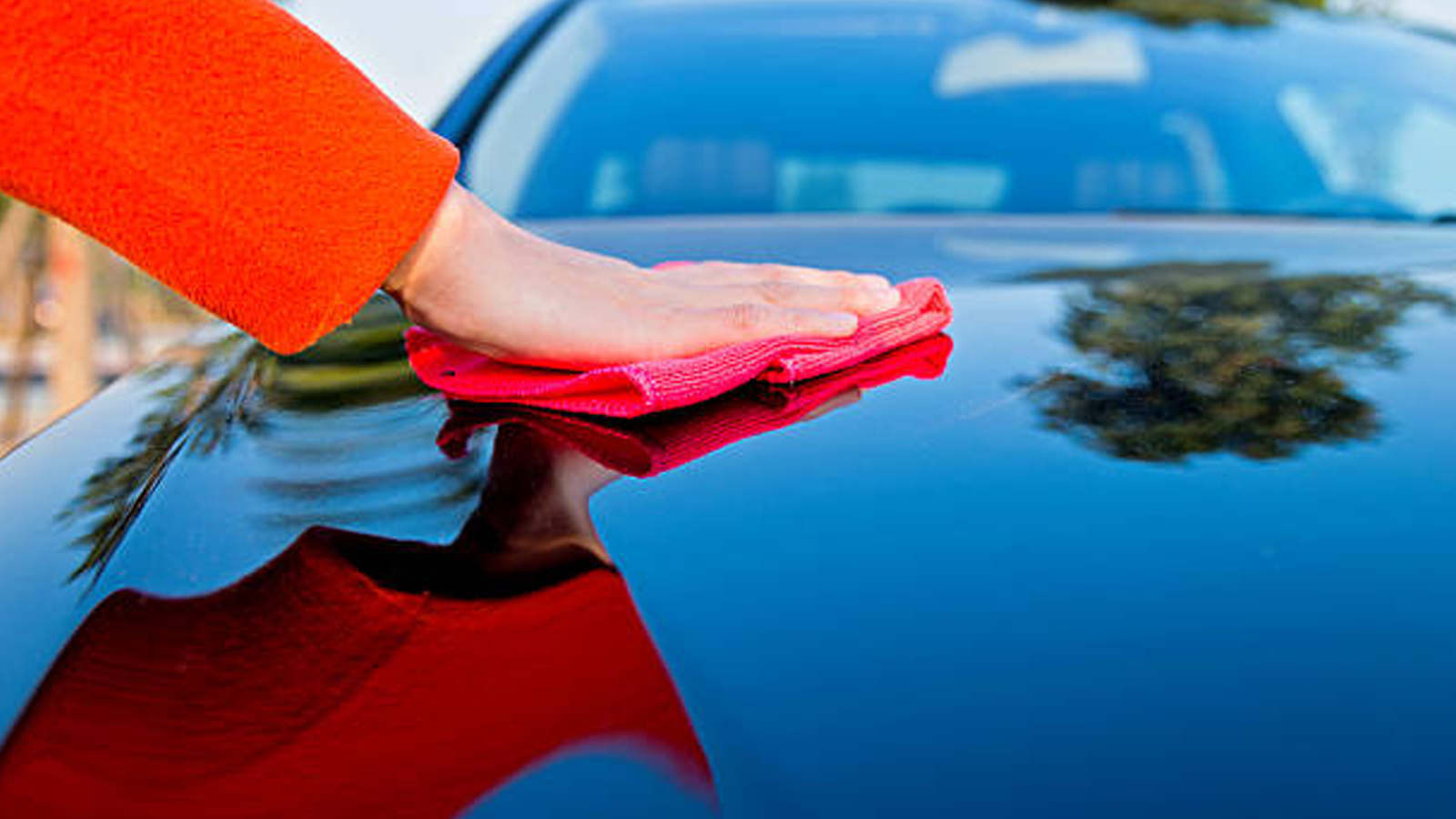
Wait for the wax to dry until it looks hazy. This usually takes 5 to 10 minutes. Use a clean microfiber cloth to buff the wax off. Buff in gentle, circular motions. This removes excess wax and brings out the shine. Make sure to cover all waxed areas evenly. Repeat buffing until the surface feels smooth and glossy.
Credit: carfromjapan.com
Maintaining Wax Protection
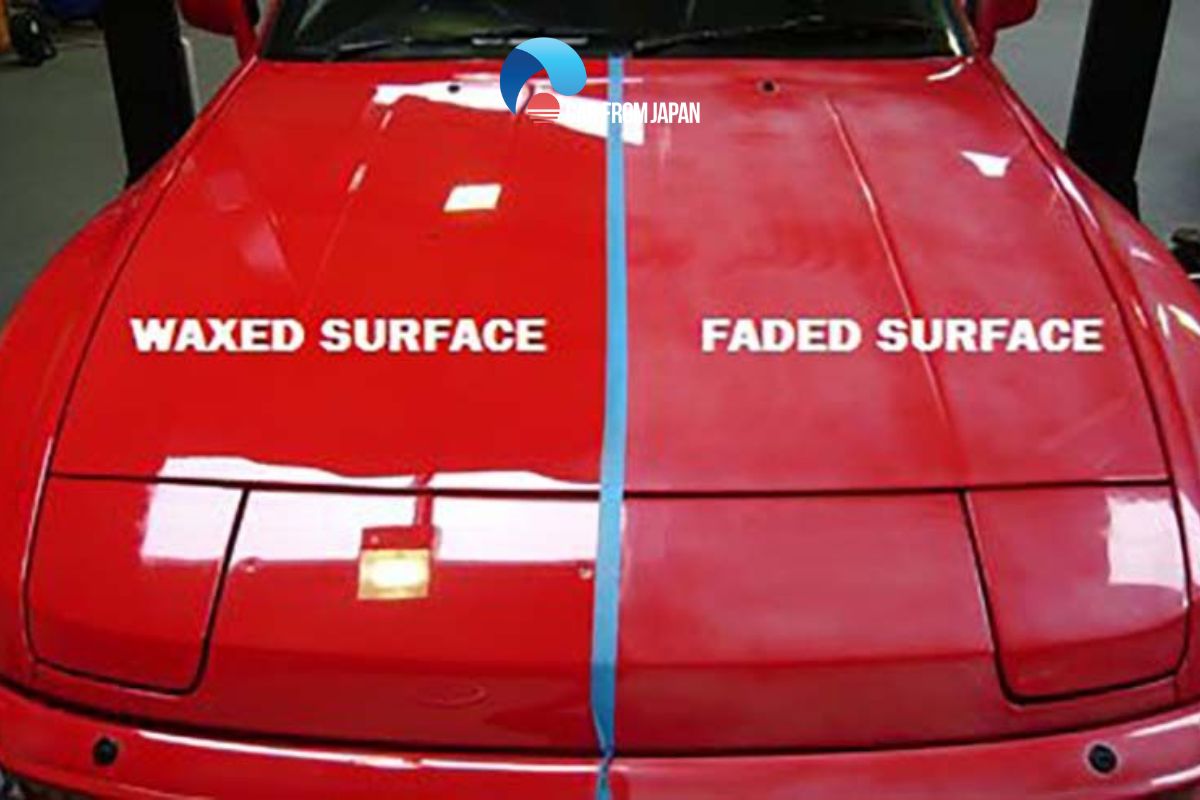
Maintaining wax protection on your car helps keep its shine and guard against damage. Wax creates a barrier that repels dirt, water, and UV rays. But this protection fades over time. Regular care helps extend the life of the wax and keeps your car looking fresh.
Simple steps can keep the wax layer strong. Knowing how often to wax and when to touch up makes a big difference. These small efforts protect your car’s paint and save you money on repairs.
Frequency Of Waxing
Wax your car every three to four months. This keeps the protective layer fresh and effective. In harsh weather or heavy sun, wax more often. Check the shine and water beading on your car’s surface. When water stops beading, it’s time to wax again.
Touch-up Tips
For quick touch-ups, use spray wax between full wax jobs. Spray wax adds a thin protective layer and boosts shine. Clean the car first to avoid trapping dirt under the wax. Apply spray wax in small sections and wipe off with a soft cloth. This keeps the wax layer even and smooth.
Credit: www.chemicalguys.com
Frequently Asked Questions
How Long Should Car Wax Dry Before Buffing?
Car wax typically needs 10 to 15 minutes to dry. It forms a haze that indicates readiness. Buff gently with a microfiber cloth for best results. Avoid leaving wax on too long as it becomes hard to remove.
Can Leaving Wax Too Long Damage Car Paint?
Yes, leaving wax too long can cause residue buildup. This makes removal difficult and may dull the paint. Always follow the product’s recommended drying time. Proper removal preserves the car’s shine and paint health.
How Often Should You Wax Your Car?
Wax your car every 3 to 4 months for optimal protection. Frequency depends on climate, usage, and wax type. Regular waxing maintains shine and protects against UV rays and contaminants. Adjust schedule based on your car’s exposure.
Does Temperature Affect Wax Drying Time?
Yes, temperature impacts wax drying time significantly. Warmer conditions speed up drying; cooler weather slows it down. Apply wax in shaded, moderate temperature areas for best results. Follow product instructions for ideal drying times.
Conclusion
Wax should stay on your car just long enough to dry properly. Usually, this takes about 10 to 15 minutes. Leaving wax on too long makes it hard to remove. Removing it too soon means it won’t protect well. Always follow the instructions on your wax product.
This helps protect your car’s paint and shine. Regular waxing keeps your car looking new and clean. A little care goes a long way. Wax your car right, and it will thank you with a lasting shine. Simple steps, great results.


