

You’ve just applied a fresh coat of wax to your car, and it looks amazing. But now you’re wondering—how long does it take for that wax to fully cure?
Knowing the right wait time is key to protecting your car’s shine and getting the best results. If you rush it, your hard work might not last as long as you hoped. Stick with me, and I’ll walk you through everything you need to know about curing times, so your car stays glossy and protected for miles to come.
Types Of Car Wax
Car wax comes in various types that affect how long it takes to cure. Choosing the right wax depends on your needs and preferences. Understanding the differences helps you get the best shine and protection for your vehicle.
Natural Vs Synthetic Waxes
Natural waxes come from carnauba, a plant-based substance. They give a warm, deep shine and protect well in sunlight. Natural wax usually takes longer to cure. Synthetic waxes are made from chemicals. They dry faster and last longer on the paint. Synthetic waxes offer strong protection against dirt and water.
Liquid, Paste, And Spray Forms
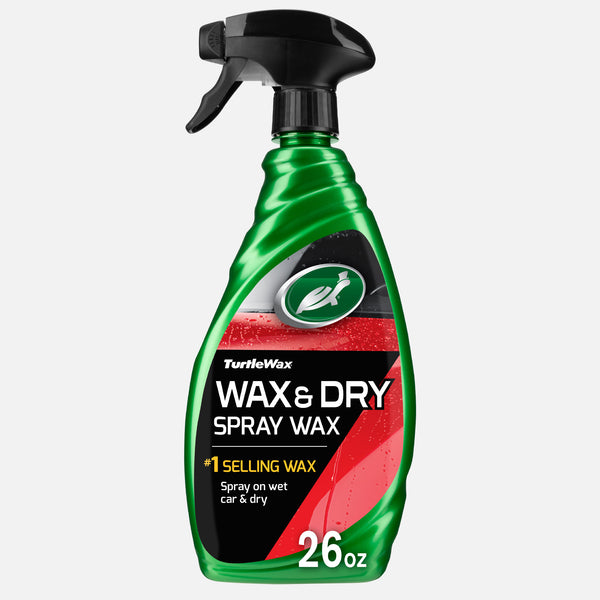
Car wax is available as liquid, paste, or spray. Paste wax is thick and needs more time to cure. It often offers the best protection and shine. Liquid wax spreads easily and cures faster than paste. It suits quick applications. Spray wax is the fastest to apply and dries quickly. It provides a lighter shine and is good for touch-ups.
Credit: www.turtlewax.com
Factors Affecting Cure Time
The time it takes for car wax to cure varies. Several factors influence this process. Understanding these can help achieve the best shine and protection for your vehicle. Below are key elements that affect how quickly wax cures on your car’s surface.
Temperature And Humidity
Temperature plays a big role in wax curing speed. Warm weather helps wax dry faster. Cold temperatures slow down the process. Humidity also affects curing time. High humidity means more moisture in the air. This can delay drying and curing. Low humidity allows the wax to harden quicker.
Wax Thickness And Application Method
Applying wax too thick can extend curing time. A thin, even layer dries and cures faster. The method of application matters too. Using a foam applicator spreads wax smoothly. Hand rubbing helps control thickness. Spray waxes tend to cure quicker than paste waxes.
Surface Preparation
Clean and dry surfaces improve wax adhesion. Dirt or oil can slow curing. Washing and drying the car before waxing is essential. Using clay bars removes embedded contaminants. Proper prep ensures the wax bonds well and cures evenly.
Typical Cure Times
Car wax cure time varies based on the type of wax used. This time affects how well the wax protects and shines your car. Knowing cure times helps you plan your car care routine better. Some waxes dry fast, while others need hours to fully cure. Weather and temperature also influence curing speed.
Understanding typical cure times will help you choose the right wax for your needs. Let’s explore how different waxes behave after application.
Quick-dry Waxes
Quick-dry waxes dry within minutes. They allow you to finish waxing and buffing fast. These waxes are good for busy days or quick touch-ups. They usually cure in about 30 minutes to 1 hour. Their formula is lighter and easier to apply. Quick-dry waxes offer decent protection but may not last as long.
Traditional Waxes
Traditional car waxes take longer to cure. Usually, they need 1 to 3 hours to set properly. Some natural waxes, like carnauba, might need even more time. These waxes create a deep shine and strong protection. Waiting for full cure time ensures the best results. Patience pays off with a lasting glossy finish.
Sealants Vs Waxes
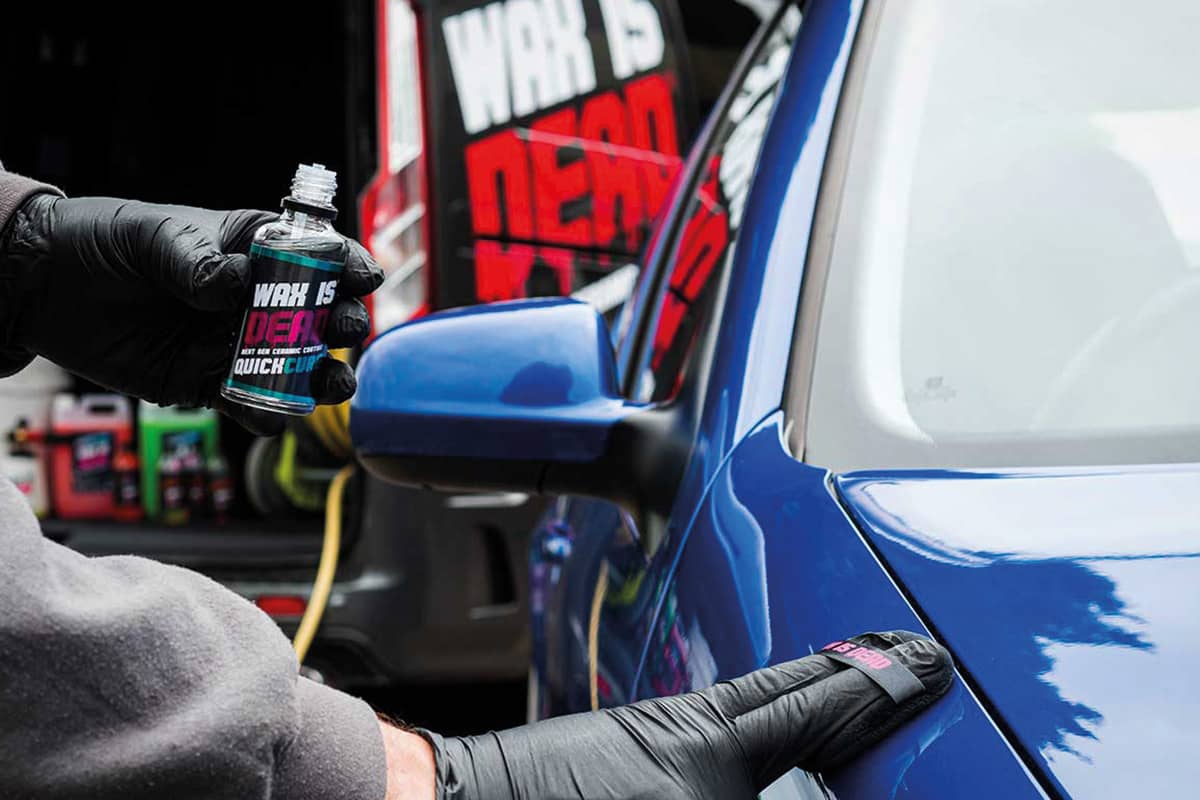
Sealants cure faster than traditional waxes. They typically dry in 20 to 40 minutes. Sealants form a hard protective layer on the paint. Waxes tend to soak into the paint more gently. Sealants last longer but may not give the same shine. Choosing between them depends on your care goals and time.
Credit: waxisdead.com
Signs Wax Has Fully Cured
Knowing the signs that car wax has fully cured helps protect your paint better. Cured wax creates a strong shield against dirt and water. It also gives a smooth, shiny look that lasts longer. You can check curing by observing changes in appearance and texture. Another simple way is the water beading test.
Appearance And Texture Changes
Fully cured wax looks different from fresh wax. It appears smooth and even on the car surface. The wax feels hard, not sticky or soft to touch. The shine is deep and glossy, not dull or cloudy. These changes show the wax has bonded well with the paint. If the wax still looks wet or feels tacky, it needs more time to cure.
Water Beading Test
Water beading shows how well the wax protects your car. After curing, water forms small round beads on the surface. This means the wax repels water effectively. If water spreads out or forms flat patches, the wax is not fully cured. Spray or pour water gently on the car to check. Well-cured wax keeps the paint cleaner and safer from damage.
Tips To Speed Up Curing
Car wax needs time to cure properly for the best protection and shine. You can help speed up this process with some simple tips. These tips focus on the environment and handling your car after waxing. Follow them to get faster results and a lasting finish.
Ideal Environmental Conditions
Warm temperatures help wax cure faster. Aim for a day with temperatures between 60°F and 80°F. Avoid very hot or cold weather. Low humidity also speeds up curing. Dry air helps wax harden quickly. Sunlight can help but avoid direct midday sun. Morning or late afternoon light works best.
Using Fans Or Shade
Fans increase air circulation around your car. This helps the wax dry faster. Place a fan near the vehicle but not too close. Shade protects the wax from harsh sunlight. It prevents the wax from drying unevenly. Use a covered area with good airflow for best results.
Avoiding Washing Or Exposure
Keep your car dry after waxing. Avoid washing it for at least 48 hours. Water can soften the wax and delay curing. Also, avoid rain or heavy dew. Dust and dirt can stick to the wet wax. Protect your car from these elements until fully cured.
Credit: www.ebay.com
Common Mistakes To Avoid
Waxing your car is a simple task but some mistakes can reduce its effect. These errors often cause the wax not to cure properly. Avoiding them helps your car shine longer and stay protected.
Applying Too Much Wax
Using too much wax makes it hard to cure. The excess wax stays sticky and attracts dust. It also takes longer to dry and can leave streaks. A thin, even layer works best for quick curing and a smooth finish.
Waxing In Direct Sunlight
Applying wax under the sun heats the surface quickly. This causes the wax to dry unevenly or too fast. It can leave spots and make curing incomplete. Work in the shade or a cool place for the best results.
Not Allowing Enough Cure Time
Rushing to wipe off wax before it cures wastes your effort. Each wax needs time to harden and bond with the paint. Check the product instructions for cure time and wait fully before buffing. Patience leads to a stronger, longer-lasting shine.
Maintaining Wax After Curing
Maintaining wax after curing is key to keeping your car’s shine and protection. The wax forms a hard, protective layer on the paint. This layer needs care to last longer and work well.
Proper care helps the wax resist dirt, water, and UV rays. It also keeps the car looking clean and fresh. Two important steps in wax maintenance are proper washing and timely reapplication.
Proper Washing Techniques
Use a gentle car wash soap made for waxed surfaces. Avoid harsh detergents or household cleaners. These can strip the wax off quickly.
Wash the car by hand with a soft sponge or mitt. Rinse with clean water to remove soap. Dry the car with a soft towel or microfiber cloth. This prevents water spots and wax damage.
Wash the car regularly but not too often. Over-washing can wear down the wax layer. Try to wash every two weeks or as needed.
Reapplying Wax
Wax wears off after some time, even with good care. Reapply wax every three to four months. This keeps the protective layer strong and shiny.
Clean the car before reapplying wax. Remove any dirt or old wax residue. Apply a thin, even coat of wax with a soft cloth or applicator.
Let the wax dry as per the product instructions. Buff it gently with a clean microfiber cloth. This restores the shine and protection.
Regular reapplication ensures your car stays protected from elements. It also maintains a smooth, glossy surface for longer.
Frequently Asked Questions
How Long Does Car Wax Take To Cure Fully?
Car wax typically takes 24 to 48 hours to cure completely. During this time, avoid washing or exposing your car to rain. Proper curing allows the wax to harden and bond with the paint, enhancing durability and shine.
Can I Drive My Car Immediately After Waxing?
It is best to wait at least 1 to 2 hours before driving. This allows the wax to set and prevents dust or debris from sticking. For full curing and maximum protection, avoid washing or heavy exposure to elements for 24-48 hours.
Does Temperature Affect Car Wax Curing Time?
Yes, warmer temperatures speed up curing, while cold slows it down. Ideal curing occurs between 60°F to 80°F (15°C to 27°C). Avoid waxing in direct sunlight or extreme cold for best results and faster curing.
How To Know When Car Wax Is Fully Cured?
The wax will feel hard and smooth, with no tackiness. The surface should have a deep shine and repel water effectively. If wax feels soft or sticky, it needs more curing time before exposure to elements.
Conclusion
Car wax usually takes a few hours to cure fully. This curing time helps the wax bond well with your car’s surface. Avoid washing or touching your car during this period. Proper curing leads to better shine and longer protection.
Keep your car in a shaded, dry area while the wax cures. Patience pays off with a smooth, glossy finish. Remember, curing time depends on the wax type and weather conditions. Follow the product instructions carefully for the best results.
Your car will thank you with a fresh, protected look.


