

You’ve just applied a fresh coat of wax to your car, and now you’re wondering: how long should you wait before buffing it off? Waiting too little or too long can affect the shine and protection you want.
Getting the timing right is key to making your car look its best and keeping that glossy finish longer. You’ll discover exactly how long to let your car wax dry before buffing, along with simple tips to help you achieve a flawless, showroom-quality shine every time.
Keep reading—you’re just moments away from mastering the perfect wax!
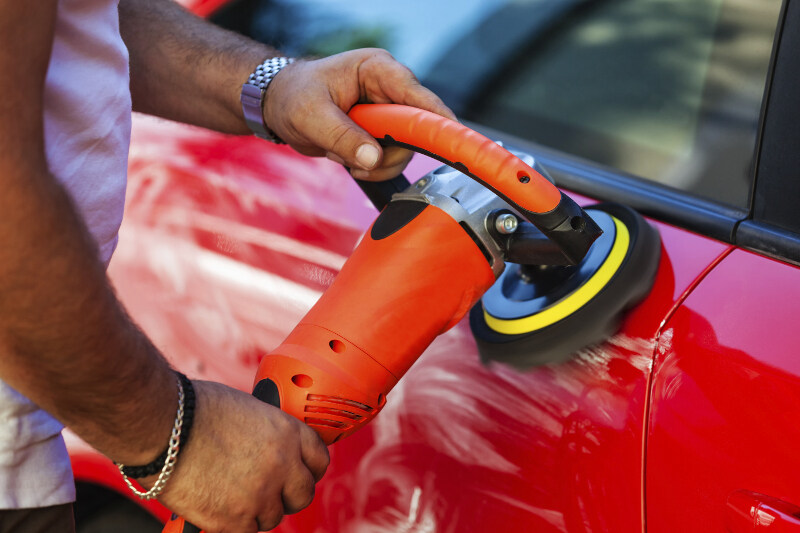
Credit: www.carwash.com
Wax Drying Basics
Wax drying is an important step in car care. It helps protect the paint and gives the car a shiny look. Knowing how long to let wax dry before buffing can improve your results. This section explains the basics of wax drying to help you get the best finish.
What Happens During Wax Drying
After applying wax, it starts to dry on the car’s surface. The wax forms a thin, protective layer. This layer traps dirt and water, protecting the paint. As it dries, the wax becomes harder and less sticky. This makes it ready for buffing. Buffing removes excess wax and brings out the shine.
Factors Affecting Drying Time
Drying time depends on several things. Temperature plays a big role. Warm weather helps wax dry faster. Cold or humid conditions slow the process. The type of wax matters too. Some waxes dry quickly, while others take longer. The thickness of the wax layer also affects drying. Thicker layers need more time before buffing. Always check the wax instructions for the best drying time.
Ideal Drying Time For Different Waxes
Different car waxes need different drying times before buffing. Knowing the right wait time helps achieve a shiny, smooth finish. It prevents smudges and streaks on your car’s surface. The drying time depends on the wax type and its formula.
Some waxes dry fast, while others take longer. Understanding these differences saves time and effort. Here is a simple guide to drying times for common wax types.
Liquid Wax Drying Time
Liquid wax usually dries faster than paste wax. It takes about 5 to 10 minutes to dry. The surface will look hazy or cloudy when it is ready. Buff the wax gently with a clean cloth once the haze appears. Avoid waiting too long or the wax can become hard to remove.
Paste Wax Drying Time
Paste wax takes longer to dry than liquid wax. It needs about 15 to 30 minutes to dry. The wax looks cloudy and dull when ready. Wait for this haze before buffing for best results. If you buff too soon, the wax may smear or leave streaks.
Spray Wax Drying Time
Spray wax dries the fastest among all wax types. It usually dries within 2 to 5 minutes. The surface feels dry to touch but not sticky. Spray wax often needs a light buff to shine. Quick drying saves time but requires working in small sections.
Environmental Impact On Wax Drying
The environment around your car affects how wax dries. Different weather conditions change the drying time. Knowing these effects helps you get the best shine. It also protects your car’s paint better. Let’s explore how temperature, humidity, and sunlight impact wax drying.
Temperature Effects
Temperature plays a big role in wax drying. Warm air makes wax dry faster. Cold air slows down the process. Extreme heat can cause wax to dry too quickly. This might leave streaks or spots. Ideal temperatures are between 60°F and 80°F. At these levels, wax sets evenly and smoothly.
Humidity Considerations
Humidity means how much moisture is in the air. High humidity slows wax drying. Moist air keeps wax soft longer. This makes buffing take more time. Low humidity helps wax dry faster. Dry air pulls moisture from the wax quickly. Check the humidity before waxing your car.
Sunlight And Shade Influence
Sunlight speeds up wax drying. Direct sun warms the car surface. Wax hardens faster under sunlight. But too much sun can cause uneven drying. Shade keeps the car cooler. Wax dries slower in shade but more evenly. Choose a spot with mild sunlight or partial shade.

Credit: mothers.com
Tips For Knowing When Wax Is Ready
Knowing when car wax is ready to buff is key for a shiny finish. Too soon, and you risk smudging. Too late, and the wax may be hard to remove. Simple tips can help you decide the perfect time to start buffing. Watch your wax closely and use your senses to guide you.
These tips keep the process easy and effective. Watch for visual cues, try touch tests, and avoid common mistakes. This way, you get the best results without frustration.
Visual Indicators
Watch the wax color change as it dries. It usually shifts from shiny to a dull, hazy look. This change means the wax is set and ready to buff. Avoid waiting until the wax cracks or flakes. That means it is too dry and may not buff evenly.
Touch Test Methods
Gently touch the wax surface with a finger. It should feel dry and slightly tacky but not sticky. If your finger picks up wax, wait longer. A light touch test helps confirm the wax is ready without damage. Always test a small spot first to be safe.
Common Mistakes To Avoid
Do not rush to buff immediately after applying wax. This causes streaks and uneven shine. Avoid waiting too long, or the wax hardens and becomes hard to remove. Do not apply thick layers of wax at once. It takes longer to dry and can cause uneven buffing.
Buffing Techniques After Wax Drying
Buffing is a key step after letting car wax dry. It removes excess wax and brings out the shine. Proper buffing protects the car’s paint and gives a smooth finish. Using the right tools and techniques helps get the best results.
Tools For Buffing
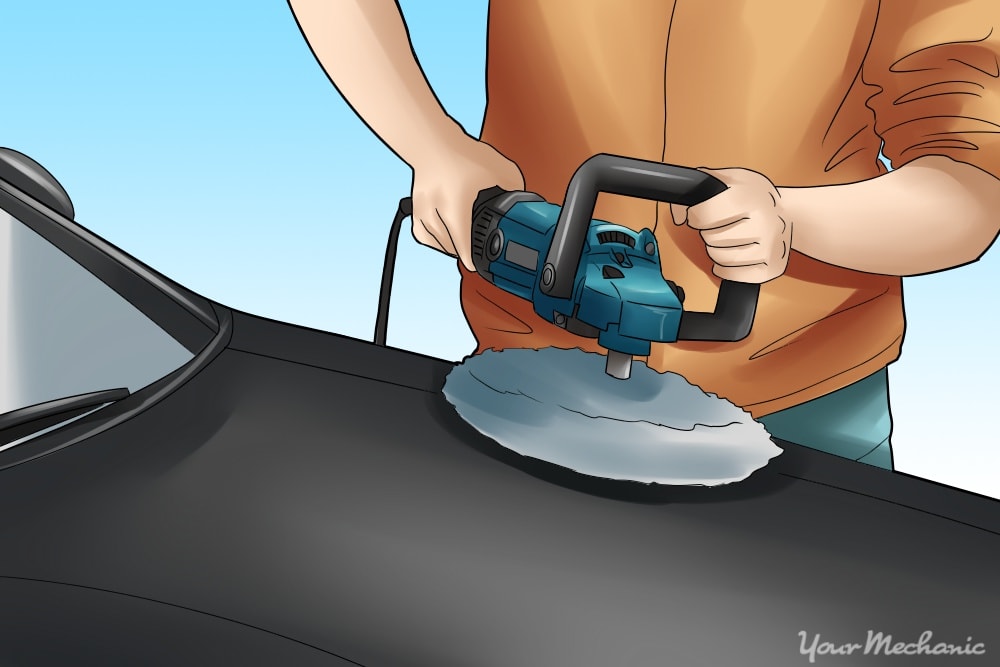
Use a clean, soft microfiber cloth for buffing. Avoid rough materials that can scratch the paint. Foam applicator pads work well for small areas. Some prefer an electric buffer for large surfaces. Choose tools that feel comfortable and easy to control.
Step-by-step Buffing Process
Start by gently rubbing the wax in small circles. Use light pressure to avoid removing too much wax. Buff until the white haze disappears and the surface shines. Flip the cloth often to use a clean side. Work section by section for even coverage.
Maintaining A Smooth Finish
After buffing, check for streaks or missed spots. Use a fresh cloth to smooth any uneven areas. Avoid buffing too hard to keep the wax layer intact. Finish with a gentle wipe to remove dust or lint. Regular maintenance keeps the car looking glossy and new.
Credit: www.yourmechanic.com
Troubleshooting Wax Drying Issues
Car wax can sometimes dry incorrectly. This causes problems when buffing. Knowing common issues helps fix wax drying problems fast. Here are three common wax drying issues and how to handle them.
Wax Remaining Sticky
Sticky wax means it has not dried fully. This often happens if the wax layer is too thick. Thin layers dry better and faster. Also, wax may stay sticky in cold or humid weather. Try waiting a little longer before buffing. Use a soft cloth to check dryness. Avoid rubbing too hard or it can remove wax.
Uneven Drying Spots
Uneven drying shows as patches of wet and dry wax. This happens when wax is applied unevenly. Some areas get too much wax, others too little. Apply wax in small sections. Use circular motions for even coverage. Buff each section before moving on. This prevents uneven drying and gives a smooth shine.
Wax Flaking Or Powdering
Flaking or powdering wax looks like white spots or dust. It means the wax dried too long or was applied too thick. Buff gently to remove flakes. Avoid applying extra layers on top. Use thinner layers and buff sooner next time. Proper timing stops wax from flaking and keeps the car shiny.
Frequently Asked Questions
How Long Should Car Wax Dry Before Buffing?
Typically, car wax needs 10 to 15 minutes to dry before buffing. This allows the wax to haze and bond properly with the paint. Drying time may vary depending on the wax type and weather conditions, so always follow the product instructions.
What Happens If You Buff Car Wax Too Early?
Buffing too early can smear the wax and reduce its protective effect. The wax may not bond well with the paint, leading to uneven shine and streaks. Waiting for the proper drying time ensures a smooth, glossy finish and longer-lasting protection.
Can I Speed Up Car Wax Drying Time?
Yes, drying time can be sped up by waxing in a shaded, cool area. Avoid direct sunlight and high temperatures, which can cause uneven drying. Using a clean microfiber cloth helps in efficient buffing after the wax has properly dried.
Is It Necessary To Let Wax Fully Dry Before Buffing?
Yes, letting wax fully dry is crucial for optimal results. Fully dried wax forms a haze that buffing removes, revealing a shiny finish. Buffing too soon or too late can affect the wax’s performance and the car’s appearance.
Conclusion
Let the car wax dry until it feels hazy or dull. This usually takes about 10 to 15 minutes. Avoid buffing too soon or too late for best results. Buff gently with a clean, soft cloth in small circles. This brings out the shine and protects your car’s paint.
Regular waxing keeps your car looking fresh and guards against dirt. Patience during drying time makes all the difference. A little care goes a long way in maintaining your car’s beauty.


