

Are your brakes making noise or feeling less responsive? You might be wondering, “How much will it cost to fix my rotors and brakes?”
Understanding the repair costs can save you from unexpected expenses and keep your car safe on the road. You’ll discover clear answers about what affects the price and how to spot when it’s time to get your brakes fixed. Keep reading to protect your wallet and your safety without any surprises.
Credit: www.aaa.com
Brake System Basics
The brake system is one of the most important parts of any vehicle. It helps you stop safely and avoid accidents. Understanding the basics of brakes and rotors can save money and keep you safe on the road.
Brakes work with rotors to slow down or stop the car. Both parts wear out over time and need repair or replacement. Knowing how they function and signs of wear helps you know when to fix them.
Function Of Rotors And Brakes
Rotors are metal discs attached to the wheels. When you press the brake pedal, brake pads squeeze the rotors. This creates friction that slows down the wheels. Without rotors, brakes cannot stop the car smoothly.
Brake pads press against the rotors to stop the car. They wear down after many uses and need replacement. Both rotors and brake pads work together for safe braking.
Signs Of Rotor And Brake Wear
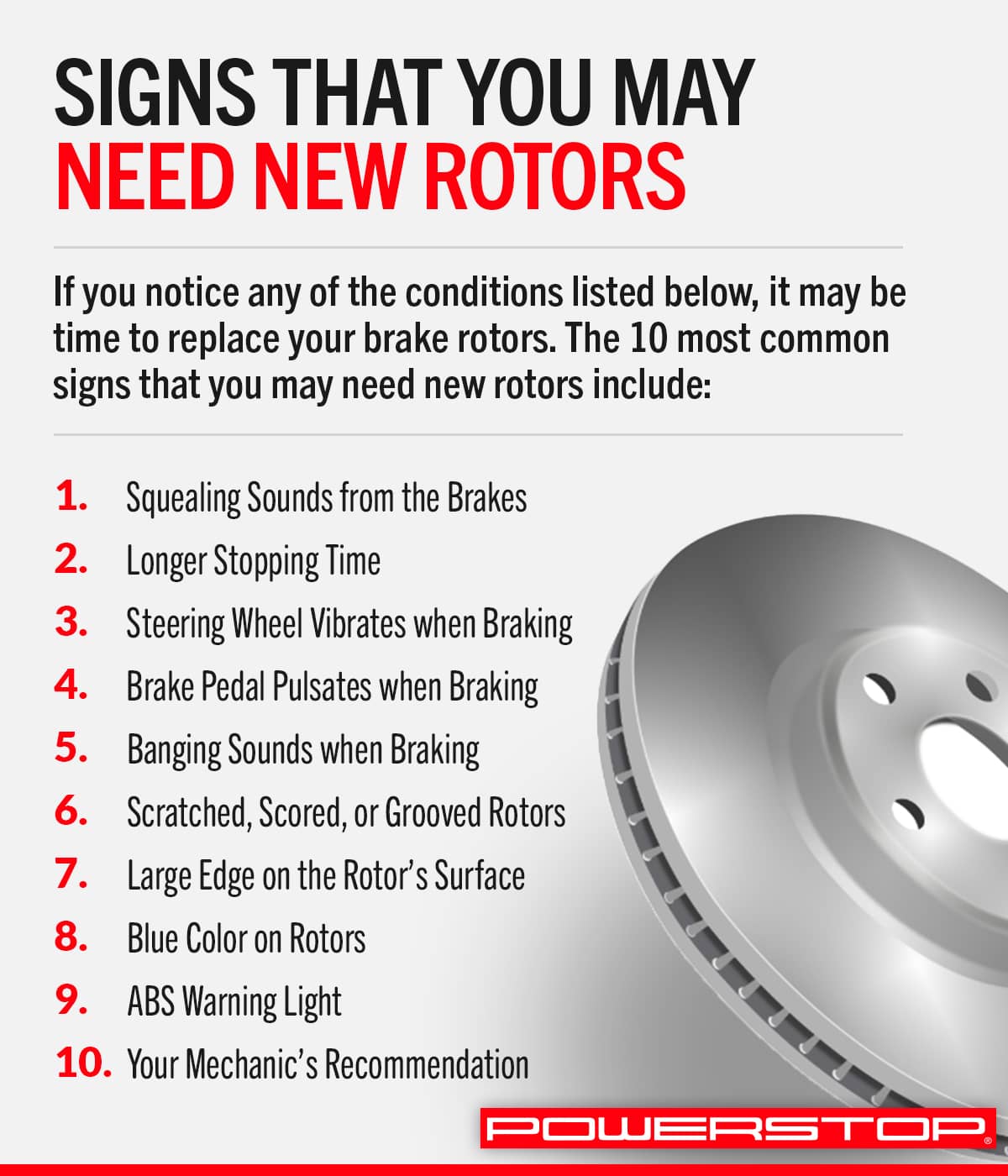
You might hear squealing or grinding noises when braking. This can mean the brake pads or rotors are worn out. Another sign is vibration or shaking in the steering wheel when you brake.
Longer stopping distances or a soft brake pedal also show brake problems. Check your brakes regularly to avoid dangerous situations. Early repair saves money and increases safety.
Credit: www.powerstop.com
Rotor Replacement Costs
Rotor replacement is a common repair when brakes start to wear out. Rotors work with brake pads to stop your car safely. Over time, rotors can get thin, warped, or cracked. Replacing them keeps your brakes working well and prevents damage to other parts. Understanding the costs helps you plan your car maintenance budget.
Factors Influencing Rotor Prices
Rotor prices vary based on several factors. The material of the rotor affects the cost. Standard rotors cost less than high-performance or coated types. The brand also matters—some brands charge more for better quality. Labor costs depend on the mechanic and location. The condition of other brake parts can increase the total price.
Average Cost Range For Rotors
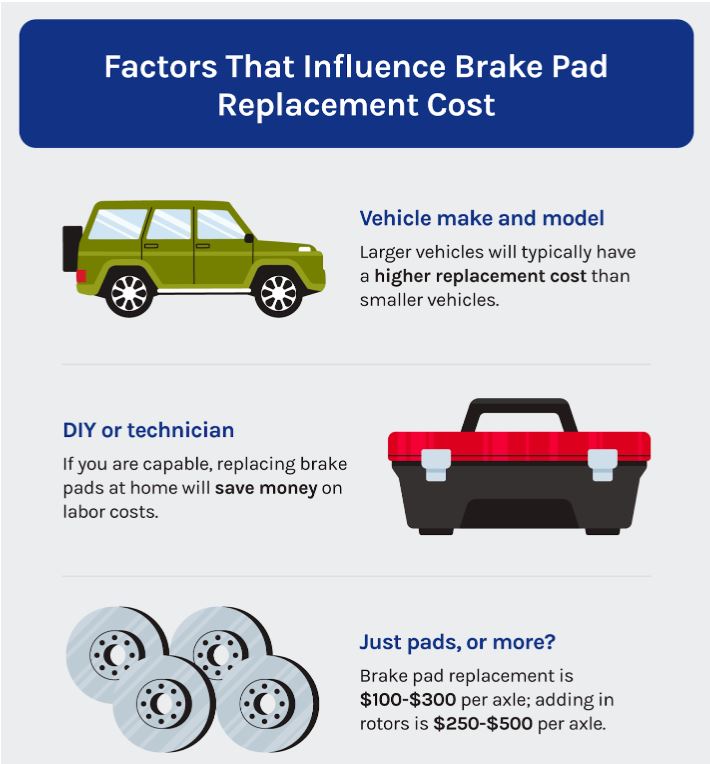
Most rotor replacements cost between $150 and $300 per axle. This price includes parts and labor. Simple rotors for small cars fall near the lower end. Larger vehicles or premium rotors tend to be at the higher end. Sometimes, you only replace one rotor, but usually, both on an axle get replaced.
Cost Differences By Vehicle Type
Car type greatly impacts rotor replacement prices. Small cars have cheaper rotors and easier installation. Trucks and SUVs often need larger, more expensive rotors. Luxury and sports cars require special rotors that cost more. Off-road and heavy-duty vehicles have robust rotors that add to the price. Checking your vehicle’s needs helps estimate costs better.
Brake Pad Replacement Costs
Brake pad replacement is a common part of car maintenance. It keeps your vehicle safe and stops it smoothly. Knowing the costs helps you plan your budget. Prices depend on the type of pads and the quality you choose. Understanding these factors makes it easier to decide on repairs.
Types Of Brake Pads
There are three main types of brake pads: organic, semi-metallic, and ceramic. Organic pads are soft and quiet but wear out fast. Semi-metallic pads last longer and cool well but make more noise. Ceramic pads are quiet, last long, and create less dust. Each type suits different driving styles and budgets.
Price Variations And Quality
Brake pad prices vary by material and brand. Organic pads cost less but need frequent replacement. Semi-metallic pads are mid-range in price and durability. Ceramic pads are the most expensive but offer the best performance. Cheaper pads might save money now but wear out quickly. High-quality pads improve safety and last longer.
Cost Estimates For Pads Replacement
On average, brake pad replacement costs between $100 and $300 per axle. Organic pads usually cost $100 to $150. Semi-metallic pads range from $150 to $200. Ceramic pads can cost $200 to $300 or more. Labor charges add $80 to $120 depending on the shop. Always ask for a clear price before work begins.
Labor And Service Charges
Labor and service charges make up a big part of the cost to fix rotors and brakes. These fees pay for the time and skill of the mechanic. Understanding these charges helps you plan your budget better. The price depends on the shop, your vehicle, and the job’s difficulty.
Typical Labor Costs
Most brake and rotor repairs take one to two hours. Labor rates vary from $70 to $150 per hour. Simple jobs like brake pad replacement cost less. Complex repairs with rotor replacement cost more. Shops may charge extra for brake fluid flush or inspection.
Dealership Vs Independent Shops
Dealerships usually charge higher labor rates. Their rates can be $100 to $200 per hour. They use factory parts and have certified technicians. Independent shops often charge $70 to $120 per hour. Their prices are lower but quality can vary. Choose a shop with good reviews and fair prices.
Diy Vs Professional Repair Costs
Doing the job yourself saves labor costs. Parts like rotors and pads may cost $50 to $150 each. You need tools and some experience. Mistakes can cause damage or safety risks. Professionals have tools and skills for safe, fast repair. Their labor charges cover all this expertise.
Additional Repair Expenses
Fixing rotors and brakes can involve costs beyond just parts and labor. Some additional repairs may be needed to ensure your brake system works well. These extra expenses can affect your total bill.
Brake Fluid Replacement
Brake fluid wears out over time. It can get dirty or absorb moisture. Old brake fluid reduces braking power and can cause damage. Replacing brake fluid costs about $70 to $120. This service helps keep brakes safe and responsive.
Caliper Repairs And Costs
Calipers hold brake pads against the rotors. They can stick or leak, causing uneven braking. Repairing or replacing calipers may cost between $150 and $300 each. Fixing calipers improves brake performance and avoids further damage.
Other Potential Brake System Repairs
Brake hoses, sensors, and hardware may also need fixing. Worn brake hoses can leak fluid and cause failure. Sensors control anti-lock brakes and may fail over time. Replacing these parts can add $50 to $200 to the bill. Checking all brake components ensures safe driving.
Cost-saving Tips
Fixing rotors and brakes can be costly without proper planning. Saving money starts with smart choices. Understanding when to replace parts, selecting good quality pieces, and keeping up regular maintenance can lower expenses. These steps keep your vehicle safe and your wallet happy.
When To Replace Rotors And Pads Together
Replacing rotors and pads at the same time can save money. New pads on old rotors wear out fast. This means fixing brakes again soon. Changing both parts together avoids extra labor costs. It also makes your brakes work better and last longer.
Choosing Quality Parts On A Budget
Cheap parts may seem like a good deal but can wear out quickly. Choose parts with good reviews and warranty. Mid-range parts often balance cost and quality. Buying parts from trusted brands helps avoid early failures. This reduces the need for frequent replacements and saves money.
Regular Maintenance To Avoid High Costs
Check your brakes regularly to catch problems early. Cleaning and inspecting rotors and pads prevent damage. Small fixes now stop big repairs later. Proper maintenance extends the life of your brake system. It keeps your car safe and your costs low.
Regional And Market Variations
Repair costs for rotors and brakes vary widely across different areas. Local demand, labor rates, and parts availability influence prices. Understanding these regional and market differences helps plan your budget better.
How Location Affects Repair Prices
Urban areas often charge more for brake repairs than rural regions. High rent and wages push prices up. Remote locations might have fewer mechanics, causing delays and higher costs. Some states add taxes or fees that increase your bill.
Impact Of Vehicle Make And Model
Luxury and imported cars usually cost more to fix. Parts can be rare and expensive. Common brands have cheaper, easy-to-find components. Some models need special tools or more labor, raising the price.
Seasonal Pricing Trends
Brake repairs often cost more in winter and rainy seasons. Weather increases brake wear and demand for service. Shops may raise prices during busy months. Booking early can help avoid peak season surcharges.

Credit: www.youtube.com
Frequently Asked Questions
How Much Does It Cost To Replace Brake Rotors?
Replacing brake rotors typically costs between $200 and $400 per axle. Prices vary based on vehicle type, rotor quality, and labor rates. High-performance or luxury cars may have higher costs. Always check for additional fees like brake pad replacement when budgeting.
What Factors Affect Brake And Rotor Repair Costs?
Brake and rotor repair costs depend on rotor condition, brake pad wear, labor charges, and parts quality. Vehicle make and model also influence pricing. Emergency repairs or additional services like brake fluid replacement can increase total expenses.
Can I Drive Safely With Worn Rotors And Brakes?
Driving with worn rotors and brakes is unsafe. It reduces stopping power and increases accident risk. Worn rotors cause vibrations and noise. Timely repairs ensure safety and prevent more costly damage. Always inspect brakes regularly for optimal performance.
How Often Should Brake Rotors Be Replaced?
Brake rotors usually last 30,000 to 70,000 miles. Replacement depends on driving habits and rotor quality. Regular inspections help detect wear early. If you notice vibrations, noise, or reduced braking efficiency, have a mechanic check your rotors promptly.
Conclusion
Fixing rotors and brakes costs vary by car and damage type. Regular checks keep brakes safe and prevent big repairs. Choosing quality parts helps brakes last longer. Shop around for fair prices and trusted mechanics. Don’t ignore brake problems; act fast to stay safe.
Your car’s brakes protect you every day. Taking care now saves money and stress later. Simple steps keep your drives smooth and worry-free.


