

Have you ever wondered how long your BMW brake rotors will last before you need to replace them? Knowing this can save you from unexpected repairs and keep your car running smoothly.
Your brake rotors play a crucial role in stopping your vehicle safely, so understanding their lifespan helps you stay ahead of costly problems. You’ll discover key signs of wear, factors that affect rotor life, and tips to make your BMW’s brakes last longer.
Keep reading to protect your investment and drive with confidence.
Brake Rotor Lifespan Factors
Brake rotors play a key role in your BMW’s braking system. Their lifespan depends on several factors. Understanding these can help you maintain your car better. It also helps you know when to replace the rotors for safety.
Driving Habits Impact
How you drive affects rotor wear. Hard braking causes more heat and faster wear. Frequent stop-and-go traffic wears rotors quicker. Smooth, gentle braking helps rotors last longer. Long, steady drives cause less stress on rotors.
Vehicle Model Variations
Different BMW models use different rotors. Larger, heavier models may wear rotors faster. Sports models often have performance rotors. These may wear differently than standard ones. Knowing your model’s specs helps predict rotor life.
Rotor Material Differences
Brake rotors come in various materials. Cast iron is common and durable. Carbon-ceramic rotors last longer but cost more. Steel rotors are lighter but wear faster. Material choice impacts how long rotors last.
Environmental Conditions
Weather affects rotor lifespan. Wet or salty roads cause rust and corrosion. Hot climates can increase rotor wear. Cold weather may cause cracking if rotors cool too fast. Regular checks help spot environmental damage early.
Signs Of Worn Brake Rotors
Worn brake rotors show clear signs that you should not ignore. These signs help you know when to check or replace them. Early detection keeps your BMW safe and driving smoothly. Pay attention to changes in how your car feels and sounds during braking.
Vibrations And Pulsations
Feel shaking or pulsing in the brake pedal or steering wheel? This often means the rotors are warped or uneven. The brake pads can’t grip the rotor well. Vibrations grow stronger as the problem worsens.
Noises During Braking
Squealing, grinding, or scraping noises can come from worn rotors. These sounds happen when the brake pads rub against rough or damaged rotor surfaces. Ignoring these noises can lead to more damage and costly repairs.
Visible Rotor Damage
Look at the rotors through the wheels. Deep grooves, cracks, or rust spots show damage. These signs mean the rotors are no longer smooth. Damaged rotors reduce braking efficiency and need attention soon.
Reduced Braking Performance
Your BMW takes longer to stop or the brakes feel weak. This drop in braking power may signal worn rotors. The brake system cannot work properly with bad rotors. Check your brakes if stopping distances increase.
Typical Lifespan Of Bmw Brake Rotors
BMW brake rotors play a key role in your car’s safety and performance. Knowing their lifespan helps you plan maintenance. Brake rotors wear down over time due to heat and friction. The lifespan varies based on several factors. Understanding these can help you keep your BMW braking system in top shape.
Average Mileage Expectancy
BMW brake rotors generally last between 30,000 to 70,000 miles. Normal driving conditions usually mean closer to 50,000 miles. Aggressive driving or frequent braking can reduce this number. Regular checks help catch wear before it affects braking.
Comparison With Other Brands
BMW rotors tend to last longer than those on many economy cars. Premium materials and design improve durability. Some brands use cheaper parts that wear out faster. BMW’s quality often means fewer replacements over time.
Effect Of Rotor Type
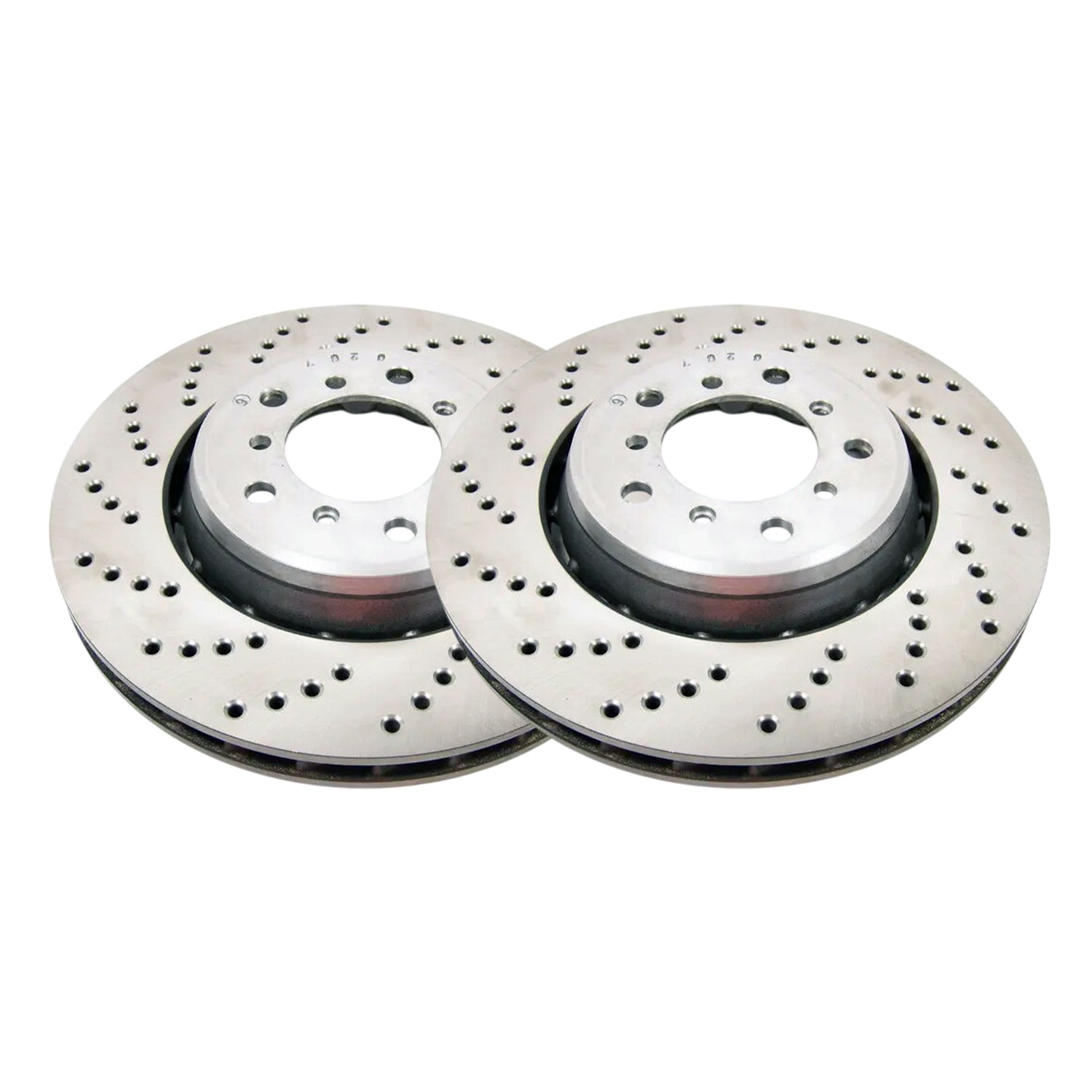
Standard rotors last a long time but can heat up quickly. Slotted or drilled rotors help cool brakes faster. These are common on sportier BMW models. They wear differently and might need replacement sooner. Choose rotor type based on your driving style.
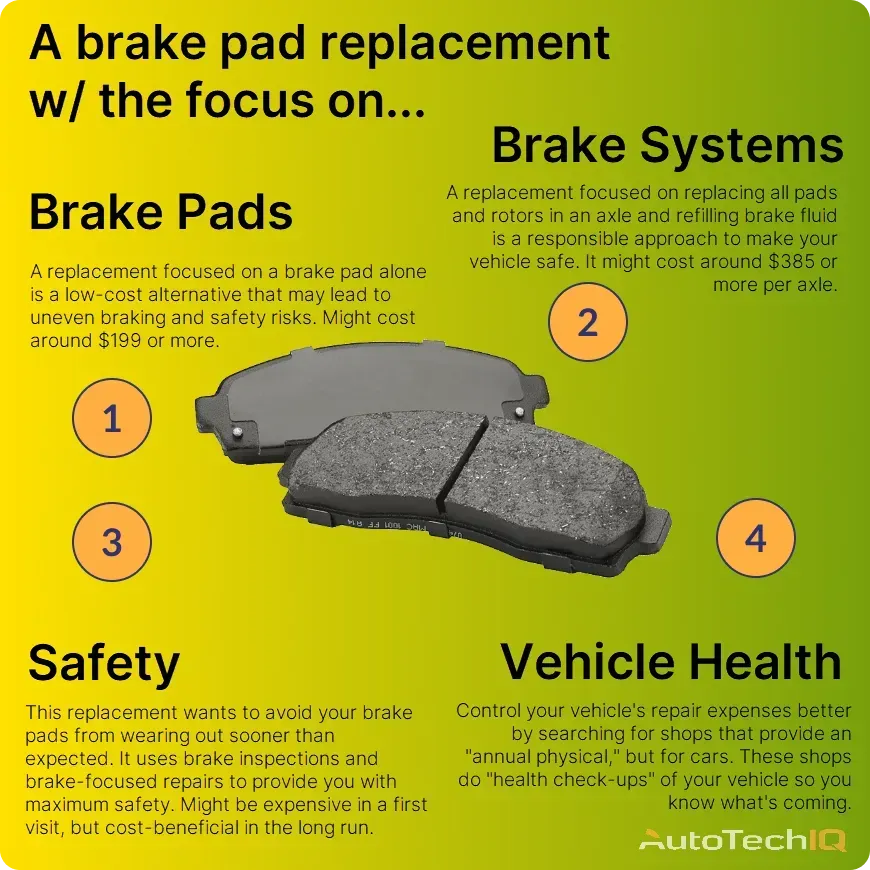
Credit: www.autotechiq.com
Extending Brake Rotor Life
Extending the life of BMW brake rotors helps save money and keeps your car safe. Brake rotors wear down over time due to friction and heat. Taking steps to reduce this wear can increase their lifespan. Simple habits and regular care make a big difference.
Proper Maintenance Tips
Keep your brake system clean and free of dirt. Dirt and debris cause extra wear on rotors. Use quality brake fluid and change it as recommended. This prevents corrosion inside the brake system. Avoid hard stops that create excessive heat and stress.
Brake Pad Replacement Timing
Replace brake pads before they wear out completely. Worn pads damage the rotors by grinding on the metal. Check pads every 10,000 miles or sooner. Changing pads on time protects the rotors and improves braking.
Driving Style Adjustments
Drive smoothly and avoid sudden stops. Gradual braking reduces heat and rotor wear. Use engine braking on downhill slopes to ease pressure. Lower speeds help keep brake parts cooler and last longer.
Regular Inspections
Have your brakes checked regularly by a professional. Inspections catch early signs of rotor wear or damage. Look for vibrations or noises while braking. Early fixes prevent costly repairs and extend rotor life.
When To Replace Bmw Brake Rotors
Knowing when to replace your BMW brake rotors is key for safe driving. Worn rotors reduce braking power and can damage other parts. Checking rotors regularly helps keep your car in top shape. Watch for signs like vibrations, noise, or longer stopping distances. These often mean rotor wear or damage. Understanding the right time to replace saves money and prevents accidents.
Measuring Rotor Thickness
Use a micrometer to check rotor thickness. Compare the measurement to the minimum thickness limit. This limit is stamped on the rotor’s edge. If the rotor is thinner, replace it immediately. Thin rotors overheat and may crack. Measuring thickness is the most accurate way to know rotor health.
Manufacturer Recommendations
BMW provides clear guidelines on rotor replacement. Follow the service manual for your model and year. The manual lists minimum thickness and inspection intervals. BMW suggests checking rotors every 20,000 miles. Replace rotors as recommended to maintain performance and warranty.
Cost Implications
New BMW brake rotors vary in price by model and quality. OEM rotors cost more but fit perfectly. Aftermarket rotors are cheaper but may wear faster. Replacing rotors in pairs avoids uneven braking. Delay in replacement can cause costly damage to pads and calipers.
Diy Vs Professional Replacement
Replacing rotors yourself saves labor costs. You need proper tools and knowledge for safety. Incorrect installation may cause brake failure. Professional mechanics have experience and equipment. They ensure rotors meet safety standards and perform well. Choose professional service if unsure about the process.

Credit: www.habberstadbmwofbayshore.com
Credit: r44performance.com
Frequently Asked Questions
How Long Do Bmw Brake Rotors Typically Last?
BMW brake rotors usually last between 30,000 and 70,000 miles. The lifespan depends on driving habits, rotor quality, and road conditions. Regular maintenance can extend their durability and ensure optimal braking performance.
What Factors Affect Bmw Brake Rotor Lifespan?
Rotors wear faster with aggressive braking, frequent stop-and-go traffic, and poor road conditions. High-performance driving and low-quality materials also reduce rotor life. Proper maintenance and timely replacements improve durability.
How Can I Tell If Bmw Brake Rotors Need Replacing?
Look for vibrations, squealing noises, or visible grooves on the rotors. Uneven wear or reduced braking efficiency are signs to inspect and possibly replace the rotors promptly.
Are Oem Bmw Brake Rotors Better Than Aftermarket Ones?
OEM rotors offer precise fit and reliable performance, matching BMW standards. Aftermarket rotors vary in quality; some provide cost savings but may compromise durability and braking feel. Choose based on quality and driving needs.
Conclusion
BMW brake rotors usually last between 30,000 and 70,000 miles. Many factors affect their life, like driving style and road conditions. Regular checks help spot wear early. Replacing rotors on time keeps your car safe and smooth. Listen for noises or vibrations when braking.
These signs mean it’s time to inspect your rotors. Taking care of your brakes helps avoid costly repairs later. Keep your BMW running well and enjoy a safer drive every day.

