
You’ve just given your car a fresh, flawless paint job, and it looks amazing. Now, you’re probably wondering: how long should you wait before waxing your new paint?
Waxing too soon can damage the finish, while waiting too long might leave your paint unprotected. Finding the perfect timing is key to keeping your car’s shine vibrant and lasting longer. You’ll discover exactly when to wax your newly painted car so you can protect your investment and keep your ride looking its best.
Keep reading to unlock the secrets every car owner needs to know!
Paint Curing Time
After painting your car, the paint needs time to cure fully. This curing process is essential before applying wax. Waxing too early can damage the fresh paint. Understanding paint curing time helps protect your car’s finish. Let’s explore the key factors and typical durations involved.
Factors Affecting Drying
Temperature plays a big role in drying speed. Warmer weather helps paint dry faster. Humidity slows down the drying process. The type of paint used also matters. Some paints cure quicker than others. The thickness of the paint layer impacts drying too. Thick coats take longer to dry fully. Proper ventilation helps speed up curing. Without good airflow, paint stays wet longer.
Typical Curing Durations
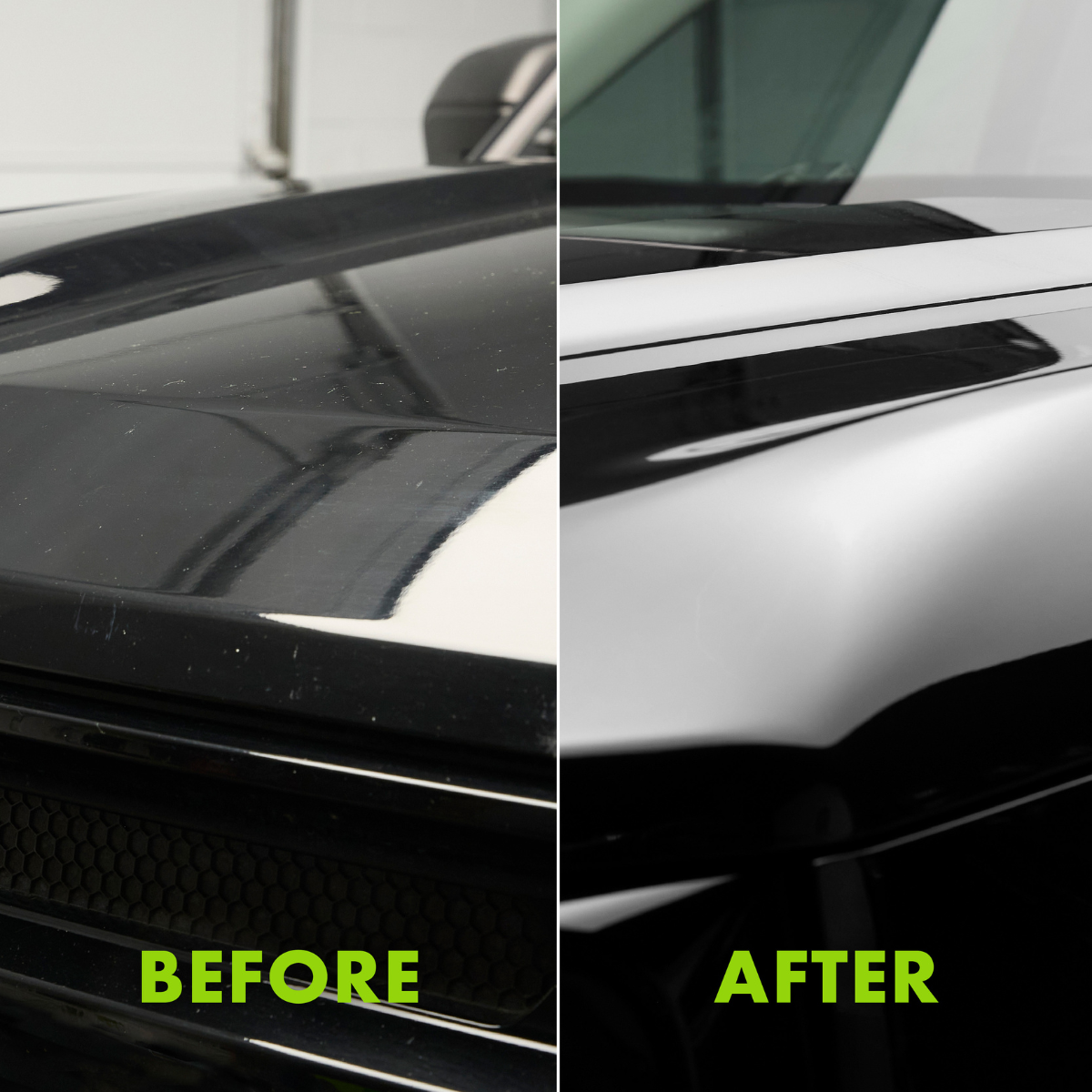
Most car paints take about 30 days to cure fully. During this time, the paint hardens and bonds well. Some quick-dry paints may cure in 7 to 14 days. But even then, waiting a full month is safer. Waxing before the paint cures can cause smudging. It may also trap moisture under the wax. This can lead to bubbling or peeling later on. Patience ensures the best protection for your car’s paint.
Credit: www.wipenew.com
Waxing Benefits
Waxing your newly painted car adds more than just a glossy finish. It helps keep your car looking fresh and protects the paint underneath. Knowing the benefits of waxing can help you care for your car better after painting.
Protection And Shine
Wax creates a thin layer over the paint. This layer protects the paint from dust, dirt, and water. It also helps stop small scratches from damaging the surface. The wax reflects light, making the car shine brighter. A shiny car looks newer and more attractive.
Long-term Paint Health
Waxing regularly keeps the paint strong for years. It prevents fading caused by sunlight and heat. The wax blocks harmful chemicals and pollutants from reaching the paint. This helps avoid peeling and cracking. A well-maintained paint job lasts longer and keeps the car’s value high.
When To Wax New Paint
Knowing when to wax new paint is key to protecting your car’s finish. Waxing too soon can harm the fresh paint. Waiting the right time helps the paint cure fully. This ensures the wax sticks well and lasts longer. Patience pays off with a smooth, shiny surface that stays protected.
Recommended Waiting Periods
Wait at least 30 days before waxing new paint. This time lets the paint cure and harden properly. Some experts suggest waiting up to 60 days for best results. The exact time depends on paint type and weather conditions. Cooler, humid weather can slow down curing. Hot, dry weather speeds it up. Always check the paint manufacturer’s instructions.
Signs Paint Is Ready
The paint looks dry and smooth to touch. No sticky or soft spots remain on the surface. The color is even and does not change when touched. You do not see fingerprints or smudges easily. The paint feels firm under light pressure. These signs show the paint is ready for waxing. Waxing now will protect and enhance the shine.
Types Of Wax
Choosing the right wax after painting your car is important. Different types of wax offer different benefits. Knowing these types helps protect your new paint and keeps your car shiny.
Natural Vs Synthetic
Natural wax comes from carnauba, a plant wax. It gives a deep shine and a warm glow. It lasts for a few weeks and feels smooth.
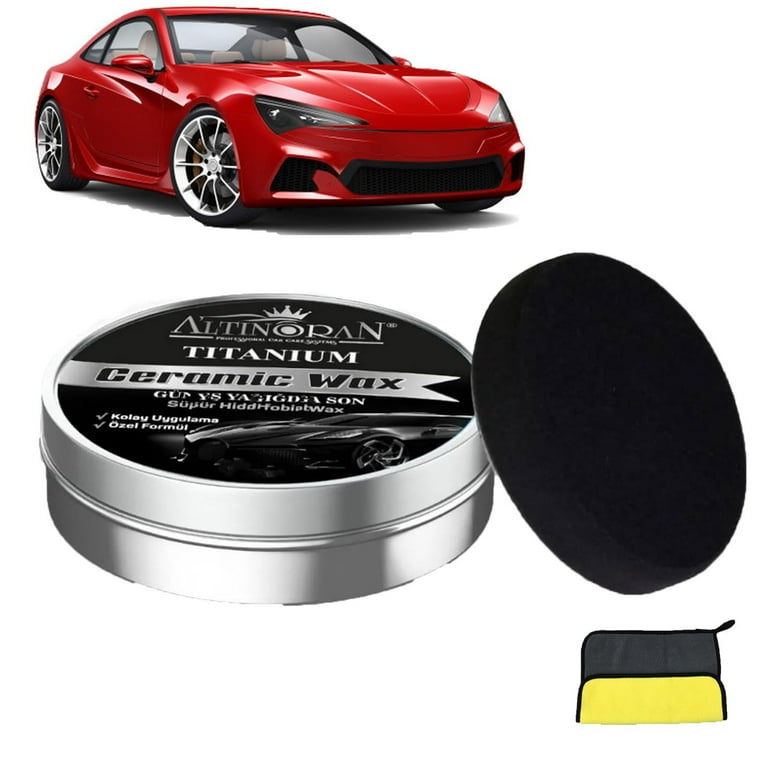
Synthetic wax is made in a lab. It lasts longer, often several months. It protects better against dirt and water. The shine looks more like a mirror. Synthetic wax can be easier to apply and remove.
Choosing The Right Wax
Think about your needs before waxing. If you want a rich shine and are okay with waxing more often, choose natural wax. It looks great but needs reapplying.
For longer protection with less work, synthetic wax works well. It shields your paint and stays longer. Both types can be good after painting, but wait the right time before applying.
Waxing Process Tips
Waxing your new car after painting helps protect the finish and keep it shiny. The process needs care to avoid damage. Follow simple tips to get the best results from waxing. This guide covers preparing the surface, applying wax, and avoiding common mistakes.
Preparing The Surface
Clean the car thoroughly before waxing. Remove all dirt, dust, and grease. Use a gentle car shampoo and soft cloth. Dry the surface completely to stop water spots. Check the paint for any imperfections. Fix small scratches or marks if possible. The surface must be smooth and clean for the wax to stick well.
Application Techniques
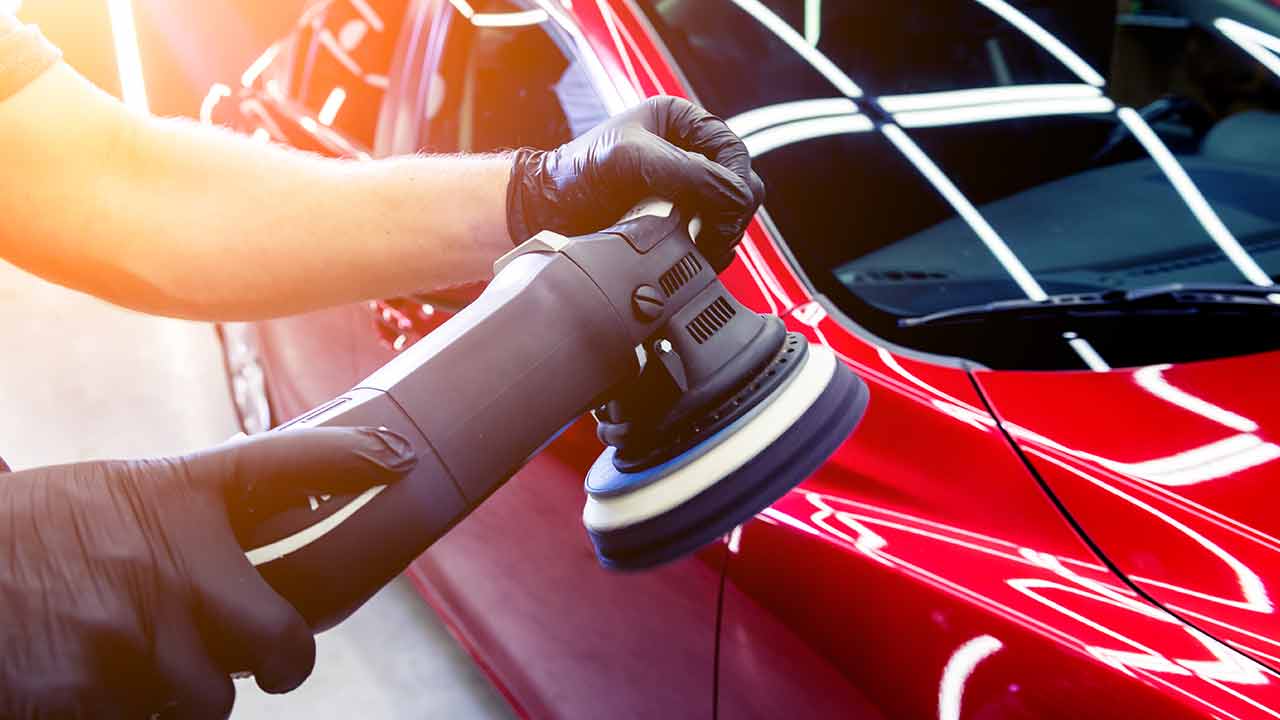
Use a small amount of wax to start. Apply wax in circular motions with a soft applicator pad. Work on one small section at a time. Let the wax dry until it looks hazy or cloudy. Then, buff it off with a clean microfiber cloth. Avoid using too much pressure to protect the paint. Finish each section before moving on.
Avoiding Common Mistakes
Do not wax under direct sunlight or on a hot surface. This can cause streaks and uneven finish. Avoid using dirty or rough cloths that may scratch the paint. Do not rush the drying time before buffing. Applying wax too soon or too late can reduce protection. Follow the wax product instructions carefully for best results.
Environmental Considerations
Environmental factors affect how soon you can wax a newly painted car. The paint needs proper time to dry and cure. Weather plays a big role in this process. Understanding these conditions helps protect your car’s finish and shine.
Ideal Weather Conditions
Choose dry days with mild temperatures for waxing. Avoid days with strong sunlight or heavy wind. Shade or cloudy weather works best. These conditions help wax stick well and prevent streaks or spots.
Impact Of Humidity And Temperature
High humidity slows paint drying and curing. Wax applied too soon can trap moisture. This causes dull spots or damage. Cold temperatures also slow curing. Wait longer if it is below 60°F (15°C). Warm, dry air speeds up the process. Check local weather before waxing your car.
Aftercare For Painted Cars
After painting a car, proper care is vital to keep the new paint looking fresh. The paint needs time to cure fully before applying wax. During this period, gentle cleaning and protection help maintain the paint’s quality. Taking care of your painted car extends its beauty and value.
Maintenance Routines
Clean the car regularly using mild soap and water. Avoid harsh chemicals or abrasive cloths. Dry the car with a soft towel to prevent water spots. Check for any dirt or debris that can scratch the paint. Use a car cover to protect the paint from dust and sunlight.
Frequency Of Waxing
Wait at least 30 days after painting before waxing the car. This allows the paint to cure and harden properly. After the first wax, apply wax every three to four months. Regular waxing adds a protective layer against weather and dirt. It also keeps the paint shiny and smooth for longer.
Credit: surfnshine.com
Credit: www.walmart.com
Frequently Asked Questions
How Long Should I Wait To Wax A Newly Painted Car?
Wait at least 30 days before waxing a newly painted car. This allows the paint to fully cure and harden. Waxing too soon can cause damage or uneven shine. Patience ensures the best protection and finish.
Why Wait Before Waxing After Car Painting?
Waiting allows the paint’s clear coat to cure properly. Waxing too early may trap solvents or moisture. This can lead to dull spots or paint imperfections. Proper curing results in a smooth, long-lasting surface for waxing.
Can Waxing Too Soon Harm New Car Paint?
Yes, waxing too soon can harm new paint. It may cause streaks, dullness, or uneven finish. The paint needs time to cure and harden fully. Waiting ensures waxing enhances protection without damaging the surface.
What Happens If I Wax Immediately After Painting?
Waxing immediately can trap solvents and moisture under the wax. This can cause discoloration or paint defects. The paint layer might not be fully hardened yet. Always allow proper curing time for best results.
Conclusion
Waiting at least 30 days before waxing a newly painted car protects the finish. This time lets the paint fully harden and cure. Waxing too soon can cause damage and reduce shine. Keep the car clean and avoid harsh chemicals during this period.
Patience ensures a smooth, long-lasting look. Taking care now saves money and effort later. Your car will stay beautiful for years with proper care. Simple steps make a big difference.


