

You’ve just brought home a brand-new car, and it’s shining like a dream. Now, you want to protect that fresh finish with a good wax.
But here’s the big question: how long should you wait before waxing your new car? Waxing too soon or too late can affect the shine and protection you want. If you’re unsure about the perfect timing, keep reading. This guide will help you learn exactly when to wax your new car, so it stays looking flawless and turns heads wherever you go.
Don’t miss out on these simple tips that can save your car’s paint and keep it sparkling for years.
Credit: canadiangearhead.com
When To Wax A New Car
Waxing a new car protects its paint and keeps it shining. Knowing the right time to wax helps avoid damage. Waxing too early can spoil the factory finish. Waiting too long misses the chance to protect the paint.
Understanding the paint’s curing process and proper preparation ensures the best results. This section explains when to wax a new car.
Factory Paint Curing Time
New cars have a factory paint that needs time to harden. This process is called curing. It usually takes 30 to 60 days.
The paint feels soft and can get damaged if waxed too soon. Waiting helps the paint become strong and ready for waxing.
Initial Wash And Prep
Before waxing, wash the car gently. Use a mild soap and soft cloth. This removes dirt and factory residue.
Dry the car fully. Check for any dust or spots. Proper cleaning helps wax stick better and last longer.
Signs Your Car Is Ready
Look for a smooth, hard paint surface. The car should feel dry and firm to touch.
If water beads on the surface, the paint is cured. This means you can safely apply wax now.
Factors Affecting Wax Timing
Knowing the right time to wax a new car depends on several important factors. Each factor affects how well the wax sticks and protects the paint. Understanding these helps keep your car shiny and safe from damage.
Type Of Paint Finish
Different cars have different paint finishes. Some finishes cure faster, while others take longer. A soft or delicate finish may need more time before waxing. Hard finishes can often be waxed sooner. Check the paint type to avoid damage.
Environmental Conditions
Weather and surroundings play a big role in wax timing. High heat or strong sunlight can speed up paint curing. Cold or humid areas slow the process down. Dust, rain, and pollution also affect when waxing is safe. Adjust your timing based on these conditions.
Car Usage Patterns
How you use your car matters too. Daily driving exposes paint to dirt and debris, which may require earlier waxing. Cars kept in garages or driven less often may need to wait longer. Consider your driving habits before applying wax.
Choosing The Right Wax
Choosing the right wax is key to protecting your new car’s paint. It helps keep the surface shiny and safe from dirt and damage. The type of wax you pick affects how your car looks and how long the protection lasts.
Different waxes suit different needs and car finishes. Knowing the types, durability, and application methods helps you pick the best one.
Types Of Car Wax
Car waxes come in three main types: natural, synthetic, and hybrid. Natural wax is made from carnauba, a plant-based ingredient. It gives a deep, warm shine but wears off faster. Synthetic wax is made in labs and lasts longer. It also protects well against rain and dirt. Hybrid wax blends natural and synthetic parts. It balances shine and durability.
Durability And Protection
Some waxes last only a few weeks. Others can protect for months. Synthetic wax usually lasts longer than natural wax. It also resists harsh weather better. Natural wax gives a rich shine but needs more frequent reapplication. Think about your local climate and how often you want to wax your car.
Application Methods
You can apply wax by hand or with a machine. Hand application is simple and cheap. It allows careful control on small spots. Machine application is faster and gives an even coat. It works well for large cars or heavy wax layers. Always follow the instructions on the wax product for best results.
Credit: www.jtape.com
Step-by-step Waxing Process
Waxing a new car protects its paint and keeps it shiny. Follow these simple steps for a smooth waxing process. Each step helps your car look its best and lasts longer.
Cleaning The Surface
Start by washing your car thoroughly. Use car soap and water to remove dirt and dust. Dry the car with a clean cloth. A clean surface helps the wax stick better. Avoid waxing over dirt or grime.
Applying The Wax
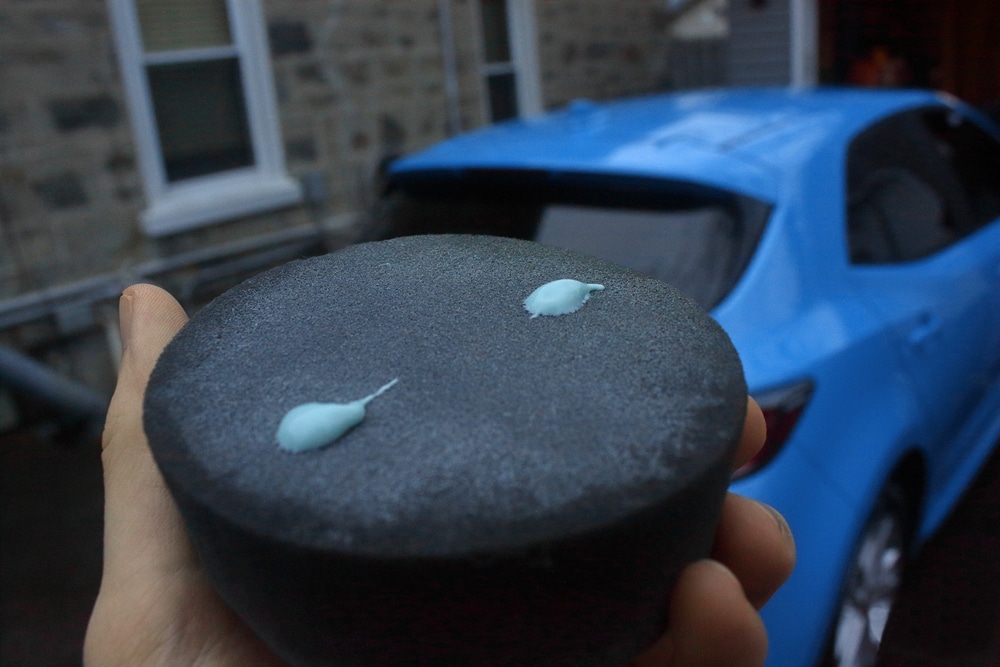
Choose a wax suitable for new cars. Apply a small amount to a soft applicator pad. Spread the wax evenly on one section of the car. Use thin, circular motions to cover the surface. Work on one area at a time for even coverage.
Buffing And Finishing
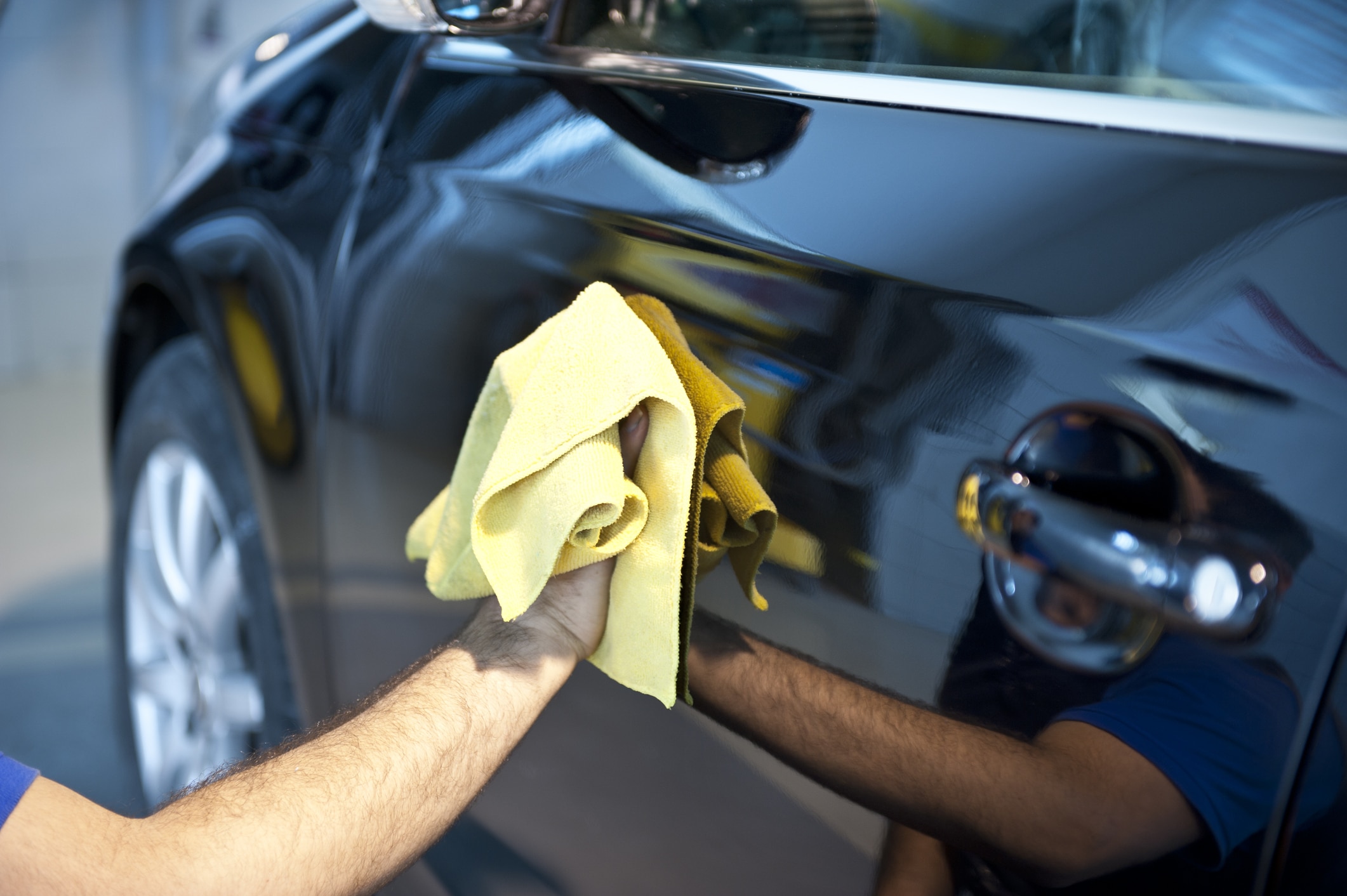
Let the wax dry until it forms a haze. Use a clean microfiber cloth to buff the wax off. Buff in gentle, circular motions to bring out the shine. Check for missed spots and reapply if needed. Finish by wiping the whole car for a smooth finish.
Common Mistakes To Avoid
Waxing a new car protects its paint and keeps it shiny. Yet, some common mistakes can ruin the process. Avoiding these errors helps maintain your car’s look and value. Here are key mistakes to watch out for.
Waxing Too Early
Many rush to wax a new car right after buying it. This can trap factory residues under the wax. Wait at least 30 to 60 days before waxing. This allows the paint to cure fully. Patience pays off with a smoother, longer-lasting shine.
Skipping Prep Steps
Skipping cleaning or drying the car before waxing causes problems. Dirt or water spots can get sealed under the wax. Always wash and dry your car well. Use clay bars to remove tiny impurities. Proper prep ensures the wax bonds well and shines bright.
Using Incompatible Products
Not all waxes work well on new car paint. Some can react badly with factory coatings. Check product labels for compatibility. Use waxes designed for new or clear-coated paint. This avoids damage and gives the best protection and shine.
Credit: www.waldorfhonda.com
Maintenance After Waxing
After waxing your new car, proper maintenance helps keep the shine and protection longer. Wax acts as a shield against dirt, water, and UV rays. Caring for your car after waxing keeps the finish smooth and bright. Follow simple steps to protect your investment and enjoy a clean look.
Washing Tips
Wash your car gently to avoid removing wax. Use a soft sponge or microfiber cloth. Choose a car shampoo that is wax-friendly and pH balanced. Avoid strong detergents or dish soap. Rinse thoroughly to remove all dirt. Dry with a clean, soft towel to prevent water spots.
Reapplication Frequency
Wax does not last forever. Reapply wax every three to four months. In harsh weather, consider waxing more often. Watch for dull spots or water not beading on the surface. These signs mean it’s time to wax again. Regular application keeps the paint protected and glossy.
Protecting The Finish
Park your car in shade or garage to avoid sun damage. Use a car cover if no covered parking is available. Avoid parking under trees that drop sap or bird droppings. Clean off any contaminants quickly to prevent stains. Small scratches or chips should be repaired to keep the finish intact.
Frequently Asked Questions
How Soon Can I Wax A New Car After Purchase?
You should wait at least 30 days before waxing a new car. This allows the factory paint sealant to cure fully. Waxing too soon can trap contaminants and damage the finish. Proper curing ensures better wax adhesion and longer protection.
Why Wait Before Waxing A New Car’s Paint?
Waiting helps the factory-applied paint sealant cure completely. This curing process strengthens the paint and prevents damage. Waxing too early may interfere with the sealant’s bonding. Proper timing enhances wax durability and paint protection.
Can Waxing A New Car Too Early Cause Damage?
Yes, waxing a new car too early can harm the paint. It may trap dust and moisture under the wax. This leads to swirl marks and dullness. Waiting ensures the paint sealant sets properly for safe waxing.
How To Prepare A New Car Before Waxing?
Wash the car thoroughly to remove dirt and oils. Use a clay bar to eliminate embedded contaminants. Dry the surface completely for better wax adhesion. These steps ensure a smooth, clean finish for waxing.
Conclusion
Waiting at least 30 days before waxing a new car protects its paint. This time lets the clear coat fully harden and settle. Waxing too soon can cause damage or reduce shine. Clean your car gently during this wait to keep it safe.
After waiting, apply wax evenly for the best results. Regular waxing keeps your car looking fresh and protected. Patience pays off with a glossy, long-lasting finish. Take care, and your new car will shine beautifully for years.


