
You just got your brand new car, and it looks stunning. Now, you’re probably wondering: how soon can you wax it to keep that shine flawless?
Waxing your new car at the right time is crucial to protect the paint and make it last longer. If you wax too early or too late, you might damage the finish or miss out on the full benefits. You’ll discover the perfect timing for waxing your new car and simple tips to keep it looking fresh and vibrant.
Keep reading to make sure your car stays showroom-ready for years to come.
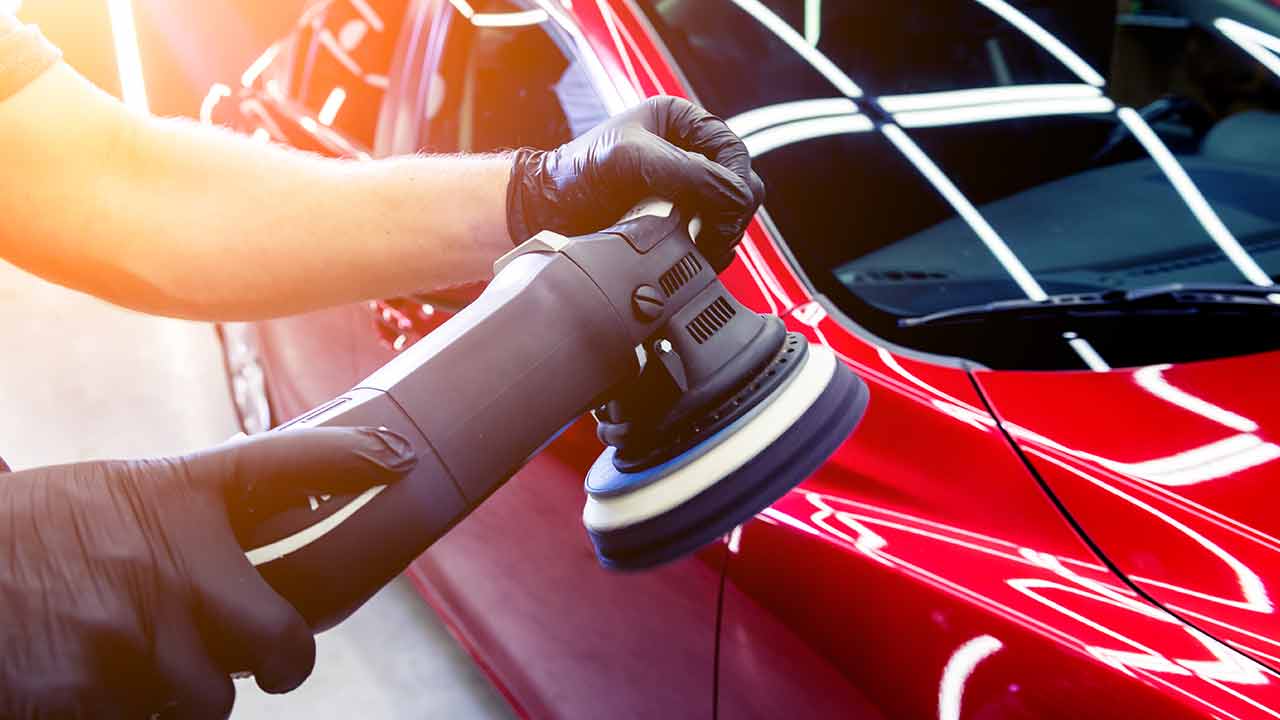
Credit: surfnshine.com
Why Waxing Matters
Waxing your new car is more than just making it shiny. It helps keep the paint safe and fresh for a longer time. The wax forms a barrier that protects the surface from damage. This layer also helps your car look better by enhancing its color and shine. Knowing why waxing matters can help you care for your car properly.
Benefits Of Waxing
Waxing adds a smooth, glossy finish to your car’s paint. It hides small scratches and prevents new ones. The wax makes it easier to clean dirt and dust off the car. It also slows down the fading of the paint caused by sun exposure. A waxed car looks newer and well-kept for a longer time.
Protection Against Elements
Wax protects your car from harmful sun rays that fade paint. It also shields the surface from rain, dust, and pollution. The wax layer stops water spots and rust from forming. It reduces damage from bird droppings and tree sap. This protective coat helps keep your car’s finish smooth and bright.
When To Wax A New Car
Knowing the right time to wax a new car protects its finish. Waxing too soon can harm the paint. Waiting allows the paint to fully harden. This section explains when to wax a brand-new car. Follow these tips to keep your car looking great.
Factory Paint Curing Time
New cars have a special paint layer. This layer needs time to cure and harden. Usually, this takes about 30 to 60 days. During this period, the paint is still soft. Waxing before curing can trap moisture or chemicals. This may cause damage or dull the shine. Let the paint cure fully before applying wax.
Signs Paint Is Ready
Check your car’s paint before waxing. The paint should feel smooth and hard. No sticky or soft spots should remain. The color must look even and bright. If water beads on the surface, it means curing is done. These signs show the paint is ready for waxing. Waxing now will protect and enhance the finish.
Factors Influencing Waxing Time
Knowing the right time to wax a brand new car depends on several key factors. These factors affect how well the wax will stick and protect the paint. Understanding them helps keep your car looking fresh and shiny for longer. Let’s explore the main elements that influence waxing time.
Type Of Paint
Different cars have different paint types. Some paints need more time to cure before waxing. For example, factory paint usually takes longer to harden. This curing process helps the paint settle and become tough. Wax applied too soon might not bond well or could cause damage. Clear coats and special finishes also affect the timing. Check your car’s paint type to decide the best waxing time.
Environmental Conditions
Weather and location impact waxing. Hot and humid climates speed up paint curing. Cold and dry areas slow it down. Dust, rain, and sun exposure also matter. Waxing under direct sunlight can cause streaks. High humidity might trap moisture under the wax. Choose a dry, shaded spot with mild temperatures for waxing. Understanding your environment helps protect your car’s finish.
Car Usage Patterns
How often and where you drive affects waxing needs. Daily city driving exposes the car to pollution and dirt. Off-road or rural driving might bring mud and dust. Frequent washing can wear down wax faster. If your car stays mostly in a garage, waxing intervals can be longer. Tailor your waxing schedule to your driving habits to maintain the best protection.
Choosing The Right Wax
Choosing the right wax is key to protecting a brand new car’s paint. The wax you pick affects shine, protection, and how long the finish lasts. New cars need special care to keep the paint fresh and flawless. Knowing the types of wax and what works best for new cars helps make the right choice.
Types Of Wax Products
Car wax comes in several forms: paste, liquid, and spray. Paste wax offers strong protection but takes longer to apply. Liquid wax is easier to spread and dries faster. Spray wax is the quickest but usually gives less protection. Some waxes have natural ingredients like carnauba, which adds a deep shine. Others use synthetic formulas for longer-lasting protection. Each type serves different needs and levels of experience.
Considerations For New Cars
New cars have fresh paint that can be sensitive. Avoid harsh waxes that might harm the finish. Choose waxes that boost shine without chemicals that can dull the paint. Look for products designed for new or clear coat paints. These waxes help keep the surface smooth and bright. Also, check if the wax is easy to remove to avoid extra work. Proper wax protects the car and keeps it looking new longer.
Step-by-step Waxing Process
Waxing a brand new car requires care and patience. Following a clear step-by-step process helps protect the paint and keep the car shiny. This guide explains how to wax your new car properly. Each step ensures the best result and lasting protection.
Preparing The Surface
Start by washing the car with a gentle soap and water. Remove all dirt, dust, and grease. Dry the car fully using a clean, soft towel. Make sure there are no water spots or stains. Check the surface for any scratches or marks. Fix small issues before waxing for a smooth finish.
Applying Wax Correctly
Choose a wax suitable for new car paint. Use a foam applicator or soft cloth to apply wax. Work in small sections using circular motions. Apply a thin, even layer to avoid streaks. Let the wax dry until it feels slightly tacky. This usually takes a few minutes.
Buffing And Finishing
Use a clean, soft microfiber cloth to buff the wax. Rub gently in circular motions to remove residue. Buffing brings out the shine and smooth texture. Check the car under light to spot missed areas. Repeat the process if needed for extra protection.

Credit: www.waldorfhonda.com
Common Waxing Mistakes To Avoid
Waxing a new car protects its paint and keeps it shiny. But many people make common mistakes that hurt the car’s look. Avoid these errors to keep your car’s paint smooth and bright. Let’s explore common waxing mistakes you should not make.
Waxing Too Soon
New cars need time before waxing. Paint takes weeks to fully harden. Waxing too early traps dirt and chemicals. This can damage the paint’s surface. Wait at least 30 to 60 days before waxing.
Using Harsh Products
Some waxes or cleaners are too strong for new paint. Harsh chemicals can strip protective layers. Always choose wax made for fresh paint. Gentle products keep the paint safe and shiny.
Ignoring Paint Care
Waxing is not the only care your car needs. Clean the car regularly with mild soap. Remove dirt and grime before waxing. Neglecting paint care causes scratches and dullness. Proper cleaning helps wax stick better and last longer.
Maintaining Wax Protection
Maintaining wax protection on your brand new car keeps the paint looking fresh and shiny. Wax acts as a shield against dirt, rain, and sunlight. It also helps prevent scratches and fading. To keep this shield strong, regular care is necessary. Simple steps can extend the life of your wax and keep your car sparkling.
Regular Washing Tips
Wash your car often to remove dirt and grime. Use a gentle car shampoo designed for waxed surfaces. Avoid harsh soaps that strip away wax. Use a soft sponge or microfiber cloth to clean the paint. Rinse thoroughly with clean water. Dry the car with a soft towel to avoid water spots. Clean wheels and tires separately to prevent brake dust from spreading.
Reapplication Frequency
Reapply wax every 2 to 3 months for best results. This keeps the protective layer strong and effective. If your car is exposed to harsh weather, wax more often. Signs that wax needs reapplication include water no longer beading on the surface or the paint looking dull. Choose a quality wax suitable for your car’s paint type. Follow product instructions carefully for the best finish.
Credit: surfnshine.com
Frequently Asked Questions
How Soon Can I Wax A Brand New Car?
You should wait at least 30 days before waxing a new car. This allows the paint to cure fully, ensuring the wax adheres properly and protects the surface effectively.
Why Wait Before Waxing A New Car?
Waiting lets the paint harden and settle. Waxing too early can trap solvents or moisture, which may damage the finish or cause uneven protection.
Can Waxing Too Early Harm My Car’s Paint?
Yes, waxing too soon can trap impurities and solvents. This might lead to dullness, streaks, or even paint damage over time.
How Often Should I Wax A New Car?
After the initial wax, apply wax every 3 to 4 months. Regular waxing maintains shine and protects the paint from environmental damage.
Conclusion
Waiting at least 30 days before waxing a new car is best. This time lets the paint fully cure and harden. Waxing too soon can cause damage or uneven shine. Clean the car gently before waxing to avoid scratches. Regular waxing keeps your car looking fresh and protects the paint.
Patience pays off with a smooth, shiny finish that lasts longer. Take care of your new car, and it will stay beautiful for years. Simple steps like this make a big difference in car care.


