

Your car seat is one of the most used spots in your vehicle, yet it often gets overlooked when it comes to cleaning. Think about all the times you’ve eaten, touched, or even sneezed there.
Germs and bacteria can easily build up, putting your health at risk without you even realizing it. But don’t worry—disinfecting your car seat doesn’t have to be complicated or time-consuming. You’ll discover simple, effective steps to keep your car seat fresh and safe for you and everyone who rides with you.
Ready to take control of your car’s cleanliness? Let’s dive in.

Credit: stonercarcare.com
Choosing The Right Disinfectant
Choosing the right disinfectant for your car seat is important. The wrong product can damage upholstery or leave harmful residues. It is essential to pick a disinfectant that cleans well and keeps your car seat safe.
Many disinfectants can harm delicate fabrics or cause discoloration. Some may contain harsh chemicals that wear out the seat material. A safe product will kill germs without hurting the seat’s texture or color.
Safe Products For Car Upholstery
Use disinfectants made specifically for fabrics or car interiors. Mild cleaners with gentle ingredients work best. Look for products labeled “safe for upholstery” or “car interior safe.”
Avoid bleach and strong chemicals like ammonia. These can fade or weaken fabric fibers. Alcohol-based sprays are usually safe but test a small hidden area first. Choose products that dry quickly and do not leave sticky residue.
Homemade Vs Commercial Cleaners
Homemade cleaners often use simple ingredients like vinegar or baking soda. These are gentle and affordable. Vinegar can kill some germs but might not disinfect fully. It also leaves a strong smell.
Commercial cleaners are designed to kill more types of bacteria and viruses. They usually contain tested disinfectants that work fast. These products may cost more but often deliver better protection.
Test any cleaner on a hidden spot before full use. This helps prevent damage or stains. Choose what fits your budget and cleaning needs best.

Credit: www.turtlewax.com
Preparing The Car Seat
Preparing the car seat is the first step to effective disinfection. It helps to clean the surface and removes dirt that blocks disinfectants. This step makes sure the cleaning process works better and lasts longer.
Removing Loose Debris
Start by picking up large pieces of trash or crumbs from the seat. Use your hands or a soft brush to remove dirt and dust. Clearing loose debris stops dirt from spreading during cleaning. It also makes the next steps easier and more effective.
Vacuuming Thoroughly
Use a vacuum cleaner with a brush attachment to clean the seat deeply. Move the vacuum slowly over every part of the seat. Pay close attention to seams, folds, and crevices where dirt hides. Vacuuming removes dust, hair, and tiny particles that reduce disinfection quality.
Step-by-step Disinfection Process
Disinfecting a car seat needs a clear, simple process. Following each step carefully ensures a clean and safe seat. The process involves applying the cleaner, scrubbing properly, and letting the disinfectant work. This method helps remove germs and dirt effectively.
Applying The Cleaner
Start by choosing a disinfectant safe for car seats. Spray the cleaner evenly on the seat surface. Cover all areas, including seams and edges. Avoid soaking the seat with too much liquid. Use just enough to dampen the fabric or leather.
Proper Scrubbing Techniques
Use a soft brush or cloth to scrub the seat gently. Move in small, circular motions to lift dirt and germs. Focus on spots that look dirty or sticky. Be careful not to damage the material. Light scrubbing is enough to clean without harming the seat.
Allowing Disinfectant To Work
After scrubbing, leave the seat to dry naturally. Give the disinfectant time to kill bacteria and viruses. Check the product instructions for exact wait time. Avoid using the seat until it is fully dry. This step ensures the best cleaning results.
Drying And Ventilating
Drying and ventilating a car seat after cleaning is crucial. It stops moisture from staying trapped. Wet seats can cause damage and bad smells. Proper airflow helps the seat dry faster and stay fresh.
Using Airflow To Speed Drying
Open car doors or windows to let air flow inside. Use a fan to blow air directly on the seat. Air moves moisture away quickly. This cuts down drying time and keeps the seat safe.
Preventing Mold And Odors
Moisture left in the seat invites mold growth. Mold causes stains and bad smells. Make sure the seat is fully dry before closing the car. Ventilation also removes damp smells. Keep the car aired out until the seat feels dry.
Maintaining Clean Car Seats
Keeping car seats clean helps protect your investment and keeps your ride fresh. Dirt, spills, and germs can build up quickly. Regular care stops stains and odors from settling in. Clean seats also improve your car’s look and comfort. Follow simple steps to maintain your car seats well.
Regular Cleaning Schedule
Clean car seats at least once every two weeks. Use a vacuum to remove dust and crumbs. Wipe seats with a damp cloth to clear surface dirt. For fabric seats, use a gentle upholstery cleaner. Leather seats need special leather cleaner and conditioner. Stick to a routine to avoid heavy dirt buildup. This saves time and effort later.
Spot Cleaning Tips
Act fast on spills and stains. Blot spills with a clean cloth, do not rub. Use mild soap mixed with water for small stains. Test any cleaner on a hidden seat area first. Avoid harsh chemicals that can damage fabric or leather. For tough stains, use a soft brush gently. Dry the area well to stop mold or mildew.
Special Considerations
Disinfecting car seats requires special care. Different materials need different cleaning methods. Some disinfectants can damage certain surfaces. Knowing the right way protects your seats and keeps them clean.
Disinfecting Leather Seats
Leather seats need gentle cleaning products. Harsh chemicals can dry out the leather. Use a mild soap or a cleaner made for leather. Apply the cleaner with a soft cloth. Avoid soaking the leather to prevent damage. After cleaning, use a leather conditioner. It keeps the leather soft and prevents cracks.
Handling Fabric Vs Vinyl
Fabric seats absorb liquids and stains easily. Use a spray disinfectant that is safe for fabric. Test on a small area before full use. Blot, do not rub, to avoid damage. Vinyl seats are easier to clean. Use a disinfectant spray or wipes. Avoid harsh scrubbing to stop surface wear. Always check the cleaner’s label for safety on vinyl.
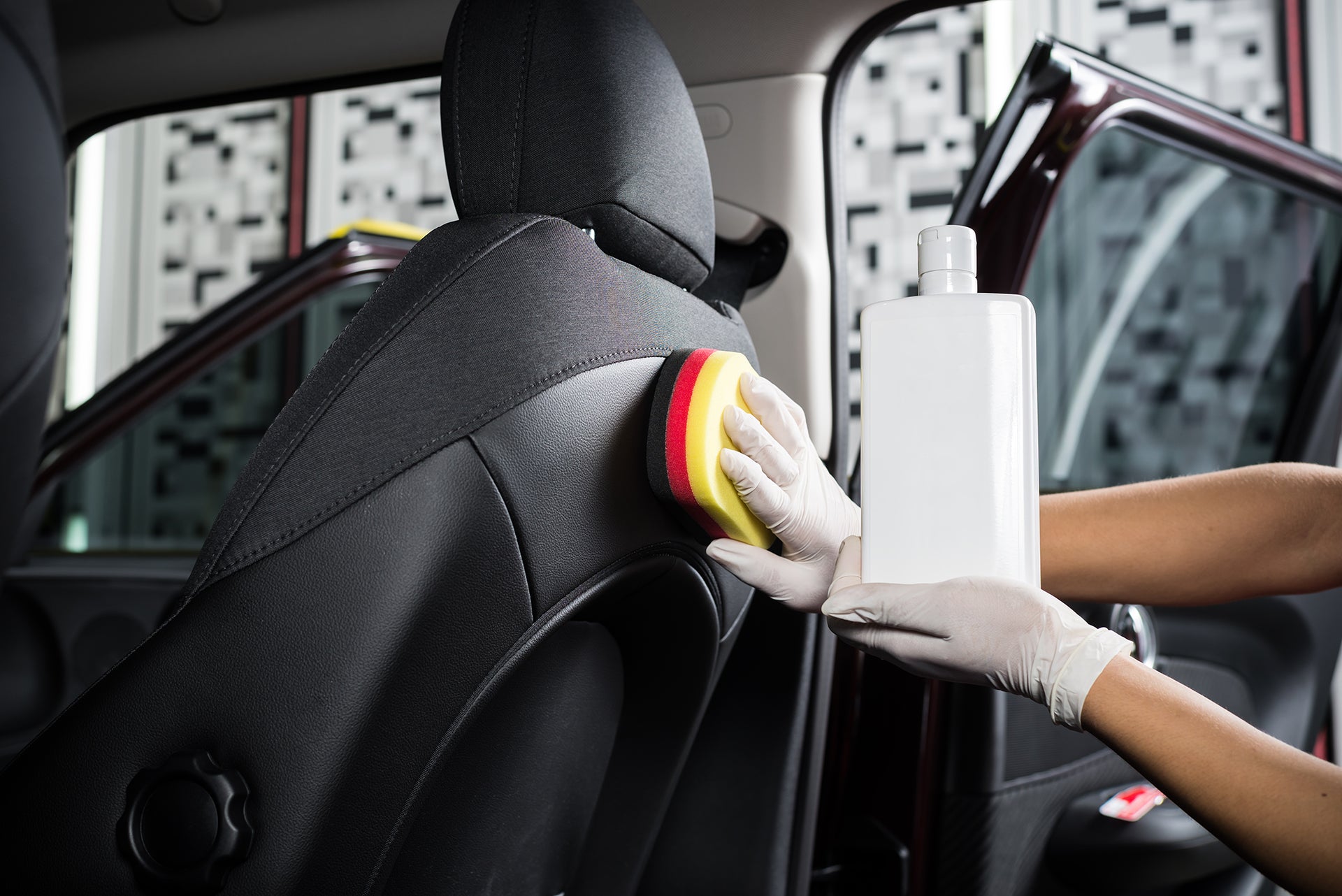
Credit: cardetailexpress.net
Frequently Asked Questions
How Often Should I Disinfect My Car Seat?
Disinfect your car seat weekly or after exposure to illness or dirt. Regular cleaning prevents bacteria buildup and keeps your seat fresh. Use appropriate disinfectants safe for your seat material to avoid damage.
What Is The Best Disinfectant For Car Seats?
Use disinfectant wipes or sprays with at least 70% alcohol for fabric or vinyl seats. Avoid bleach or harsh chemicals that can damage upholstery. Always test on a small area first.
Can I Use Household Cleaners On Car Seats?
Some household cleaners may damage car seat materials. Opt for products labeled safe for automotive upholstery. Always read instructions and test in an inconspicuous spot before full application.
How Do I Disinfect Leather Car Seats Safely?
Use a leather-safe disinfectant or a mixture of water and isopropyl alcohol. Avoid harsh chemicals. After disinfecting, apply leather conditioner to maintain softness and prevent cracks.
Conclusion
Cleaning your car seat helps keep it fresh and safe. Use gentle disinfectants to avoid damage. Regular cleaning stops germs from spreading inside your vehicle. Pay attention to corners and seams where dirt hides. Let your seat dry fully before use.
Small efforts make your car a healthier place. Keep your ride clean, comfortable, and ready for every trip.


