

You’ve just invested in a fresh coat of paint for your car, and it looks stunning. Now, you’re probably wondering: how long should you wait before waxing your new car paint?
Waxing too soon might damage the finish, but waiting too long could leave your paint unprotected. Getting this timing right is key to keeping your car shiny and safe from the elements. You’ll discover the exact wait time and expert tips to protect your investment and make your car look its absolute best.
Keep reading to make sure your new paint stays flawless for years to come.
Credit: surfnshine.com
Paint Curing Time
Paint curing time is the period a car’s paint needs to harden fully after application. This time is crucial before applying any wax or polish. Waxing too soon can damage the paint or reduce its shine. Understanding paint curing helps protect your car’s finish and keep it looking new.
Factory Paint Vs. Repainted Surfaces
Factory paint usually has a controlled curing process during manufacturing. It often cures faster and more evenly. Most factory paint can be waxed after 30 to 60 days.
Repainted surfaces depend on the type of paint and method used. They might take longer to cure fully. Some repainted cars need up to 90 days or more before waxing.
Factors Affecting Curing Duration
Temperature plays a big role in how fast paint cures. Warm conditions speed up curing. Cold or humid weather slows it down.
Paint type also affects curing time. Water-based paints dry faster than solvent-based ones. Clear coats can take extra time to harden.
Thickness of the paint layer matters too. Thicker layers take longer to cure. Thin coats cure quicker but may need more layers.
Risks Of Early Waxing
Waxing new car paint too soon carries several risks. The paint needs time to cure and harden properly. Applying wax before this process ends can harm your car’s finish. Understanding these risks helps protect your vehicle’s look and value.
Potential Damage To Paint
New paint is soft and not fully set. Wax can seal in moisture or chemicals. This causes paint to peel or bubble over time. Scratches may also appear more easily. Early waxing can ruin the smooth surface.
Trapping Contaminants
Fresh paint attracts dust and dirt particles. Wax can trap these contaminants under its layer. This leads to dull spots and rough patches. Dirt trapped inside also invites corrosion and stains. Waiting helps ensure a clean, clear finish.
Recommended Waiting Periods
Knowing the right time to wax new car paint protects the finish and keeps it shiny. Waxing too soon can cause damage or leave marks. Waiting allows the paint to fully cure and harden. Different situations need different waiting times. This section explains the recommended waiting periods for waxing new car paint.
New Car Paint
New car paint usually needs time to cure completely. The curing process helps the paint harden and set. Most experts suggest waiting 30 to 60 days before waxing. This period allows the clear coat to fully settle.
Waxing too early may trap moisture or dirt under the wax. It can also create streaks or uneven gloss. Waiting ensures the paint surface is smooth and ready for wax. Always check the car manual or ask the dealer for specific advice.
After Repainting
After repainting a car, the paint needs more time to cure. The waiting period depends on the type of paint used. For most paints, wait at least 60 to 90 days before waxing. This longer time helps the paint layers bond well.
Some professional painters may recommend longer waiting times. They know how long their paint formulas take to cure fully. Waxing too soon after repainting can cause scratches or dull spots. Patience helps keep the paint job fresh and protected.
Signs Paint Is Ready For Waxing
Knowing when your new car paint is ready for waxing is important. Waxing too soon can harm the finish. Waiting the right time helps the paint cure fully. This ensures a smooth and shiny surface that lasts longer. You can check for signs that show the paint is ready.
Visual Indicators
Look at the paint’s color and shine. It should look even and rich. Dull spots or streaks mean the paint is still drying. Check for any moisture or wet patches. Paint that appears glossy and dry usually means it is ready. Also, watch for any small dust particles or debris on the surface. These should be gone before waxing.
Touch And Feel Tests
Gently touch the paint with your fingertips. It should feel hard and smooth, not sticky. Sticky or soft paint means it needs more time to cure. Run your hand lightly over the surface. A fully cured paint feels firm and dry. Avoid pressing too hard to prevent damage. This simple test helps you decide if waxing is safe now.
Choosing The Right Wax
Choosing the right wax is key for protecting new car paint. The right wax keeps the paint shiny and safe. It also helps the paint last longer without damage. Different waxes suit different paint types and conditions. Understanding types of wax helps pick the best one for new paint.
Types Of Wax
Car wax comes in three main types: natural, synthetic, and hybrid. Natural wax uses carnauba from palm leaves. It gives a deep shine and looks very smooth. Synthetic wax is made from polymers or resins. It lasts longer and resists water well. Hybrid wax mixes natural and synthetic ingredients. This offers good shine and long-lasting protection.
Suitability For New Paint
New car paint needs gentle wax that does not harm the surface. Natural wax is often best for fresh paint. It enhances shine without harsh chemicals. Synthetic wax can protect well but may be too strong for very new paint. Hybrid wax works well after a few weeks of curing. Always check wax instructions for use on new paint. Wait for the paint to fully cure before applying wax.
Credit: www.waldorfhonda.com
Waxing Techniques For New Paint
Waxing new car paint needs care and the right approach. Proper techniques protect the fresh paint and keep it shiny. Wax adds a layer that guards against dirt and sun damage. Using correct methods helps the wax last longer and look better.
Apply wax gently and evenly. Rushing or using harsh tools can harm the paint. Follow steps to prepare and apply wax correctly for best results.
Preparation Steps
Start by washing the car with mild soap and water. Remove all dirt and dust to avoid scratches. Dry the surface using a soft cloth. Check the paint for any spots or marks. Use a clay bar if needed to clear small particles. Make sure the paint is cool and out of direct sunlight before waxing.
Application Tips
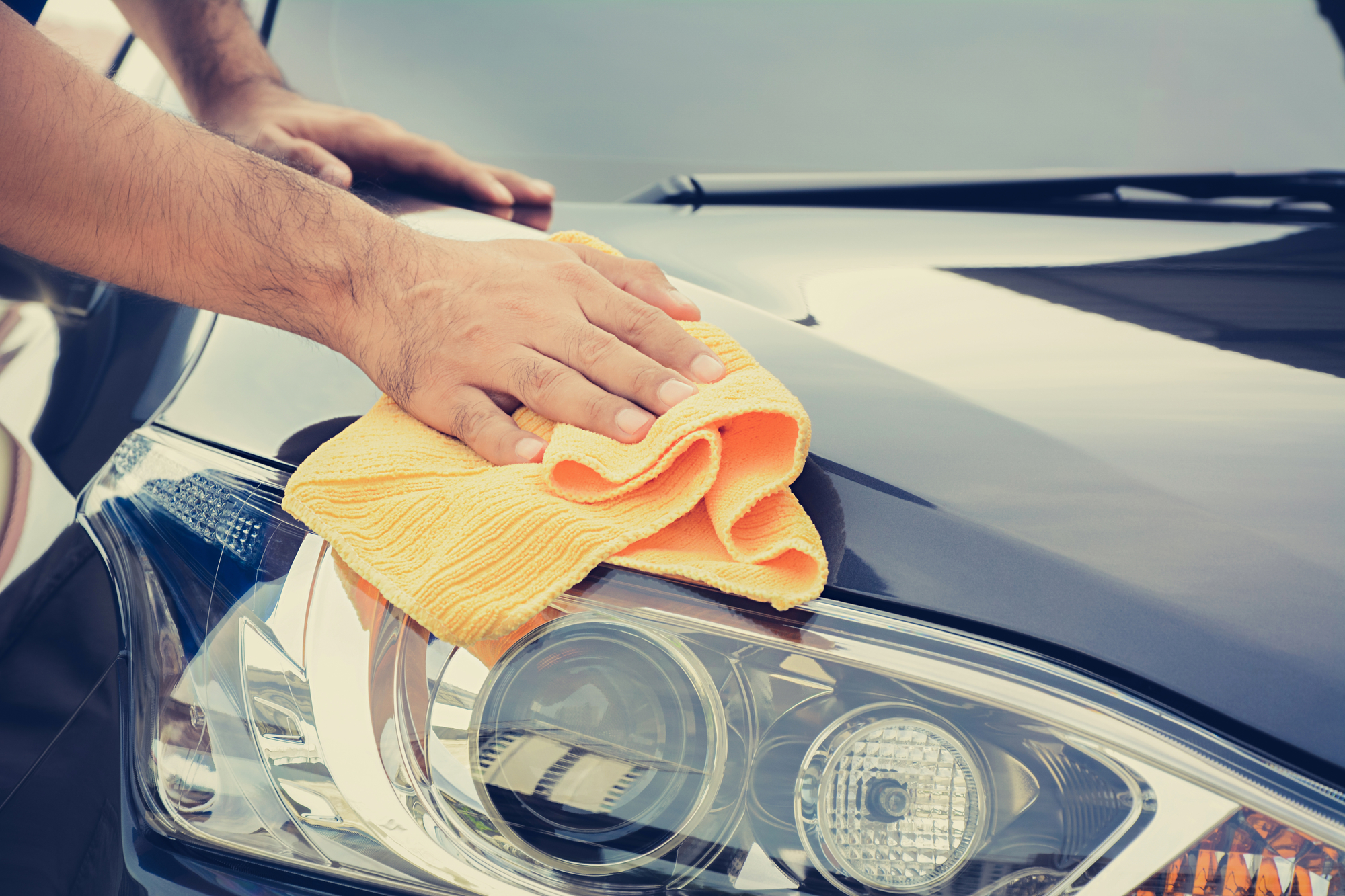
Use a soft applicator pad to spread the wax. Apply thin, even layers in small sections. Work in circular motions for full coverage. Let the wax dry to a haze before buffing. Use a clean microfiber cloth to buff gently. Avoid applying too much wax at once. Regular waxing keeps the paint smooth and protected.
Maintaining Waxed Paint
Maintaining waxed paint keeps your car looking shiny and new for longer. Wax creates a protective layer that guards the paint from dirt, water, and sun damage. Proper care after waxing helps the wax last longer and keeps the paint smooth.
Regular maintenance prevents dullness and paint damage. Small efforts can keep your car’s surface bright and healthy.
Washing Tips
Use a gentle car wash soap, not household detergents. Harsh soaps can strip wax and damage paint. Wash with a soft sponge or microfiber cloth. Rinse often to remove all dirt and soap. Dry the car with a clean, soft towel to avoid water spots.
Wash the car in the shade or during cool times of the day. This prevents soap from drying too fast and leaving marks.
Reapplication Frequency
Wax should be reapplied every 2 to 3 months. This keeps the protective layer strong. Check your car’s surface for dull spots or water beading. If water no longer beads, it is time to reapply wax.
Season and driving conditions affect how often you wax. Cars in harsh weather or dusty areas may need waxing more often.

Credit: www.reddit.com
Frequently Asked Questions
How Long Should I Wait Before Waxing New Car Paint?
Wait at least 30 days before waxing new car paint. This allows the paint to fully cure and harden. Waxing too soon can trap solvents and cause damage or uneven finish.
Why Is Curing Time Important Before Waxing New Paint?
Curing time ensures paint hardens properly. Waxing too early can trap chemicals and moisture. This can lead to paint defects, poor wax adhesion, and reduced protection.
Can I Wax A Car Immediately After Paint Job?
No, avoid waxing immediately after a paint job. Fresh paint needs time to settle and cure. Waxing too soon risks damage and reduces paint longevity.
What Happens If I Wax New Car Paint Too Soon?
Waxing new paint too soon can cause dull spots and uneven finish. It may trap solvents causing bubbling or peeling. Proper curing prevents these issues and improves durability.
Conclusion
Waiting at least 30 days before waxing new car paint protects its finish. This time lets the paint fully cure and harden. Waxing too soon can cause damage or dullness. Gentle care during this period helps your car look its best.
Patience pays off with a shiny, smooth surface. Follow this advice to keep your car’s paint safe and bright. Your car deserves the best care from day one. Keep it clean and wax at the right time for lasting beauty.


