

Are you wondering how many coats of quick wax your car really needs? You want that perfect shine without wasting time or product, right?
Applying too little might leave your paint unprotected, while too much can cause a sticky mess. You’ll discover the ideal number of quick wax layers to get your car looking its best—effortlessly. Keep reading to unlock the secret to a flawless, long-lasting finish that will turn heads wherever you go.
Choosing The Right Quick Wax
Choosing the right quick wax is key to protecting your car’s shine. The right wax helps your paint stay bright and smooth. It also makes cleaning easier. Picking the right product depends on many factors. Knowing these helps you get the best results from your wax.
Quick waxes vary in ingredients and purpose. Some are made for fast application. Others offer longer-lasting protection. Understanding these differences helps you pick what fits your needs.
Types Of Quick Wax
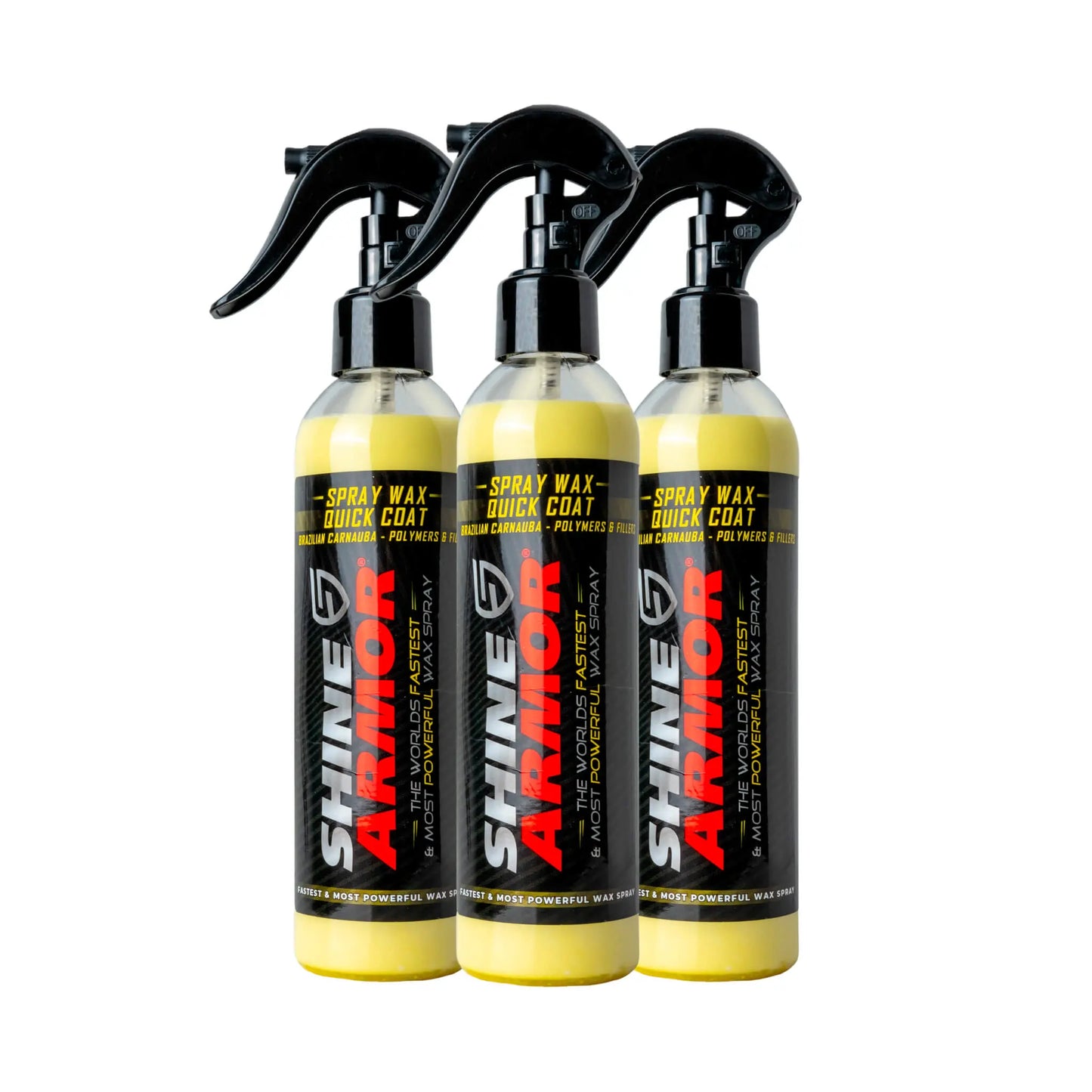
Quick waxes come in liquid, spray, and paste forms. Liquid wax spreads easily and dries fast. Spray wax offers quick coverage and is easy to use. Paste wax takes more effort but can last longer. Each type suits different preferences and car conditions.
Factors To Consider
Consider your car’s age and paint condition. New cars may need lighter protection. Older cars may need stronger waxes to cover imperfections. Weather is important too. Some waxes work better in dry climates. Others protect well against rain and sun. Your time also matters. Choose quick wax for fast, easy application.
Wax Compatibility With Paint
Not all waxes suit every paint type. Check if the wax matches your car’s paint. Some waxes are made for clear coats. Others fit older or single-stage paints. Using the wrong wax can dull the finish. Always read the label before applying any wax.
Credit: www.shinearmor.com
Preparing Your Car For Wax
Preparing your car before applying quick wax is important. A clean, smooth surface helps the wax stick better. It also gives a shiny, long-lasting finish. Taking time to prepare your car makes the waxing process easier and more effective.
Washing And Drying
Start by washing your car with soap and water. This removes dirt, dust, and grime from the paint. Use a soft sponge or cloth to avoid scratches. Rinse well to get rid of all soap. Dry the car completely using a clean microfiber towel. No water drops should remain on the surface.
Removing Old Wax
Old wax can block new wax from bonding to the paint. Use a wax remover or polish to clear away old layers. Apply it with a soft cloth in small sections. Buff the surface gently until the old wax disappears. This step ensures a fresh base for your new wax coats.
Surface Inspection
Look closely at the car’s paint after cleaning. Check for scratches, chips, or stains. Fix minor issues before waxing for better results. Use a clay bar if the surface feels rough. This removes tiny particles stuck in the paint. A smooth surface helps the wax spread evenly and shine bright.
Applying Quick Wax
Applying quick wax on your car is a simple way to keep its shine fresh. It adds a protective layer that repels dirt and water. Doing it right helps the wax last longer and work better.
Tools And Materials Needed
You need a few basic items before starting. Gather quick wax spray, a clean microfiber cloth, and a foam applicator pad. Have another microfiber cloth ready for buffing. Make sure all cloths are clean and dry.
Ideal Application Conditions
Choose a shaded area to apply the wax. Avoid direct sunlight to stop streaks and spots. The car surface should be cool and dry. Do not apply wax on a hot or wet car.
Step-by-step Application Process
First, spray a small amount of quick wax onto the foam applicator or directly on the car panel. Next, spread the wax in a thin, even layer using circular motions. Work on one section at a time for best results. Let the wax dry to a haze, usually a few minutes. Then, use a clean microfiber cloth to buff the wax gently. Buff until you see a smooth, shiny finish. Repeat for all car sections, applying two to three coats for stronger protection.
Credit: www.walmart.com
How Many Coats To Apply
Applying the right number of coats of quick wax on your car improves its shine and protection. Too few coats may not give enough coverage. Too many coats can cause buildup and dullness. Understanding how many coats to apply helps you keep your car looking fresh and smooth.
Single Coat Benefits
One coat of quick wax is fast and easy to apply. It adds a clear shine and basic protection. This method suits cars that are waxed regularly. It saves time and effort without much fuss. A single coat can also highlight the car’s natural color well.
Multiple Coats Pros And Cons
Applying two or more coats can increase the shine and protection. Each layer adds a bit more depth and smoothness to the paint. But too many coats might trap dirt or dust between layers. It can make the surface feel sticky or uneven. Also, multiple coats take more time and careful work.
Recommended Number Of Coats
Most experts suggest applying two coats of quick wax. The first coat creates a solid base. The second coat boosts gloss and durability. This method balances protection with a clean look. For daily drivers, two coats are enough to keep the car bright and safe from light damage.
Enhancing Wax Durability
Enhancing the durability of quick wax on your car helps keep the shine longer. Applying the right number of coats and caring for the wax properly makes a big difference. Proper techniques help the wax bond well with the paint. This creates a stronger, longer-lasting protective layer.
Curing Time Between Coats
Let the wax dry fully before adding another coat. Usually, waiting 10 to 15 minutes is enough. This allows each layer to harden and stick well. Avoid rushing, as wet layers can peel or look uneven. Proper curing time improves the wax’s strength and shine.
Layering Techniques
Apply thin coats instead of thick ones. Thin layers spread evenly and dry faster. Use soft, circular motions to cover the surface. This helps the wax bond smoothly with the paint. Multiple thin coats build a stronger, more durable finish than one thick coat.
Maintenance Tips
Wash your car gently to protect the wax. Use mild soap and soft cloths to avoid scratches. Avoid harsh chemicals that can strip the wax away. Reapply quick wax every few weeks to keep protection strong. Regular care extends the life of the wax coating.
Common Mistakes To Avoid
Applying quick wax on your car can make it shine like new. But many people make common mistakes that reduce the wax’s benefits. Avoiding these errors helps your car look better and keeps the wax lasting longer. Pay attention to how you apply the wax to get the best results.
Over-waxing Issues
Applying too many coats of quick wax can cause problems. The wax layers build up and may create a cloudy look. It can also make the surface sticky or uneven. Over-waxing wastes your product and time. Stick to the recommended number of coats for a smooth finish.
Applying On Dirty Surfaces
Waxing a dirty car is a big mistake. Dirt and dust trap under the wax and scratch the paint. Always wash and dry your car before applying wax. Clean surfaces help the wax stick well and protect the paint better. This step is crucial for a shiny result.
Ignoring Weather Conditions
Waxing in the wrong weather hurts your car’s finish. Avoid applying wax under direct sunlight or on a hot surface. Heat makes the wax dry too fast, causing streaks and spots. Cold or rainy weather stops the wax from setting properly. Choose a cool, dry day for waxing.
Tips For Long-lasting Shine
Keeping your car’s shine fresh takes more than just applying quick wax. To enjoy a long-lasting shine, follow simple care habits. These tips help protect the wax and keep your car looking new longer.
Regular Washing Routine
Wash your car often to remove dirt and grime. Use a gentle car shampoo that does not strip wax. Avoid harsh soaps or household cleaners. Clean surfaces help wax stick better and last longer.
Using Quick Detailers
Quick detailers refresh your car’s shine between washes. Spray a small amount and wipe with a soft cloth. This helps remove light dust and maintains the glossy finish. It also protects the wax layer from fading.
Protecting From Elements
Park your car in shade or use a cover. Sun, rain, and dust can wear away wax fast. Avoid parking under trees where sap or bird droppings can fall. These elements damage both wax and paint.
Credit: www.walmart.com
Frequently Asked Questions
How Many Coats Of Quick Wax Should I Apply?
Typically, applying 2 to 3 thin coats of quick wax is ideal. This ensures even coverage and enhanced shine without buildup. More than three coats can cause a dull finish or streaks on your car’s surface.
Can I Apply Quick Wax More Than Once A Month?
Yes, quick wax can be applied every 2 to 4 weeks. Frequent application maintains protection and gloss. However, avoid daily use to prevent wax buildup and possible paint damage.
Does Multiple Coats Of Quick Wax Improve Protection?
Applying multiple thin coats improves protection by building a stronger barrier. Each coat adds depth and durability against dirt and UV rays. Overdoing it can reduce effectiveness and cause streaking.
How Long Should I Wait Between Quick Wax Coats?
Wait about 5 to 10 minutes between coats for the wax to dry. Proper drying ensures each layer bonds well to the paint. Rushing can lead to uneven finish and streaks.
Conclusion
Applying two to three coats of quick wax usually works best. Each coat adds extra shine and protection to your car’s surface. Wait a few minutes between coats for the wax to dry properly. Too many coats can leave a sticky or cloudy finish.
Keep your car clean before waxing for better results. Regular waxing helps maintain your car’s look and guards against damage. Simple steps can keep your car shiny and protected for longer. Try not to rush the process; patience pays off.


