

Are you wondering how many amps your car battery charger should have? Choosing the right amp rating is crucial to charging your battery safely and quickly.
Too low, and it will take forever to charge; too high, and you risk damaging your battery. You’ll discover exactly what amp level works best for your car battery and why it matters. Keep reading to make sure you never get caught with a dead battery again.
Amps And Charging Basics
Understanding amps and charging basics is key to using a car battery charger well. Amps measure how much electric current flows to the battery. This flow powers the charging process.
The right number of amps helps charge the battery safely and quickly. Too many amps can harm the battery. Too few amps take longer to charge.
What Amps Mean For Charging
Amps show how fast a charger can send power to a battery. Higher amps mean faster charging. Lower amps mean slower charging but safer for small batteries.
Most car batteries need chargers with 2 to 10 amps. A 2-amp charger is good for small batteries or slow charging. A 10-amp charger works for larger batteries or quicker charging.
Choosing the right amps depends on your battery size and how fast you want to charge it.
Types Of Car Battery Chargers
There are several types of chargers based on amps and use. A trickle charger uses low amps, usually 1-2 amps. It keeps the battery full over time.
A standard charger provides 4-6 amps. It charges most car batteries in a few hours. Fast chargers use 10 amps or more to quickly power up a battery.
Smart chargers adjust amps automatically. They protect the battery from overcharging and keep it healthy.
Credit: www.howacarworks.com
Choosing The Right Amp Rating
Choosing the right amp rating for a car battery charger is very important. The amp rating tells you how much current the charger will use to fill the battery. Picking the right amps helps charge the battery safely and quickly. It also protects the battery from damage. Understanding the battery size and charging speed helps find the best amp rating.
Small Vs. Large Batteries
Small batteries need chargers with lower amps. A 2 to 6 amp charger works well for small batteries. Large batteries need higher amps, usually between 10 and 20 amps. Using a charger with too many amps on a small battery can cause damage. A proper amp rating matches the battery size for safe charging.
Fast Charging Vs. Slow Charging
Fast chargers use more amps to fill the battery quickly. They can charge a battery in a few hours. Slow chargers use fewer amps and take longer. Slow charging is safer and better for battery health. Fast charging is useful when you need power quickly. Choose amps based on how fast you want the battery charged.
Impact On Battery Life
Charging with the right amps helps the battery last longer. Too many amps can overheat and harm the battery. Too few amps may not fully charge the battery. Slow and steady charging keeps the battery strong. Correct amp ratings prevent early battery failure and improve performance.
Factors Influencing Amp Selection
Selecting the right amp rating for a car battery charger depends on several factors. These factors affect how fast and safely your battery charges. Choosing the wrong amp can harm the battery or reduce its life. Understanding these influences helps you pick the best charger for your needs.
Battery Condition And Age
Old or weak batteries need lower amps to avoid damage. New batteries can handle higher amps for faster charging. A damaged battery might require slow charging to recover. Always check your battery’s health before choosing the charger’s amp.
Charger Compatibility
Not all chargers work with every battery type. Some chargers offer variable amps for different batteries. Ensure your charger’s amps match the battery’s specifications. Using an incompatible charger can cause overheating or poor charging.
Intended Use And Frequency
Frequent charging needs a charger with stable amps for safety. Occasional use can tolerate slower charging with low amps. Fast charging is useful for emergencies but may shorten battery life. Consider how often and why you charge before picking the amp size.
Common Amp Ratings Explained
Car battery chargers come in different amp ratings. These ratings show how fast the charger can fill your battery with power. Understanding these amps helps you pick the right charger for your needs. Chargers with lower amps charge slowly but are safer for small batteries. Higher amp chargers work faster but need more care to avoid damage.
1 To 2 Amps Chargers
Chargers with 1 to 2 amps are gentle on batteries. They work well for small or maintenance charging. This slow charging helps keep batteries healthy. Ideal for overnight charging or when you are not in a hurry. These chargers prevent overheating and reduce the risk of battery damage.
4 To 6 Amps Chargers
Chargers rated 4 to 6 amps charge batteries faster than low-amp ones. They suit medium-sized batteries, like those in cars and small trucks. Charging time usually takes a few hours. Safe for regular use, but watch the battery during charging. Good for people who want quicker charging without rushing.
10 Amps And Above
Chargers with 10 amps or more deliver fast charging. Best for large batteries or quick power boosts. Use these when time is short, but monitor the battery closely. High amp chargers can cause overheating if not used properly. They offer speed but need more attention during the charging process.
Safety Tips For Charging
Charging a car battery needs care. Safety is key to avoid damage or injury. Follow simple rules to charge safely and protect your battery and yourself.
Avoiding Overcharging
Overcharging can harm the battery and reduce its life. Use a charger with an automatic shutoff feature. Set the correct amp rate for your battery size. Never leave the charger connected for too long.
Proper Connection Techniques
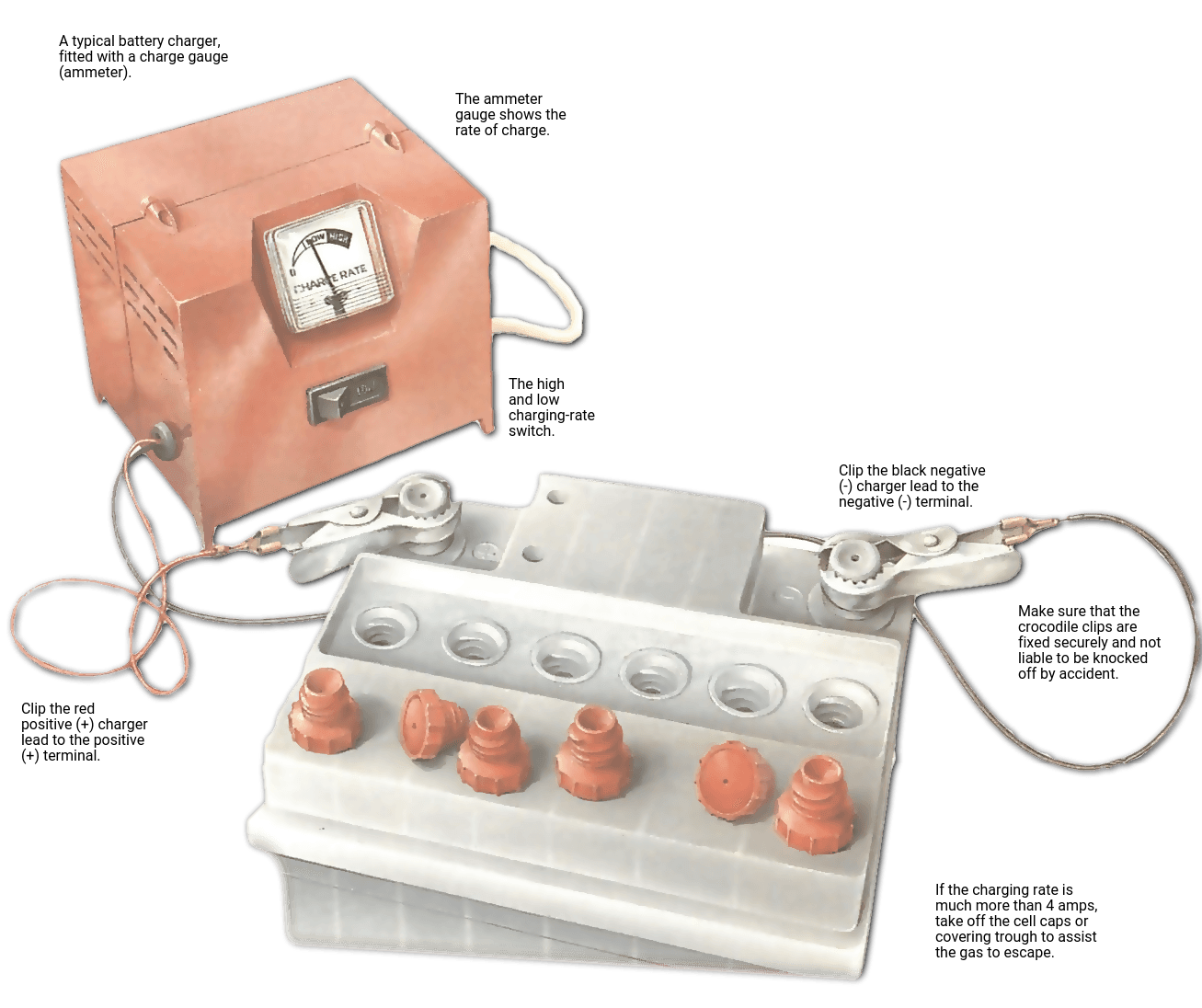
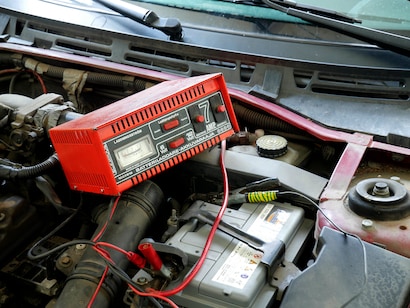
Connect the charger cables correctly. Attach the positive clamp to the battery’s positive terminal first. Then connect the negative clamp to a metal part of the car frame. This reduces the risk of sparks near the battery.
Monitoring Charging Progress
Watch the battery and charger during the process. Check for unusual heat or smells. Stop charging if the battery feels very hot or if you see swelling. Regularly check the charger’s display or indicator lights.
Credit: www.carcitywholesale.com
Additional Features To Consider
Choosing the right car battery charger involves more than just amps. Extra features improve safety and ease of use. They also protect your battery and charger. These features help you get the best performance and value.
Automatic Shutoff
This feature stops charging when the battery is full. It prevents overcharging and battery damage. You can leave the charger connected without worry. It saves energy and extends battery life.
Multi-stage Charging
This method charges the battery in steps. It starts with a high current to charge fast. Then, it lowers the current to avoid overheating. Finally, it keeps a small charge to maintain the battery. This process is safer and better for your battery.
Portability And Design
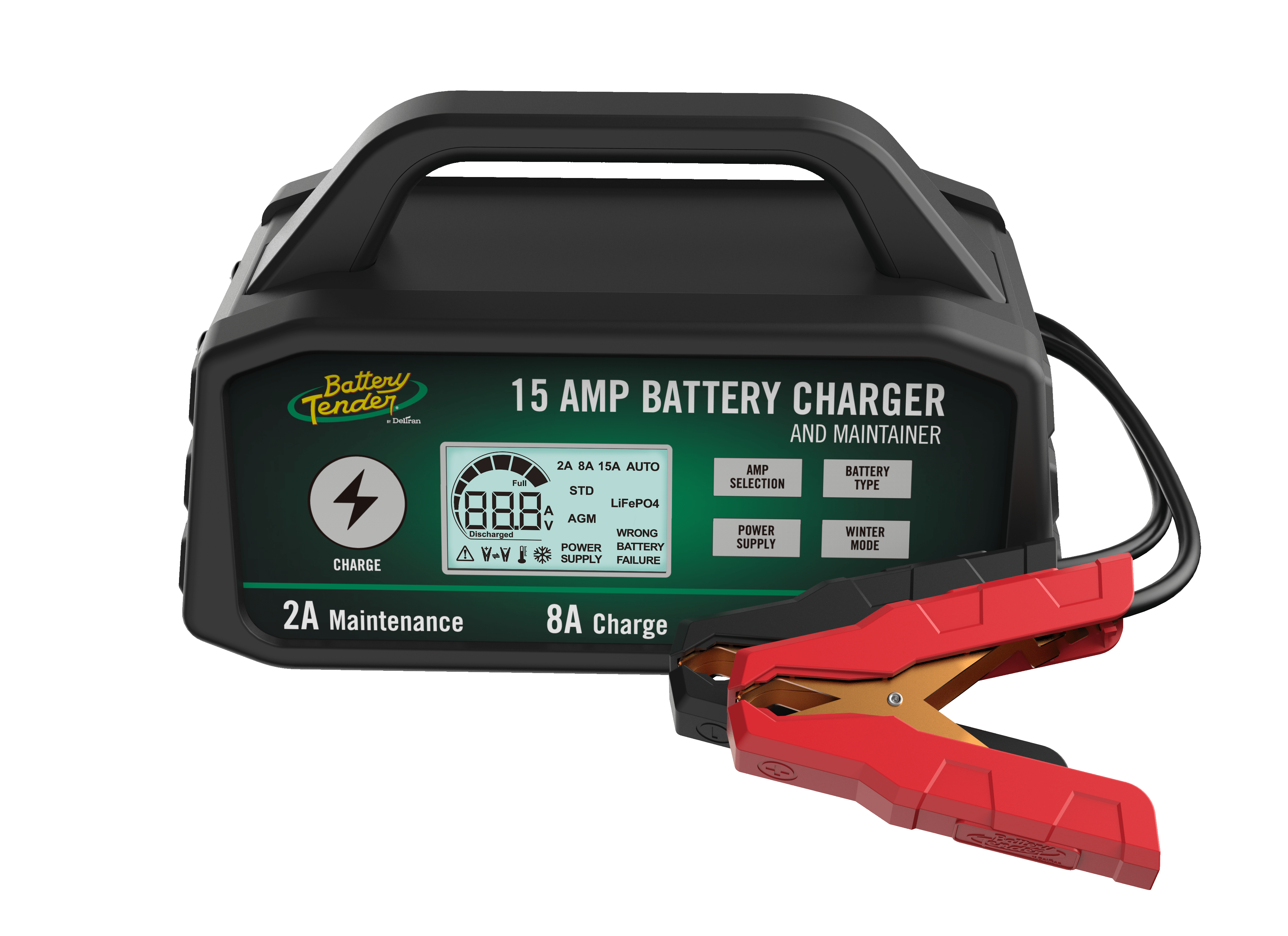
Look for a charger that is easy to carry. Small size and light weight help with storage and transport. A simple design with clear controls makes operation easy. Some chargers come with handles or cases for convenience.
Credit: www.batterytender.com
Frequently Asked Questions
What Amp Rating Is Best For Car Battery Chargers?
A 2 to 10 amp charger is ideal for most car batteries. Lower amps charge slowly but safely. Higher amps charge quickly but risk battery damage if not monitored.
How Many Amps Does A Slow Charger Have?
Slow chargers usually provide 2 amps or less. They gently restore battery charge over several hours. This method extends battery life and prevents overheating.
Can A 10 Amp Charger Damage My Battery?
A 10 amp charger can damage a small battery if used improperly. Always match charger amps to battery size and follow manufacturer instructions to avoid overcharging.
How Long Does A 5 Amp Charger Take To Charge?
A 5 amp charger typically takes 4 to 10 hours to fully charge a car battery. Charging time depends on battery size and current battery level.
Conclusion
Choosing the right amp for your car battery charger matters a lot. A low amp charger takes longer but is safer for small batteries. Higher amps charge faster but need careful use to avoid damage. Always match the charger’s amp rating with your battery size.
This helps your battery last longer and work well. Understanding amps keeps your charging process simple and safe. Keep these points in mind for better battery care. Charging your car battery properly saves time and money.

