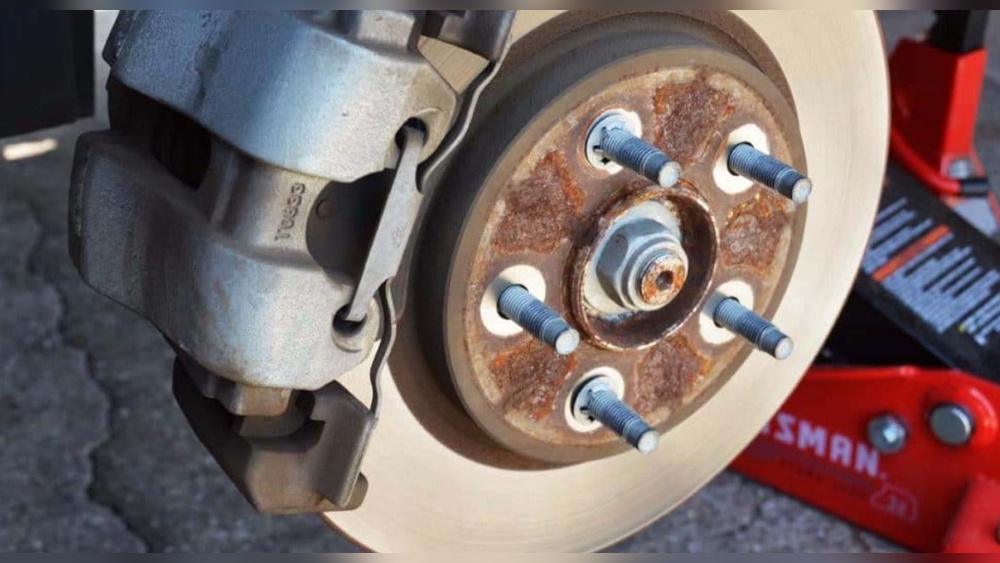
Have you ever wondered how many brake rotors your car has? Understanding this simple yet crucial part can save you from unexpected repairs and keep your vehicle running safely.
Whether you’re a new driver or just curious about your car’s mechanics, knowing the number of brake rotors helps you better maintain your brakes and avoid costly mistakes. Keep reading, and you’ll discover exactly what you need to know to take control of your car’s braking system.
Brake Rotor Basics
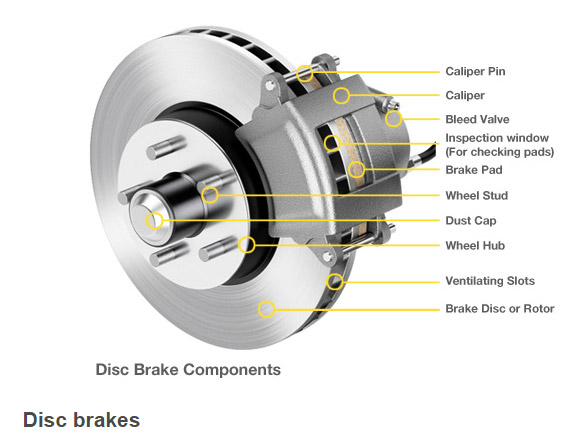
Brake rotors are key parts of a car’s brake system. They work with brake pads to stop the vehicle. Understanding the basics of brake rotors helps in knowing how brakes function. It also aids in maintenance and safety checks.
Role Of Brake Rotors
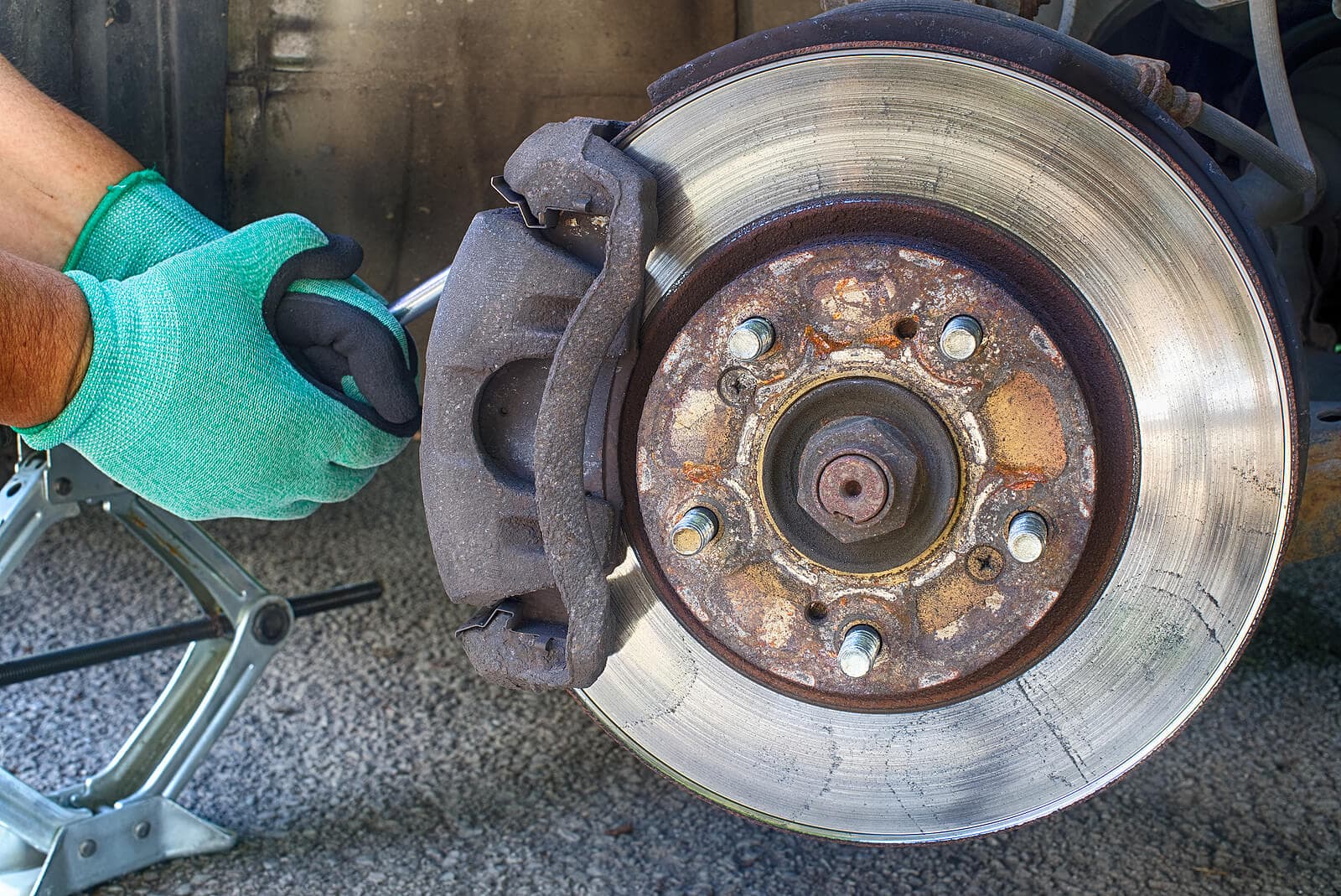
Brake rotors are metal discs attached to the wheels. When you press the brake pedal, brake pads squeeze the rotors. This action creates friction that slows down the car. Rotors help convert the car’s movement into heat energy. This process stops the wheels from spinning. Without rotors, the car would not stop efficiently.
Types Of Brake Rotors
There are several types of brake rotors. Solid rotors are plain and simple discs. They work well for normal driving. Vented rotors have air channels inside. These channels help cool the rotors faster. Drilled rotors have holes on their surface. They improve heat dissipation and reduce water buildup. Slotted rotors have grooves cut into them. These grooves help remove dust and gas. Each type fits different driving needs and car models.
Materials Used In Rotors
Most brake rotors are made from cast iron. Cast iron is strong and handles heat well. Some rotors use steel for added strength. High-performance cars may use carbon or ceramic rotors. These materials are lighter and resist heat better. Material choice affects rotor durability and cost. Proper material ensures safe and smooth braking.
Credit: urbsgarage.com
Rotor Quantity In Cars
Cars use brake rotors as a key part of their braking system. These rotors work with brake pads to slow or stop the vehicle. The number of brake rotors varies by car type and design. Understanding rotor quantity helps with maintenance and repairs.
Standard Number Of Rotors
Most cars have four brake rotors. One rotor is attached to each wheel. This setup provides balanced braking power. It helps the car stop smoothly and safely. Some older cars may have drum brakes instead of rotors.
Variations By Vehicle Type
Sports cars and trucks may have more or fewer rotors. Some trucks use drum brakes on the rear wheels. High-performance cars often have larger or vented rotors. These help handle more heat during fast stops. Small cars usually stick to the standard four rotors.
Impact Of Drivetrain On Rotor Count
Drivetrain type also affects rotor numbers. All-wheel drive cars still use four rotors. Front-wheel drive cars typically have four rotors too. Rear-wheel drive vehicles rarely change rotor count. The drivetrain mainly changes which wheels get power, not rotors.
Front Vs Rear Rotors
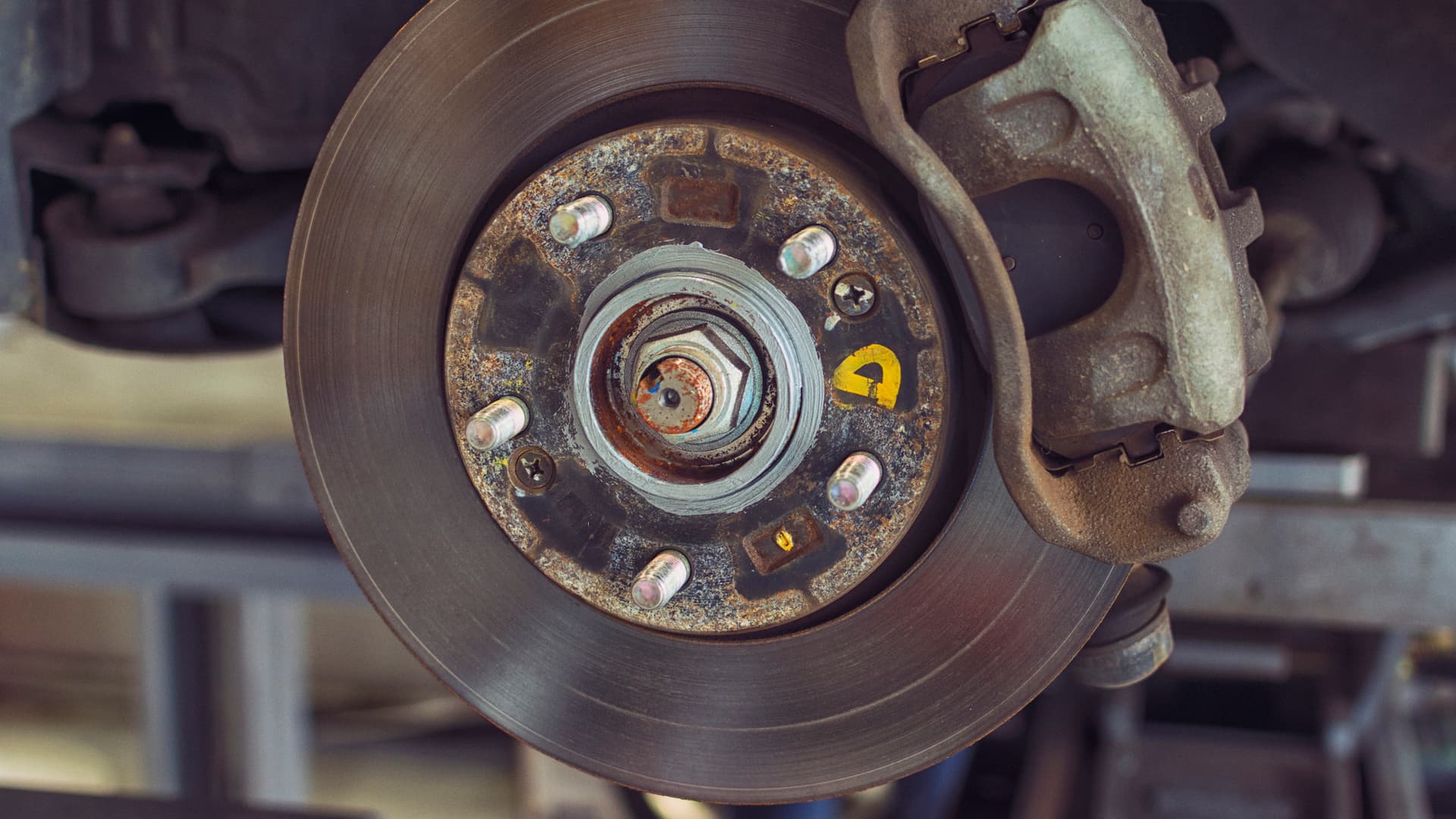
Cars usually have brake rotors on both front and rear wheels. These rotors help slow down or stop the car. Front and rear rotors look different and work in unique ways. Understanding these differences helps you know how your car’s braking system works.
Differences In Size And Design
Front rotors are often bigger than rear rotors. They have a thicker and wider surface. This helps them handle more heat and pressure. Rear rotors are smaller and thinner. Their design is simpler because they do less work than front rotors.
Why Front Rotors Are Larger
Most braking power is done by the front wheels. When you brake, weight shifts forward. This increases the load on the front tires. Larger rotors on the front help manage this extra force. They cool down faster and last longer under pressure.
Rear Rotor Functions
Rear rotors mainly help keep the car stable. They assist in slowing the vehicle but do not carry most of the braking load. Rear brakes also help when the car is parked. This makes sure the vehicle stays still on slopes or hills.
Credit: urbsgarage.com
Rotors In Special Vehicles
Special vehicles need different brake rotors than normal cars. Their design suits unique driving needs. These vehicles handle more weight or speed. So, their brake rotors vary in size and number. Understanding these differences helps know how brakes work in these cars.
Performance And Sports Cars
Sports cars often have four brake rotors. Each wheel has one rotor for strong stopping power. These rotors are usually larger and made from better materials. They cool down fast to avoid brake fade. Some sports cars use drilled or slotted rotors. This design improves grip and heat release.
Heavy-duty And Trucks
Heavy trucks carry more weight and need strong brakes. They have at least four rotors, like regular cars. Some trucks add extra rotors on rear wheels. This helps manage heavy loads and long braking. Their rotors are thicker and more durable. This keeps brakes working under tough conditions.
Electric And Hybrid Cars
Electric and hybrid cars use brakes differently. They have four rotors like standard cars. Their brakes work with electric motors to save energy. Regenerative braking reduces wear on rotors. Rotors in these cars may last longer. They also use special materials for smooth braking.
Rotor Maintenance Tips
Proper maintenance of brake rotors helps keep your car safe and your brakes working well. Rotors wear down over time and need care to last longer. Knowing how to spot problems and when to replace them saves money and prevents accidents. Follow these simple tips to take good care of your rotors and enjoy smooth braking every day.
Signs Of Worn Rotors
Listen for squeaking or grinding noises when braking. Feel for vibration or pulsing in the brake pedal. Check for visible grooves or cracks on the rotor surface. These signs mean your rotors may be worn out and need attention. Ignoring these signs can cause brake failure.
When To Replace Rotors
Replace rotors if they are thinner than the manufacturer’s minimum limit. Warped or cracked rotors also need replacement immediately. If you notice uneven braking or longer stopping distances, check the rotors. Regular brake inspections help determine the right time to change them.
Extending Rotor Lifespan
Drive smoothly to avoid sudden stops that stress rotors. Avoid riding the brakes on downhill roads. Keep brake pads in good condition to prevent rotor damage. Clean rotors regularly to remove dirt and rust. Proper maintenance helps rotors last longer and keeps your car safe.
Upgrading Brake Rotors
Upgrading brake rotors improves your car’s stopping power and safety. Better rotors handle heat and wear well. This upgrade suits drivers who want more control and durability. Choosing the right rotors matters for performance and fit. Installation also affects how well the upgrade works. Understanding these points helps you make smart choices.
Benefits Of High-performance Rotors
High-performance rotors cool faster during braking. They reduce brake fade on long drives or steep hills. These rotors resist warping, keeping your brakes smooth and steady. Many have special designs like slots or holes. This helps clear dust and water for better grip. Overall, they last longer and improve safety.
Choosing The Right Rotor Upgrade
Pick rotors that fit your car’s make and model. Check if you need drilled, slotted, or plain rotors. Drilled rotors help with heat, but can crack under stress. Slotted rotors clear dust and keep pads clean. Plain rotors are quiet and last long. Match rotors with your driving style and budget.
Installation Considerations
Clean the hub surface before placing new rotors. Tighten bolts to the manufacturer’s recommended torque. Replace brake pads along with rotors for best results. Test brakes gently after installation to ensure safety. Professional help is useful if unsure about the process. Proper installation ensures better braking and longer rotor life.
Credit: axiombrakes.ca
Frequently Asked Questions
How Many Brake Rotors Are On A Typical Car?
Most cars have four brake rotors, one on each wheel. Some older or budget models may have only two rotors in the front. Four rotors provide balanced and effective braking performance for most vehicles.
Why Do Some Cars Have Only Two Brake Rotors?
Some cars use rear drum brakes instead of rotors, so they only have two front brake rotors. This setup reduces cost but may sacrifice braking performance and heat dissipation compared to four-rotor systems.
Can A Car Function With Fewer Brake Rotors?
Technically, yes. Cars with two front brake rotors and rear drum brakes function properly. However, having four rotors enhances braking stability and safety under heavy use or high speeds.
How Often Should Brake Rotors Be Replaced?
Brake rotors typically last 30,000 to 70,000 miles depending on driving habits. Signs of wear include vibrations, noise, or visible grooves. Regular inspection ensures timely replacement for optimal braking performance.
Conclusion
Most cars have four brake rotors, one for each wheel. Some older or simpler models may have only two rotors in the front. Rotors work with brake pads to stop your car safely. Keeping rotors in good shape helps your brakes work well.
Regular checks can catch wear before it becomes a problem. Understanding how many rotors your car has helps with maintenance. Safe driving depends on a well-functioning brake system. Always pay attention to any brake noise or vibration. Better brakes mean better control on the road.