When you wash your car, the pressure of the water matters more than you might think. Too strong, and you risk damaging the paint or delicate parts.
Too weak, and you won’t get your car truly clean. So, what is a safe pressure to wash a car that protects your vehicle while giving it a sparkling finish? If you want to keep your car looking its best without causing harm, understanding the right pressure is key.
You’ll learn exactly how to choose the perfect pressure for washing your car safely and effectively. Keep reading to avoid costly mistakes and make your next car wash a success.

Credit: stonercarcare.com
Ideal Pressure Range
Choosing the right pressure to wash a car is very important. Too much pressure can damage the paint or parts. Too little pressure may not clean well. The ideal pressure range helps clean safely and effectively. It depends on the surface and dirt level. Most car washing tasks fit into three pressure categories. Each suits different cleaning needs and car parts.
Low Pressure For Delicate Surfaces
Low pressure means about 1200 to 1900 PSI. Use this for fragile areas like windows, mirrors, and soft paint. It removes dirt without causing scratches or chips. Low pressure works well on waxed or polished surfaces. It protects seals and trims from water damage. Always keep a safe distance from the surface to avoid harm.
Moderate Pressure For Regular Cleaning
Moderate pressure ranges from 1900 to 2300 PSI. This level cleans most car surfaces effectively. It removes dirt, mud, and grime safely. Use moderate pressure on the car body, wheels, and bumpers. It balances cleaning power and surface safety. This range fits most home pressure washers for car care.
High Pressure Risks
High pressure is above 2300 PSI. It can strip paint or dent panels easily. High pressure may damage rubber seals and delicate parts. Avoid using high pressure directly on car surfaces. It is better for tough jobs like cleaning driveways or removing heavy grime. Use caution and test on a small area before full use.
Types Of Pressure Washers
Pressure washers come in different types. Each type works differently. Knowing these types helps you choose the best one for washing your car safely.
Some models are better for light cleaning. Others handle tough dirt well. Understanding these differences protects your car’s paint and finish.
Electric Vs Gas Models
Electric pressure washers are quiet and easy to use. They need less maintenance and work well for small jobs. These models are lighter and often cheaper.
Gas pressure washers are more powerful. They work best for heavy cleaning and large areas. Gas models are louder and need more care, but they deliver strong water pressure.
Pressure Ratings Explained
Pressure is measured in PSI (pounds per square inch). Lower PSI means gentler cleaning. High PSI means more force and risk of damage.
Cars usually need around 1200 to 1900 PSI. This range cleans dirt without harming paint. Too much pressure can cause scratches or peel paint.
Choose a washer with adjustable pressure. This lets you control the force for safe washing. Always start with low pressure to protect your car.
Factors Affecting Safe Pressure
Choosing the right pressure for washing a car depends on several important factors. These factors help protect the car’s surface from damage. Understanding them keeps your car clean and safe.
Car Paint Condition
The condition of your car’s paint matters a lot. Older paint or damaged paint needs lower pressure. Fresh or strong paint can handle more pressure. Using too much pressure on weak paint can cause peeling or scratches.
Surface Materials
Different parts of a car have different materials. Metal, plastic, glass, and rubber respond differently to pressure. Metal can take higher pressure than soft plastic or rubber. Be gentle with fragile materials to avoid cracks or dents.
Distance And Nozzle Angle
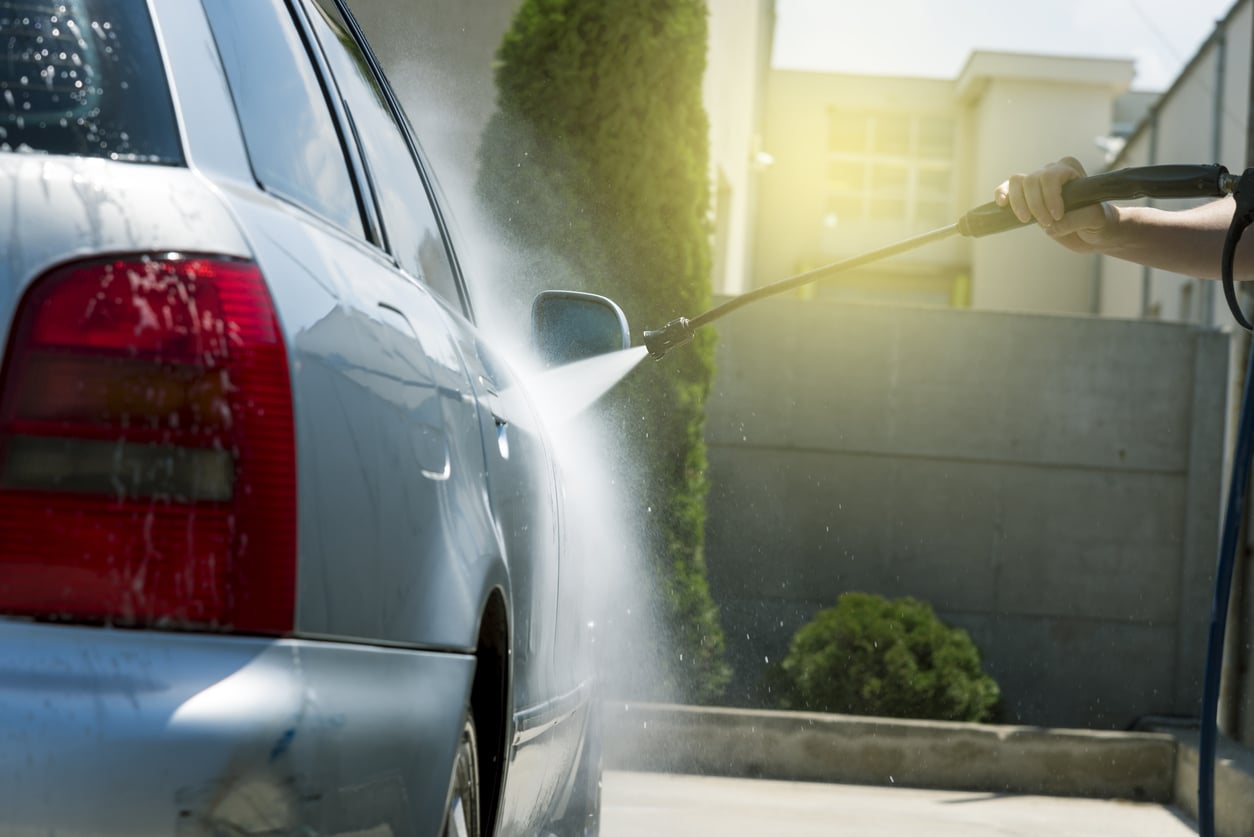
The distance between the nozzle and the car changes the impact force. Closer distance means stronger pressure. Keep the nozzle at least 12 inches away. The angle also matters. A direct spray can damage paint, while a 45-degree angle reduces impact.

Credit: www.paintedoemparts.com
Techniques For Safe Washing
Washing a car safely protects its paint and finish. Using the right techniques helps avoid damage and keeps the car looking new. Simple steps make washing effective and safe. These methods focus on water pressure, tools, and cleaning products.
Maintaining Proper Distance
Keep the pressure washer nozzle at least 12 inches from the car surface. Too close can damage paint or cause chips. Holding it farther away spreads the water pressure evenly. Move the nozzle in smooth, steady motions. Avoid staying in one spot for too long.
Using The Right Nozzle
Choose a nozzle with a wide spray angle, like 25 or 40 degrees. Narrow nozzles increase pressure and may harm paint. Wide nozzles cover more area gently. Always check the nozzle before starting. Replace damaged or worn nozzles to ensure safe washing.
Pre-rinsing And Detergent Use
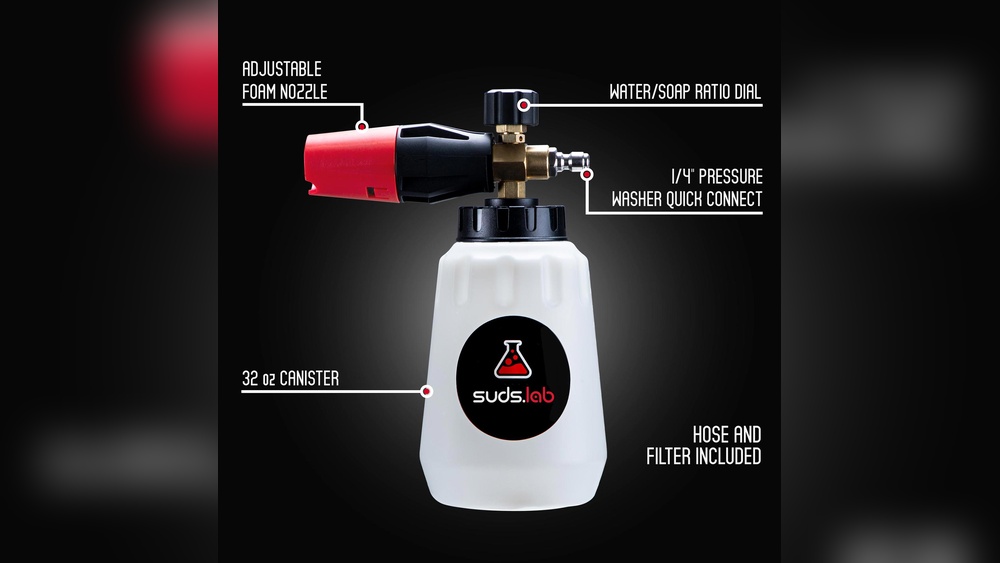
Start by rinsing the car to remove loose dirt and grime. This prevents scratching during washing. Use a car-safe detergent mixed with water. Apply gently using a foam cannon or soft sponge. Let the detergent sit for a few minutes before rinsing. Avoid harsh chemicals that strip wax or damage paint.
Common Mistakes To Avoid
Washing a car with the right pressure is important to avoid damage. Many people make simple mistakes that hurt their car’s paint and parts. Knowing what to avoid helps keep your car looking new.
Using Excessive Pressure
Using too much pressure can chip paint and cause scratches. It can also force water into places it shouldn’t go. Use a pressure setting that cleans dirt but does not harm the surface. Low to medium pressure is usually safe for most cars.
Ignoring Manufacturer Guidelines
Car makers often give advice on how to wash your car. These guidelines include the safe pressure level for cleaning. Ignoring these rules can void warranties or cause damage. Always check your car’s manual or label for washing instructions.
Spraying Sensitive Areas
Some car parts are fragile and need gentle cleaning. Avoid spraying pressure directly on seals, mirrors, and electrical parts. Water can damage these areas or cause leaks. Clean these spots with soft cloths or low-pressure water.
Credit: www.simoniz.uk
Expert Recommendations
Experts suggest safe pressure levels to protect your car’s paint and parts. Using the right pressure keeps your car clean without damage. Different vehicles need different pressure settings for the best results.
Recommended Psi Levels
Most cars do well with 1200 to 1900 PSI for washing. Use lower pressure, around 1200 PSI, for delicate parts and older cars. Trucks and SUVs can handle up to 2000 PSI safely. Avoid using pressure above 2000 PSI to stop paint damage.
Best Practices For Different Vehicles
New cars and those with clear coats need gentle pressure. Use wider spray nozzles and keep the wand 12 inches away from the surface. For motorcycles and bikes, lower pressure and soft brushes work best. Avoid spraying windows and mirrors directly to prevent cracks.
When To Seek Professional Help
Choose professionals if you lack proper tools or experience. High-pressure washers can cause damage if misused. Professionals know how to adjust pressure for each vehicle type. They also spot hidden issues that might need gentle care.
Frequently Asked Questions
What Is The Ideal Pressure For Washing A Car?
The ideal pressure for washing a car is between 1200 to 1900 PSI. This range cleans effectively without damaging paint or decals. Lower pressure avoids stripping wax or paint layers, ensuring a safe and thorough wash.
Can High Pressure Damage Car Paint?
Yes, high pressure above 2000 PSI can damage car paint. It may strip wax, scratch, or chip the surface. Use moderate pressure to protect your car’s finish while removing dirt and grime safely.
Should I Use A Pressure Washer Or Hose For Washing?
A pressure washer with controlled pressure is better for deep cleaning. Use a hose for delicate areas or light dirt. Combining both methods ensures thorough cleaning without risking damage.
How Far Should The Pressure Washer Nozzle Be From The Car?
Keep the nozzle at least 12 inches away from the car surface. This distance prevents paint damage and allows safe cleaning. Adjust distance based on pressure and dirt level.
Conclusion
Washing your car with the right pressure keeps it safe and clean. Too much pressure can damage paint and parts. Use a gentle setting to protect your car’s surface. Always check the pressure before you start washing. This helps avoid costly repairs later.
Clean your car carefully and enjoy a shiny finish. Remember, safe pressure means a long-lasting, beautiful car.