
Have you ever wondered how many motor mounts your car actually has? Knowing this can help you understand how your engine stays secure and why your ride feels smooth or shaky.
If you’ve noticed unusual vibrations or noises, the number and condition of your motor mounts might be the key. You’ll discover exactly how many motor mounts are in most cars and why they matter to your vehicle’s performance and comfort.
Keep reading—you’ll find out what to look for and how this simple part plays a big role in your driving experience.
Credit: www.sujanindustries.com
Purpose Of Motor Mounts
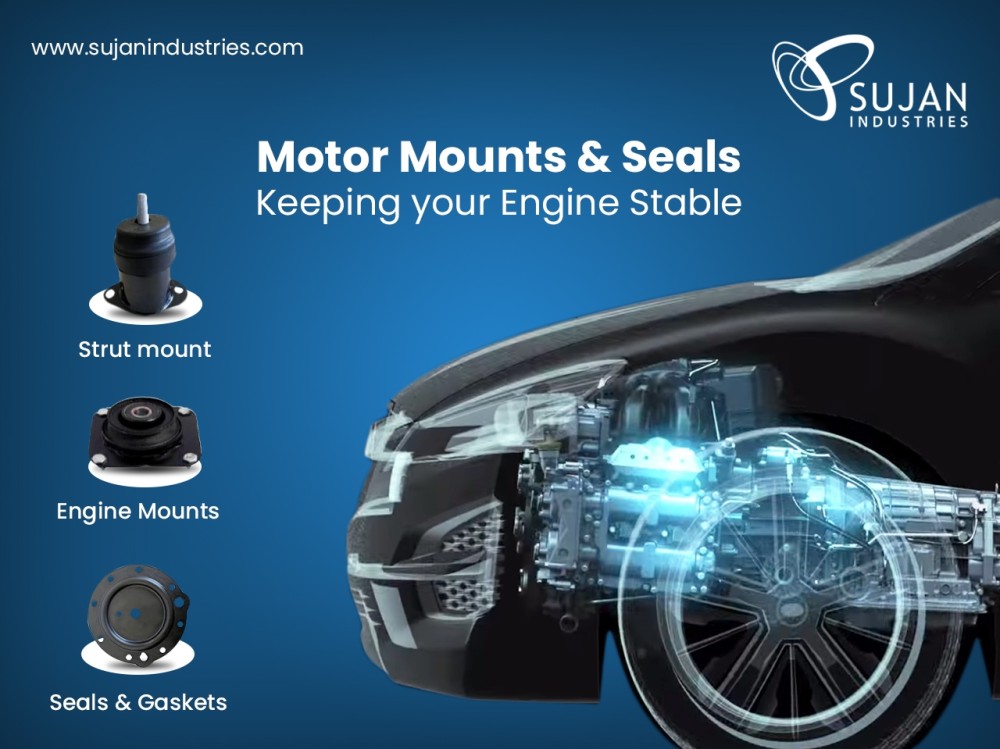
Motor mounts play a key role in a car’s engine system. They hold the engine in place and help control movement. Without motor mounts, the engine would move too much. This could cause damage and make driving uncomfortable. The purpose of motor mounts is to keep the engine steady and reduce unwanted vibrations. They also help the car handle better on the road.
Reducing Engine Vibrations
Engines create vibrations when running. These vibrations can reach the car’s cabin and cause discomfort. Motor mounts use rubber or other materials to absorb this shaking. This stops much of the vibration from reaching passengers. It makes the ride smoother and quieter.
Securing The Engine
Motor mounts keep the engine fixed to the car’s frame. This stops the engine from moving forward or sideways. A secure engine means less wear on parts and fewer repairs. It also keeps the engine aligned with other parts, like the transmission.
Enhancing Vehicle Stability
By holding the engine firmly, motor mounts improve vehicle control. The engine’s weight stays balanced, which helps the car stay stable. This is important during turns and sudden stops. Good motor mounts help the car drive safely and smoothly.
Credit: www.autoscopecarcare.com
Common Number Of Motor Mounts
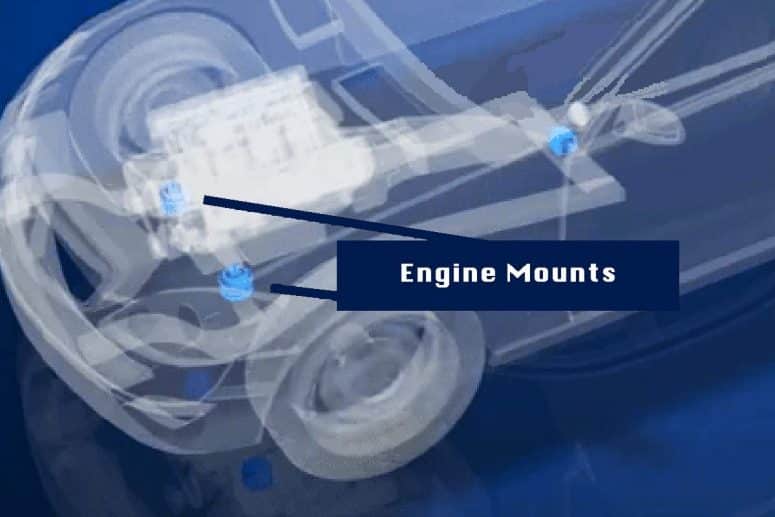
Most cars have several motor mounts to hold the engine in place. These mounts keep the engine steady and reduce vibrations. Knowing how many motor mounts a car has helps understand its design and performance.
Typical Configurations
Usually, a car has three to four motor mounts. One mount is placed at the front of the engine. Another is at the back. Side mounts may hold the engine firmly from each side. This setup balances the engine and absorbs shocks.
Variations By Vehicle Type
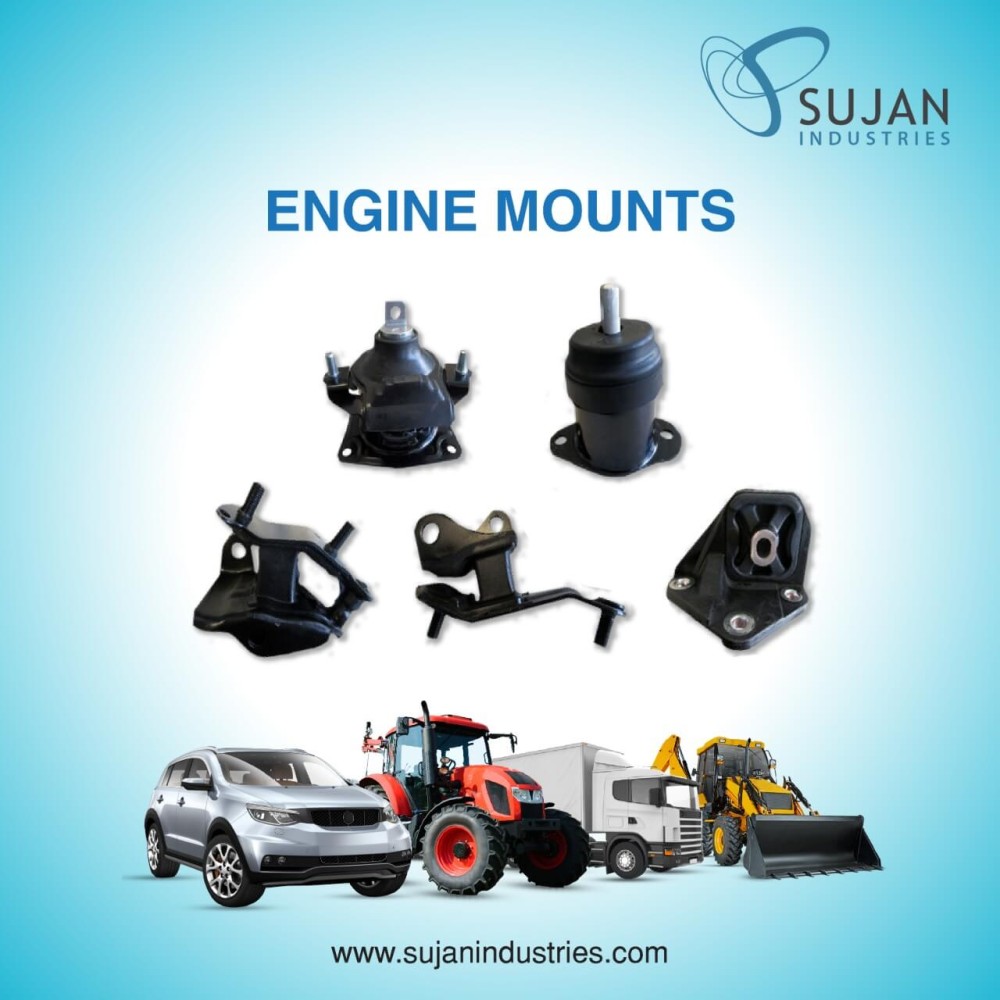
Smaller cars often have three mounts. Larger vehicles like trucks may have four or more. Sports cars sometimes use extra mounts for better stability. Each vehicle type needs mounts based on weight and engine size.
Impact Of Engine Layout
The engine layout changes the number of mounts needed. Inline engines usually have three mounts. V-shaped engines might require four or five mounts. Flat engines spread mounts wide for better support. The layout affects how the engine moves and stays stable.
Types Of Motor Mounts
Motor mounts play a key role in keeping the engine stable inside a car. Different types of motor mounts exist, each with its own features and benefits. Understanding these types helps explain how cars stay smooth and quiet during drives.
Rubber Motor Mounts
Rubber motor mounts are the most common type. They use rubber to absorb engine vibrations. This helps reduce noise and shaking. Rubber mounts are affordable and work well in most vehicles. They wear out over time but are easy to replace.
Hydraulic Motor Mounts
Hydraulic motor mounts contain fluid inside them. The fluid helps absorb and dampen vibrations better than rubber alone. These mounts provide a smoother and quieter ride. They are often used in luxury or high-performance cars. Hydraulic mounts cost more but improve comfort.
Polyurethane Motor Mounts
Polyurethane motor mounts are harder than rubber mounts. They offer better durability and performance. These mounts reduce engine movement more effectively. They are popular in sports cars and modified vehicles. Polyurethane mounts can cause more vibration to be felt inside the car.
Signs Of Worn Motor Mounts
Motor mounts keep your engine stable and secure inside the car. Over time, these mounts can wear out and cause problems. Knowing the signs of worn motor mounts helps protect your engine and improve your driving experience. Notice these symptoms early to avoid costly repairs.
Excessive Engine Movement
Worn motor mounts allow the engine to move too much. You might see the engine shift when you accelerate or brake. This movement can cause damage to other parts. The engine may also feel loose or shaky under the hood.
Unusual Vibrations
Vibrations increase when motor mounts wear down. You may feel these shakes inside the cabin, especially at idle. The engine’s vibrations travel more into the car frame. This makes the ride uncomfortable and noisy.
Clunking Noises
Clunking sounds happen when mounts fail to hold the engine properly. These noises occur during gear changes or sudden stops. The engine hits other parts, causing banging sounds. This is a clear sign your motor mounts need attention.
Replacing Motor Mounts
Replacing motor mounts is important for a smooth and safe drive. Motor mounts hold the engine in place and reduce vibrations. Over time, they wear out and need replacement. Ignoring bad motor mounts can cause damage to the engine and other parts.
When To Replace
Signs of bad motor mounts include engine vibrations and noise. You might feel shaking when the car idles or accelerates. Cracks or breaks in the mounts are clear signs. Also, unusual engine movement during driving means a replacement is needed.
Diy Vs Professional Replacement
Replacing motor mounts requires tools and knowledge. DIY can save money but needs skill and patience. Incorrect installation may cause more damage. Professional mechanics have the right tools and experience. They finish the job faster and ensure safety.
Cost Considerations
The cost depends on the car model and mount type. Parts can range from $50 to $200 each. Labor costs vary from $100 to $300. Some cars need more than one mount replaced. Choosing quality parts helps avoid frequent replacements.
Credit: www.sujanindustries.com
Impact Of Motor Mounts On Performance
Motor mounts play a key role in how a car performs. They hold the engine firmly in place. This support affects handling, noise levels, and the engine’s life. Proper motor mounts make driving smoother and quieter. They also protect the engine from damage over time.
Improved Handling
Motor mounts keep the engine steady during driving. This stability helps the car respond better to steering. Sharp turns feel safer and more controlled. Loose or worn mounts cause engine movement. This can make the car feel shaky or unstable.
Noise Reduction
Good motor mounts absorb vibrations from the engine. They stop these vibrations from reaching the car’s cabin. This makes the ride quieter and more comfortable. Old mounts let more noise pass through. Drivers and passengers may hear more engine sounds inside.
Engine Longevity
Strong motor mounts protect the engine from shocks. They reduce stress on engine parts while driving. This lowers the chance of damage or wear. Weak mounts cause extra movement, which can harm the engine. Replacing mounts keeps the engine running longer.
Frequently Asked Questions
How Many Motor Mounts Does A Typical Car Have?
Most cars have three to four motor mounts. These mounts secure the engine to the chassis. They help reduce engine vibration and movement. The exact number depends on the car’s make and model.
What Is The Function Of Motor Mounts In Cars?
Motor mounts hold the engine firmly in place. They absorb engine vibrations to ensure a smooth ride. They also protect other components from engine movement damage. Good motor mounts improve driving comfort and vehicle stability.
Can A Car Run With A Broken Motor Mount?
Yes, but it’s unsafe and damaging. A broken mount causes excessive engine movement. This can damage other parts and reduce ride quality. It’s best to replace faulty motor mounts promptly to avoid costly repairs.
Do All Cars Have The Same Number Of Motor Mounts?
No, motor mount numbers vary by vehicle design. Compact cars may have fewer mounts. Larger or performance cars often have more for stability. Always check your vehicle’s manual for specific details.
Conclusion
Most cars have three to four motor mounts to hold the engine. These mounts keep the engine steady and reduce vibrations. Knowing the number of mounts helps with car repairs and maintenance. Each mount plays a key role in protecting your engine.
Check mounts regularly to avoid damage and costly fixes. Understanding this simple fact can save time and money. Keep your car running smooth and quiet by caring for motor mounts well.


