

Getting concrete on your car can be frustrating and worrying. You might think it’s impossible to remove without damaging your paint or finish.
But don’t panic—there are simple and effective ways to clean it off. You’ll discover step-by-step methods that protect your car while getting rid of that stubborn concrete. Keep reading to save your vehicle and avoid costly repairs.

Credit: www.reddit.com
Assessing The Concrete Stains
Dealing with concrete stains on your car requires careful assessment. Knowing the type of concrete and the damage size helps choose the right cleaning method. This step saves time and protects your car’s paint.
Identifying The Type Of Concrete
Concrete stains differ by their source. Fresh concrete is wet and sticky. It can be easier to remove but needs quick action. Dried concrete hardens and bonds strongly to surfaces. It requires stronger cleaning agents or tools.
Look closely at the stain texture and color. Light gray and powdery spots often mean dried concrete dust. Thick, rough patches point to hardened concrete. This knowledge guides the cleaning process.
Evaluating The Extent Of Damage
Check how much of your car is covered by concrete. Large areas may need professional help. Small spots can be treated carefully at home. Notice if the concrete has damaged the paint or left scratches.
Damage depth matters. Surface stains are simpler to remove. Deep stains may have etched into the paint. Assessing damage helps avoid worsening the problem during cleaning.
Gathering Essential Tools
Removing concrete from a car needs the right tools. These tools protect your car and make cleaning easier. Gathering essential tools helps you work safely and quickly. Start by collecting protective gear and cleaning supplies. This preparation saves time and prevents damage.
Protective Gear To Use
Wear gloves to protect your hands from harsh chemicals. Use safety glasses to shield your eyes. A mask helps avoid breathing in dust or fumes. Old clothes or a protective apron keep your skin safe. Cover your shoes to avoid slipping or staining.
Recommended Cleaning Supplies
Use a plastic scraper to gently remove dried concrete. Soft brushes help clean without scratching the car’s surface. Have a bucket of warm water ready for rinsing. Use mild soap to break down dirt and residue. Concrete remover solutions can help with tough spots. Always choose car-safe products to avoid paint damage.
Removing Fresh Concrete
Fresh concrete can damage your car’s paint if not cleaned quickly. Acting fast helps stop the concrete from hardening. Soft concrete is easier to remove without scratching the surface.
Start by gathering simple tools like water, a cloth, and mild detergent. These items work well for cleaning fresh concrete safely. Avoid harsh chemicals that can harm your car’s finish.
Using Water And Cloth
Rinse the affected area with plenty of water first. Water helps to soften the concrete. Use a soft cloth to gently wipe the surface. Wipe in a circular motion to lift the concrete. Repeat rinsing and wiping until most concrete is gone. Avoid scrubbing hard to protect the paint.
Applying Mild Detergents
Mix a small amount of mild detergent with water. Dip a soft cloth into the solution. Gently rub the concrete spots with the cloth. The detergent helps break down the concrete particles. Rinse the area well with clean water afterward. Dry the car with a soft towel to prevent water spots.
Handling Dried Concrete
Dried concrete on a car can be tough to remove. It hardens and sticks firmly to the paint. Removing it needs patience and care. Rushing can damage the car’s surface. Use gentle methods that soften the concrete first. Then scrape it off carefully. This process protects the paint while cleaning the car.
Softening With Vinegar Or Citrus Solutions
Vinegar or citrus solutions help break down dried concrete. Apply the solution on the concrete spot. Let it sit for 10 to 15 minutes. The acids in these solutions soften the concrete. This makes it easier to remove. Use a spray bottle or cloth to apply. Avoid soaking the car’s paint to prevent damage. Test a small area first to check for any reaction.
Scraping Techniques Without Scratching
Use a plastic scraper or old credit card to remove softened concrete. Metal tools can scratch and ruin the paint. Gently lift the edges of the concrete. Work slowly to avoid gouging the surface. Clean the scraper often to prevent buildup. After scraping, wash the area with soap and water. Dry with a soft cloth to avoid streaks. Repeat softening and scraping if some concrete remains.
Chemical Removers And Solvents
Chemical removers and solvents can help remove concrete from your car’s surface. They break down the cement’s hard layer, making it easier to wipe away. These products work faster than scrubbing alone. Using the right chemical remover protects your car’s paint and finish.
Not all chemicals are safe for car surfaces. Choosing the right product matters. Some removers can harm paint or clear coat. Always pick a remover made for automotive use or safe on painted surfaces.
Choosing Safe Products For Car Surfaces
Look for concrete removers labeled safe for cars. Avoid strong acids like muriatic acid. They can damage paint and metal. Mild solvents or specialized concrete removers work best. Test the product on a small hidden area first. Check the label for warnings about car paint damage.
Products containing water-based formulas are usually safer. They clean concrete without harsh chemicals. Avoid products with bleach or ammonia. These can dull or discolor car paint. Choose removers with clear instructions for vehicle use.
Application Tips And Precautions
Wear gloves and work in a well-ventilated area. Apply the remover gently using a soft cloth or sponge. Let it sit only for the recommended time. Do not leave chemicals on the car for too long. Rinse the area thoroughly with water after removal.
Never use metal scrapers with chemical removers. They can scratch the paint. Use gentle rubbing motions to avoid damage. Always follow the product instructions carefully. Repeat treatment if any concrete remains, but avoid overuse.

Credit: www.youtube.com
Professional Help And Services
Removing concrete from a car can be tricky and risky. Sometimes, the damage may be too much for simple home fixes. Professional help offers safe and effective removal services. Experts use special tools and chemicals. They ensure the paint and car surface stay safe during the process.
When To Seek Experts
Choose professionals if concrete covers large areas. If the concrete is dry and thick, avoid DIY attempts. Professionals handle tough spots without scratching the car. If you fear damaging your paint, call experts. They know how to protect your car’s finish. Also, seek help if you lack the right tools or experience.
Expected Costs And Benefits
Costs vary based on damage size and concrete amount. Basic removal may cost less, while severe cases cost more. Spending on experts saves time and prevents extra repairs. Professionals provide a clean finish without harming your car. This service can increase your car’s resale value. It’s a smart choice for long-term care.
Preventing Future Concrete Stains
Concrete stains on cars cause frustration and extra work. Preventing these stains saves time and protects your vehicle’s appearance. Taking simple steps can stop concrete from sticking to your car. These methods keep your paint safe and clean during construction or nearby work.
Protective Coatings For Cars
Applying a protective coating creates a barrier on your car’s paint. Wax and sealants make the surface slippery. Concrete cannot stick easily to coated paint. Paint protection film is another option. It covers vulnerable areas with a clear, tough layer. This film prevents stains and scratches. Regularly reapply coatings for best results. A clean car holds coatings better.
Best Practices During Construction
Park your car away from wet concrete or dusty areas. Use a car cover if parking near construction. Cover exposed parts like mirrors and door handles. Avoid driving through fresh concrete or dusty sites. Wash your car soon after exposure to dust or splashes. Quick cleaning stops concrete from hardening on the paint. Communicate with workers about your car’s location. This helps avoid accidental splashes or drops.
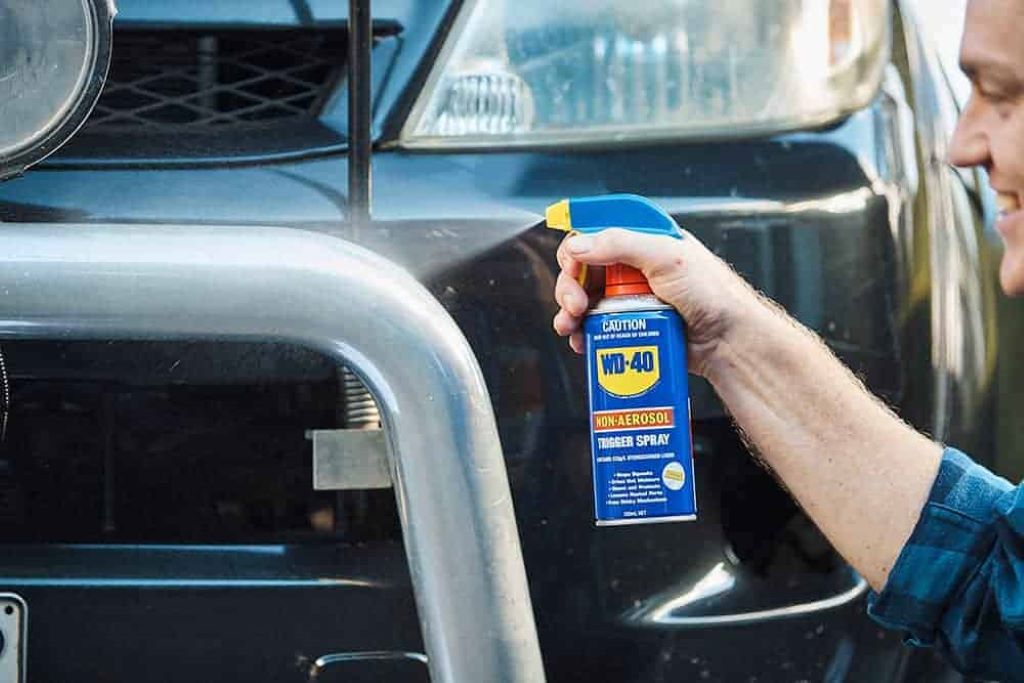
Credit: carfromjapan.com
Frequently Asked Questions
How Can I Safely Remove Concrete From My Car?
Use a plastic scraper to gently lift concrete without scratching. Apply warm water and mild soap to soften residue before wiping it off carefully.
What Household Items Remove Concrete From Car Paint?
Vinegar and warm water help dissolve small concrete spots. Apply with a cloth, let sit briefly, then wipe gently to avoid damage.
Can Concrete Damage My Car’s Paint Permanently?
If left too long, concrete can etch paint and cause permanent stains. Prompt removal minimizes the risk of lasting damage.
Is A Commercial Concrete Remover Safe For Cars?
Some removers are safe but check labels for paint compatibility. Always test a small area first to avoid discoloration or damage.
Conclusion
Removing concrete from a car takes care and patience. Start with gentle tools and cleaners to avoid damage. Work slowly and check progress often. Avoid harsh chemicals that harm the paint. Small spots may need repeated cleaning. After removal, wash and wax the car for protection.
Remember, quick action helps prevent stains from setting. Keep your car looking its best by acting early and using safe methods. Simple steps can save time and keep your vehicle clean.


