Are you ready to enjoy stunning, vibrant blooms right in your home? Caring for amaryllis wax bulbs is easier than you might think, and with the right tips, you can make your flowers thrive season after season.
Whether you’re a beginner or have tried growing amaryllis before, this guide will help you unlock the secrets to healthy bulbs and beautiful blossoms. Keep reading, and discover how simple changes in your care routine can lead to impressive results you’ll love to show off.
Choosing Healthy Wax Bulbs
Choosing healthy amaryllis wax bulbs is the first step to growing strong, beautiful flowers. Healthy bulbs give your plant the best chance to bloom fully and last longer. Knowing how to spot quality bulbs helps avoid problems like poor growth or disease. This guide explains what to look for and where to buy the best bulbs.
Signs Of Quality Bulbs
Look for bulbs that are firm and heavy for their size. Soft spots or wrinkles show damage or age. The bulb’s outer skin should be dry and papery, not wet or moldy. A good bulb has no cracks or cuts. Choose bulbs with a healthy color, usually pale brown or tan. Avoid bulbs with dark or black spots. Strong bulbs often have small roots starting at the base.
Where To Buy
Buy bulbs from trusted garden centers or nurseries. These places usually keep bulbs in good condition. Online stores can be good too, but check reviews first. Avoid buying bulbs from unknown sellers or markets with poor storage. Local garden clubs can also recommend reliable sources. Choose sellers who offer fresh, high-quality bulbs for best results.
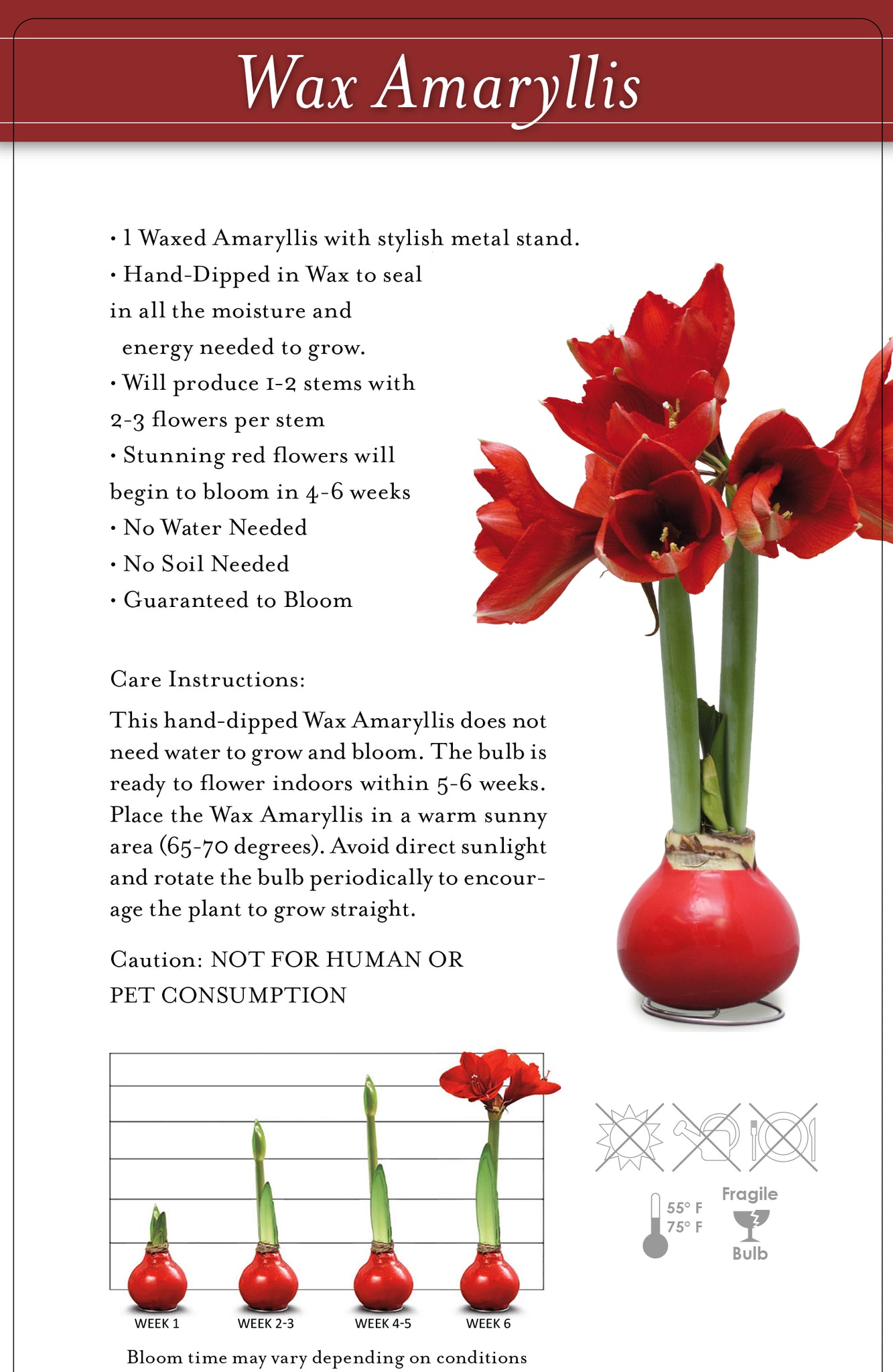
Credit: hollandbeauty.com
Planting Your Amaryllis
Planting your amaryllis bulb correctly is key to a healthy, beautiful bloom. The right pot, soil, and planting depth help your bulb grow strong roots and vibrant flowers. Follow these simple steps for the best results.
Selecting The Right Pot
Choose a pot slightly bigger than the bulb. A 6 to 8-inch pot works well for most amaryllis bulbs. Ensure the pot has drainage holes to prevent water buildup. Clay or terracotta pots are good choices because they allow air to reach the roots.
Soil And Drainage Tips
Use well-draining soil for your amaryllis bulb. A mix of potting soil, sand, and peat moss works well. Avoid heavy or clay soils that hold too much water. Good drainage stops root rot and keeps the bulb healthy.
Proper Planting Depth
Plant the bulb with the top third above the soil. The roots need space to grow underneath. Do not bury the bulb completely. Leave some of the bulb visible to help it breathe and prevent rotting.
Watering Guidelines
Watering amaryllis wax bulbs is key to their growth and blooming. Proper water care helps the bulbs stay healthy and produce bright flowers. Too much or too little water can harm the bulb. Follow these simple watering guidelines to keep your amaryllis wax bulbs thriving.
Initial Watering After Planting
After planting the bulb, water it lightly. The soil should be damp but not soaked. This helps the roots settle and start growing. Avoid pouring water directly on the bulb. Water around the base instead. Check the soil moisture daily to keep it slightly moist.
Maintaining Moisture Levels
Once the bulb starts growing, keep the soil moist, not wet. Water when the top inch of soil feels dry. Use room temperature water for best results. Drain any excess water from the pot to stop root rot. Consistent moisture helps the bulb bloom fully and stay strong.
Light And Temperature Needs
Amaryllis wax bulbs need the right light and temperature to grow strong and bloom beautifully. These factors help the plant make food and stay healthy. Understanding how much light and warmth your amaryllis needs will improve its growth and flower production.
Ideal Sunlight Exposure
Amaryllis bulbs thrive in bright, indirect sunlight. Place them near a window that gets plenty of light but not direct sun all day. Too much direct sunlight can burn the leaves and flowers. About 6 hours of soft sunlight each day is perfect for healthy growth.
Temperature Range For Growth
The best temperature for amaryllis is between 60°F and 75°F (15°C to 24°C). Keep the plant away from cold drafts or hot air vents. Temperatures below 50°F (10°C) slow down growth and can harm the bulb. Warm and stable temperatures help the plant bloom well.
Feeding And Fertilizing
Feeding and fertilizing Amaryllis wax bulbs is key to strong growth and bright flowers. Proper nutrients keep the plant healthy and encourage beautiful blooms. Without enough food, your Amaryllis may grow weak or fail to flower.
Understanding the best fertilizer and how often to feed helps your plant thrive. Let’s explore the right choices and timing for feeding Amaryllis wax bulbs.
Choosing The Right Fertilizer
Pick a balanced fertilizer with equal parts nitrogen, phosphorus, and potassium. A 10-10-10 or 20-20-20 formula works well. These numbers show the percentage of each nutrient.
Look for a water-soluble fertilizer. It dissolves easily and feeds the plant faster. Avoid fertilizers with too much nitrogen. High nitrogen can cause lots of leaves but fewer flowers.
Organic options like compost or fish emulsion can also work. They release nutrients slowly and improve soil health.
Feeding Schedule
Start feeding when new growth appears. Feed every two weeks during the growing season. Use half the recommended strength to avoid overfeeding.
Stop feeding once the plant finishes blooming. Let the bulb rest without fertilizer for a few months. This rest helps the bulb gather energy for next year’s flowers.
Reduce watering during the rest period. Resume feeding when you see new shoots again.

Credit: www.jacksonandperkins.com
Encouraging Flowering
Encouraging flowering in amaryllis wax bulbs requires attention to their growth signals and support needs. Healthy blooms depend on the right care at the right time. Watch the plant closely to understand its needs and help it flourish.
Signs Of Bloom Preparation
Look for thick, green shoots emerging from the bulb. These shoots mean the plant is ready to bloom. The flower stalk will grow taller and stronger. Leaves will appear long and strap-like. A flower bud forms at the tip of the stalk. The color of the bud may show early hints of the flower. These signs mean your amaryllis is preparing to flower soon.
Supporting Flower Stalks
Flower stalks can grow tall and heavy. They may bend or fall over without support. Use stakes or small sticks to keep stalks upright. Tie the stalk gently with soft ties or string. Support helps flowers open fully and last longer. Keep the plant stable to avoid damage to blooms.
Post-bloom Care
After your Amaryllis wax bulbs finish blooming, their care is very important. Proper post-bloom care helps the plant store energy for next season. It keeps the bulb healthy and ready to bloom again. Focus on removing old flowers and preparing the plant for its rest period.
Deadheading And Pruning
Remove spent flowers carefully. This stops the plant from wasting energy on seed production. Cut the flower stalk near the base. Leave the leaves intact. They feed the bulb through photosynthesis. Trim any yellow or brown leaves to keep the plant tidy. Avoid cutting green leaves too soon. They help store nutrients for the bulb.
Preparing For Dormancy
After flowering, reduce watering gradually. Let the leaves dry naturally. When leaves turn yellow, cut them back. Stop watering completely to encourage dormancy. Store the bulb in a cool, dry place. Keep it away from direct sunlight. Let it rest for 8 to 12 weeks. After dormancy, repot and start watering to encourage new growth.
Storing Wax Bulbs
Storing amaryllis wax bulbs properly is key to keeping them healthy for the next blooming season. Careful storage helps bulbs rest well and stay free from damage. This section explains the best way to store your wax bulbs to keep them alive and strong.
When And How To Store
Store your wax bulbs after their leaves turn yellow and die back naturally. This shows the bulb is resting. Gently remove any soil and dry the bulbs for a few days. Use a soft cloth to clean the bulb surface. Avoid washing them with water. Place bulbs in paper bags or cardboard boxes. Do not use plastic bags. Air must reach the bulbs to stop mold.
Storage Conditions
Keep bulbs in a cool, dry place with good air circulation. Ideal temperature is between 50 and 60 degrees Fahrenheit (10-15 degrees Celsius). Avoid places with high humidity or direct sunlight. A basement or garage can work well if it stays dry. Check bulbs every few weeks for soft spots or mold. Remove any damaged bulbs immediately to protect others.
Common Problems And Solutions
Amaryllis wax bulbs are easy to care for but can face some common problems. Knowing these issues helps keep your plants healthy and blooming well. This section covers pests, diseases, and bloom troubles with clear solutions.
Pests And Diseases
Amaryllis bulbs can attract pests like spider mites and aphids. These bugs suck plant juices and cause damage. Spray the leaves with mild soapy water to remove pests. Repeat the treatment every few days.
Fungal diseases like bulb rot happen if soil stays too wet. Use well-draining soil and water only when the top feels dry. Remove any soft, dark parts of the bulb to stop rot from spreading.
Troubleshooting Bloom Issues
Amaryllis bulbs sometimes fail to bloom. Too much water or not enough light can cause this. Place your plant in bright, indirect sunlight and reduce watering.
Another reason is the bulb not resting properly after flowering. Let the leaves grow and store energy before the next bloom. Cut back dead leaves but keep healthy ones until they yellow naturally.
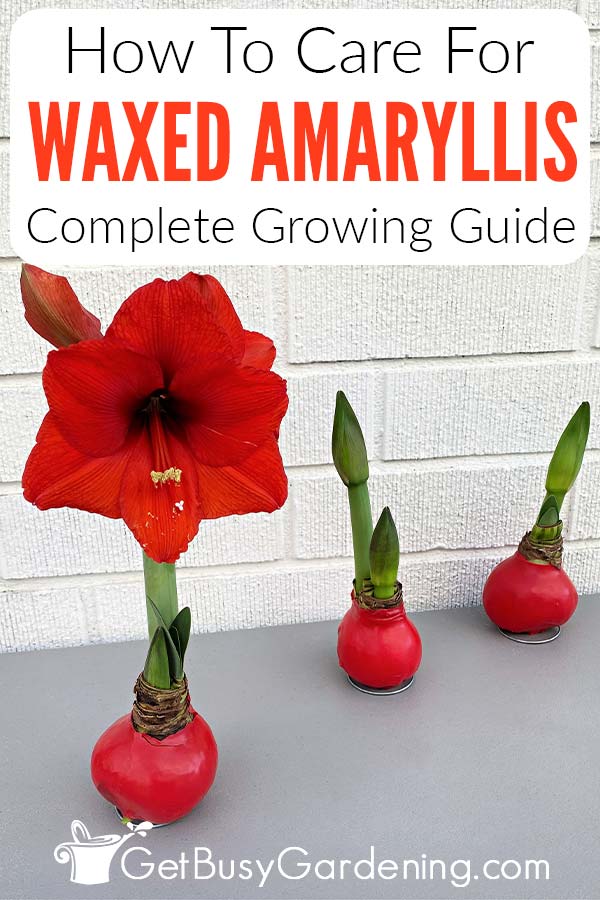
Credit: getbusygardening.com
Frequently Asked Questions
How Often Should I Water Amaryllis Wax Bulbs?
Water Amaryllis wax bulbs sparingly. Keep soil slightly moist but never soggy. Water once the top inch dries out. Overwatering can cause bulb rot and damage the plant.
What Is The Ideal Light For Amaryllis Wax Bulbs?
Place Amaryllis wax bulbs in bright, indirect sunlight. Avoid direct sunlight, which can scorch leaves. A north or east-facing window works best for healthy growth and vibrant blooms.
When Should I Fertilize Amaryllis Wax Bulbs?
Fertilize Amaryllis wax bulbs every 2-4 weeks during active growth. Use a balanced, water-soluble fertilizer diluted to half strength. Stop fertilizing once the plant blooms to encourage bulb rest.
How Do I Encourage Amaryllis Wax Bulbs To Bloom Again?
After blooming, reduce watering and let leaves yellow. Store bulbs in a cool, dark place for 8-10 weeks. Resume watering and place in bright light to trigger new growth and blooms.
Conclusion
Caring for Amaryllis wax bulbs is simple and rewarding. Water them carefully and give plenty of light. Keep the soil moist but not soaked. Watch for signs of growth and enjoy the blooms. With basic care, these bulbs will brighten your home year after year.
Remember, patience and attention help your plants thrive. Happy gardening!