
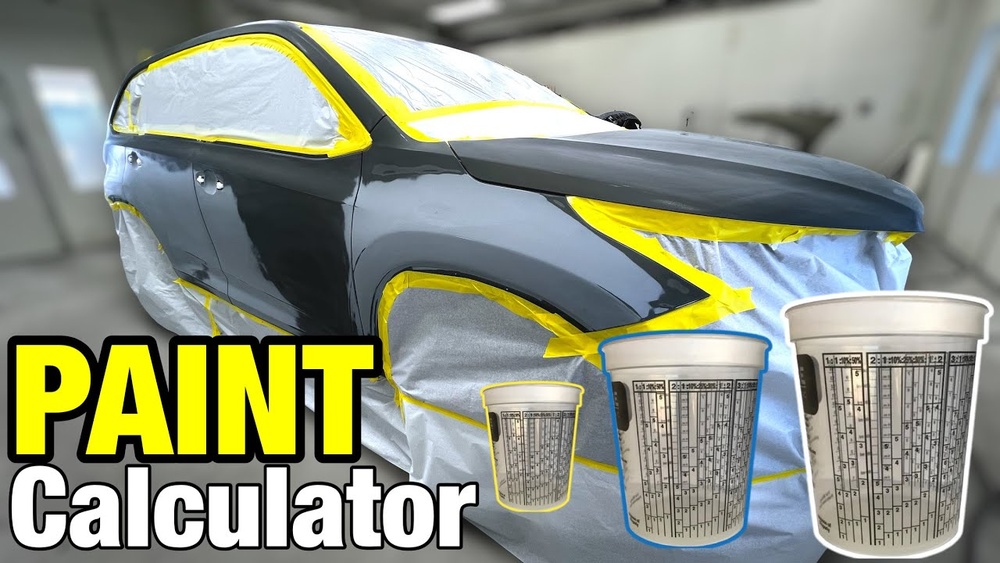
Are you planning to give your car a fresh new look with a coat of paint? One of the first questions you probably have is, “How many quarts of paint will I need?” Getting the right amount is key—you don’t want to run out halfway or waste money on too much.
In this guide, you’ll discover exactly how to calculate the perfect amount of paint for your car. Keep reading to make your painting project smooth, efficient, and successful!

Credit: www.eastwood.com
Estimating Paint Quantity
Painting a car usually needs about 2 to 3 quarts of paint. This depends on the car’s size and the number of coats applied. Estimating paint correctly helps avoid running out or wasting extra paint.
Estimating the right amount of paint is key to a smooth car painting project. Too little paint means stopping mid-job. Too much paint wastes money and resources. Knowing how many quarts to buy saves time and effort.
Several elements affect the amount of paint needed. Understanding these helps in making a better estimate and getting a good finish on your car.
Factors Influencing Paint Amount
Surface condition plays a big role. A rough or rusty surface needs more paint. The number of coats also matters. Primer, base coat, and clear coat add to the total paint used. Paint thickness and spray technique affect coverage too.
Car Size And Shape Considerations
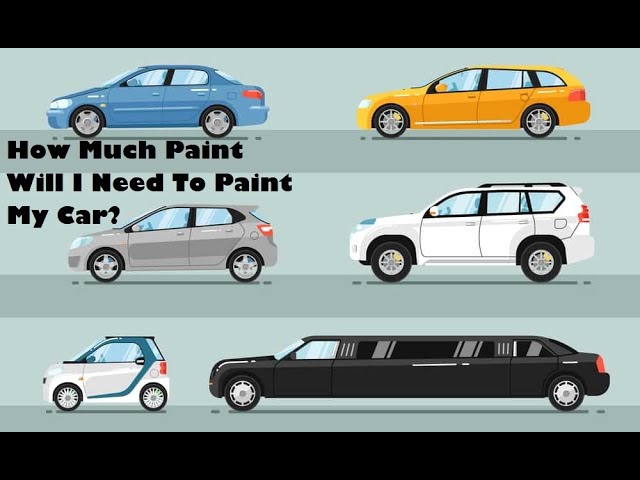
Bigger cars require more paint than smaller ones. SUVs and trucks use more paint than sedans. Curves and angles increase paint use because they need extra attention. Flat surfaces are easier to cover with less paint.
Types Of Paint And Coverage Rates
Different paints cover different areas per quart. Lacquer paint spreads thinner than enamel or urethane. Some paints need multiple coats for full coverage. Check the paint can for coverage information. This helps calculate the exact amount needed.
Credit: smart.dhgate.com
Calculating Quarts Needed
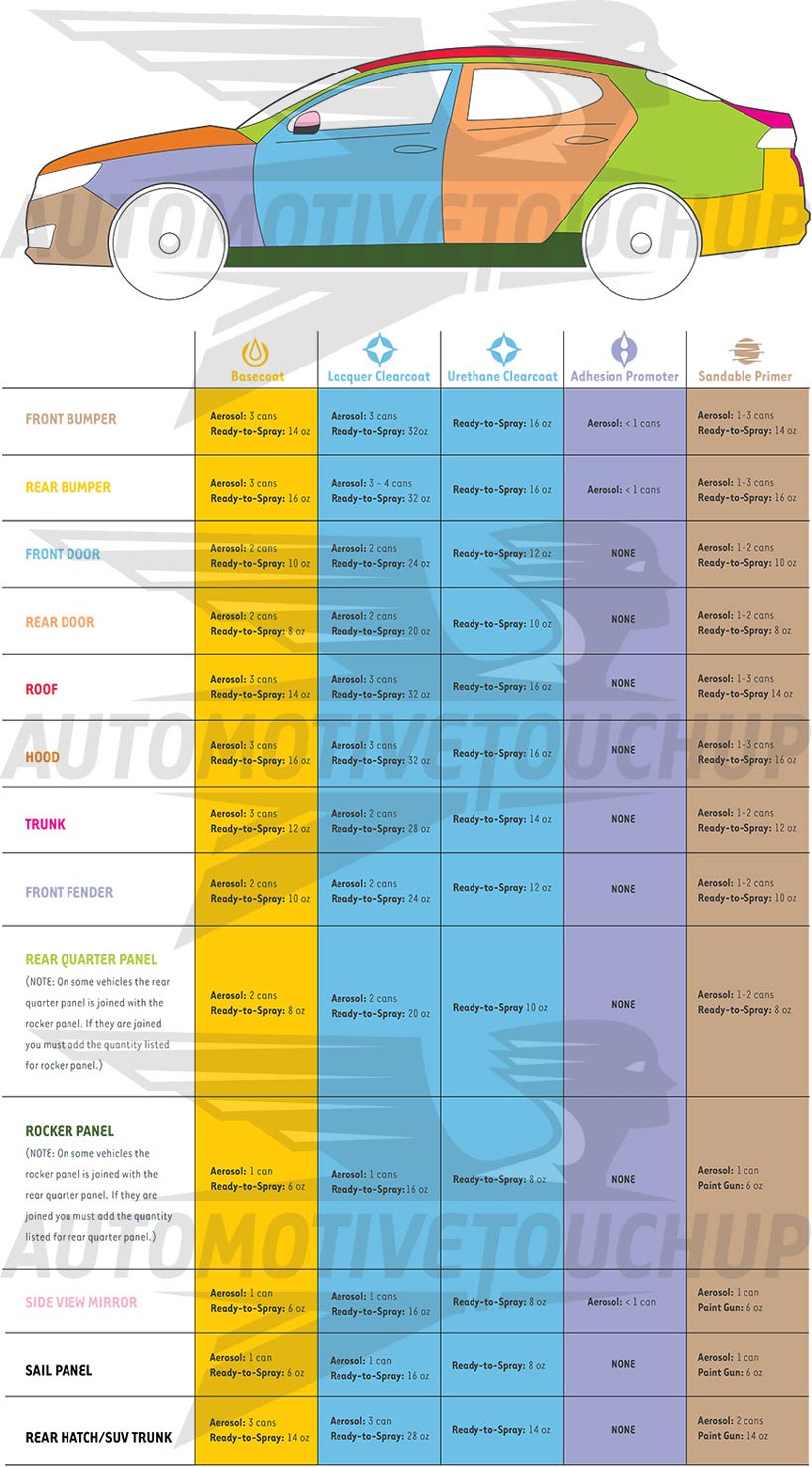
Calculating how many quarts of paint you need to paint a car requires careful planning. Knowing the right amount helps avoid buying too much or too little paint. It saves money and time. This section breaks down the steps to find the correct amount of paint.
Measuring Surface Area
First, measure the car’s surface area. Include all parts to be painted. Doors, hood, roof, and trunk are key areas. Use a tape measure to get length and width of each part. Multiply length by width for each section. Add these numbers to get the total surface area.
Number Of Coats Required
Decide how many coats you will apply. Usually, two to three coats are needed for good coverage. Primer coat counts as one layer. Each coat uses paint, so multiply the surface area by the number of coats. This gives the total paint needed for coverage.
Wastage And Extra Paint
Always add extra paint for wastage. Some paint is lost during spraying or brushing. A good rule is to add 10% more paint than calculated. This extra paint covers mistakes and touch-ups. It ensures you don’t run out before finishing the job.
Choosing The Right Paint
Choosing the right paint affects the look and durability of your car. The paint must protect the metal and shine for years. Understanding different paint layers and types helps you pick the best one. Quality paint and correct application make the job easier and better.
Base Coats Vs. Clear Coats
Base coats hold the color of your car. They provide the shade and finish you want. Clear coats add shine and protect the base coat. The clear coat guards against scratches and sun damage. Both layers work together for a smooth, lasting finish.
Primer Importance
Primer prepares the car surface for paint. It helps paint stick better and last longer. Primer fills small dents and rough spots. It stops rust from forming under the paint. Using primer creates a strong base for a perfect paint job.
Paint Types: Acrylic, Enamel, Urethane
Acrylic paint dries fast and is easy to use. It offers good color but wears faster. Enamel paint is thicker and lasts longer. It has a hard, glossy finish but takes more time to dry. Urethane paint is tough and flexible. It resists chips and fading well, making it popular for cars.
Tools And Supplies
Choosing the right tools and supplies is key to painting a car well. The quality of your equipment affects the finish and how easy the job is. This section covers the main tools needed to paint a car. It helps you understand what to prepare before starting.
Spray Guns And Brushes
Spray guns give a smooth, even coat on your car. They cover large areas faster than brushes. Brushes work best for small touch-ups or tight spots. Choose a spray gun with adjustable settings for better control. Clean tools carefully after use to avoid clogs and uneven paint.
Mixing And Thinning Paint
Proper mixing ensures consistent color and texture. Follow paint instructions for the right mix ratio. Thinning paint helps it flow better through the spray gun. Use the recommended thinner type and amount. Stir paint slowly to avoid bubbles and uneven color.
Safety Gear Essentials
Safety gear protects you from harmful fumes and paint particles. Wear a respirator mask to avoid breathing in chemicals. Use gloves to keep paint off your skin. Eye protection stops splashes from damaging your eyes. Coveralls or old clothes prevent paint stains on your clothes.
Tips For Efficient Painting
Painting a car takes more than just choosing the right paint and amount. Efficient painting saves paint, time, and effort. It also ensures a smooth, lasting finish. Follow these simple tips to get the best results from your paint job.
Surface Preparation
Clean the car surface thoroughly. Remove dirt, grease, and old paint flakes. Sand the surface to create a smooth base. Use a primer to help the paint stick better. A well-prepared surface prevents peeling and uneven color.
Applying Even Coats
Apply paint in thin, even layers. Keep your spray gun or brush moving steadily. Avoid heavy spots or drips by overlapping each pass slightly. Multiple light coats give better coverage than one thick coat. Let each coat dry before applying the next.
Drying And Curing Times
Allow enough drying time between coats. Follow the paint manufacturer’s instructions closely. Curing strengthens the paint and prevents damage. Avoid touching or washing the car too soon. Patience ensures a durable and glossy finish.
Common Mistakes To Avoid
Painting a car requires careful planning. Many make mistakes that cause extra costs and poor results. Avoiding these common errors saves time and money. It also helps you get a smooth, lasting finish. Here are key mistakes to watch out for during your car painting project.
Underestimating Paint Needs
Buy enough paint to cover your car completely. Running out of paint mid-project leads to color differences. Paint cans vary in coverage, so read labels carefully. Always buy a little more than your estimate. Extra paint can fix small problems later.
Skipping Primer
Primer helps paint stick well and last longer. Skipping primer makes paint peel or fade faster. It also hides surface flaws for a smoother look. Choose a primer that fits your car’s surface and paint type. Applying it evenly is just as important.
Poor Surface Preparation
Clean and sand the car surface before painting. Dirt, rust, or old paint cause bumps and peeling. Use proper tools to remove old paint and smooth rough spots. A clean, smooth surface ensures better paint adhesion and shine. Don’t rush this step; it sets the base for good results.
Credit: www.youtube.com
Frequently Asked Questions
How Many Quarts Of Paint Do I Need For A Car?
Typically, you need 2 to 3 quarts of paint for a standard car. Larger vehicles may require more. Always check the paint coverage on the product label for accuracy.
Can One Quart Of Paint Cover A Car?
One quart usually covers a small area only, not the entire car. Full car painting typically requires multiple quarts for even coverage.
Does Primer Affect The Amount Of Paint Needed?
Yes, primer creates a smooth base and may reduce paint needed. Applying primer properly helps the paint adhere better and last longer.
How To Calculate Paint Quantity For Custom Car Colors?
For custom colors, estimate total surface area and check paint coverage per quart. Consult with professionals to get precise measurements for the job.
Conclusion
Painting a car needs the right amount of paint. Usually, a small car takes about 2 to 3 quarts of paint. Larger cars need more, around 4 to 6 quarts. Always check the car size and paint type before buying.
Buying too little paint can cause problems. Buying too much paint wastes money. Measure carefully and plan your work. This helps you finish the job smoothly and save costs. Now, you have a clearer idea of how many quarts to paint a car.
Ready to paint?


