

Are you wondering how long it takes to replace brakes on your car? If you’ve noticed squeaking sounds or your brake pedal feels different, it might be time for a brake replacement.
Knowing how much time this job takes can help you plan your day better and avoid unexpected delays. You’ll discover the typical time needed for brake replacement, factors that can speed up or slow down the process, and tips to make sure your brakes are replaced safely and efficiently.
Keep reading—you’ll be surprised how simple and quick this essential car maintenance can be!
Credit: www.marinechevy.com
Brake Replacement Time Factors
Several factors affect how long brake replacement takes on a car. Understanding these helps set realistic expectations. Time can vary greatly depending on the situation.
Type Of Brake System
Different cars have different brake systems. Disc brakes are common and usually quicker to replace. Drum brakes take longer because they have more parts. Some vehicles use advanced systems like ABS, which add complexity and time.
Experience Level
A skilled mechanic works faster and more efficiently. Beginners may take longer due to caution and learning steps. Experience reduces the chance of mistakes and the need for rework.
Tools And Equipment
Proper tools speed up brake replacement. Special tools help remove and install parts safely. Lack of the right equipment can slow down the process and increase frustration.
Condition Of Brake Components
Worn or damaged parts can extend the time needed. Rust or stuck components require extra effort to remove. New parts fit easier and shorten the overall job time.

Credit: www.jdpower.com
Average Time To Replace Brakes
Replacing brakes is a common car repair. Knowing the average time helps plan your day. Brake replacement time varies by the part being replaced and the car model.
Replacing Brake Pads
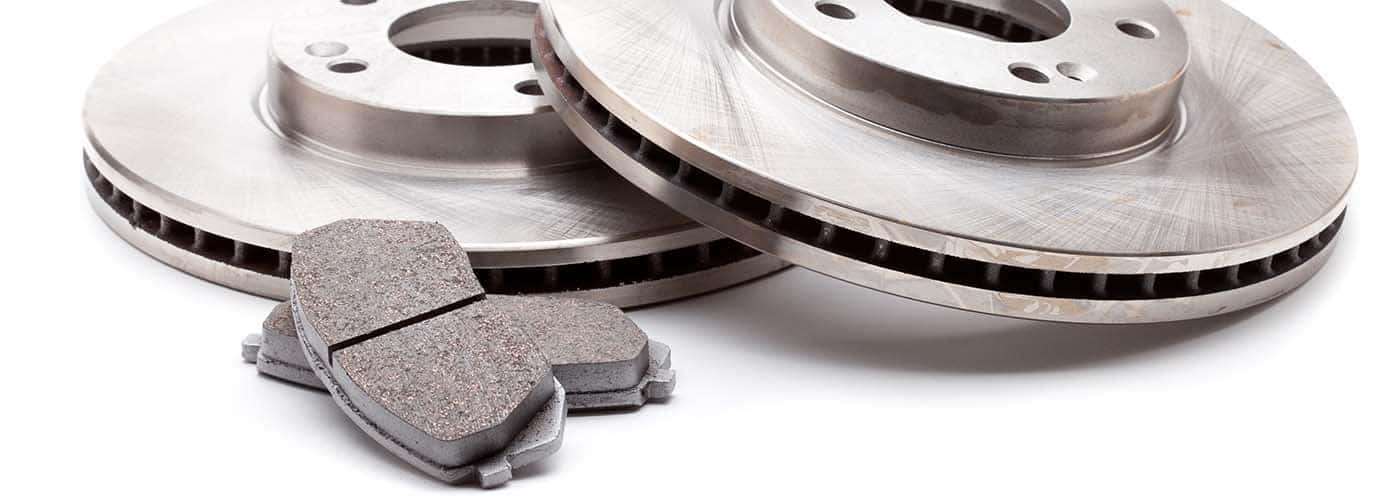
Brake pads wear out faster than other brake parts. Changing brake pads usually takes about 30 to 60 minutes. The job is simple for most cars. It involves removing the wheel and old pads, then fitting new ones.
Replacing Brake Rotors
Brake rotors last longer but can wear or warp. Replacing rotors takes more time than pads. Expect about 60 to 90 minutes for this task. The mechanic removes the wheel, caliper, and old rotor. Then, a new rotor is installed carefully.
Replacing Brake Calipers
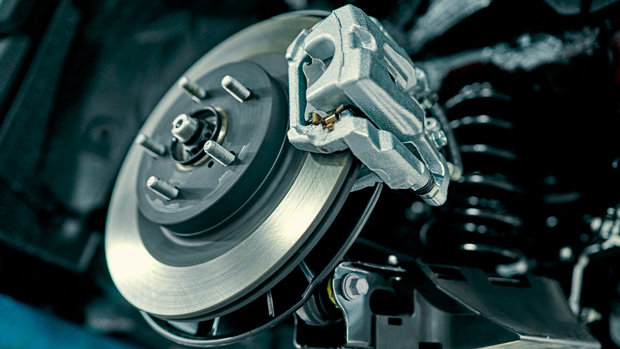
Brake calipers control pad movement and need replacement less often. This job takes the most time among brake parts. It usually takes 90 minutes to 2 hours. The mechanic removes the caliper, checks other parts, and fits the new caliper. Extra care is needed to avoid brake fluid leaks.
Step-by-step Brake Replacement Process
Replacing brakes is a key car maintenance task. Knowing the step-by-step process helps understand the time it takes. The process is straightforward but requires care and the right tools.
Preparing The Vehicle
Start by parking the car on a flat surface. Use wheel chocks to block the wheels. Loosen the lug nuts on the wheel before lifting the car. Raise the vehicle with a jack and secure it with jack stands. Remove the wheel to access the brake system.
Removing Old Brake Components
Locate the brake caliper and remove its bolts. Carefully slide the caliper off the brake rotor. Use a wire hanger or a bungee cord to hang the caliper. Remove the brake pads from the caliper bracket. Take off the rotor if it needs replacement or cleaning.
Installing New Brake Parts
Place the new rotor on the wheel hub if removed. Install new brake pads into the caliper bracket. Compress the caliper piston using a brake tool or C-clamp. Slide the caliper back over the new pads and rotor. Tighten the caliper bolts securely.
Testing The Brakes
Put the wheel back on and hand-tighten the lug nuts. Lower the car and fully tighten the lug nuts in a star pattern. Press the brake pedal multiple times to set the pads. Test drive the car slowly to check brake response. Listen for noises and feel for smooth braking.
Tips To Speed Up Brake Replacement
Replacing brakes on a car can take time, but some tips help speed up the process. Preparing well and using the right steps can save hours. These tips make brake replacement easier and faster.
Organizing Tools And Parts
Keep all tools and parts close by before starting. Lay out wrenches, screwdrivers, and brake pads on a clean surface. Check if you have new brake fluid and any small parts needed. This avoids running back and forth during the job. Staying organized helps work flow smoothly.
Using Proper Techniques
Follow the correct steps for brake replacement to avoid mistakes. Use the right tools for loosening bolts and removing old parts. Apply even pressure when compressing brake calipers. Work carefully but confidently to finish faster. Proper technique reduces the chance of errors and delays.
Seeking Professional Help
Ask a mechanic for quick brake replacement if unsure. Professionals have experience and tools to do the job fast. They can spot issues that may slow down the process. Hiring help saves time and gives peace of mind. A quick visit to the shop often ends with safe brakes in less time.
Common Challenges And Solutions
Replacing brakes on a car is usually straightforward. Yet, some challenges can slow the process. Knowing common problems helps fix them fast. This section covers typical issues and how to solve them.
Stuck Bolts And Rust
Bolts can get stuck from rust and dirt. Rust makes bolts hard to turn or remove. Using a penetrating oil helps loosen stuck bolts. Let the oil sit for 10-15 minutes. Then, try turning the bolts with a proper wrench. If bolts are still stuck, tapping gently with a hammer can help. Avoid forcing bolts too hard to prevent damage.
Brake Fluid Issues
Brake fluid problems can delay brake replacement. Old fluid may be dirty or low. This affects brake performance and safety. Check the fluid level before starting work. Bleeding the brake system removes old fluid and air. Use the right brake fluid type for your car. Proper fluid maintenance ensures smooth brake operation.
Uneven Brake Wear
Uneven brake wear causes braking problems and noise. It happens when pads or rotors wear at different rates. Inspect pads and rotors carefully. Replace any parts that look worn out. Rotors may need resurfacing or replacement. Uneven wear often points to other issues, like caliper problems. Fixing these helps brakes last longer and work better.
Credit: www.spinellinissan.com
Frequently Asked Questions
How Long Does It Take To Replace Brake Pads?
Replacing brake pads typically takes 30 to 60 minutes. Time depends on car type, brake condition, and mechanic experience. Simple pad replacement is quicker, while rotor replacement adds time. Always consult a professional for accurate estimates.
Can Brake Rotor Replacement Extend Repair Time?
Yes, replacing brake rotors can increase repair time by 30 to 60 minutes. Rotors require removal, inspection, and precise installation. This adds complexity compared to just changing pads. Total brake service may take up to two hours.
Does Brake Replacement Time Vary By Car Model?
Brake replacement time varies by car make and model. Complex braking systems or luxury vehicles often need more time. Older or simpler cars usually require less time. Always check with a trusted mechanic for specific time estimates.
Is Diy Brake Replacement Faster Than Professional Service?
DIY brake replacement may take longer if inexperienced. Professionals complete the job faster due to tools and expertise. Mistakes during DIY can cause delays or safety issues. Consider skill level before attempting brake replacement at home.
Conclusion
Replacing car brakes usually takes about one to two hours. This depends on the car type and brake condition. A skilled mechanic works faster and ensures safety. Regular brake checks help avoid last-minute repairs. Knowing the time needed helps you plan your day well.
Safe brakes mean safer driving for everyone on the road. Taking care of your brakes is smart and simple.


