

Have you ever wondered how many tie rods your car has? Understanding this simple part can save you from costly repairs and keep your vehicle running smoothly.
Whether you’re curious about your car’s steering system or want to spot potential problems early, knowing the number of tie rods is a great place to start. Keep reading, and you’ll discover exactly what tie rods do, how many are on your car, and why they matter to your safety and driving experience.
This knowledge could change the way you take care of your vehicle.
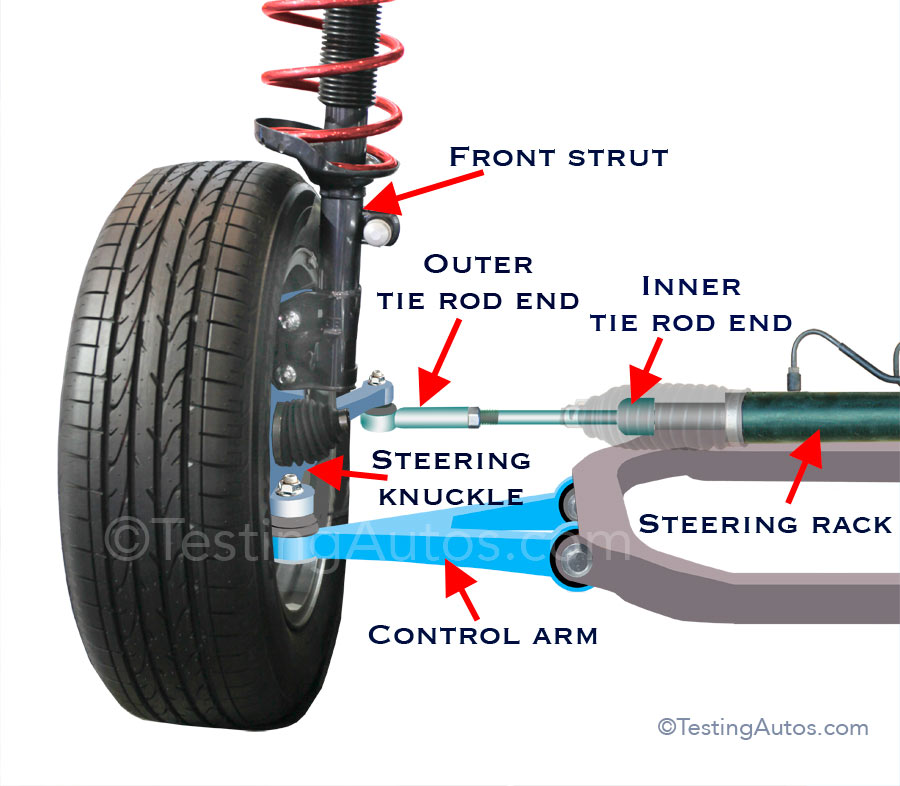
Credit: www.testingautos.com
Role Of Tie Rods
Tie rods play a vital role in a car’s steering system. They link the steering gear to the wheels. This connection helps the driver control the car’s direction. Tie rods also keep the wheels aligned for safe driving.
Without tie rods, steering would be loose and unpredictable. They ensure precise movement and stability on the road. Understanding their role helps in maintaining better vehicle performance.
Connection To Steering System
Tie rods connect the steering rack to the wheel hubs. When the driver turns the steering wheel, the steering rack moves. The tie rods transfer this movement to the wheels. This action changes the wheel angle to steer the car left or right.
Each front wheel has an inner and an outer tie rod end. Both ends work together to keep the wheels moving smoothly. They also absorb some road shocks to protect the steering system.
Impact On Vehicle Handling
Tie rods affect how the car handles on the road. Properly working tie rods keep the wheels aligned. This alignment helps the car drive straight and turn accurately.
Worn or damaged tie rods cause loose steering and uneven tire wear. The car may pull to one side or feel unstable during turns. Good tie rods improve safety and driving comfort.

Credit: amarineblog.com
Standard Number Of Tie Rods
Most cars have a set number of tie rods. These parts connect the steering gear to the wheels. They help the wheels turn smoothly and keep the car stable.
Knowing the standard number of tie rods helps in car maintenance and repairs. It is useful for anyone interested in how cars work.
Common Configurations
Usually, a car has four tie rods. Two are on the left side and two on the right side. Each side has an inner and an outer tie rod.
The inner tie rod connects to the steering rack. The outer tie rod attaches to the wheel hub. Both work together to steer the car.
Variations By Vehicle Type
Different vehicles may have different tie rod setups. Smaller cars often use the four-tie-rod system. Larger trucks or SUVs might have stronger or more complex tie rods.
Some vehicles have extra tie rods for better stability. Racing cars may have customized tie rods to improve handling. Always check your vehicle’s manual for exact details.
Types Of Tie Rods
Tie rods are key parts of a car’s steering system. They connect the steering gear to the wheels. There are different types of tie rods. Each type has a specific role in helping the car steer smoothly and safely.
Inner Vs Outer Tie Rods
Inner tie rods link the steering rack to the outer tie rods. They sit closer to the car’s center. Outer tie rods connect the inner tie rods to the wheel hubs. They are near the wheels. Both work together to move the wheels left or right. Worn inner or outer tie rods can cause steering problems.
Adjustable Tie Rods
Adjustable tie rods allow changes to the wheel alignment. Mechanics use them to set the correct toe angle. This adjustment helps the car drive straight and reduces tire wear. Adjustable tie rods come with threads to lengthen or shorten the rod. This makes steering more precise and safe.
Signs Of Tie Rod Wear
Tie rods are important parts of your car’s steering system. They connect the steering gear to the wheels. Over time, tie rods can wear out. Recognizing the signs of tie rod wear helps keep your car safe and easy to drive. Pay close attention to changes in how your car steers and feels while driving.
Steering Issues
Worn tie rods cause loose or shaky steering. Your car may pull to one side without turning the wheel. Steering can feel less responsive or too sensitive. It may take more effort to turn the wheel. These problems make driving unsafe and uncomfortable.
Noise And Vibration
Damaged tie rods often create noise during turns. You might hear clunking or knocking sounds from the front wheels. Vibrations can be felt through the steering wheel, especially at higher speeds. These noises and vibrations indicate worn or loose tie rods needing attention.
Tie Rod Maintenance
Maintaining your car’s tie rods is key to safe driving. Tie rods connect the steering gear to the wheels, helping you steer smoothly. Regular care keeps your steering precise and prevents costly repairs.
Inspection Tips
Check tie rods for wear and damage often. Look for loose or cracked parts near the ends. Listen for clunking noises when turning the wheel. Watch for uneven tire wear, which signals tie rod problems. Test by moving the wheel side to side to spot play in the rods.
Replacement Guidelines
Replace tie rods at the first sign of wear. Use quality parts for safety and long life. Always replace both inner and outer tie rods together. After replacement, get a professional wheel alignment. Proper installation ensures smooth steering and tire health.
Impact Of Faulty Tie Rods
Tie rods are key parts of a car’s steering system. Faulty tie rods can cause serious problems. They affect how the car handles and can make driving unsafe. Understanding the impact of bad tie rods helps you keep your car in good shape.
Safety Concerns
Faulty tie rods make steering loose or shaky. This reduces control over the car. Sudden steering failure can cause accidents. Worn tie rods can also cause uneven tire wear. This weakens grip on the road. Driving with bad tie rods is risky for you and others.
Effect On Wheel Alignment
Bad tie rods misalign your wheels. Misaligned wheels pull the car to one side. This makes driving harder and tiring. It also wears out tires faster. Poor alignment lowers fuel efficiency. Fixing tie rods restores proper wheel alignment and smoother driving.
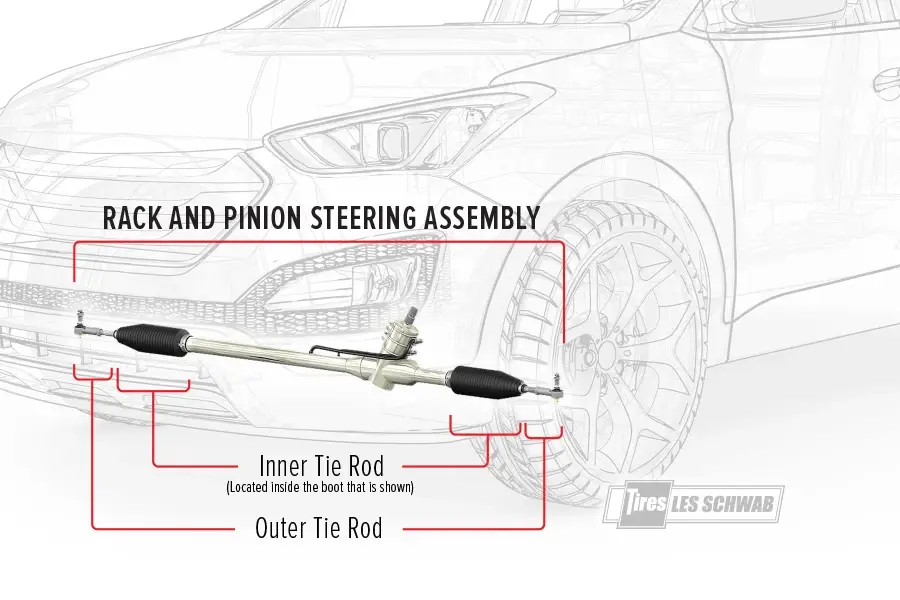
Credit: www.lesschwab.com
Frequently Asked Questions
How Many Tie Rods Does A Typical Car Have?
Most cars have two main tie rods, one on each side of the steering system. These connect the steering rack to the wheels. Some vehicles may also have inner and outer tie rods, making a total of four components involved in steering linkage.
What Is The Function Of Tie Rods In Cars?
Tie rods connect the steering rack to the wheels, enabling smooth steering. They help maintain correct wheel alignment and ensure precise handling. Without functioning tie rods, steering becomes unstable, increasing tire wear and compromising safety.
How To Know If A Tie Rod Needs Replacement?
Signs of a bad tie rod include uneven tire wear, loose steering, and vibrations. Clunking noises when turning and poor vehicle alignment also indicate tie rod issues. Regular inspections help spot wear before it causes steering problems.
Do All Cars Have The Same Number Of Tie Rods?
No, the number of tie rods varies based on the vehicle’s steering system. Most passenger cars have two, while trucks or specialized vehicles might have more complex setups. Always refer to your vehicle’s manual for exact details.
Conclusion
Most cars have two tie rods, one on each side. These parts connect the steering system to the wheels. They help your car turn smoothly and safely. Worn or damaged tie rods can cause steering problems. Regular checks keep your car safe on the road.
Knowing how many tie rods your car has helps with maintenance. Simple care can extend their life and improve driving. Always pay attention to steering feel and noises. This helps catch issues early and avoid costly repairs.

