

Have you ever wondered if your car’s engine oil is doing its job? Knowing when your car needs oil isn’t just about keeping it running smoothly—it can save you from costly repairs down the road.
If you miss the signs, your engine could suffer serious damage. But how can you tell when it’s time for an oil change? You’ll discover simple, clear ways to spot the warning signals your car is sending. Keep reading, and you’ll never have to guess if your car needs oil again.
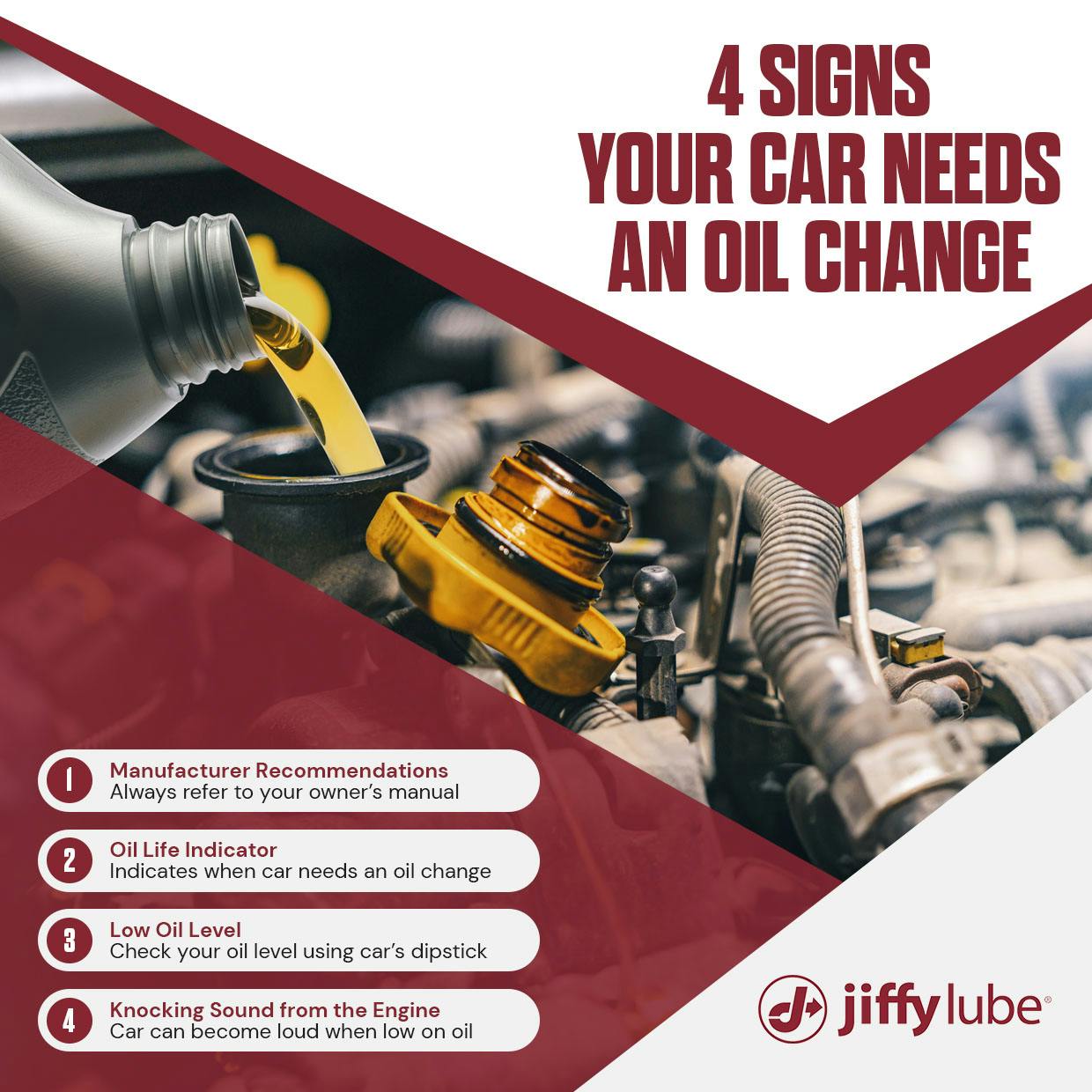
Credit: www.jiffylube.com
Importance Of Engine Oil
Engine oil is a key part of your car’s health. It keeps the engine running smoothly and helps avoid costly repairs. Without enough oil, parts rub together and wear out fast. Oil also helps cool the engine by carrying heat away from moving parts.
Checking your oil level and quality regularly saves you from big problems. Clean oil makes sure the engine works well and lasts longer. It also improves fuel efficiency, which can save money on gas.
Role In Engine Performance
Engine oil lubricates all moving parts inside the engine. It reduces friction and stops metal from grinding on metal. This makes the engine run quietly and efficiently.
Oil also cleans the engine by carrying dirt and tiny particles to the oil filter. This keeps the engine parts clean and prevents damage.
Proper oil levels help maintain the right pressure inside the engine. This pressure is needed for smooth engine operation and power.
Consequences Of Low Oil
Low oil can cause serious engine damage. Parts can overheat and wear out quickly without enough lubrication.
Engine parts may seize up, causing the engine to stop working. Repairs then become very expensive.
Low oil also leads to poor engine performance. The car may lose power and use more fuel.
Ignoring low oil signs can shorten the engine’s life and increase repair costs.
Credit: www.hoodsupquicklube.com
Common Signs Of Low Or Dirty Oil
Low or dirty oil can cause serious damage to your car’s engine. Oil keeps the engine parts moving smoothly and stops overheating. Recognizing the signs early helps avoid costly repairs and keeps your car running well.
Engine Warning Light
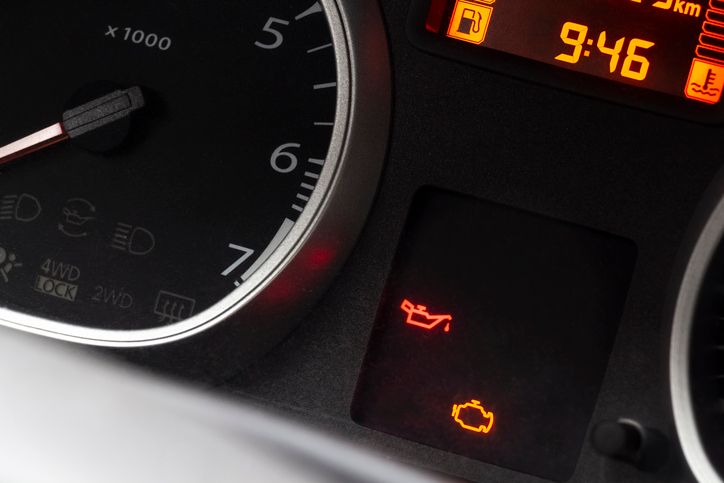
The engine warning light can turn on if oil is low or dirty. This light appears on your dashboard. It signals a problem with the engine’s oil system. Do not ignore this warning. Check the oil level or visit a mechanic.
Unusual Engine Noises
Strange noises from the engine may mean oil is not working right. You might hear knocking or ticking sounds. These noises happen because oil is not lubricating the engine parts. It causes friction and wear inside the engine.
Dark Or Dirty Oil Color
Clean oil is usually amber or light brown. Dark or black oil shows dirt and grime buildup. Dirty oil loses its ability to protect the engine. Check your oil by pulling out the dipstick and looking at the color.
Physical Symptoms From The Driver’s Seat
Physical signs from the driver’s seat can reveal oil problems early. These signs are easy to notice and can save your car from serious damage. Pay attention to changes in how your car runs. Small issues often show up first while driving.
These symptoms affect your car’s performance and comfort. They warn you that your engine oil might be low or dirty. Recognizing these signs helps you act fast and protect your engine.
Reduced Fuel Efficiency
Your car may use more fuel than usual. Low or old oil makes the engine work harder. This extra effort uses more gas. You might notice needing to fill up more often. Poor fuel efficiency often means it is time for an oil check.
Overheating Engine
Engine oil cools the engine parts. Without enough oil, heat builds up quickly. The temperature gauge may rise above normal. The car might feel hotter than usual. Overheating can cause serious engine damage if ignored.
Smoke From Exhaust
Look for unusual smoke from the exhaust pipe. Blue or gray smoke often means oil is burning inside. This happens when oil leaks into the engine cylinders. Smoke signals a critical oil problem. It needs immediate attention to avoid engine failure.
How To Check Your Oil Level
Checking your car’s oil level is a simple task that helps keep your engine healthy. It prevents damage and expensive repairs. Doing this regularly ensures your car runs smoothly.
Using The Dipstick
Open the car hood and find the dipstick. It usually has a bright handle. Pull the dipstick out and wipe it clean with a cloth. Insert it back fully and pull it out again. This shows the current oil level.
Interpreting Oil Levels And Color
Check where the oil reaches on the dipstick. The oil should be between the low and full marks. If below low, add oil soon. Look at the oil color too. Clean oil is amber or light brown. Dark or dirty oil means it needs changing.
When To Change Your Oil
Knowing when to change your car’s oil is key to keeping the engine healthy. Fresh oil helps the engine run smoothly and avoids damage. Oil breaks down over time and loses its ability to protect engine parts.
Changing oil on time saves money on repairs. It keeps your car efficient and safe. Here are simple guides to help you decide when to change your oil.
Mileage And Time Guidelines
Most cars need an oil change every 3,000 to 5,000 miles. Some newer models can go up to 7,500 miles or more. Check your owner’s manual for the exact number.
Time matters too. Change oil every 6 months even if you drive less. Oil can get old and dirty just sitting in the engine.
Signs Oil Change Is Overdue
Dark, dirty oil means it’s time to change it. Fresh oil is amber and clear. Dark oil loses its ability to protect the engine.
Your engine may make knocking or ticking sounds. This can mean oil is too old or low. Watch for oil warning lights on your dashboard.
Oil smells burnt or leaks under your car. Both are signs that your oil needs attention.
Choosing The Right Oil
Choosing the right oil for your car is important to keep the engine healthy. The oil helps the engine parts move smoothly and stops them from wearing out. Using the correct oil type and viscosity ensures your car runs well and lasts longer.
Viscosity And Types
Viscosity means how thick or thin the oil is. Oil with low viscosity flows easily. Thicker oil has high viscosity and moves slower. The right viscosity depends on your car’s engine and the weather. There are three main oil types: conventional, synthetic, and blend. Synthetic oil lasts longer and works better in extreme temperatures. Conventional oil is cheaper but needs more frequent changes. Blends combine both for a balance of price and performance.
Manufacturer Recommendations
Car makers give clear advice on the best oil for your model. Check the owner’s manual for oil type and viscosity. Using the recommended oil keeps your warranty valid. It also helps the engine run at its best. Ignore these guidelines, and your engine might get damaged or wear out faster.
Preventive Maintenance Tips
Preventive maintenance helps keep your car running smoothly. It stops small problems from becoming big repairs. Checking your car’s oil regularly is one of the best ways to protect the engine. Simple steps can save you time and money.
Regular Oil Checks
Check your oil level every few weeks. Use the dipstick to see if the oil is low or dirty. Dark, thick oil means it needs changing. Clean oil keeps the engine parts moving well. Low oil can cause engine damage fast.
Professional Inspections
Visit a mechanic for a full oil check at least twice a year. They test oil quality and check for leaks. Mechanics also inspect other parts that affect oil use. Experts spot issues you might miss. Regular inspections extend your car’s life.

Credit: www.toyotaofclermont.com
Frequently Asked Questions
How Often Should I Check My Car’s Oil Level?
Check your car’s oil level at least once a month. Regular checks prevent engine damage and maintain performance. Always check when the engine is cool and the car is on level ground for accurate readings.
What Are Signs My Car Needs An Oil Change?
Look for dark, dirty oil, engine noise, or oil warning lights. Reduced fuel efficiency and engine overheating also indicate an oil change is due. Changing oil on time extends engine life and keeps your car running smoothly.
Can Low Oil Cause Engine Problems?
Yes, low oil can cause serious engine issues. It leads to increased friction, overheating, and potential engine failure. Always maintain proper oil levels to ensure smooth engine operation and avoid costly repairs.
How Do I Know If My Oil Is Dirty?
Dirty oil appears dark and gritty when checked with the dipstick. Clean oil is amber and clear. Regularly inspect your oil to maintain engine health and schedule timely oil changes.
Conclusion
Knowing when your car needs oil helps keep it running smooth. Watch for signs like engine noise or warning lights. Check oil levels regularly to avoid damage. Changing oil on time saves money and stress. Stay alert to your car’s needs.
A little care goes a long way. Keep your engine healthy and enjoy safer drives every day.


