
Have you ever wondered how much antifreeze your car really needs? Getting this right is more important than you might think.
Too little antifreeze can cause your engine to overheat, while too much can lead to costly damage. You’ll discover the exact amount your car needs to stay cool and run smoothly, saving you time, money, and stress. Keep reading to find out how to protect your engine and keep your car in top shape all year round.
Credit: www.jdpower.com
Role Of Antifreeze In Vehicles
Antifreeze plays a vital role in keeping a vehicle’s engine safe and working well. It helps control the engine temperature, making sure it does not get too hot or too cold. This balance is important for the engine’s health and performance.
Without antifreeze, engines could face serious problems, especially in extreme weather. Understanding the role of antifreeze helps car owners maintain their vehicles better and avoid costly repairs.
Coolant Functions
Antifreeze mixes with water to form coolant. This coolant moves through the engine to absorb heat. It carries the heat away to the radiator where it cools down. This process stops the engine from overheating.
Besides cooling, antifreeze also prevents the coolant from freezing in cold weather. It keeps the liquid flowing even in freezing temperatures. This function protects the engine and radiator from damage caused by ice.
Preventing Engine Damage
Engines can suffer damage if they get too hot or too cold. Overheating can cause parts to warp or break. Freezing can crack the engine block or hoses.
Antifreeze keeps the engine temperature steady. It prevents rust and corrosion inside the cooling system. This protection extends the engine’s life and improves reliability.
Credit: www.youtube.com
Factors Affecting Antifreeze Amount
The amount of antifreeze a car needs depends on several key factors. These factors influence how much coolant your engine requires to stay protected. Knowing them helps prevent overheating and freezing. Understanding these details ensures your car runs smoothly in different conditions.
Vehicle Make And Model
Different car brands and models use varying cooling system designs. Some have larger radiators or extra cooling parts. These differences affect how much antifreeze the system holds. Always check the owner’s manual for the exact amount needed.
Engine Size
Engines come in many sizes, from small to large. Bigger engines usually need more antifreeze. They generate more heat and require a larger cooling system. Small engines need less antifreeze because their cooling systems are smaller.
Climate Considerations
Where you live changes how much antifreeze you need. Cold climates require more antifreeze to prevent freezing. Hot climates need the right mix to stop overheating. Adjusting the antifreeze mix helps protect the engine year-round.
Checking Antifreeze Levels
Checking antifreeze levels is a key step in car maintenance. It helps keep your engine cool and prevents damage. Regular checks avoid overheating and costly repairs. Knowing how to check antifreeze is simple and quick.
Locating The Coolant Reservoir
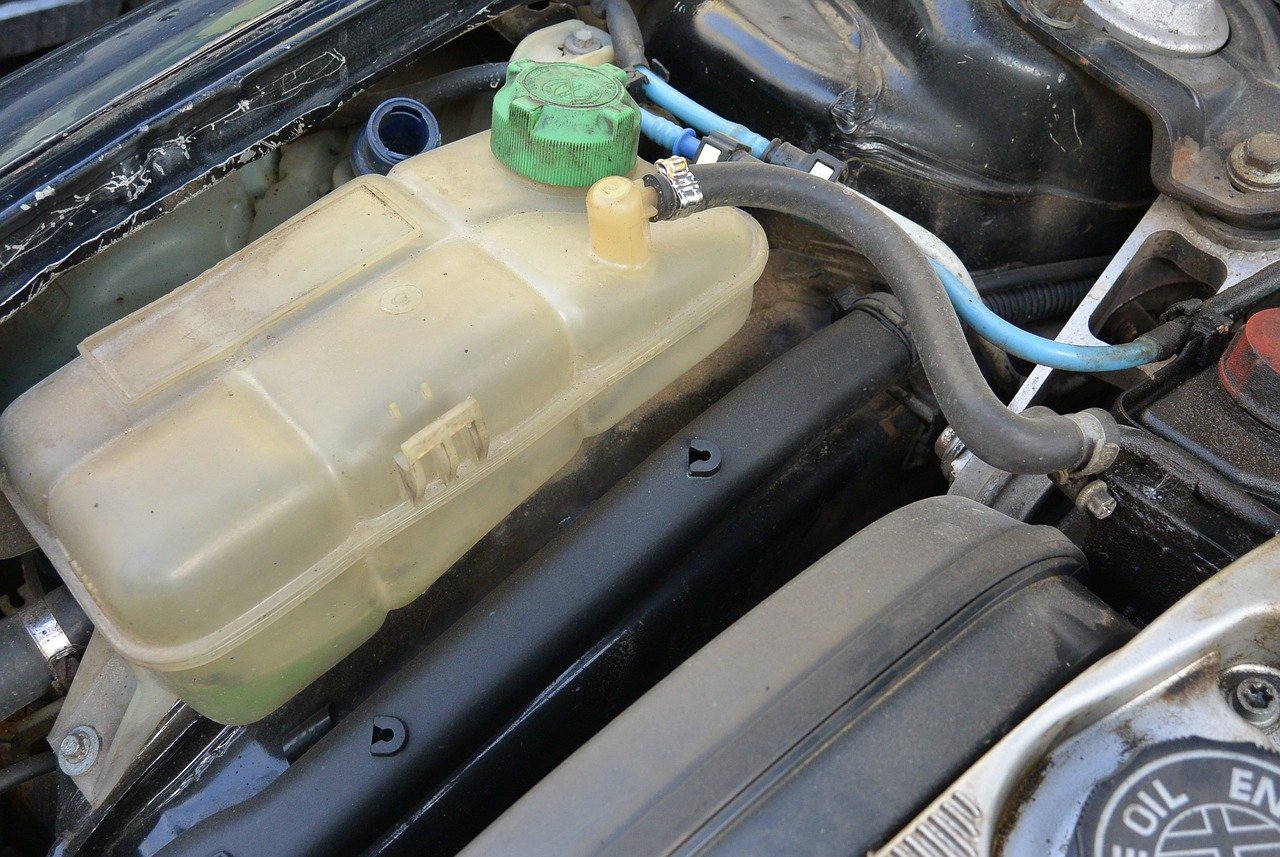
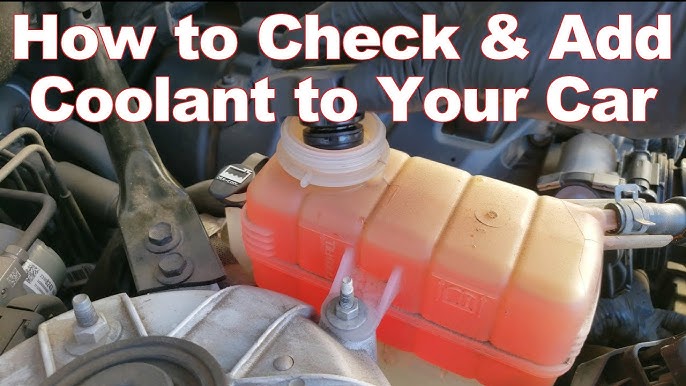
The coolant reservoir is a plastic tank near the engine. Look for a translucent container with a cap labeled “coolant” or “antifreeze.” It usually sits close to the radiator. The car manual can help find it if needed.
Reading The Level Indicators
Coolant reservoirs have marks showing minimum and maximum levels. The fluid should be between these lines. Check the level when the engine is cold to get an accurate reading. Low levels mean you need to add antifreeze soon.
How To Add Antifreeze Safely
Adding antifreeze to your car is important for engine health. Doing it safely helps avoid damage and keeps the engine cool. Follow clear steps to add antifreeze without spills or mistakes. Use the right type and mix it properly for best results.
Choosing The Right Type
Check your car’s manual for the correct antifreeze type. Different cars need different formulas. Using the wrong type can harm the engine. Buy antifreeze that matches your vehicle’s requirements. Avoid mixing different types unless the manual says it is safe.
Proper Mixing Ratios
Antifreeze usually mixes with water. The common ratio is 50% antifreeze and 50% water. This balance protects your engine from freezing and overheating. Use distilled water to avoid minerals that can cause rust. Some antifreezes come pre-mixed. If so, you can pour it directly.
Step-by-step Filling Process
First, let the engine cool completely. Opening the radiator cap while hot can cause burns. Next, locate the coolant reservoir or radiator fill cap. Slowly pour the antifreeze mix into the reservoir. Fill it up to the “full” line mark. Avoid overfilling as it may cause leaks. Replace the cap tightly to prevent spills. Start the engine and let it run a few minutes. Check the level again and add if needed. Clean any spills immediately to avoid damage or stains.
Signs Of Low Or Excess Antifreeze
Antifreeze is vital for your car’s engine health. It controls temperature and prevents freezing or overheating. Both too little and too much antifreeze can cause problems. Knowing the signs helps avoid costly damage. Watch for these key warning signals.
Overheating Symptoms
One clear sign of low antifreeze is engine overheating. The temperature gauge may rise quickly. Steam or smoke might come from under the hood. The engine can feel hotter than usual. Overheating may cause the car to stop running.
Leaks And Smells
Leaks often show antifreeze problems. Look for puddles or wet spots under the car. Antifreeze usually has a bright color like green, pink, or orange. A sweet smell near the engine is another clue. This smell signals a leak or spill.
Engine Performance Issues
Antifreeze level affects how the engine runs. Low or excess antifreeze can cause rough idling. The engine might stall or hesitate during acceleration. Poor performance may mean the cooling system is compromised. Check antifreeze to keep the engine smooth.

Credit: www.reddit.com
Maintaining Your Cooling System
Maintaining your car’s cooling system is key to its health. A well-kept system stops the engine from overheating. It also protects against freezing in cold weather. Regular care helps your car run smoothly and last longer.
Regular Inspection Tips
Check the coolant level often. Look for signs of leaks under the car. Inspect the radiator and hoses for cracks or damage. Make sure the coolant is clean and bright. Dirty or rusty fluid means it needs changing. Keep an eye on the temperature gauge while driving. It should stay in the normal range.
Flushing And Replacing Coolant
Flush the cooling system every 2 to 3 years. Old coolant loses its ability to protect the engine. Use the correct type of antifreeze for your car. Mix it with water as recommended. Flushing removes dirt and rust. It also clears old coolant. Refill with fresh antifreeze to keep the system working well.
Frequently Asked Questions
How Much Antifreeze Does A Car Need?
Most cars require a 50/50 mix of antifreeze and water, usually around 1 to 2 gallons. Check your owner’s manual for exact capacity. Proper antifreeze levels prevent overheating and freezing, protecting your engine year-round.
Can I Add Pure Antifreeze To My Car?
No, adding pure antifreeze can harm your engine. Always dilute antifreeze with water as recommended, typically 50/50. This balance ensures effective heat transfer and freeze protection.
How Often Should I Check Antifreeze Levels?
Check antifreeze levels at least twice a year, before summer and winter. Regular checks help avoid engine overheating or freezing, ensuring your vehicle runs smoothly in all seasons.
What Happens If A Car Has Too Little Antifreeze?
Low antifreeze can cause engine overheating and severe damage. It reduces cooling system efficiency and increases corrosion risk. Always maintain proper antifreeze levels to protect your engine.
Conclusion
Knowing how much antifreeze your car needs helps keep it running well. Too little can cause the engine to overheat or freeze. Too much can reduce cooling efficiency. Check your car’s manual for the right amount and type. Always keep antifreeze levels balanced for safe driving and engine health.
Regular checks prevent costly repairs. Simple care goes a long way. Keep your car cool and protected all year.


