

Is your car feeling shaky or bumpy on every drive? You might be facing suspension problems, and fixing them can sometimes catch you off guard.
You’re probably wondering, “How much will it cost to fix my car’s suspension? ” Knowing the answer can save you from unexpected expenses and headaches. You’ll discover what affects suspension repair costs and how to spot issues early. Keep reading to protect your car and your wallet.
Suspension System Basics
The suspension system plays a key role in a car’s safety and comfort. It connects the car’s body to its wheels and absorbs shocks from the road. This system helps keep tires on the ground for better control. A well-maintained suspension provides a smooth ride and stable handling.
Understanding the basics of suspension helps in knowing the cost of repairs. The system has several parts that work together. Different cars use different suspension types depending on their design and purpose.
Key Components
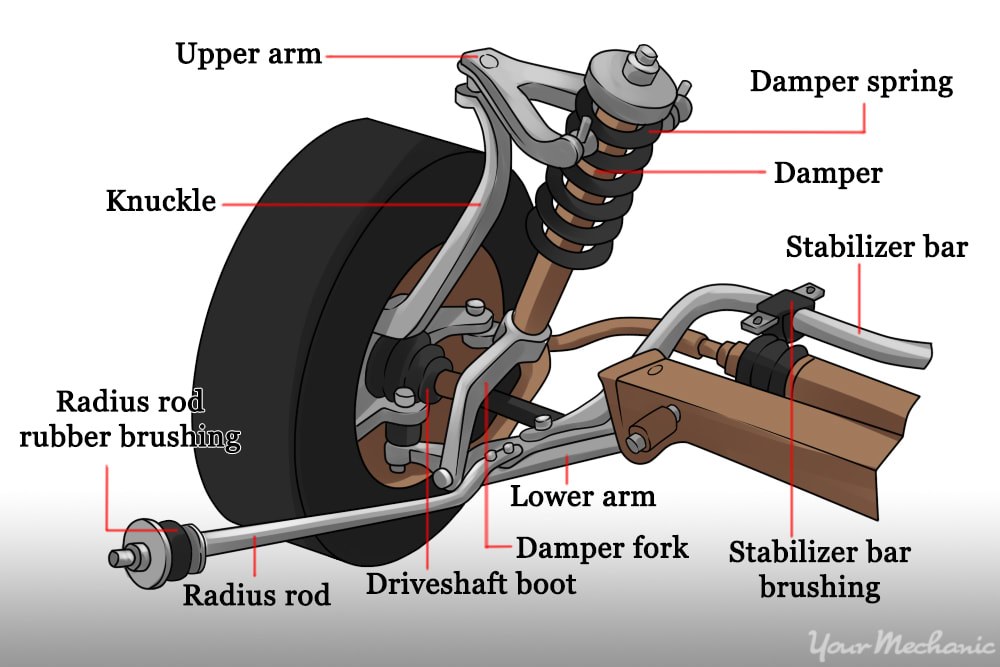
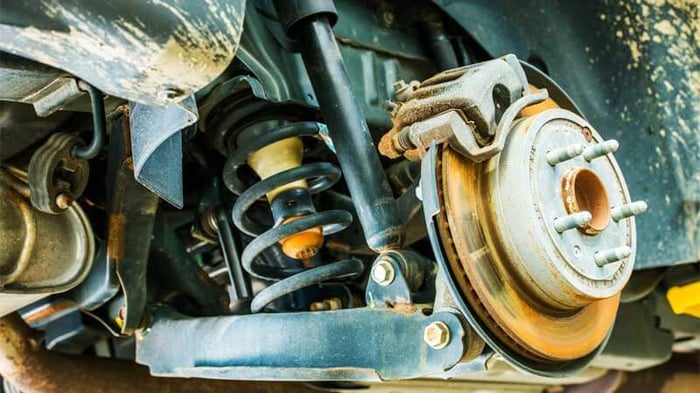
The suspension system has many parts that each serve a specific job. Springs support the car’s weight and absorb bumps. Shock absorbers or struts control the movement of springs. Control arms connect the suspension to the frame and allow wheel movement. Bushings reduce friction between moving parts. Ball joints connect control arms to the wheels, allowing smooth turning.
Common Suspension Types
There are several suspension types used in cars today. The most common is the MacPherson strut, found in many front-wheel-drive cars. It combines a shock absorber and spring in one unit. Another type is the double wishbone, offering more control and stability. Leaf spring suspension is common in trucks and older vehicles. Air suspension uses air bags instead of springs for adjustable comfort.
Signs Of Suspension Problems
Suspension problems can make driving unsafe and uncomfortable. Knowing the signs early helps prevent bigger repairs. Watch for changes in how your car feels and sounds. These clues show your suspension might need fixing soon.
Unusual Noises
Listen for knocking or clunking sounds from the wheels. Squeaking noises when you drive over bumps also indicate trouble. These noises come from worn-out shocks or struts that need repair.
Handling Issues
Your car may pull to one side during driving. The steering can feel loose or shaky on rough roads. Bouncing more than usual after hitting a bump means weak suspension parts.
Uneven Tire Wear
Check your tires for uneven wear patterns. Bald spots or faster wear on one side show suspension problems. Bad suspension causes tires to lose contact with the road unevenly.
Factors Influencing Repair Costs
Repairing a car’s suspension can vary a lot in cost. Several factors change how much you will pay. Knowing these can help you understand the price better.
Some repairs are simple, while others need more work and parts. The type of damage, your car’s make and model, and labor charges all affect the final bill.
Type Of Damage
Minor issues like worn bushings cost less to fix. Major problems such as broken shocks or struts need expensive parts and more time. Damage to multiple suspension parts raises the price too.
Car Make And Model
Luxury or imported cars often have higher repair costs. Their parts are pricier and sometimes harder to find. Common cars have more affordable parts and easier repairs, lowering the total cost.
Labor Charges
Labor fees depend on the shop’s location and reputation. Shops in big cities usually charge more per hour. Complex suspension systems take longer to fix, increasing labor costs.
Credit: www.yourmechanic.com
Typical Repair Costs Breakdown
Car suspension repairs vary in cost depending on the parts involved. Understanding typical repair costs helps plan your budget. Each component has its own price range for parts and labor. This section breaks down common suspension repairs and their costs.
Shock Absorbers And Struts
Shock absorbers and struts control your car’s bounce and stability. Replacing them usually costs between $200 and $600 per axle. Labor takes about 1 to 2 hours. Costs depend on car type and part quality. Worn shocks cause poor handling and uneven tire wear.
Control Arms And Bushings
Control arms connect your wheels to the frame. Bushings cushion these connections to reduce noise and vibration. Replacing control arms and bushings can cost $300 to $700. Labor varies from 1.5 to 3 hours. Damaged parts cause steering issues and poor alignment.
Ball Joints And Tie Rods
Ball joints allow smooth wheel movement, while tie rods help steer the car. Repairing or replacing these parts costs $150 to $400 each. Labor time is about 1 to 2 hours. Faulty ball joints or tie rods cause uneven tire wear and loose steering feel.
Diy Vs Professional Repair
Deciding between fixing your car’s suspension yourself or hiring a professional is important. Each choice has its own benefits and challenges. Understanding these can save you time, money, and stress.
Pros And Cons Of Diy
Doing suspension repairs yourself can save money on labor costs. You control the pace and learn new skills. Tools and parts might be cheaper online.
DIY repairs need time and patience. Mistakes can cause more damage or safety issues. You must have basic mechanical knowledge and proper tools. Suspension work can be tough and risky without experience.
When To Hire A Mechanic
Complex suspension problems require a professional. Mechanics have the right tools and expertise. They ensure the job is safe and done correctly.
If you notice strange noises, uneven tire wear, or poor handling, see a mechanic. Also, if you lack time or confidence, hiring a pro is wise. This can prevent costly repairs later.
Credit: repairpal.com
Preventive Maintenance Tips
Keeping your car’s suspension in good shape saves money and keeps driving safe. Small checks and smart habits stop big problems. Follow these tips to avoid costly repairs and enjoy a smooth ride.
Regular Inspections
Check your suspension parts often. Look for worn-out shocks, broken springs, or leaking fluid. Inspect tires for uneven wear. A quick look can catch issues early. Visit a mechanic at least twice a year. Early fixes cost less and prevent breakdowns.
Driving Habits
Drive gently over bumps and potholes. Avoid sudden stops and fast turns. Slow down on rough roads. Hard driving stresses suspension parts and wears them out fast. Smooth driving extends suspension life and keeps you safe.
Suspension Upgrades
Consider upgrading old suspension parts. New shocks and struts improve comfort and control. Better parts last longer and handle rough roads well. Upgrades can reduce future repair costs. Choose quality parts that fit your car model.
Cost-saving Strategies
Fixing a car’s suspension can be costly. Saving money on repairs helps keep your budget in check. Smart choices reduce expenses without sacrificing quality. Here are some cost-saving strategies to consider.
Choosing Quality Parts
Select parts that last longer to avoid frequent replacements. Opt for OEM or certified aftermarket parts. Cheap parts might save money now but cost more later. Durable parts improve safety and performance. Always check reviews and ratings before buying.
Finding Reliable Shops
Pick repair shops with good reputations and fair prices. Trusted mechanics do the job right the first time. Ask for estimates from several shops to compare costs. Avoid shops that offer prices too low to be true. Quality service prevents extra repairs down the line.
Warranty And Insurance Options
Check if your parts or labor have warranties. Warranties protect you from paying again for the same problem. Some insurance policies cover suspension repairs after accidents. Review your insurance details to see what is included. Use warranty and insurance benefits to lower your costs.
Credit: www.strutmasters.com
Frequently Asked Questions
How Much Does Suspension Repair Usually Cost?
Suspension repair costs vary between $300 and $1,000 on average. The price depends on the car model and damage severity. Basic repairs like replacing shocks or struts are cheaper. Complex repairs involving multiple components cost more. Always get a detailed quote before starting repairs.
What Factors Affect Suspension Repair Expenses?
Repair costs depend on parts needed, labor rates, and car type. Luxury or performance vehicles often have higher repair costs. Location and mechanic expertise also influence prices. Additional repairs may increase the final bill. Regular maintenance can prevent expensive suspension problems.
Can I Drive With A Damaged Suspension?
Driving with a damaged suspension is unsafe and can worsen damage. It affects vehicle handling, braking, and comfort. Immediate repair is recommended to ensure safety. Ignoring suspension issues risks accidents and costly repairs. Regular inspections help detect problems early.
How Long Does Suspension Repair Take?
Suspension repairs typically take 1 to 3 hours, depending on damage. Simple parts replacement is faster, while complex repairs take longer. Scheduling repairs promptly minimizes downtime. Delays can lead to further damage and higher costs. Always consult your mechanic for an accurate timeframe.
Conclusion
Fixing your car’s suspension can vary in cost. It depends on the problem and the parts needed. Simple repairs may cost less, while major fixes can be expensive. Regular checks help catch issues early. Ignoring suspension problems can lead to bigger repairs and unsafe driving.
Choose a trusted mechanic for accurate estimates. Understanding costs helps you plan your budget better. Keep your car safe and comfortable by fixing suspension issues promptly. Don’t wait until small problems become big headaches. Take care of your suspension today.


