

Thinking about tinting your car windows but unsure how much it will cost? You’re not alone.
Many car owners wonder if window tinting is worth the investment and want to know the price before making a decision. Understanding the costs involved can help you plan your budget and choose the right tint for your needs. You’ll discover the factors that affect car window tinting prices and get clear answers to help you make the best choice for your vehicle and wallet.
Keep reading—you’re closer to finding the perfect tint than you think.
Credit: www.tintworld.com
Factors Affecting Tinting Prices
Car window tinting costs vary widely. Several factors influence the final price. Understanding these factors helps you choose the right tint for your car and budget.
Type Of Tint Film
The type of tint film affects the price significantly. Basic dyed films are cheaper but less durable. Metalized films cost more and offer better heat rejection. Ceramic films are the most expensive with superior performance and clarity.
Vehicle Size And Type
Larger vehicles need more film, increasing the cost. SUVs and trucks usually cost more than sedans. Curved or specialty windows require extra care, raising the price.
Number Of Windows
The total number of windows to tint impacts the cost. Tinting only front windows costs less than tinting all windows. Rear and side windows add to the overall price.
Quality And Brand
High-quality films from well-known brands cost more. These films last longer and offer better UV protection. Cheaper brands may fade or bubble quickly, leading to extra expenses.
Labor And Installation
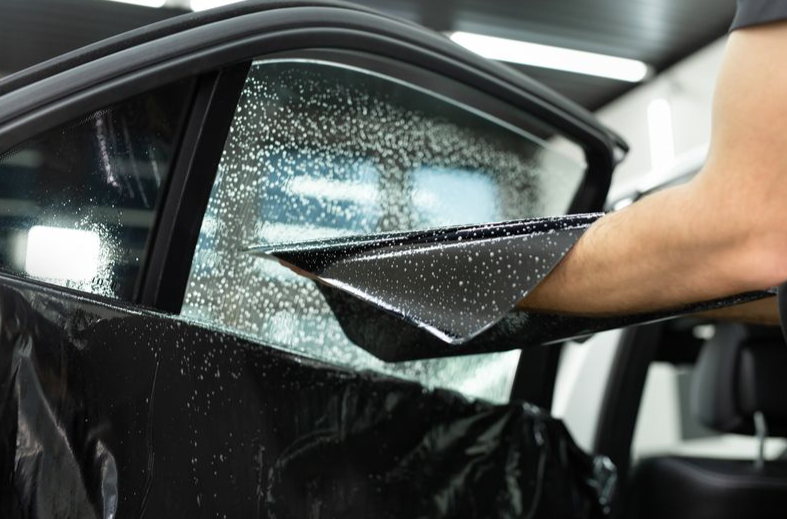
Experienced installers charge higher fees for precise work. Complex window shapes take more time to tint. Poor installation can cause bubbles and peeling, requiring costly fixes.
Common Tinting Price Ranges
Deciding between DIY tinting and hiring a professional affects your budget and results. Both options have clear pros and cons. Understanding these can help you choose the best path for your car.
Cost Comparison
DIY tinting kits usually cost between $20 and $100. Professional services range from $100 to $400 depending on car size and tint quality. DIY saves money upfront but might need replacements if done wrong. Professionals charge more but offer warranty and quality assurance.
Risks And Benefits
DIY tinting risks include bubbles, creases, and uneven application. Mistakes can cause permanent damage to windows. Professionals have training to apply tint smoothly and quickly. They use better materials and tools. DIY offers flexibility and a sense of achievement. Professional service ensures a neat, legal tint without hassle.
Tools And Materials Needed
DIY tinting requires a tint film, squeegee, spray bottle, knife, and cleaning supplies. You must prepare the window surface thoroughly. Professionals bring all necessary tools and materials. They clean, cut, and fit tint perfectly. DIY tools cost less but require skill and patience.
Diy Tinting Vs Professional Service
Car window tinting has a base price, but extra costs may arise. These costs can affect your total spending. Understanding them helps you plan better.
Some charges depend on your car’s condition and local rules. Others relate to the service quality and future care. Knowing these details avoids surprises.
Removal Of Old Tint
Old tint must be removed before new tint goes on. This step costs extra, especially if the old film is damaged. Removal can take time and needs special tools.
Skipping this step may cause bubbles or poor adhesion. Professionals usually charge per window or by labor hours. Budget for this cost if your car already has tint.
Legal Compliance Fees
Tint darkness and reflectivity must follow state laws. Some places require inspection or certification fees. These legal checks make sure your tint is allowed on the road.
If your tint is too dark, you might pay fines or need removal. Some shops add a fee for helping with legal paperwork. Check local rules before tinting to avoid extra expenses.
Warranty And Maintenance
Many tint shops offer warranties for their work. Warranties cover bubbling, peeling, or fading for a set time. This service may increase the initial price but saves money later.
Proper maintenance keeps tint looking good longer. Some shops sell cleaning kits or offer follow-up care. These costs are small but improve tint durability and appearance.
Additional Costs To Consider
Choosing the right car window tint is important. The wrong tint can cause legal problems or not give enough protection. You want a tint that fits your needs and follows the law. Focus on three main things to pick the best tint for your car.
Legal Tint Limits By State
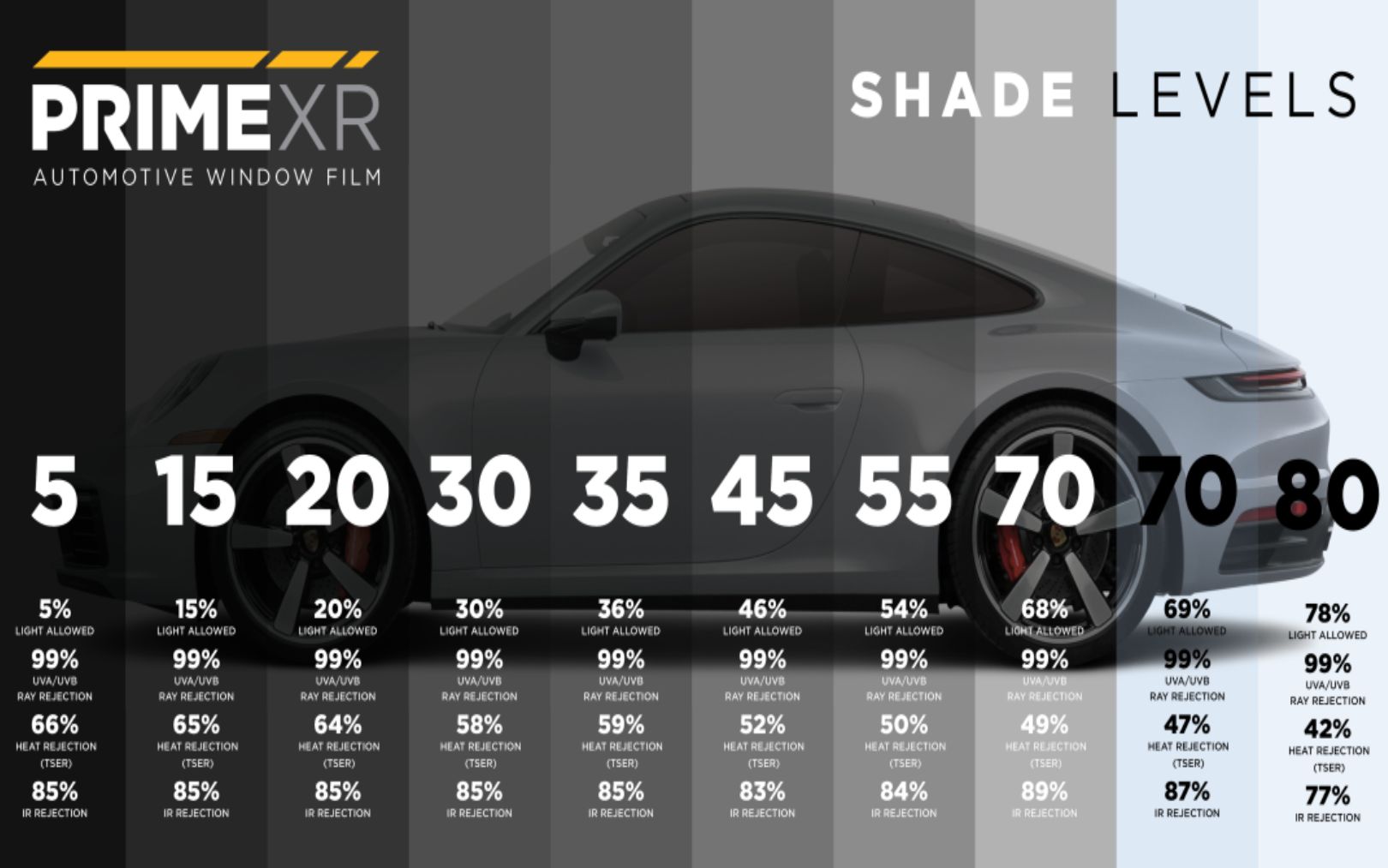
Each state has rules about how dark your window tint can be. These rules protect drivers and police officers. Some states allow very dark tints, others only light ones. Check your state’s laws before buying. This helps avoid fines or having to remove the tint later.
Uv Protection And Heat Rejection
Good tints block harmful UV rays. UV rays can damage your skin and car interior. Heat rejection is also key. It keeps your car cooler in hot weather. Choose a tint with strong UV and heat protection. This keeps you safe and comfortable during drives.
Aesthetic Preferences
Think about how the tint looks on your car. Some like a dark, sleek look. Others prefer a lighter tint for better visibility. Pick a style that matches your taste and your car’s design. The right tint should make your car look good and feel good to drive.
How To Choose The Right Tint
Tinting car windows can be costly. Saving money is important for many car owners. Simple tips help reduce the price without losing quality. These tips make tinting more affordable.
Understanding when and where to get tinting can lead to big savings. Smart choices bring good results and keep your budget safe.
Seasonal Discounts
Many shops offer discounts in slow months. Winter or rainy seasons often have lower prices. Demand drops, so prices go down. Plan your tinting during these times to save money. Watch for holiday sales or special events too.
Package Deals
Some tinting centers offer package deals. These include tinting all windows at a lower rate. Combining services like tinting and paint protection can cut costs. Always ask about bundles before buying. Package deals give better value than single services.
Local Vs Chain Shops
Local shops often charge less than big chains. They may offer personalized service and flexible pricing. Chains might have standard prices and fewer discounts. Visiting local shops can uncover hidden savings. Compare both options before deciding.

Credit: www.raynofilm.com
Credit: www.tintingchicago.com
Frequently Asked Questions
How Much Does Car Window Tinting Cost On Average?
The average cost for car window tinting ranges from $100 to $400. Prices vary by vehicle size, tint quality, and location. Premium films and professional installation may increase the cost. Always get multiple quotes to find the best deal.
What Factors Influence Car Window Tinting Prices?
Factors include film type, vehicle size, labor costs, and regional pricing. Darker or specialized tints cost more. Larger vehicles require more material, increasing price. Quality of installation also affects the final cost.
Is Professional Tinting More Expensive Than Diy Kits?
Yes, professional tinting generally costs more but ensures quality results. DIY kits are cheaper but may lack durability and appearance. Professionals use better materials and tools, reducing installation errors.
How Long Does Car Window Tinting Last?
Car window tinting typically lasts 5 to 10 years. Longevity depends on film quality, sun exposure, and maintenance. High-quality films resist fading and bubbling longer. Proper care extends tint life significantly.
Conclusion
Car window tinting costs vary depending on many factors. Quality, type, and car size all affect the price. Choosing the right tint helps protect you and your car. It also adds privacy and reduces glare. Think about your budget and needs before deciding.
Getting a good tint is worth the investment. Take your time to compare prices and options. Your car will look better and stay cooler. Simple steps lead to smarter choices.


