

Are you thinking about buying a car in South Korea but unsure how much it will cost? Knowing the price range can help you plan your budget and avoid surprises.
Whether you want a new ride or a used one, understanding the costs involved is key to making a smart choice. You’ll discover what affects car prices in South Korea and how much you can expect to pay. Keep reading to get clear answers and make your car-buying experience easier and more confident.
Car Market In South Korea
The car market in South Korea is vibrant and diverse. Many people own cars for daily travel and work. The country has a strong car industry with many local brands. Imported cars also have a good presence. Buyers can choose from many types and models. Prices vary based on brand, size, and features.
South Korea’s car market reflects its modern lifestyle and growing economy. The government supports electric and eco-friendly vehicles. This shapes the market trends and buyer preferences. Understanding popular brands and the split between domestic and imported cars helps in knowing car costs.
Popular Car Brands
Hyundai and Kia lead the market with affordable and reliable cars. They offer many models, from compact cars to SUVs. Other local brands like SsangYong and GM Korea also have market shares. Luxury brands such as Genesis attract buyers seeking comfort and style. Imported brands like Toyota, BMW, and Mercedes-Benz appeal to premium buyers. Each brand meets different needs and budgets.
Domestic Vs Imported Cars
Domestic cars dominate the market because they are cheaper and easier to maintain. They have good resale value and wide service networks. Imported cars cost more due to taxes and shipping fees. Buyers choose imported cars for unique designs or advanced technology. Many prefer local brands for cost savings and fuel efficiency. The choice depends on personal taste and budget.
Price Factors
Several factors influence the total cost of owning a car in South Korea. The price goes beyond the sticker price you see at dealerships. Understanding these factors helps plan your budget better. Key elements include taxes, insurance, fuel, and maintenance. Each plays a role in the overall expense.
Taxes And Fees
Taxes add a big chunk to the car price in South Korea. There is a value-added tax (VAT) of 10% on the purchase price. Registration fees also apply when you buy a new car. The government charges an acquisition tax based on the car’s price and engine size. These fees vary depending on the type and size of the vehicle. Import taxes make foreign cars more expensive. Annual vehicle taxes depend on engine displacement, affecting your yearly costs.
Insurance Costs
Insurance is mandatory for all car owners in South Korea. Basic insurance covers liability for damages to others. Many drivers opt for additional coverage for theft or accidents. Insurance premiums depend on your age, driving history, and car model. New drivers usually pay more for insurance. Premiums can rise after accidents. Choosing the right insurance plan balances cost and protection.
Fuel And Maintenance
Fuel costs vary but remain a steady expense for car owners. South Korea’s fuel prices are higher than in many countries. Diesel and gasoline prices fluctuate with global oil markets. Regular maintenance keeps your car safe and efficient. Costs include oil changes, tire replacements, and inspections. Repairs can be costly, especially for imported or luxury cars. Budgeting for these expenses helps avoid surprises later.
New Car Prices
New car prices in South Korea vary widely depending on the type and brand. Buyers can find options from affordable compact cars to high-end luxury models. The car market offers many choices for different budgets and needs. Understanding the price range helps in making a smart purchase.
Compact Cars
Compact cars are popular for city driving and fuel efficiency. Prices usually start around 10 million to 20 million KRW. These cars are small but practical, ideal for daily commutes. Brands like Hyundai and Kia offer several models in this range. Buyers get good value for the price with basic features.
Sedans And Suvs
Sedans and SUVs cost more than compact cars but offer more space. Prices range from 20 million to 40 million KRW. These vehicles suit families and those needing extra room. Popular models include midsize sedans and compact SUVs. They come with better safety and comfort features.
Luxury Models
Luxury car prices start at around 50 million KRW and go higher. These cars offer premium design, performance, and technology. German brands like BMW and Mercedes-Benz are common choices. Luxury models attract buyers seeking status and advanced features. Maintenance and insurance costs are higher for these cars.

Credit: insideevs.com
Used Car Prices
Used car prices in South Korea vary widely. Many buyers prefer used cars for affordability and variety. Understanding how prices change over time helps buyers make smart choices. The cost depends on many factors like age, condition, and brand.
Depreciation Rates
Cars lose value quickly after purchase. Most new cars drop about 20% in the first year. After three years, a car can lose up to 50% of its value. Korean cars tend to hold value better than some foreign brands. Regular maintenance slows depreciation and keeps prices higher.
Where To Buy Used Cars
Many used cars are sold through dealerships and online platforms. Certified dealers offer inspected cars with some warranty. Online sites like SK Encar and K Car have large selections. Auctions are another option but require more knowledge. Private sales can be cheaper but riskier.
Price Ranges By Model
Economy cars like Hyundai Avante start around 5 million KRW for a 3-year-old model. Mid-size sedans like Kia K5 range from 8 to 12 million KRW. SUVs such as the Hyundai Tucson cost 10 to 15 million KRW used. Luxury brands like Genesis or BMW can exceed 20 million KRW even used.
Additional Costs
Buying a car in South Korea involves more than just the sticker price. Additional costs can add up fast. Knowing these fees helps you plan your budget well. These extra charges cover several important areas. Here’s a closer look at some key costs you should expect.
Registration And Inspection
Registering your car is mandatory in South Korea. This process confirms your ownership officially. Registration fees vary based on car type and engine size. You will also pay for license plates during this step. Cars must pass a safety inspection regularly. This check ensures your vehicle meets all safety rules. Inspection costs depend on the car’s age and condition. Skipping these steps can lead to fines or legal trouble.
Loan And Financing Options
Many buyers use loans to afford a car. South Korea offers various financing options with banks and dealers. Loan interest rates depend on your credit score. Lower scores mean higher interest costs. Choose loan terms carefully to avoid heavy monthly payments. Some loans include fees for processing or early repayment. Always read the loan agreement before signing. Financing makes cars affordable but adds to the total cost.
Credit: www.kedglobal.com
Tips For Buying A Car
Buying a car in South Korea can be a big step. Knowing some tips can help you get a better deal. These tips focus on how to negotiate and when to buy. Both can save you money and stress.
Negotiation Strategies
Start by researching the car’s market price. Use this information to set a fair offer. Speak politely but firmly during negotiations. Don’t accept the first price. Ask for discounts or extra benefits like free maintenance. Show that you are ready to walk away if the deal is not good. This can give you more power in talks.
Timing Your Purchase
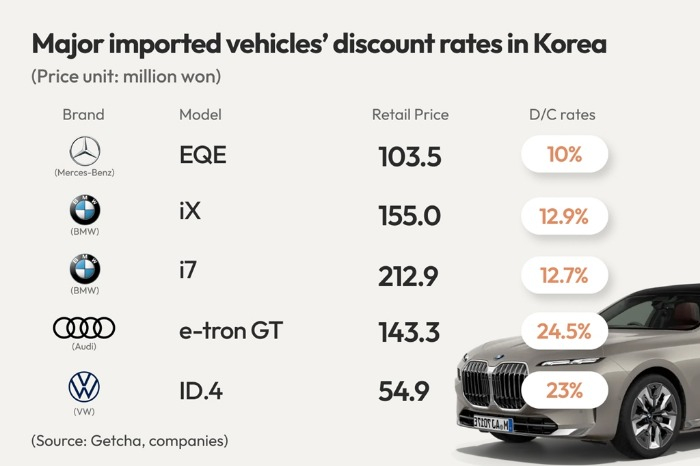
Car prices often drop at the end of the month or year. Dealers want to meet sales targets by these times. Buying during these periods can get you better deals. Avoid buying during holidays when prices may be higher. Watch for special sales events or promotions. These moments might offer extra savings or perks.

Credit: m.mk.co.kr
Frequently Asked Questions
How Much Does A New Car Cost In South Korea?
A new car in South Korea typically costs between $15,000 and $40,000. Prices vary by brand, model, and features. Luxury cars can cost significantly more, often exceeding $50,000. Taxes and import fees also affect the final price.
What Affects Car Prices In South Korea?
Car prices in South Korea are influenced by taxes, import duties, and fuel efficiency standards. Brand reputation, vehicle type, and optional features also impact costs. Government incentives for electric vehicles can lower prices.
Are Used Cars Cheaper In South Korea?
Yes, used cars in South Korea are generally 30-50% cheaper than new ones. Condition, mileage, and model year affect resale value. Certified used cars offer reliability with a warranty.
How Expensive Is Car Insurance In South Korea?
Car insurance in South Korea costs around 500,000 to 1,000,000 KRW annually. Rates depend on driver age, car type, and coverage level. Insurance is mandatory for all vehicle owners.
Conclusion
Buying a car in South Korea involves many costs to consider. Prices vary by brand, model, and features. Taxes and insurance add to the total expense. Planning your budget helps avoid surprises later. Knowing these costs makes buying easier and smarter.
Take time to compare options and decide what fits you best. Driving in South Korea can be a good experience with the right car choice. Keep these tips in mind when you start your search.

