

If you have a rabbit, you know how special they are. But when your furry friend falls sick, you may wonder: how much critical care does your rabbit really need?
Understanding the right level of care can make all the difference in saving your pet’s life. You’ll discover key signs to watch for, what urgent care involves, and how to act fast when every second counts. Keep reading to learn exactly how to give your rabbit the critical care it deserves and keep it healthy and happy.
Credit: oxbowanimalhealth.com
Signs Of A Rabbit In Crisis
Rabbits are delicate animals that can hide pain very well. Knowing the signs of a rabbit in crisis is vital. Early recognition can save your rabbit’s life. Watch closely for changes in behavior or health. Quick action can provide the care your rabbit needs.
Recognizing Distress Signals
Rabbits in distress often show subtle signs. Look for changes in eating or drinking habits. A sick rabbit may stop grooming. Breathing may become fast or labored. Hunched posture and reluctance to move are warning signs. Eyes may appear dull or watery. Teeth grinding loudly can mean pain. Sudden aggression or hiding is unusual behavior. These signals tell you your rabbit needs help.
Common Medical Emergencies
Some emergencies require immediate attention. Gastrointestinal stasis is common and deadly. Symptoms include no droppings and a bloated belly. Respiratory infections cause sneezing and nasal discharge. Heatstroke shows as panting and weakness. Trauma from falls or fights leads to bleeding or limping. Urinary blockages cause straining and blood in urine. These emergencies need urgent vet care. Acting fast improves the chance of recovery.
Immediate First Aid Steps
Critical care for rabbits starts with immediate first aid. Quick action can save your rabbit’s life. Knowing the right steps helps you handle emergencies calmly. This section covers essential first aid steps for rabbits.
Stabilizing Breathing And Heart Rate
Check your rabbit’s breathing and pulse first. Look for steady breaths and a strong heartbeat. If breathing is weak or stops, gently open the airway. Clear any blockages from the mouth or nose. Use a small, soft cloth to wipe away mucus. Avoid forcing air into the lungs. Instead, try gentle breaths if trained. Keep your rabbit calm and warm. Place a soft towel around the body to keep heat. Monitor breathing until veterinary help arrives.
Handling Shock And Trauma
Shock is common in injured rabbits. Symptoms include pale gums and weak pulse. Keep your rabbit lying on its side. Elevate the hind legs slightly to improve blood flow. Avoid moving your rabbit too much. Handle it gently and with care. Apply a warm compress to the body, not the injury. Control any bleeding with clean cloths. Do not apply tight bandages unless trained. Watch for signs of pain or distress. Call a vet immediately for further care.
Essential Equipment For Rabbit Care
Caring for a rabbit requires the right tools. Essential equipment helps keep your rabbit healthy and safe. It also makes handling emergencies easier. Having these supplies ready can save time and reduce stress.
Basic Medical Supplies
Basic medical supplies are a must for every rabbit owner. Items like a digital thermometer help check your rabbit’s temperature. Gauze and bandages assist in cleaning and covering wounds. Antiseptic solutions keep cuts clean and prevent infection. Tweezers are useful for removing small debris or splinters. Always have a small first aid kit ready for minor injuries.
Specialized Rabbit Care Tools
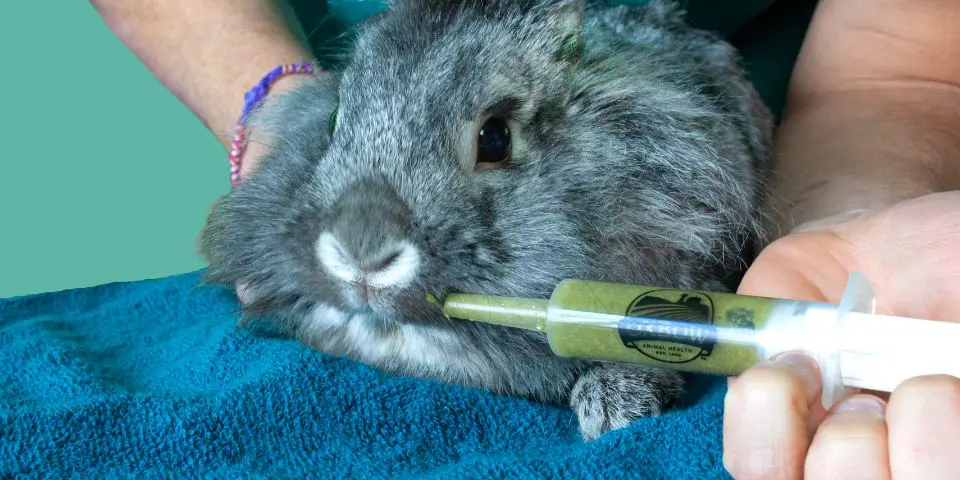
Specialized tools meet rabbits’ unique needs. A soft nail clipper designed for rabbits prevents injury during nail trimming. A pet-safe syringe helps give medicines or fluids easily. A small animal scale tracks your rabbit’s weight changes. A heating pad can provide warmth during illness or recovery. These tools support better health and comfort for your rabbit.

Credit: www.oxbowaustralia.com
Feeding And Hydration Tips
Feeding and hydration are vital for a rabbit’s critical care. Rabbits need proper fluids and nutrition to heal well. Their delicate digestive systems require gentle handling during recovery. Providing the right care helps avoid complications and speeds up healing.
Providing Fluids Safely
Hydration is essential for a sick rabbit. Offer fresh water often. Use a syringe to give fluids if the rabbit refuses to drink. Be gentle to avoid stress or choking. Avoid forcing large amounts at once. Small, frequent sips work best. Monitor for signs of dehydration like dry gums or sunken eyes. Consult a vet for advice on fluids and amounts.
Nutritional Support During Recovery
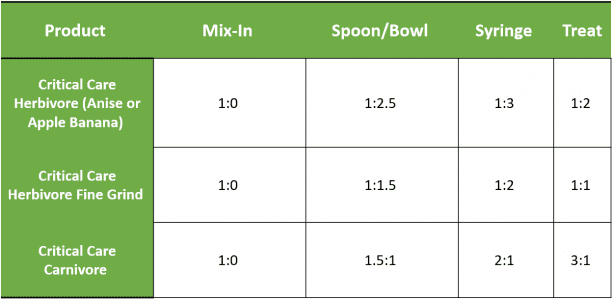
Rabbits need fiber to keep their gut moving. Provide fresh hay as the main food. Soft leafy greens help if the rabbit cannot eat hay well. Avoid sugary or starchy treats that upset digestion. Offer critical care formulas or special recovery pellets if recommended. Feed small amounts often to encourage eating. Watch for appetite changes and contact a vet if problems persist.
When To Seek Veterinary Help
Knowing when to seek veterinary help is crucial for your rabbit’s health. Rabbits hide pain well. Early signs of illness can be subtle. Acting fast can save your pet’s life. Watch carefully for changes in behavior or eating habits. Don’t wait if you suspect serious problems. A vet’s care is sometimes urgent and necessary.
Identifying Urgent Symptoms
Look for sudden changes in breathing or heart rate. Labored or noisy breathing needs quick attention. Check if your rabbit stops eating for more than 12 hours. Swelling or lumps on the body require a vet’s check. Notice if your rabbit is very weak or unable to move. Drooling, head tilt, or eye discharge are serious signs. Diarrhea or no stool for over 24 hours is urgent. These symptoms show critical conditions that need immediate help.
Preparing For The Vet Visit
Keep your rabbit calm and safe during travel. Use a secure carrier with soft bedding. Bring a sample of your rabbit’s droppings if possible. Write down your rabbit’s symptoms and how long they have lasted. Note any changes in eating or bathroom habits. Take a list of all foods and medicines given recently. Arrive early to avoid stress and long waits. Clear communication with your vet helps get the right care fast.
Preventing Future Emergencies
Preventing future emergencies is key to keeping your rabbit healthy. Careful steps can reduce risks and avoid urgent vet visits. Focus on creating a safe space and watching your rabbit’s health closely.
Safe Housing And Environment
Choose a cage or hutch that is large and well-ventilated. Keep it clean and dry to stop infections. Avoid sharp edges or small gaps where your rabbit could get hurt. Provide safe toys to prevent boredom and chewing on harmful objects. Protect your rabbit from extreme temperatures and predators. Make sure the area is quiet and stress-free.
Routine Health Checks
Check your rabbit daily for signs of illness or injury. Look at their eyes, nose, teeth, and fur for changes. Watch their eating and bathroom habits closely. Regularly trim nails and check teeth growth. Take your rabbit to a vet for yearly exams. Early detection helps avoid serious health problems later.
Credit: oxbowanimalhealth.com
Frequently Asked Questions
How Much Critical Care Does A Sick Rabbit Need?
A sick rabbit requires immediate and intensive critical care. This includes hydration, warmth, pain management, and veterinary monitoring. Early intervention improves recovery chances. Critical care duration depends on the illness severity and response to treatment. Always consult a vet for proper care guidance.
What Are The Signs A Rabbit Needs Critical Care?
Signs include lethargy, loss of appetite, breathing difficulty, and unusual behavior. Other symptoms are dehydration, diarrhea, or wounds. Immediate veterinary attention is crucial to prevent worsening. Early detection of these signs ensures timely critical care for your rabbit.
How Long Should Critical Care For A Rabbit Last?
Critical care duration varies by condition severity. It can last from a few days to several weeks. Continuous monitoring and vet advice are essential throughout. Follow prescribed treatments strictly to support full recovery in your rabbit.
Can I Provide Critical Care For My Rabbit At Home?
Basic critical care can be given at home with vet instructions. This includes providing fluids, warmth, and medication. However, professional veterinary care is crucial for serious conditions. Always seek expert advice before starting home care.
Conclusion
Caring for a rabbit in critical condition demands attention and patience. Quick action can save your pet’s life. Watch for signs of distress and seek help fast. Regular check-ups help prevent serious problems. Keep their environment calm and comfortable. Proper care improves recovery chances.
Remember, rabbits rely on you for their health. Stay alert and provide gentle care every day. Your effort makes a big difference in their life.

