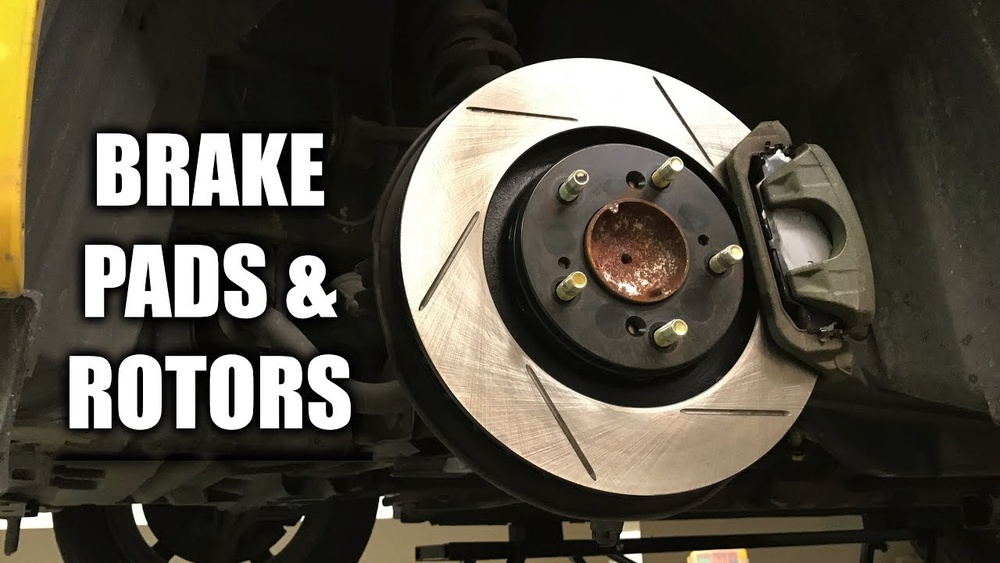
When it comes to keeping your car safe, brakes and rotors play a huge role. But have you ever wondered how much it usually costs to replace them?
Knowing the typical price can help you avoid surprises and plan your budget better. You’ll discover the real costs behind brakes and rotors, what affects these prices, and how you can make smart decisions for your vehicle. Keep reading to find out everything you need to know before your next brake job.
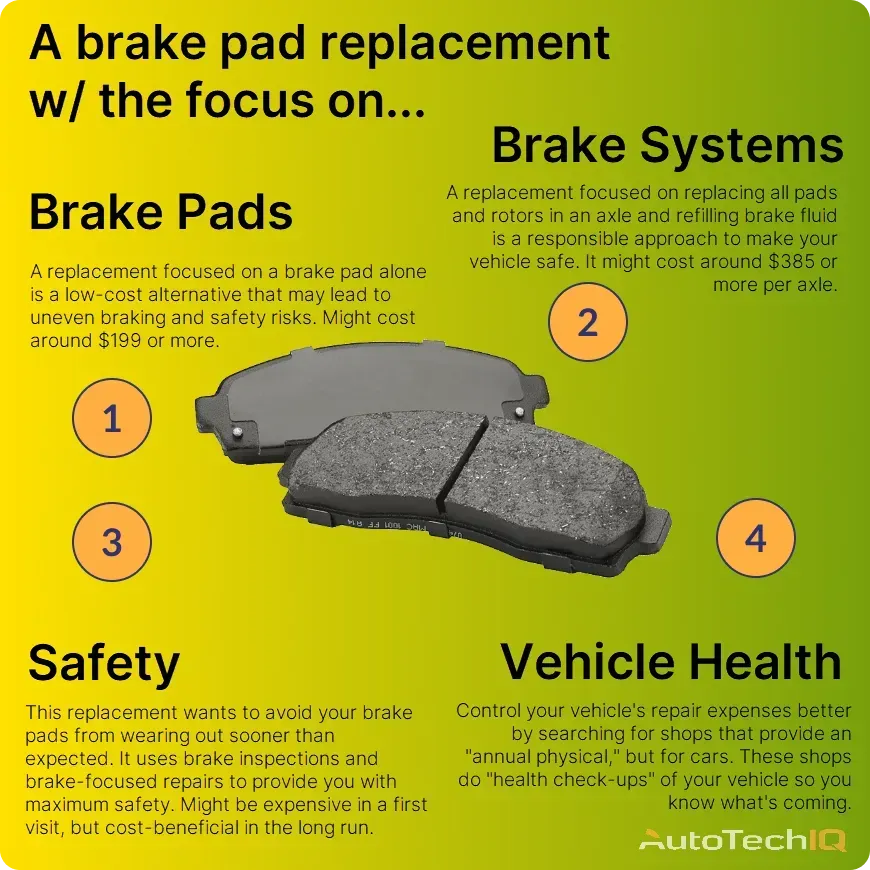
Credit: www.autotechiq.com
Brake System Basics
The brake system is a crucial part of any vehicle. It helps stop the car safely and quickly. Understanding the basics of brakes and rotors can help you know their costs better. This section explains the types of brakes, the role of rotors, and when to replace them.
Types Of Brakes
Two main types of brakes exist: disc brakes and drum brakes. Disc brakes use a pad that squeezes a rotor to stop the wheel. Drum brakes use shoes that press outward against a drum inside the wheel. Most modern cars use disc brakes on the front wheels. Some use disc brakes on all four wheels for better stopping power.
Role Of Rotors
Rotors are metal discs that attach to the wheel hub. They work with brake pads to stop the car. When the brake pedal is pressed, pads clamp down on the rotors. This creates friction and slows the wheel. Rotors must be smooth and strong to work well. Worn or damaged rotors can cause vibrations and reduce braking efficiency.
When To Replace Brakes And Rotors
Brake pads usually wear out faster than rotors. Replace pads every 30,000 to 70,000 miles, depending on use. Rotors last longer but need replacement if warped or below thickness limits. Signs include squealing noises, vibrations, or longer stopping distances. Regular checks help catch problems early and keep brakes safe.
Factors Influencing Brake And Rotor Costs
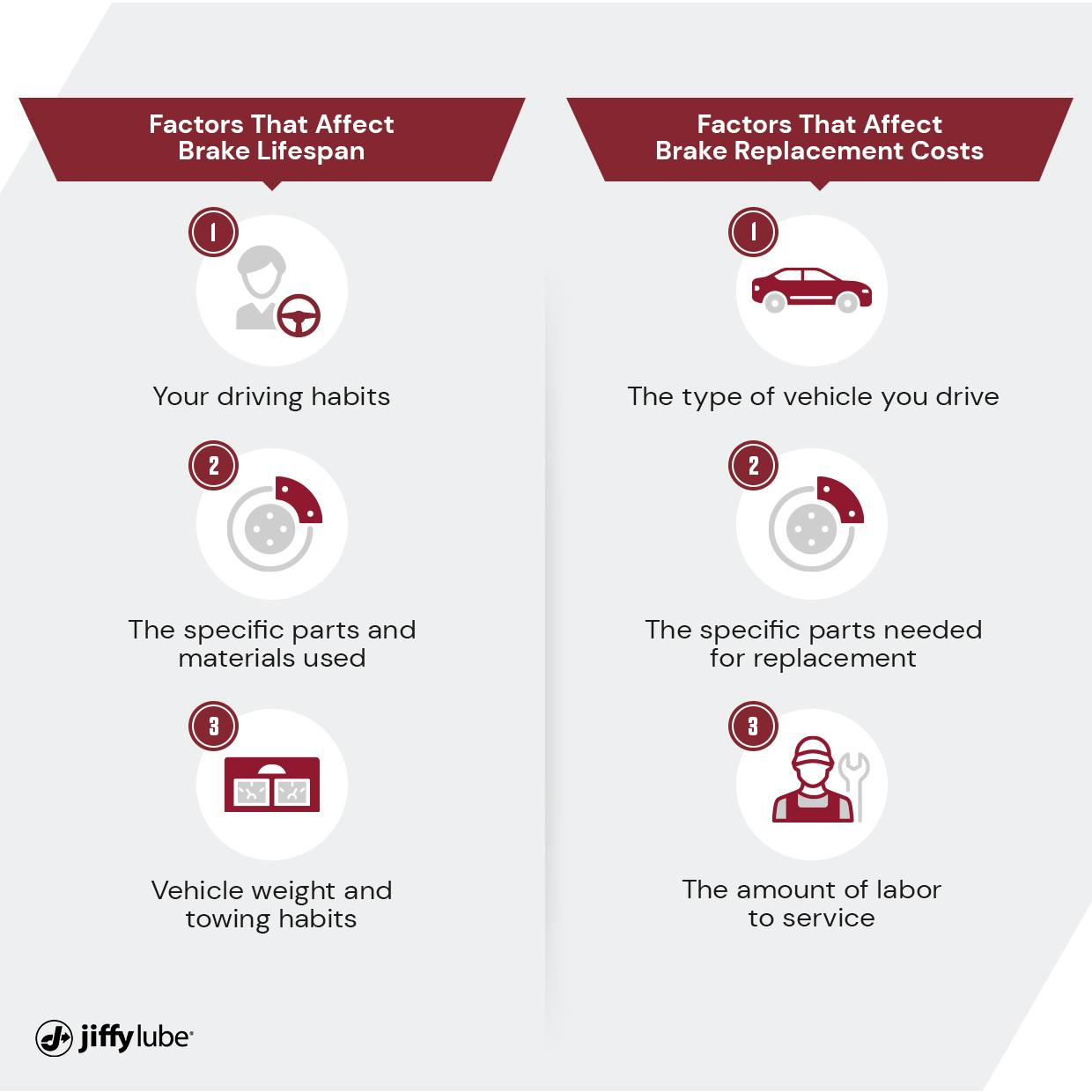
Brake and rotor costs vary widely. Several key factors influence the final price. Understanding these can help you budget better for repairs. The cost depends on the type of vehicle, parts quality, labor, and location. Each factor plays a role in the total expense.
Vehicle Make And Model
Different cars need different brake parts. Luxury or sports cars often have pricier rotors and brake pads. Some models require special or larger parts. These parts cost more to make and replace. Common cars usually have cheaper, easier-to-find brake components.
Quality Of Parts
Brake parts come in various qualities. OEM parts are made by the car’s manufacturer. They cost more but fit perfectly and last longer. Aftermarket parts are less expensive but vary in quality. Choosing higher quality parts means better safety and durability.
Labor Charges
Labor costs depend on the mechanic’s hourly rate. Complex brake systems take longer to fix. Some vehicles need more time to access brake parts. This adds to labor expenses. Independent shops often charge less than dealerships for labor.
Geographic Location
Location affects prices for parts and labor. Big cities usually have higher costs. Rural areas might offer cheaper services. Regional demand also influences pricing. Knowing local rates helps avoid unexpected charges.
Typical Cost Breakdown
Understanding the typical cost breakdown for brakes and rotors helps you plan your car maintenance budget. Costs vary depending on parts quality, vehicle type, and labor charges. Knowing these details gives you clear expectations before visiting a mechanic.
Brake Pads Price Range
Brake pads cost between $30 and $80 per set. Economy brands sit at the lower end. Premium pads with better materials cost more. Some performance pads can reach $150 or higher. Price depends on material type and brand reputation.
Rotor Price Range
Rotors usually cost between $40 and $100 each. Standard rotors fall within this range. High-performance or heavy-duty rotors cost more, sometimes $150 or above. Some vehicles need special rotors, increasing the price. Rotors’ quality affects durability and stopping power.
Labor Cost Estimates
Labor for brake and rotor replacement ranges from $80 to $150 per axle. The time required is about one to two hours. Labor costs vary by shop location and mechanic experience. Complex vehicles or additional repairs raise labor fees. Always ask for a detailed labor estimate before service.

Credit: www.jegs.com
Cost Comparison: Diy Vs Professional Service
Replacing brakes and rotors can vary in cost depending on the method. Doing it yourself may save money but require more effort. Hiring a professional service usually costs more but offers convenience and expertise. Understanding these differences helps you choose the best option for your needs.
Tools And Equipment Needed
DIY brake and rotor replacement requires specific tools. A jack, lug wrench, brake caliper tool, and socket set are essential. You may also need brake cleaner and grease. Professionals have all these tools ready and use high-quality equipment. Buying tools for one job can increase your overall cost.
Time Investment
DIY jobs often take several hours, especially for beginners. Reading guides and watching videos adds to the time. Professionals can complete the job in one to two hours. They work faster due to experience and proper tools. Time spent DIY might cost more in lost hours.
Risks And Benefits
DIY saves labor costs and gives you control over the process. Mistakes can lead to safety issues or extra expenses. Professionals ensure correct installation and offer warranties. They reduce risk but charge for labor and parts markup. Knowing your skill level helps decide the safer option.
Tips To Save On Brake And Rotor Replacement
Replacing brakes and rotors can be costly. Saving money is possible with smart choices. Small steps add up. These tips help reduce expenses without cutting quality. Keep your vehicle safe and your wallet happy.
Choosing Aftermarket Vs Oem Parts
Aftermarket parts often cost less than OEM. They meet safety standards and fit well. OEM parts come from the car maker. They usually last longer but cost more. Check reviews and warranties before buying. Choose parts that balance price and quality.
Finding Discounts And Deals
Many shops offer discounts on brake services. Look for coupons or seasonal sales. Auto parts stores sometimes run promotions. Buying parts online can save money too. Compare prices from different sellers. Ask your mechanic about any ongoing deals.
Regular Maintenance To Extend Lifespan
Clean brakes and rotors regularly. Avoid hard stops to reduce wear. Check pads and rotors often for damage. Timely repairs prevent bigger problems. Proper care makes parts last longer. Save money by avoiding early replacements.
Signs Your Brakes And Rotors Need Attention
Brakes and rotors are key parts of your car’s safety system. They wear out over time and need attention to keep your driving safe. Recognizing signs early helps avoid bigger problems and costly repairs. Watch for sounds, feel for vibrations, and check your brakes often.
Noise And Vibrations
Listen for squealing or grinding sounds when braking. These noises often mean worn brake pads or damaged rotors. Vibrations in the brake pedal or steering wheel can also signal rotor issues. Such feelings mean the brake parts are uneven or warped.
Reduced Braking Performance
Notice if your car takes longer to stop than usual. Soft or spongy brake pedals can mean air or fluid problems. If the brake feels weak or less responsive, the pads or rotors may be worn. Poor braking is dangerous and needs quick attention.
Visual Inspection Tips
Check the brake pads through the wheel spokes. Pads thinner than 3 millimeters need replacing. Look at rotors for cracks, grooves, or rust spots. Uneven or damaged rotors reduce braking power. Regular visual checks help spot problems early.
Credit: www.jiffylube.com
Frequently Asked Questions
How Much Do Brake Pads And Rotors Usually Cost?
Brake pads and rotors typically cost between $150 and $300 per axle. Prices vary by car model, quality, and labor fees. High-performance or luxury vehicles may cost more. Budget options can be cheaper but might wear out faster.
What Factors Affect Brake And Rotor Replacement Prices?
Brake and rotor costs depend on vehicle type, parts quality, and labor charges. OEM parts are pricier than aftermarket. Labor rates vary by location and shop. Additional repairs, like caliper replacement, can increase the total cost.
How Often Should Brakes And Rotors Be Replaced?
Brakes usually last 30,000 to 70,000 miles; rotors last 50,000 to 70,000 miles. Driving habits and road conditions affect lifespan. Regular inspections help determine replacement timing, ensuring safety and optimal brake performance.
Can I Replace Brakes And Rotors Myself To Save Money?
DIY brake and rotor replacement can save labor costs but requires tools and skills. Improper installation risks safety and may cause damage. If unsure, professional service ensures correct and safe replacement.
Conclusion
Brake and rotor costs vary based on car type and part quality. Basic brake pads are cheaper, while high-performance parts cost more. Labor charges also affect the final price. Regular checks help spot wear early and save money. Choosing trusted shops ensures fair pricing and good work.
Knowing typical costs helps you plan your budget better. Don’t delay repairs; safety matters most on the road. Keep your brakes in good shape for smooth, safe driving. Simple steps can avoid costly damage later.