
Are your brakes making strange noises or feeling less responsive? If so, you might be wondering, “How much do new brake rotors cost?”
Knowing the price can help you decide if it’s time to replace them and keep your car safe on the road. You’ll discover what affects the cost of brake rotors, how to spot when they need replacing, and tips to get the best value for your money.
Keep reading to protect your ride and avoid costly surprises!
Factors Affecting Brake Rotor Prices
Brake rotor prices vary for several reasons. Understanding these factors helps you estimate costs better. Each factor affects price differently. Knowing them guides you to smart buying choices.
Material Types
Brake rotors come in different materials. Common types include cast iron, steel, and carbon composite. Cast iron is affordable and durable. Carbon composite rotors cost more but last longer. Material choice impacts price and performance.
Rotor Size And Design
Large rotors cost more than smaller ones. Bigger size means more material and weight. Designs like slotted or drilled rotors add to price. These designs improve cooling and braking but increase cost.
Brand Influence
Popular brands charge higher prices. They offer proven quality and warranty. Lesser-known brands sell cheaper rotors. Brand reputation can affect your brake rotor price significantly.
Vehicle Compatibility
Rotors for common cars cost less. Specialty or luxury vehicles need custom rotors. These rotors are pricier due to rarity. Always check if the rotor fits your vehicle model.
Credit: omegaautocare.com
Average Cost Range For New Brake Rotors
Brake rotors are key parts of your vehicle’s brake system. They wear down over time and need replacement. The cost of new brake rotors varies widely. Knowing the average cost helps you plan your budget. Prices depend on the rotor type and quality.
Economy Rotors
Economy rotors suit basic driving needs. They cost between $30 and $50 each. These rotors often use standard materials. They work well for light city driving. Expect shorter lifespan compared to pricier options.
Mid-range Options
Mid-range rotors balance price and performance. They typically cost $50 to $100 each. These rotors use better materials and design. They offer improved durability and heat resistance. Great for daily drivers with moderate use.
Premium Rotors
Premium rotors cost $100 or more per piece. They use high-quality materials and advanced technology. Designed for heavy use and better braking. Ideal for sports cars or frequent drivers. They last longer and resist warping better.
Additional Costs To Consider
Replacing brake rotors involves more than just the part cost. Understanding extra expenses helps avoid surprises. These additional costs can affect the total price significantly. Knowing what to expect supports better budgeting for your car maintenance.
Labor And Installation Fees
Labor fees depend on the shop and car type. Mechanics charge for the time spent removing old rotors and fitting new ones. Installation can take one to two hours on average. Labor rates vary by location and repair complexity. Always ask for an estimate before service.
Associated Brake Components
Brake rotors work with pads, calipers, and hardware. Often, worn pads need replacing alongside rotors. Calipers or brake lines might require inspection or repair. Buying extra parts adds to the cost. Some shops offer package deals for all components.
Potential Hidden Charges
Hidden costs can appear during the brake service. Extra fees may come from cleaning, resurfacing, or disposal. Certain cars need special tools or parts that cost more. Diagnostic fees could apply if other brake issues arise. Clear communication with the mechanic helps avoid surprises.

Credit: www.jdpower.com
Cost Comparison: Oem Vs Aftermarket Rotors
Choosing between OEM and aftermarket brake rotors affects your wallet and car’s safety. Understanding cost differences, quality, and warranty helps make the best choice. Both options have pros and cons. Knowing these details guides you to the right decision.
Price Differences
OEM rotors usually cost more than aftermarket ones. This is because OEM parts come from your car’s original manufacturer. Aftermarket rotors are made by other companies and often have lower prices. Price gaps can vary by car model and rotor type. Cheaper rotors may save money upfront but consider long-term value.
Quality And Performance
OEM rotors match the exact specifications of your vehicle. This ensures consistent braking performance and fit. Aftermarket rotors can vary in quality. Some match OEM standards, while others may not. High-quality aftermarket rotors provide good performance at a lower price. Lower-quality ones may wear faster or cause noise.
Warranty And Longevity
OEM rotors often come with strong warranties. These cover defects and early wear. Aftermarket warranty terms vary widely. Some offer good coverage, others less so. Longevity depends on material and use. OEM rotors tend to last longer due to strict quality control. Aftermarket rotors might need replacement sooner, affecting overall cost.
Tips To Save On Brake Rotor Replacement
Replacing brake rotors can be costly, but there are ways to save money. Small steps add up and reduce your total bill. Understanding these tips helps you get the best price without cutting corners on safety.
Buying In Sets
Buy brake rotors in pairs or full sets. Shops often give discounts for multiple pieces. Replacing rotors on both wheels keeps your brakes balanced. This approach saves money and improves safety.
Seasonal Discounts
Car repair shops offer deals during certain months. End of year or spring sales might lower prices. Check local shops for seasonal promotions. Timing your replacement can reduce costs significantly.
Choosing The Right Shop
Compare prices from several auto repair shops. Smaller, local shops may charge less than big chains. Read reviews to ensure quality work. Good service and fair prices go hand in hand.

Credit: shop.advanceautoparts.com
Signs You Need New Brake Rotors
Brake rotors are essential for safe driving. They work with brake pads to stop your car. Over time, rotors wear out and need replacement. Recognizing the signs can help you avoid costly repairs. It also keeps your vehicle safe on the road.
Watch for visual clues and changes in brake performance. Knowing when to replace rotors keeps your brakes effective. It also prevents damage to other brake parts.
Visual Wear Indicators
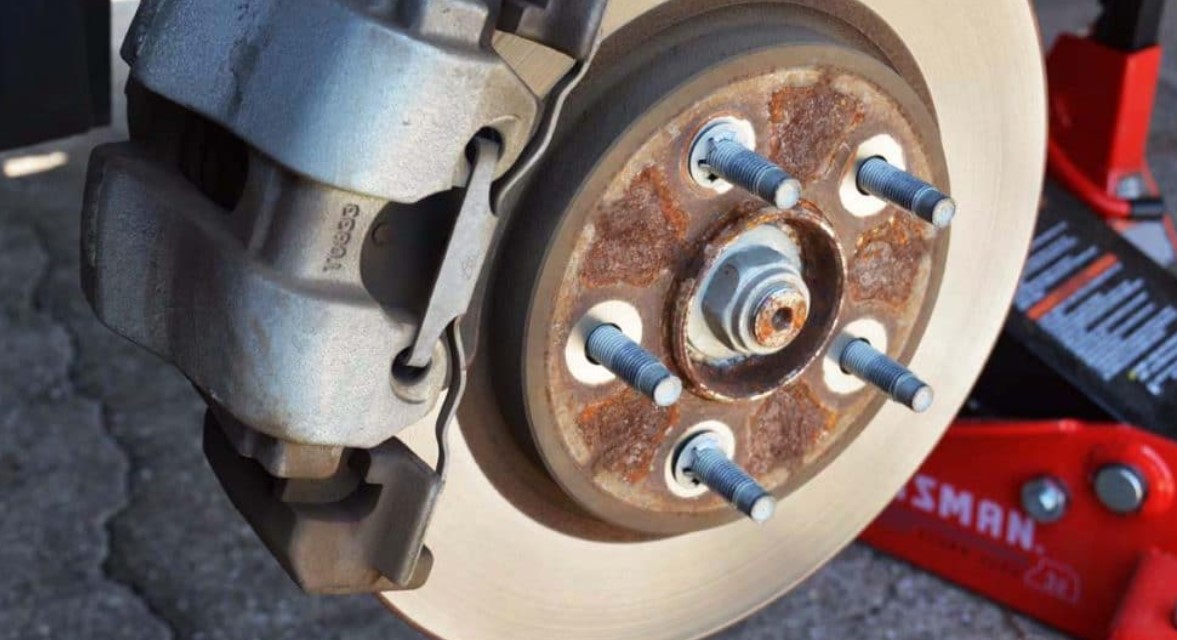
Check your rotors for grooves or scoring on the surface. Deep grooves mean the rotors are worn out. Rust or corrosion around the rotor edges is a bad sign. Warped or cracked rotors should be replaced immediately. Thin rotors, measured with a gauge, often need replacement. Visual checks are the first step to spotting rotor problems.
Performance Symptoms
Notice any vibration or pulsation when braking? This often means warped rotors. A squealing or grinding noise during braking is another warning. It could mean the rotors or pads are damaged. Longer stopping distances also indicate rotor wear. Soft or spongy brake pedal feel suggests rotor issues. These symptoms show your rotors need attention soon.
Recommended Replacement Intervals
Most rotors last between 30,000 to 70,000 miles. This varies by driving habits and vehicle type. Heavy braking or steep hills wear rotors faster. Always check your vehicle’s manual for specific guidance. Regular inspections help catch rotor wear early. Timely replacement ensures your brakes work properly and safely.
Frequently Asked Questions
How Much Do New Brake Rotors Usually Cost?
New brake rotors typically cost between $30 and $75 each. Prices vary by vehicle type and rotor quality. Premium or performance rotors can cost more. Labor and installation fees are additional. Always compare prices before purchasing.
What Factors Affect Brake Rotor Replacement Cost?
Rotor cost depends on vehicle make, rotor type, and brand. Labor rates and shop location also influence total cost. Performance or specialty rotors tend to be pricier. OEM rotors usually cost more than aftermarket options.
Are Cheaper Brake Rotors Reliable For Replacement?
Cheaper rotors can be reliable if sourced from reputable brands. Low-quality rotors may wear faster and cause noise. Always check product reviews and warranty before buying budget rotors. Quality affects safety and longevity.
How Often Should Brake Rotors Be Replaced?
Brake rotors typically last 30,000 to 70,000 miles. Replacement depends on driving habits and rotor condition. Warped or heavily worn rotors need immediate replacement. Regular inspections help ensure timely rotor replacement.
Conclusion
Brake rotors cost depends on car type and quality chosen. Basic rotors are cheaper but may wear out fast. High-quality rotors last longer and improve safety. Labor fees add to the total expense, so consider that. Regular brake checks help avoid sudden costs and keep you safe.
Choose parts that fit your budget and needs well. Remember, good brakes protect you and your passengers every day. Taking care of them pays off in the long run.


