

Have you ever wondered how long your car’s brake rotors should last? Knowing this can save you from unexpected repair bills and keep you safe on the road.
Your brake rotors play a crucial role in stopping your car smoothly and efficiently. If they wear out too soon or go unnoticed, it could lead to costly damage or dangerous driving conditions. You’ll discover the key signs of rotor wear, factors that affect their lifespan, and simple tips to make them last longer.
Keep reading to protect your car and your peace of mind.
Factors Affecting Rotor Lifespan
Brake rotors do not wear out at the same rate for every car. Several factors affect how long they last. Understanding these can help you maintain your vehicle better and avoid unexpected repairs.
Driving Habits And Conditions
Frequent hard braking wears rotors faster. City driving with many stops also shortens rotor life. Long, smooth drives on highways put less stress on rotors. Driving in hilly or mountainous areas increases brake use and rotor wear. Wet or salty roads can cause rust, reducing rotor lifespan.
Quality Of Rotor Material
Rotors made from high-quality materials last longer. Cheap rotors may wear out quickly or warp. Some rotors have coatings to resist rust. Premium rotors handle heat better, reducing damage from heavy braking. Always choose rotors that fit your budget and needs.
Vehicle Type And Usage
Heavy vehicles like trucks put more pressure on rotors. Sports cars with powerful brakes wear rotors faster. Regular commuting with light cars causes less wear. Off-road driving increases dirt and debris, affecting rotor life. How you use your vehicle changes rotor durability.
Brake Pad Compatibility
Matching brake pads with rotors is important. Hard pads can cause rotors to wear quickly. Soft pads wear out faster but protect rotors. Using the wrong pads leads to uneven rotor wear. Always check compatibility before changing brake pads.
Typical Lifespan Of Brake Rotors
Brake rotors are a key part of your car’s braking system. They help slow down and stop your vehicle safely. Knowing how long brake rotors last helps you plan for maintenance. The lifespan varies based on driving habits and road conditions. Understanding typical wear signs can prevent sudden brake problems.
Average Mileage Expectancy
Brake rotors usually last between 30,000 and 70,000 miles. Some rotors wear out faster with heavy use. City driving with many stops can reduce rotor life. Highway driving tends to be easier on rotors. Quality of the rotor material also affects its lifespan.
Signs Of Rotor Wear
Common signs include vibrations when braking. You may feel a pulsing brake pedal. Deep grooves or scoring on the rotor surface are warning signs. A burning smell during braking can mean overheating. Noise like squealing or grinding is a serious sign.
When To Inspect Rotors
Inspect rotors at least every 12,000 miles. Always check rotors when replacing brake pads. A quick visual inspection can spot cracks or warping. If you notice any brake noise or vibration, inspect immediately. Regular checks help keep your braking safe and smooth.
Common Rotor Problems
Brake rotors face many problems during their life. These problems reduce braking power and cause noise or vibration. Knowing common rotor problems helps you spot trouble early. It also helps keep your car safe and smooth.
Warping And Heat Damage
Rotors can warp from extreme heat. Hard braking or long downhill drives cause high temperatures. Warped rotors make your brake pedal pulse or vibrate. Heat damage can also cause cracks on the rotor surface. Cracks weaken the rotor and make it unsafe.
Scoring And Grooving
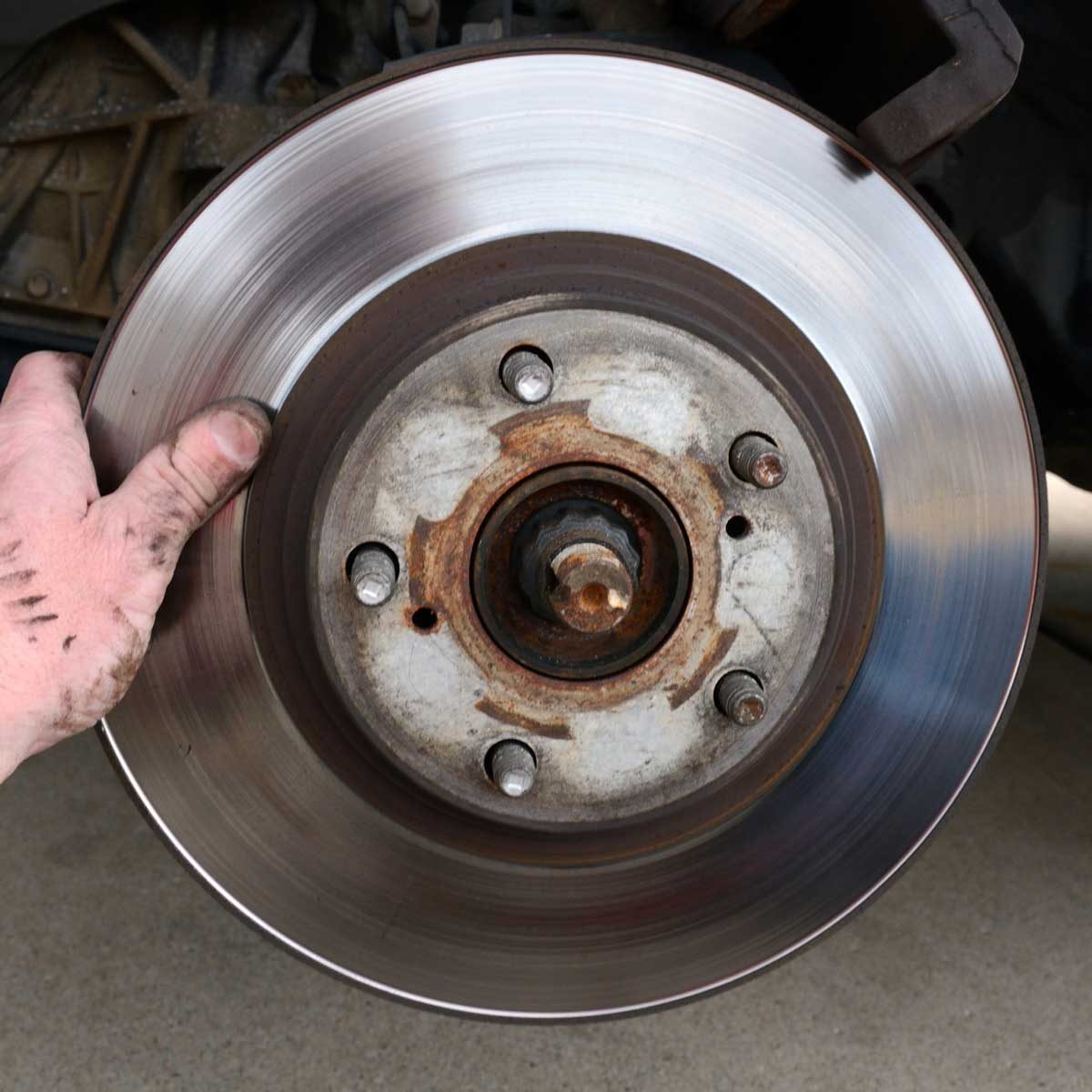
Rotors develop grooves or scores from worn brake pads. Dirt and debris can worsen this damage. Deep grooves reduce contact with brake pads. This lowers braking efficiency and causes noise. Light scoring is normal but deep grooves need rotor replacement.
Rust And Corrosion Issues
Rust often forms on rotors, especially in wet climates. Surface rust is common after rain or washing. It usually disappears after driving. Severe rust weakens the rotor and can cause pitting. Corroded rotors wear down faster and may fail early.
Credit: www.familyhandyman.com
Maintenance Tips To Extend Rotor Life
Brake rotors face constant pressure and heat during driving. Proper care helps them last longer and keeps your car safe. Small steps in maintenance make a big difference. Below are key tips to extend the life of your brake rotors.
Proper Brake Pad Replacement
Change brake pads before they wear out completely. Worn pads can damage rotors quickly. Use pads that fit your car’s make and model. Avoid cheap pads that wear down fast. Always replace pads in pairs for balanced braking.
Regular Inspections And Cleaning
Check rotors every few months for damage or wear. Look for grooves, cracks, or rust on the surface. Clean rotors with brake cleaner to remove dust and dirt. Clean rotors help pads grip better and reduce wear. Regular checks catch problems early and prevent costly repairs.
Driving Techniques To Reduce Wear
Brake gently and avoid sudden stops. Hard braking heats rotors and wears them faster. Coast to slow down instead of braking hard every time. Avoid riding the brakes on hills or in traffic. Smooth driving extends rotor life and saves fuel.
When To Replace Brake Rotors
Brake rotors wear out over time and need replacement to keep your car safe. Knowing the right time to replace them helps avoid brake failure and costly repairs. Look for signs like vibrations, noises, or reduced braking power. These often mean the rotors are worn or damaged. Regular checks keep your brakes working well.
Measuring Rotor Thickness
Rotor thickness is key to deciding replacement time. Use a micrometer to measure the rotor’s thickness at several points. Compare measurements to the minimum thickness listed in the car’s manual. Rotors thinner than the limit can overheat and crack. Thin rotors reduce braking efficiency and increase stopping distance.
Impact Of Rotor Damage On Safety
Damaged rotors affect your car’s brake performance. Warped or cracked rotors cause vibrations during braking. This reduces control and increases accident risk. Deep grooves or rust also lower braking power. Driving with damaged rotors risks brake failure and unsafe stops. Safety depends on keeping rotors in good shape.
Professional Vs. Diy Replacement
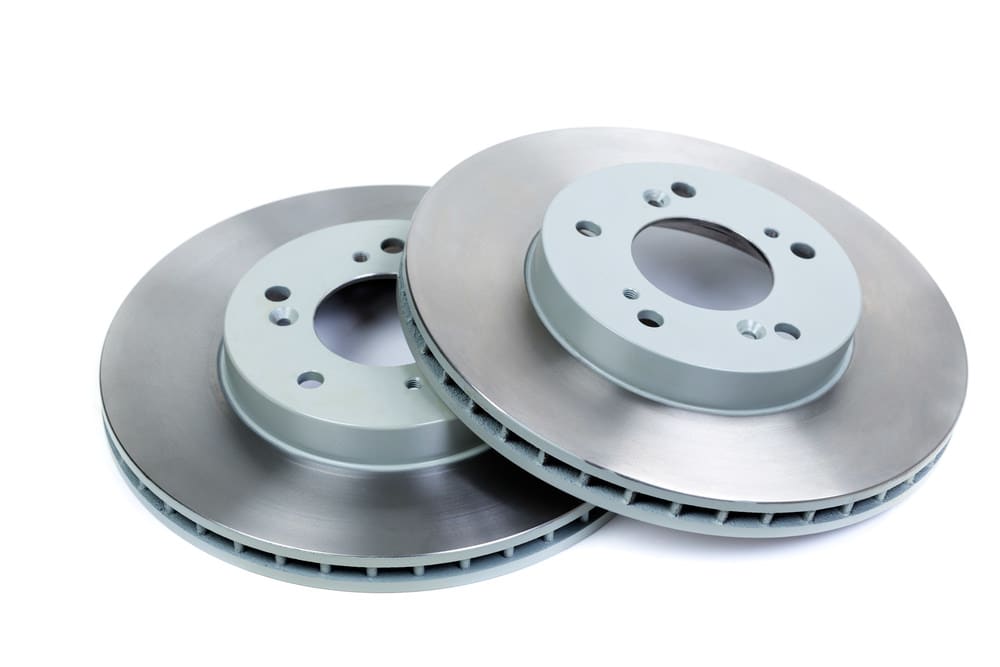
Replacing rotors requires skill and proper tools. Professionals ensure rotors are installed correctly and safely. They check related parts like pads and calipers too. DIY replacement can save money but risks mistakes. Incorrect installation can cause noise or brake failure. Choose professional help for reliable, safe brake repairs.

Credit: www.clarksgarage.com.au
Credit: www.yourmechanic.com
Frequently Asked Questions
How Long Do Brake Rotors Typically Last?
Brake rotors usually last between 30,000 and 70,000 miles. Their lifespan depends on driving habits, vehicle type, and rotor quality. Regular maintenance can extend rotor life and ensure optimal braking performance.
What Factors Affect Brake Rotor Lifespan?
Brake rotor lifespan depends on driving style, road conditions, and brake pad quality. Frequent heavy braking or harsh driving can wear rotors faster. Proper maintenance and timely brake pad replacement help prolong rotor life.
How To Tell If Brake Rotors Need Replacement?
Signs include vibration or pulsation when braking, unusual noises, and visible grooves or cracks on rotors. If you experience these symptoms, have a mechanic inspect your brake system promptly to avoid safety risks.
Can Brake Rotors Be Resurfaced Instead Of Replaced?
Yes, rotors can be resurfaced if they have minor wear or uneven surfaces. However, resurfacing is not always possible if rotors are too thin or damaged. Consult a professional to determine the best option.
Conclusion
Brake rotors usually last between 30,000 and 70,000 miles. Many factors affect their lifespan, such as driving habits and road conditions. Regular checks help spot wear early and keep your car safe. Replace rotors when you notice vibrations or noises while braking.
Taking care of brake rotors saves money and prevents accidents. Remember, good brakes mean better control and peace of mind on the road. Stay alert and maintain your vehicle well for longer rotor life.

