

Are your brakes making noise or feeling less responsive? You might be wondering, “How much do shops charge to change brakes and rotors?” Knowing the cost upfront can save you stress and help you avoid surprises.
You’ll find clear answers about what affects the price and how to get the best deal for your safety. Keep reading to make sure your car stays safe without emptying your wallet.

Credit: www.reddit.com
Brake And Rotor Replacement Costs
Replacing brakes and rotors is a common car repair. It keeps your vehicle safe and working well. Knowing the cost helps you plan your budget. Costs depend on many things. Understanding these can save you money.
Brake and rotor replacement costs vary by car type and shop. Prices also change based on parts quality and labor time. Let’s explore the typical costs and what affects them.
Average Price Range
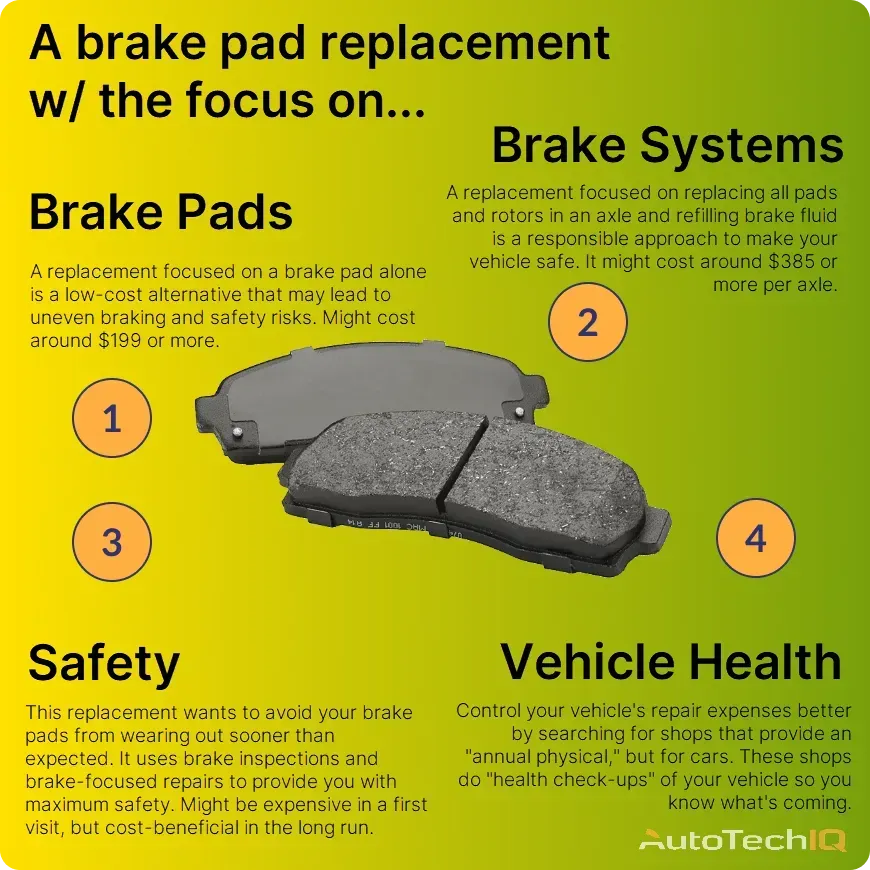
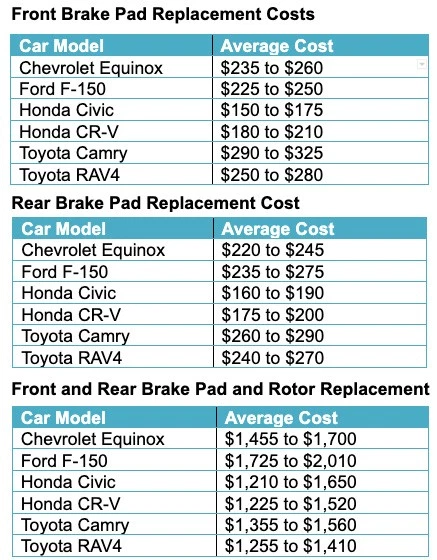
Most brake and rotor replacements cost between $250 and $500 per axle. Small cars tend to cost less, while trucks and SUVs cost more. Some shops may charge as low as $150 or as high as $700. The wide range reflects different parts and labor charges.
Factors Influencing Cost
Car make and model impact the price. Luxury cars usually have higher costs. The quality of brake pads and rotors matters too. Premium parts cost more than standard ones. Labor rates differ by location and shop reputation. Complex jobs need more time, raising costs.
Cost Breakdown: Parts Vs Labor
Parts often make up 40% to 60% of the total cost. Brake pads and rotors vary in price depending on quality. Labor can be 40% to 60% of the bill. Most shops charge by the hour. The average labor time ranges from 1 to 2 hours per axle.
Credit: www.autotechiq.com
Types Of Brake Pads And Rotors
Brake pads and rotors come in different types. Each type affects your car’s braking power and cost. Knowing these types helps you understand shop charges better.
Shops use various brake parts depending on the vehicle and customer needs. The quality and style of these parts change the price.
Standard Vs Performance Parts
Standard brake parts suit everyday driving. They offer good stopping power for regular cars. Shops often charge less for these parts.
Performance parts are for sporty or heavy-duty use. They stop faster and handle heat better. These parts cost more and increase labor time.
Material Differences
Brake pads come in ceramic, semi-metallic, and organic materials. Ceramic pads are quiet and last long. Semi-metallic pads are tough and good for heat.
Rotors can be solid, drilled, or slotted. Solid rotors are basic and cheaper. Drilled and slotted rotors help cool brakes but cost more.
Impact On Pricing
Material and type directly affect shop prices. Performance parts and specialty materials raise costs. Standard parts keep the price low.
Labor charges may increase if parts need special handling. Shops might charge more for complex brake jobs. Always ask about parts before service.
Shop Pricing Variations
Shop pricing for brake and rotor changes varies a lot. Different places charge different amounts. Prices depend on the type of shop and where it is located. Understanding these differences helps you find the best deal.
Knowing what affects the cost can save money and time. Shops have different fees and service quality. Let’s explore the main reasons for these price changes.
Dealerships Vs Independent Shops
Dealerships usually charge more than independent shops. They use original parts and follow strict service rules. This can increase the total cost.
Independent shops often offer lower prices. They may use aftermarket parts, which cost less. Many people choose them for affordable service.
Dealerships may provide better warranties. But independent shops can be faster and friendlier. Both have pros and cons for brake service.
Mobile Mechanics And Diy Options
Mobile mechanics come to your home or work. Their prices can be lower than shops. They save you time and travel costs.
Doing it yourself is the cheapest choice. You only pay for parts and tools. But it needs skill and time.
Mobile and DIY options give more control over cost. They suit people who want convenience or saving money.
Regional Price Differences
Prices vary by region and city size. Big cities often have higher labor rates. Rural areas usually offer cheaper services.
Cost of living affects shop prices. Places with higher rents charge more. This also changes part prices.
Understanding your local market helps set realistic expectations. Shop around to find the best value near you.
Signs You Need Replacement
Knowing the signs of brake and rotor wear helps avoid costly repairs. Early detection keeps driving safe and smooth. Watch for clear signals from your vehicle. These signs show when parts need replacement.
Brake systems wear down with use. Ignoring symptoms can lead to bigger problems. Check your brakes often to catch issues early.
Brake Pad Wear Indicators
Brake pads have small metal strips called wear indicators. They make a high-pitched noise when pads are thin. This noise means the pads need changing soon. You may also feel reduced braking power. A soft or spongy brake pedal can signal worn pads.
Rotor Damage Symptoms
Rotors can warp or develop grooves over time. This causes a vibrating or shaking brake pedal. You might hear grinding or squealing sounds when braking. Visible cracks or deep grooves on rotors mean they need replacement. Damaged rotors reduce braking efficiency and safety.
Safety Concerns
Worn brakes increase stopping distance and risk accidents. Brake failure can happen suddenly without warning. Poor brakes affect vehicle control and stability. Replacing worn parts keeps you and others safe on the road. Never ignore brake warning signs to stay protected.
Ways To Save On Brake Services
Brake services can be costly, but there are ways to save money. Knowing how to reduce expenses helps keep your car safe and your budget intact.
Small steps add up. Smart choices before and during service can lower your costs without cutting quality.
Coupons And Discounts
Many shops offer coupons or discounts for brake services. Check online or local flyers for deals. Some shops have seasonal promotions or first-time customer offers. Using these can lower your bill significantly.
Choosing Quality Parts Wisely
Not all parts cost the same. Mid-range quality brake pads and rotors often work well and last long. Avoid the cheapest parts that wear out quickly. Ask your mechanic for advice on good, affordable options.
Bundling Services
Getting multiple services done at once often saves money. Combine brake repair with oil changes or tire rotation. Shops usually offer a discount for bundled work. This approach cuts labor costs and reduces visits.
Credit: www.ebay.com
Questions To Ask Your Mechanic
Asking the right questions helps you understand the brake and rotor replacement cost better. It also ensures you get good service and value for your money. Mechanics expect some questions and can explain things clearly.
Warranty And Guarantees
Ask about the warranty on parts and labor. How long does it last? What does it cover? A good warranty protects you from future problems. It shows the mechanic trusts their work. Without a warranty, you might pay again soon.
Parts Brand Options
Find out which parts brands the shop uses. Some brands cost more but last longer. Others are cheaper but wear out fast. Ask if you can choose the brand. Make sure the parts are good quality and fit your car.
Service Time Estimates
Ask how long the brake and rotor change will take. Some shops work faster than others. Knowing the time helps you plan your day. It also shows how busy the shop is. Faster service does not always mean lower quality.
Frequently Asked Questions
How Much Does It Cost To Change Brakes And Rotors?
The average cost to change brakes and rotors ranges from $250 to $500 per axle. Prices depend on vehicle type, labor rates, and parts quality. Luxury or performance cars may cost more. Always get a detailed estimate before service.
Do Shops Charge Separately For Brake Pads And Rotors?
Yes, most shops charge separately for brake pads and rotors. The total price includes parts and labor for both. Prices vary based on material quality and vehicle model. Always confirm with your mechanic before the job.
How Long Does Brake And Rotor Replacement Take?
Brake and rotor replacement usually takes 1 to 2 hours. Timing depends on vehicle type and shop workload. Some shops offer same-day service. Scheduling an appointment can reduce wait time.
Are Oem Parts More Expensive For Brake Services?
OEM parts generally cost more than aftermarket parts for brakes and rotors. OEM ensures exact fit and performance but at a premium. Aftermarket parts can offer good quality at lower prices. Discuss options with your mechanic.
Conclusion
Brake and rotor replacement costs vary by shop and location. Parts and labor both affect the price. Always ask for a detailed estimate before agreeing. Choosing quality parts helps your brakes last longer. Regular brake checks can prevent costly repairs later.
Remember, safety matters more than saving a few dollars. Taking care of your brakes keeps you and others safe on the road. Now you know what to expect when changing brakes and rotors. Stay informed and drive safely.

