

Are you hearing strange noises when you brake or feeling your car pull to one side? It might be time to replace your brake pads and rotors.
But before you head to the shop, you probably want to know: how much does brake pad and rotor replacement cost? Understanding the expenses involved can help you avoid surprises and make smarter decisions for your car and budget. Keep reading, because we’ll break down the costs, explain what affects the price, and give you tips to save money without compromising safety.
Your car—and your wallet—will thank you.

Credit: www.youtube.com
Brake Pad Replacement Costs
Brake pad replacement is a common car repair many drivers face. Knowing the cost helps you plan your budget well. Prices can vary a lot depending on several things. Understanding these factors gives you a clear idea of what to expect. This section breaks down the main points about brake pad replacement costs.
Factors Affecting Brake Pad Prices
Not all brake pads cost the same. The material quality matters a lot. Ceramic pads tend to be pricier but last longer. Semi-metallic pads are cheaper but wear out faster. Brand also affects the price. Some brands charge more due to better performance or durability. Vehicle type can change the cost too. Luxury cars often need special pads that cost more. The size of the brake pads and how many need replacing also impact the price.
Cost Range For Different Vehicles
Small cars usually have lower brake pad prices. On average, replacing brake pads for a small car costs $100 to $200. Mid-sized cars fall in the $150 to $300 range. Larger vehicles like trucks and SUVs may cost $200 to $400 or more. High-end or sports cars can have prices above $400. Prices depend on the parts and the complexity of the brake system. Always check the type of vehicle before estimating costs.
Labor Charges Explained
Labor cost is the fee for the mechanic’s work. It depends on the shop’s hourly rate and how long the job takes. Brake pad replacement usually takes about 1 hour. Labor rates differ by location and shop quality. Some shops charge $50 per hour, others $150 or more. Total labor charges often range from $50 to $150. Some places offer package deals that include parts and labor. Always ask for a clear labor cost estimate before service.
Credit: omegaautocare.com
Rotor Replacement Expenses
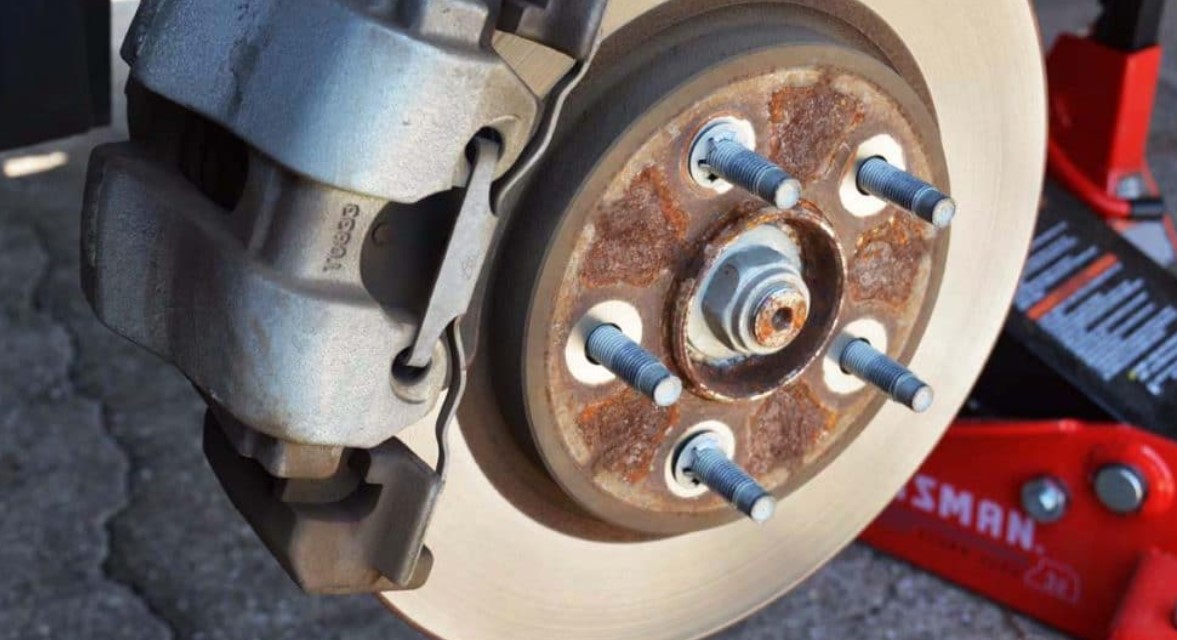
Replacing brake rotors is a key part of maintaining your car’s braking system. Rotors wear down over time and affect braking safety. Costs vary based on rotor type, car model, and labor charges. Understanding these factors helps you plan your budget better.
Rotors do not last forever. Replacing them at the right time keeps your brakes working well and your drives safe. Below, we explain the main cost factors for rotor replacement.
Types Of Brake Rotors And Their Costs
There are several types of brake rotors. Each type costs differently depending on materials and design.
Standard rotors are the cheapest. They work well for everyday driving. These usually cost between $30 and $75 each.
Performance rotors are stronger and handle heat better. They suit sporty cars and tough driving. Their prices range from $75 to $150 per rotor.
Slotted and drilled rotors improve cooling and reduce brake fade. They cost more, usually $100 to $200 each.
Luxury or specialty rotors for high-end cars cost the most. Prices can go over $200 per rotor.
Signs You Need New Rotors
Rotors show wear in clear ways. Watch for these signs to know when to replace them.
You may hear squealing or grinding noises when braking. This can mean worn rotors.
Feel vibrations or pulsing in the brake pedal. This often points to warped rotors.
Check for visible grooves or cracks on the rotor surface. These are signs of damage.
Longer stopping distances or weak brakes also suggest rotor issues.
Labor Costs For Rotor Replacement
Labor costs depend on the car and mechanic. They usually range from $80 to $150 per axle.
Replacing rotors takes about one to two hours. Shops charge by the hour or per job.
Some cars have complex braking systems. This can increase labor time and cost.
Always get a clear estimate before work starts. This helps avoid surprises on the bill.
Combined Brake Pad And Rotor Replacement
Replacing brake pads and rotors at the same time is a smart choice for many car owners. It helps keep your braking system working well and prevents extra costs. This combined service often improves safety and driving comfort. Understanding the benefits, costs, and saving options can guide you to make the best decision for your vehicle.
Benefits Of Replacing Both Together
New brake pads and rotors work better as a pair. Old rotors can wear down new pads faster. Changing both parts at once improves stopping power. This avoids uneven wear and reduces noise while braking. It also saves time by doing the job once, not twice.
Typical Cost Breakdown
The cost depends on your car model and part quality. Brake pads usually cost between $50 and $150 per axle. Rotors can range from $30 to $75 each. Labor costs add $100 to $200 on average. Total expenses often fall between $200 and $400 for both parts and labor.
How To Save On Combined Repairs
Compare prices from different shops before deciding. Choose quality parts but avoid the most expensive brands. Some shops offer package deals for combined replacements. Regular maintenance can extend the life of your brakes. Watch for discounts or coupons to lower costs further.
Diy Vs Professional Replacement
Deciding between doing brake pad and rotor replacement yourself or hiring a professional is important. Both choices affect your car’s safety, cost, and time. Understanding the benefits and risks helps you make the right call.
Pros And Cons Of Diy Repairs
Doing the job yourself can save money on labor costs. Parts cost the same, but no mechanic fees apply. You learn new skills and gain confidence in car care. Tools are needed, which may cost extra if you don’t own them. Mistakes can happen and cause damage or unsafe brakes. It takes more time for beginners and can be frustrating. Overall, DIY suits those with some mechanical knowledge and patience.
When To Hire A Mechanic
Choose a mechanic if you lack tools or experience. Complex brake systems require expert handling. A professional ensures proper installation and testing. If your brakes show unusual noises or vibrations, get expert help. Mechanics provide warranties on their work for peace of mind. Emergencies or busy schedules also make hiring a pro a smart choice. Professionals can finish the job faster and with high accuracy.
Safety Considerations
Brakes are vital for your safety and others on the road. Incorrect installation can lead to brake failure or accidents. Always follow the vehicle manual and safety rules if you work yourself. Use jack stands to secure the car, never rely only on a jack. Wear gloves and eye protection during replacement. Testing brakes before driving is essential to check proper function. When unsure, trust a professional for safe and reliable repair.
Additional Costs To Consider
Brake pad and rotor replacement costs do not always cover all expenses. There are extra charges that might increase your bill. These additional costs can affect your budget. It is important to know what to expect beyond just parts and labor.
Brake Fluid Replacement
Brake fluid often needs replacement during brake service. Old fluid can harm the braking system. Changing brake fluid keeps your brakes working well. This service usually adds to the total cost. It is a small but necessary expense.
Hardware And Accessories
Brake systems include small parts like clips and springs. These parts wear out or break over time. Mechanics may replace these hardware pieces during brake work. New accessories help brakes fit and work correctly. This upgrade can add to your repair cost.
Unexpected Repair Expenses
Sometimes, mechanics find hidden problems during repairs. Worn calipers or damaged brake lines may need fixing. These repairs cost extra and take more time. Unexpected expenses can raise your total bill. It is wise to prepare for such surprises.
Tips To Lower Brake Replacement Costs
Brake pad and rotor replacement can be costly. You can save money with smart choices. These tips help lower your brake repair costs without sacrificing safety or quality.
Choosing Quality Parts
Pick brake parts that balance price and quality. Cheap parts may wear out fast and cause more damage. Good quality parts last longer and perform better. Look for trusted brands with good reviews. This reduces the chance of frequent repairs.
Regular Maintenance Benefits
Check brakes regularly to catch problems early. Simple tasks like cleaning or adjusting brakes help. Regular check-ups prevent bigger issues that cost more. Timely maintenance keeps parts in good shape and extends their life.
Finding Reliable Service Shops
Choose a trusted mechanic with fair prices. Avoid shops that charge too much or do unnecessary work. Read customer reviews to find honest services. A good shop offers clear estimates and quality work. This saves money and gives peace of mind.

Credit: www.youtube.com
Frequently Asked Questions
How Much Does Brake Pad Replacement Typically Cost?
Brake pad replacement usually costs between $100 and $300. Prices vary by vehicle type, brake quality, and labor rates.
What Factors Affect Rotor Replacement Costs?
Rotor replacement costs depend on rotor quality, vehicle model, and labor charges. Prices generally range from $200 to $400.
Can I Replace Brake Pads And Rotors Together?
Yes, replacing brake pads and rotors together saves labor costs and ensures optimal braking performance.
How Often Should Brake Pads And Rotors Be Replaced?
Brake pads generally last 30,000 to 70,000 miles. Rotors can last up to 70,000 miles, depending on driving habits.
Conclusion
Brake pad and rotor replacement costs vary by car and part quality. Choosing the right service helps avoid extra expenses later. Regular checks keep your brakes safe and working well. Don’t wait until problems get worse or more costly. Understanding these costs helps you plan your budget better.
Keep your car’s brakes in good shape for safe driving. Simple care now prevents bigger repair bills down the road. Stay informed and make smart choices for your vehicle.


