

Are you looking to brighten your home or garden with a beautiful, low-maintenance plant? The wax begonia is a perfect choice.
With its shiny leaves and vibrant flowers, it adds charm wherever you place it. But to keep your wax begonia thriving and looking its best, you need to know a few simple care tips. You’ll discover easy ways to water, feed, and nurture your wax begonia so it stays healthy and full of life.
Keep reading, and you’ll become a confident plant parent in no time!
Choosing The Right Location
Choosing the right location is key for a healthy wax begonia plant. This plant thrives best in spots that meet its light, temperature, and humidity needs. A good location helps the plant grow strong and show its bright flowers. Let’s explore the best conditions for wax begonias.
Ideal Light Conditions
Wax begonias prefer bright, indirect light. Direct sunlight can burn their leaves. A spot near a window with filtered light works well. Too little light makes the plant weak and less colorful. Keep the plant where it receives 4 to 6 hours of indirect sunlight daily.
Temperature Preferences
These plants like warm temperatures between 65°F and 75°F (18°C to 24°C). Avoid placing them in spots with cold drafts or sudden temperature changes. Nights should not be colder than 55°F (13°C). Stable warmth helps the plant stay healthy and bloom nicely.
Humidity Levels
Wax begonias enjoy moderate humidity. Dry air can cause leaf edges to brown. Use a humidifier or place a tray with water near the plant to increase moisture. Keep the air humidity around 50% for the best growth. Too much humidity can cause mold or rot, so avoid overly wet conditions.
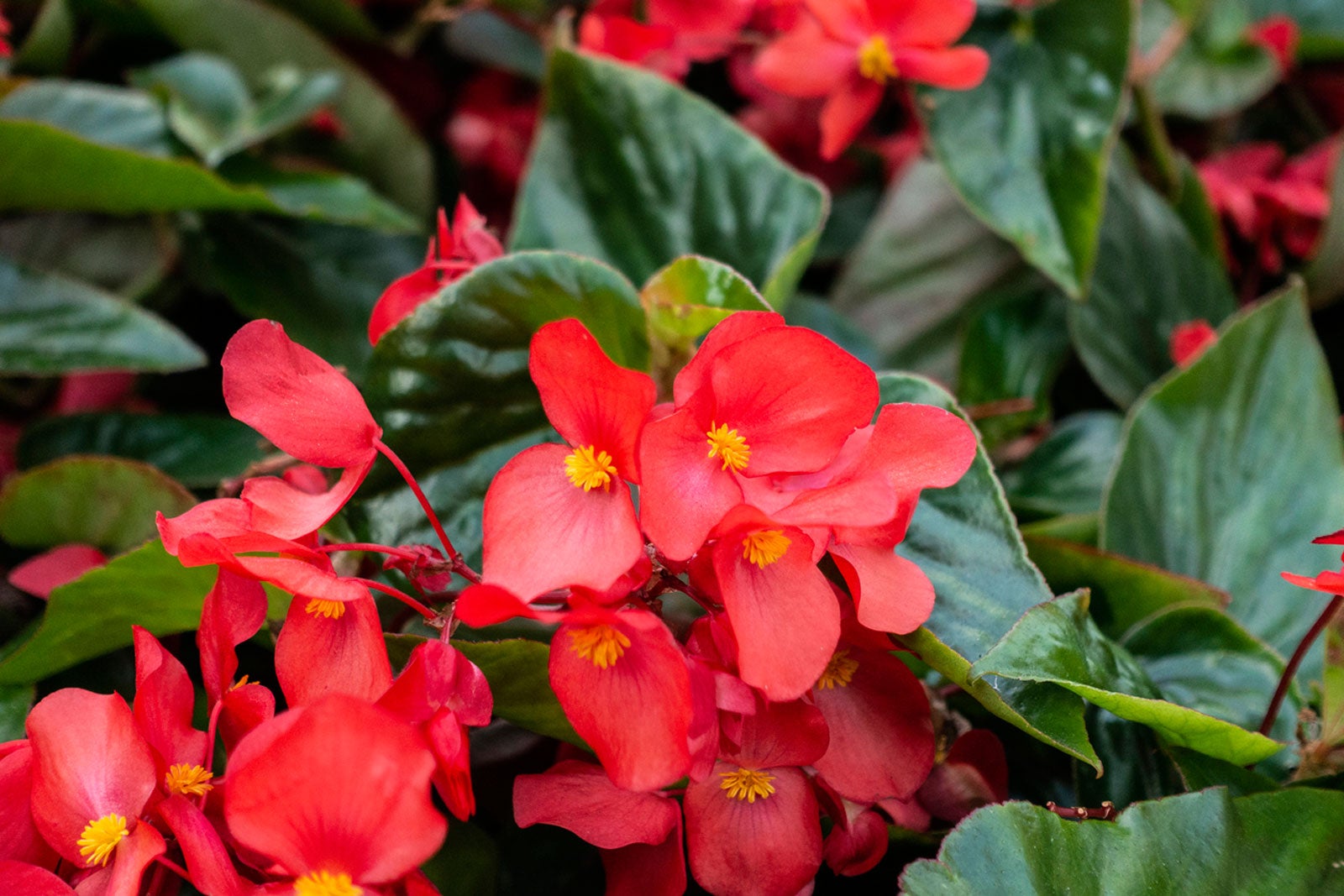
Credit: www.gardeningknowhow.com
Planting And Soil Requirements
Wax Begonia plants need the right soil and planting care to grow well. Proper soil helps the plant absorb water and nutrients. Good planting also supports strong roots and healthy growth. Pay attention to soil type, potting, and transplanting steps for best results.
Soil Type And Drainage
Use soil that drains well and holds some moisture. A mix of peat moss, sand, and garden soil works well. Avoid heavy clay soils that keep water too long. Good drainage stops root rot and keeps the plant healthy.
Potting Tips
Choose pots with drainage holes at the bottom. Fill the pot with fresh, loose soil mix. Plant the Begonia so the roots spread evenly. Water gently after planting to settle the soil. Do not pack the soil too tight around the roots.
Transplanting Guidelines
Move the plant to a bigger pot when roots fill the space. Do this in spring or early summer. Water the plant a day before transplanting. Gently remove the plant from the old pot. Place it in the new pot with fresh soil. Water lightly after transplanting to help settle the roots.
Watering Practices
Watering is key to keeping your wax begonia healthy and vibrant. This plant enjoys moist soil but not soggy. Proper watering helps the plant grow strong leaves and bright flowers. Too much or too little water can cause problems. Learning the right watering habits is essential for success with wax begonias.
Frequency And Amount
Water your wax begonia when the top inch of soil feels dry. Usually, this means watering once or twice a week. Give enough water to soak the soil but avoid puddles. Water slowly to let the soil absorb it well. During hot weather, check soil moisture more often.
Signs Of Overwatering
Leaves turning yellow or dropping can mean too much water. Soft or mushy stems also show overwatering. Soil that stays wet for days is a bad sign. Overwatered begonias may develop root rot, causing the plant to weaken. Cut back on watering if you see these signs.
Dealing With Underwatering
Wilting leaves or dry, crispy edges mean your plant needs water. Soil that pulls away from the pot edges is very dry. Your begonia will look tired and dull without enough water. Increase watering and watch for quick improvement. Keep soil evenly moist for best results.
:max_bytes(150000):strip_icc()/KaraRileyWaxBegonias-11-092b8c88096740b4bdd087c8ae5fef85.jpg)
Credit: www.thespruce.com
Fertilizing Your Wax Begonia
Fertilizing your wax begonia helps it grow strong and bloom well. This plant needs nutrients to stay healthy and colorful. Proper feeding supports vibrant leaves and bright flowers. Knowing the right fertilizer and schedule keeps your plant happy.
Best Fertilizer Types
Choose a balanced fertilizer with equal parts nitrogen, phosphorus, and potassium. A 10-10-10 or 20-20-20 formula works great. Water-soluble fertilizers are easy to use and absorb quickly. Slow-release pellets can feed your plant over time. Both types help your wax begonia thrive.
Feeding Schedule
Feed your wax begonia every two weeks during spring and summer. These are the active growing months. Reduce feeding to once a month in fall and winter. Avoid overfeeding, which can harm the plant. Always follow the instructions on the fertilizer package.
Organic Vs. Synthetic Options
Organic fertilizers come from natural sources like compost or manure. They improve soil health and release nutrients slowly. Synthetic fertilizers are man-made and give nutrients quickly. Organic options are gentle and eco-friendly. Synthetic fertilizers work fast but need careful use. Choose based on your care style and plant needs.
Pruning And Maintenance
Pruning and maintenance are key to keeping your wax begonia healthy. Regular care helps the plant grow well and look fresh. It also stops problems before they start. Spend time checking your plant often. This keeps it strong and blooming longer.
Removing Dead Flowers
Dead flowers take energy from the plant. Remove them by pinching or cutting off. Do this gently to avoid hurting new growth. Removing spent blooms encourages more flowers to appear. Keep the plant tidy and full of life.
Shaping The Plant
Trim the plant to keep a nice shape. Cut back long or leggy stems to promote bushier growth. Use clean scissors or pruning shears for best results. Shaping helps the plant use sunlight evenly. This also improves air flow around leaves.
Pest And Disease Control
Check leaves and stems for pests like aphids or mites. Wipe off bugs with a damp cloth or spray mild soap solution. Remove any damaged or diseased parts quickly. Healthy plants resist disease better. Early care stops small problems from getting worse.

Credit: the-rugs.com
Propagation Techniques
Propagation is a great way to grow more wax begonia plants. It helps keep your garden full and vibrant. You can try different methods to find what works best. Each method is simple and effective.
Stem Cuttings
Take a healthy stem about 4 inches long. Cut just below a leaf node. Remove the lower leaves carefully. Place the cutting in water or moist soil. Keep it in a bright spot but not in direct sun. Roots will form in a few weeks. Then, plant the new begonia in a pot.
Division Method
Remove the plant from its pot gently. Separate the root clumps carefully using your hands. Each clump should have roots and stems. Plant each division in its own pot. Water them well after planting. This method works well for mature plants.
Timing For Propagation
Spring and early summer are best for propagation. Plants grow faster in warm weather. Avoid propagation during cold months. The plant needs energy to form roots. Starting in the right season improves success rates.
Troubleshooting Common Issues
Wax begonia plants are beautiful but sometimes face problems. Knowing how to fix these issues helps keep the plant healthy and blooming. This section covers common problems and easy solutions.
Yellowing Leaves
Yellow leaves often mean too much water. Overwatering can cause root rot and leaf damage. Check soil moisture before watering again. Sometimes, lack of nutrients causes yellow leaves. Use a balanced fertilizer to feed the plant every few weeks. Poor light also leads to yellowing. Move the plant to a brighter spot with indirect sunlight.
Lack Of Blooms
No flowers can be disappointing. Lack of sunlight is a major reason. Wax begonias need bright, indirect light to bloom well. Also, avoid over-fertilizing with high nitrogen. Too much nitrogen promotes leaves, not flowers. Use fertilizer with more phosphorus to encourage blooms. Make sure the plant is not too crowded. Give it space for air and growth.
Pest Infestations
Common pests include aphids, spider mites, and whiteflies. They suck sap and weaken the plant. Check the undersides of leaves regularly. Use insecticidal soap or neem oil to control pests. Wipe leaves with a damp cloth to remove bugs. Keep the plant clean and healthy to prevent infestations.
Frequently Asked Questions
How Often Should I Water My Wax Begonia Plant?
Water Wax Begonias when the top inch of soil feels dry. Avoid overwatering to prevent root rot. Regular, moderate watering keeps the plant healthy and vibrant.
What Is The Ideal Light For Wax Begonia Growth?
Wax Begonias thrive in bright, indirect sunlight. Too much direct sun can scorch leaves, while too little light reduces flowering. A shaded spot with filtered light is best.
How Do I Fertilize A Wax Begonia Plant?
Feed Wax Begonias every 4-6 weeks during growing season with balanced liquid fertilizer. Dilute fertilizer to half strength to avoid nutrient burn and promote healthy blooms.
Can Wax Begonias Grow Indoors Successfully?
Yes, Wax Begonias grow well indoors with proper light and humidity. Place near a bright window and maintain moderate moisture for indoor success.
Conclusion
Taking care of your wax begonia plant is simple and rewarding. Keep its soil moist but not soggy. Place it where it gets bright, indirect light. Regularly check for pests and remove dead leaves. Feeding it with mild fertilizer helps it grow well.
With a little care, your wax begonia will bloom beautifully. Enjoy the bright colors and fresh look it brings to your space. Small steps make a big difference in plant health. Keep your plant happy and watch it thrive.


