

If you or someone you care about is facing the need for inpatient psychiatric care, one of the biggest questions on your mind is likely: how much will it cost? Understanding the expenses involved can feel overwhelming and confusing.
But knowing what to expect can help you make informed decisions without unnecessary stress. You’ll discover clear answers about the costs of inpatient psychiatric care, what factors influence the price, and how you can find options that fit your budget.
Keep reading to get the information you need to take control of this important step toward mental health.
Cost Factors Of Inpatient Psychiatric Care
Understanding the cost factors of inpatient psychiatric care helps plan better. These factors affect the total price a patient or family might pay. Each element shapes the final cost in different ways. Here are the main aspects that influence the cost of care in a psychiatric facility.
Facility Type And Location
The type of facility strongly affects the cost. Private hospitals usually charge more than public ones. Facilities in big cities or wealthy areas often have higher fees. Rural or less populated areas might offer lower prices. The reputation and quality of the facility also play a role.
Length Of Stay
Longer stays increase the total cost significantly. Some patients need only a few days, while others stay weeks. Daily rates add up quickly over time. The longer the treatment, the higher the bill. Insurance may cover some days but not all.
Level Of Care Needed
Higher levels of care cost more. Intensive or specialized care units charge more than general wards. Patients needing constant supervision or special medical attention face higher fees. The complexity of the illness affects the level of care needed.
Additional Services And Therapies
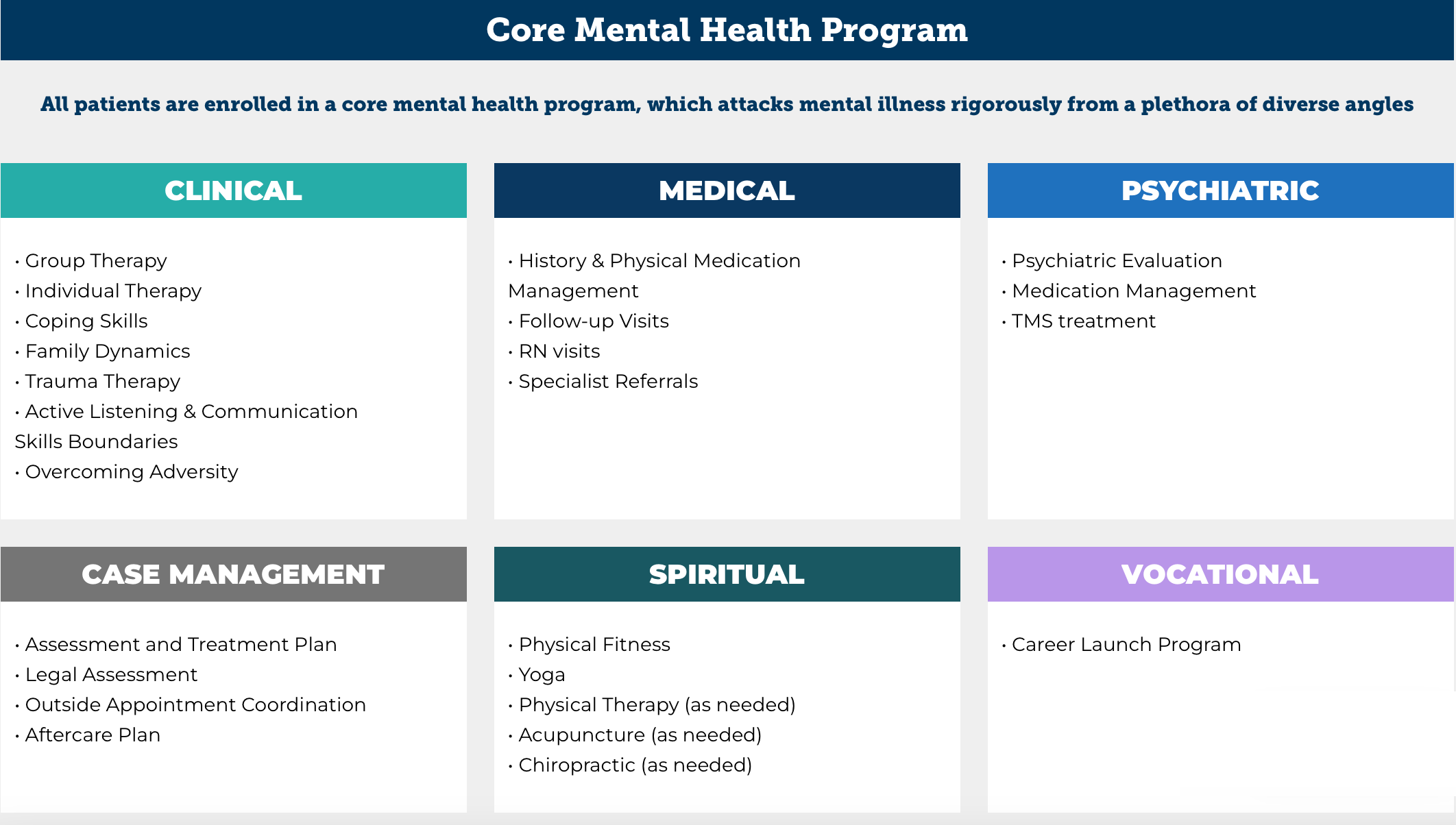
Extra therapies add to the overall cost. Services like individual counseling, group therapy, or art therapy may cost more. Medication management and medical tests also increase expenses. Some facilities include these in the base price; others charge separately.

Credit: miramontbh.com
Average Price Ranges In 2025
Inpatient psychiatric care costs vary widely in 2025. Many factors affect the total price. Understanding average price ranges helps plan for treatment. Knowing daily, weekly, and monthly costs offers a clearer picture. Regional differences also play a key role in pricing.
Daily Rates
Daily rates for inpatient psychiatric care range from $500 to $1,500. This cost covers room, meals, and basic therapy. Specialized treatments or private rooms increase the price. Some facilities charge extra for medication management. Daily rates depend on the level of care provided.
Weekly And Monthly Costs
Weekly costs typically range from $3,500 to $10,000. Monthly prices can reach $14,000 to $40,000 or more. Longer stays may bring discounts or package rates. Intensive therapy programs tend to be more expensive. Budgeting for a full month helps avoid surprises.
Variations By Region
Prices differ significantly by location. Urban centers often have higher costs than rural areas. The West Coast and Northeast usually charge more than the Midwest. Availability of specialized services affects local pricing. Choosing a facility in a less expensive region can reduce costs.
Insurance Coverage And Out-of-pocket Expenses
Understanding insurance coverage is key to managing inpatient psychiatric care costs. Insurance can lower your expenses but may not cover everything. Knowing what your plan includes helps avoid surprises.
Out-of-pocket expenses are the costs you pay yourself. These include copayments, deductibles, and any charges beyond your plan’s limits. Planning ahead can reduce financial stress during treatment.
Types Of Insurance Plans
Different insurance plans cover mental health care in various ways. Employer-provided plans often offer better coverage. Medicaid and Medicare have specific rules for psychiatric care. Private insurance plans may vary widely in what they pay for.
Coverage Limits And Exclusions
Insurance plans have limits on the number of days covered for inpatient care. Some plans exclude certain treatments or facilities. Always check if your chosen hospital accepts your insurance. Knowing these limits helps you plan for extra costs.
Copayments And Deductibles
Copayments are fixed fees you pay per visit or day. Deductibles are the amount you pay before insurance starts to cover costs. Both can add up during long stays. Understanding these fees helps you budget better for treatment.
Credit: sylviabrafman.com
Financial Assistance Options
Paying for inpatient psychiatric care can be a challenge. Many people need help to cover the costs. Several financial assistance options exist to reduce the burden. These options make treatment more affordable and accessible. Understanding these can guide you to the right support.
Government Programs
Government programs often cover part or all of inpatient psychiatric care. Medicaid is a key resource for low-income individuals. Medicare helps older adults and some disabled people. Some states offer special mental health services funding. Applying for these programs can lower your expenses.
Sliding Scale Fees
Sliding scale fees adjust costs based on income. Facilities use this system to make care affordable. Patients pay what they can afford within a set range. This option helps those with limited income access treatment. Ask the facility about sliding scale options before admission.
Nonprofit And Charity Support
Many nonprofits provide grants or financial aid for mental health care. Charities may offer funds to cover inpatient stay costs. Some organizations specialize in helping specific groups or conditions. These supports can significantly ease financial pressure. Contact local or national charities for assistance details.
Cost Comparison: Inpatient Vs. Other Treatments
Inpatient psychiatric care usually costs more than other treatment options. The price reflects 24-hour support and a secure setting. Comparing costs helps choose the right care for different needs and budgets.
Each treatment type offers unique benefits and price points. Understanding these can guide decisions about mental health care.
Outpatient Care
Outpatient care is the least expensive option. Patients visit clinics for therapy but live at home. Costs vary from $100 to $300 per session. This care suits mild to moderate mental health issues. It does not include overnight stays or constant monitoring.
Partial Hospitalization Programs
Partial hospitalization programs (PHP) provide daily treatment without overnight stays. Patients attend therapy and activities for several hours a day. PHP costs range from $500 to $1,200 per day. It offers more support than outpatient care but less than inpatient care. PHP helps with serious conditions needing close supervision.
Residential Treatment Centers
Residential treatment centers offer long-term care in a home-like setting. Patients stay for weeks or months. Costs usually run from $1,000 to $2,500 per day. This care is less intensive than inpatient hospital care but more structured than outpatient programs. It works well for ongoing recovery and support.
Tips To Manage And Reduce Costs
Inpatient psychiatric care can be expensive. Managing costs is important for many families. There are smart ways to reduce the financial burden. Planning ahead helps make treatment more affordable. Here are some tips to help you save money.
Choosing The Right Facility
Different facilities charge different rates. Look for centers that offer quality care at fair prices. Consider smaller hospitals or community clinics. They often have lower fees than big private hospitals. Check if the facility has sliding scale payments. This adjusts costs based on your income. Always ask about hidden fees before signing up.
Maximizing Insurance Benefits
Insurance can cover a large part of the cost. Understand your insurance plan’s mental health coverage. Confirm the number of days covered for inpatient care. Use in-network facilities to lower out-of-pocket expenses. Keep all medical documents for claims. Contact your insurer to ask about pre-authorization rules.
Exploring Payment Plans
Many facilities offer payment plans. These allow you to pay in smaller amounts over time. Ask if interest or fees apply to the plan. Find out the length of the payment schedule. Some hospitals may offer discounts for upfront payments. Don’t hesitate to negotiate terms that fit your budget.

Credit: www.researchgate.net
Frequently Asked Questions
What Factors Influence Inpatient Psychiatric Care Costs?
Inpatient psychiatric care costs vary due to factors like location, facility type, treatment length, and specific therapies used. Insurance coverage and additional services also impact the final price.
How Much Does A Typical Inpatient Stay Cost?
A typical inpatient psychiatric stay can cost between $1,000 and $2,000 per day. Total costs depend on the length of stay and treatment intensity.
Does Insurance Cover Inpatient Psychiatric Care?
Most insurance plans cover inpatient psychiatric care partially or fully. Coverage depends on your policy details, deductibles, and network providers.
Are There Affordable Inpatient Psychiatric Care Options?
Yes, some facilities offer sliding scale fees or financial aid. Public hospitals and community mental health centers may provide lower-cost care.
Conclusion
Inpatient psychiatric care costs vary widely based on location and services. Insurance often covers part of the expense, but out-of-pocket costs remain. Knowing these costs helps families prepare financially and seek the right support. Quality care is essential for recovery and well-being.
Planning ahead reduces stress during difficult times. Always ask providers about fees and payment options. Taking these steps ensures better access to needed care.


