

Are you excited to grow vibrant tulips without soil? Hydroponic tulips offer a fresh, clean way to enjoy these beautiful flowers right in your home.
But to make sure your tulips thrive, you need the right care. In this guide, you’ll discover simple tips that keep your hydroponic tulips healthy and blooming longer. Get ready to transform your space with stunning flowers that grow effortlessly.
Keep reading to unlock the secrets to caring for your hydroponic tulips like a pro.

Credit: www.youtube.com
Choosing The Right Tulip Bulbs
Choosing the right tulip bulbs is key to successful hydroponic growing. Healthy bulbs produce strong roots and vibrant flowers. The right variety suits the indoor, soil-free environment of hydroponics. Quality and size also affect growth and bloom time. Picking the best bulbs ensures a beautiful tulip display.
Selecting Varieties For Hydroponics
Some tulip varieties do better in water than others. Early bloomers often adapt well to hydroponic systems. Choose types known for strong stems and compact growth. Single early tulips or simple Darwin hybrids work well. These varieties handle moisture and limited nutrients better. Avoid very tall or fragile types for indoor setups.
Bulb Quality And Size
Always select firm bulbs without spots or mold. Bigger bulbs usually grow faster and flower sooner. Look for bulbs that feel heavy for their size. Avoid soft or shriveled bulbs. Healthy bulbs store enough energy to support growth without soil. Proper bulb quality leads to better root development and blooms.
Setting Up Your Hydroponic System
Setting up a hydroponic system for tulips needs careful planning. A good setup helps tulips grow healthy and bloom beautifully. The right system keeps water and nutrients flowing well. Tulips need stable conditions for best growth. This section covers the types of systems and essential equipment for your hydroponic tulips.
Types Of Hydroponic Systems Suitable For Tulips
Deep Water Culture (DWC) is a common choice for tulips. Plants float on water with oxygen supplied below. This keeps roots moist and healthy. Nutrient Film Technique (NFT) works well too. Thin water flows over roots in a sloped channel. This gives tulips constant nutrients and oxygen. Another option is the Wick System. It uses a wick to draw nutrient solution to roots. Simple and low maintenance. Choose a system that fits your space and budget.
Essential Equipment And Materials
Start with a sturdy container to hold the nutrient solution. Use net pots or baskets to support tulip bulbs. An air pump with air stones adds oxygen to the water. A water pump is needed for NFT systems to circulate nutrients. Hydroponic nutrients are vital for tulip growth. Use a pH meter to keep water pH between 5.5 and 6.5. Good lighting, like LED grow lights, helps tulips grow indoors. Make sure all equipment is clean to avoid diseases.
Planting Tulips Hydroponically
Planting tulips hydroponically is a smart way to grow these beautiful flowers indoors or in small spaces. Hydroponics uses water and nutrients instead of soil, giving tulips the right environment to thrive. This method helps bulbs grow faster and produce vibrant blooms. Proper planting is the first step to a successful hydroponic tulip garden.
Preparing Bulbs For Planting
Start by selecting healthy, firm tulip bulbs. Avoid any bulbs that feel soft or look damaged. Clean the bulbs gently to remove dirt. Keep them dry before planting to prevent rot. Some gardeners chill bulbs for 12 to 16 weeks. This mimics winter and helps bulbs bloom well later.
Optimal Planting Techniques
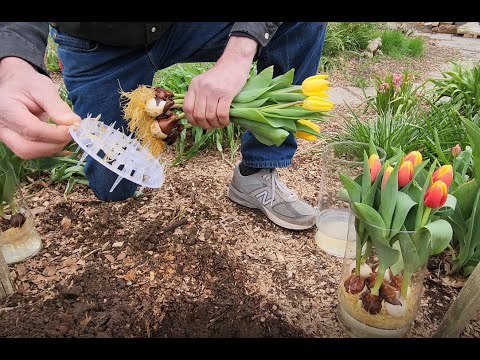
Use a container with good drainage for your hydroponic setup. Place bulbs with the pointed end up and the root side down. Set bulbs so their tips are just above the nutrient solution. Avoid submerging the bulbs directly in water. Keep bulbs close but not touching to allow air circulation. Maintain a stable temperature between 50 and 60°F for best growth.
Credit: www.youtube.com
Water And Nutrient Management
Water and nutrient management plays a key role in growing healthy hydroponic tulips. Proper care ensures plants get the right amount of water and essential nutrients. This balance helps tulips grow strong and bloom beautifully.
Managing water and nutrients carefully prevents common problems like root rot and nutrient burn. Understanding how to maintain pH, nutrient mix, and watering routine creates an ideal environment for tulips.
Balancing Ph Levels
Maintaining the correct pH level is vital for tulips. The ideal pH range is between 5.5 and 6.5. This range helps tulips absorb nutrients efficiently. Check pH daily using a reliable meter. Adjust pH with safe additives to keep it steady.
Nutrient Solution Composition
Use a balanced nutrient solution made for flowering plants. It should include nitrogen, phosphorus, and potassium. Micronutrients like calcium and magnesium are also important. Change the solution every two weeks to avoid buildup. Follow package instructions to mix the solution correctly.
Watering Schedule
Set a consistent watering schedule for your tulips. Water the roots enough to keep them moist but not soaked. Overwatering can cause root problems. Check the water level daily and refill as needed. Adjust watering frequency based on temperature and plant growth.
Lighting Requirements
Lighting plays a key role in growing healthy hydroponic tulips. These plants need the right amount of light to bloom beautifully. Too little light makes tulips weak and spindly. Too much light can burn their leaves. Finding the right balance helps tulips thrive indoors.
Ideal Light Intensity And Duration
Tulips prefer bright but indirect light. Around 10,000 to 12,000 lux is ideal for strong growth. This level mimics natural daylight without harsh sun rays.
Provide tulips with 12 to 16 hours of light daily. This duration supports photosynthesis and flower development. Avoid exposing tulips to light for more than 16 hours, as it can stress the plants.
Using Artificial Lights
Artificial lights help tulips grow when natural light is limited. LED grow lights are energy-efficient and produce little heat. They supply the right light spectrum for tulip growth.
Place lights 12 to 18 inches above the plants. Adjust the height as the tulips grow to keep light even. Use a timer to maintain consistent light periods daily.
Temperature And Humidity Control
Temperature and humidity control play a big role in growing healthy hydroponic tulips. These plants need the right environment to grow strong and bloom well. Too much heat or cold can harm the tulips. Humidity also affects their growth and health. Keeping these factors balanced helps tulips thrive indoors.
Maintaining Optimal Growth Conditions
Keep the temperature between 60°F and 68°F (15°C to 20°C) for best growth. Avoid sudden changes in temperature that can stress the plants. Use a thermostat to monitor room temperature. Maintain humidity around 50% to 60% to prevent drying out or mold growth. Use a humidifier or dehumidifier to adjust humidity levels as needed. Proper air circulation helps control humidity and keeps leaves dry.
Managing Seasonal Changes
Season changes can affect temperature and humidity indoors. Use heaters or fans to keep temperature stable during winter and summer. Adjust humidity levels as the air becomes drier or more humid with seasons. Check plants often for signs of stress like wilting or yellow leaves. Make small changes gradually to help tulips adapt. Seasonal care ensures tulips stay healthy year-round.
Pest And Disease Prevention
Keeping hydroponic tulips free from pests and diseases is key to growing healthy plants. Pests and diseases can spread quickly in hydroponic systems. Early care helps prevent damage and keeps tulips strong. Regular checks and clean systems reduce risks.
Common Hydroponic Tulip Pests
Aphids are small, soft insects that suck plant juices. They cause leaves to curl and yellow. Spider mites are tiny and hard to see. They leave fine webs and make leaves spotty. Thrips feed on flower buds, causing discoloration and deformities. Whiteflies gather on leaves and weaken plants by feeding. Watch for these pests often to catch problems early.
Natural And Chemical Treatments
Use insecticidal soap or neem oil for gentle pest control. These natural options kill pests without harming plants. Introduce ladybugs or lacewings to eat harmful insects. For severe infestations, use safe chemical pesticides made for hydroponics. Always follow label instructions and avoid overuse. Clean the hydroponic system regularly to stop disease growth. Remove any infected plants quickly to protect others.

Credit: www.bloomaker.com
Promoting Healthy Growth And Blooms
Promoting healthy growth and vibrant blooms in hydroponic tulips requires careful attention. Proper care helps tulips develop strong roots, stems, and flowers. It also ensures the plants stay healthy and last longer.
Hydroponic tulips need regular care to prevent problems. Pruning and maintaining the plants encourages new growth. Strong stems support large, colorful blooms. Follow simple steps to keep your tulips thriving.
Pruning And Maintenance Tips
Remove dead or yellow leaves to keep plants clean. Trim faded flowers to encourage new blooms. Use clean scissors or pruning shears to avoid infections. Check plants often for signs of pests or diseases. Keep the water clean and change it every week. Clean the hydroponic system to prevent algae growth.
Encouraging Strong Stem Development
Provide enough light to help stems grow tall and firm. Use a balanced nutrient solution to feed plants well. Avoid overfeeding; too many nutrients can harm roots. Support stems with small stakes if they lean or fall. Keep temperature stable; tulips prefer cool environments. Good airflow helps prevent mold and keeps stems strong.
Harvesting And Post-bloom Care
Harvesting and caring for hydroponic tulips after they bloom is important for healthy bulbs and future flowers. Proper timing and gentle care help bulbs store energy well. This keeps your tulips strong for the next growing season.
Timing The Harvest
Pick tulips when their petals start to open but before they fully bloom. This is the best time for fresh flowers and for the bulbs to stay healthy. Cutting too early or too late can harm bulb growth. Use clean, sharp scissors or shears to avoid damage.
Leave some stem below the flower head. This helps the bulbs gather energy after harvest. Check your tulips daily to find the right moment to cut them.
Caring For Bulbs After Blooming
After tulips bloom, allow the leaves to stay green until they turn yellow. Leaves make food for the bulbs through sunlight. Do not cut or remove leaves too soon.
Once leaves yellow, gently remove them. Take bulbs out of the hydroponic system carefully. Let bulbs dry in a cool, dark place for a few days. Store them in a breathable container until next planting season.
Keep bulbs away from heat and moisture. Proper storage helps tulips grow well next year.
Troubleshooting Common Issues
Hydroponic tulips need special care to grow well. Sometimes, problems appear. Knowing how to fix these issues helps keep your tulips healthy. This section explains common problems and how to solve them.
Yellowing Leaves And Wilting
Yellow leaves often mean your tulips need more nutrients. Check the nutrient solution’s strength. Too weak or too strong can harm plants. Adjust the solution carefully.
Wilting usually shows lack of water or poor oxygen. Make sure the water flows well. Roots need air to breathe. Keep the water temperature cool for best growth.
Root Rot And Other Diseases
Root rot happens when roots stay too wet. This causes decay and stops nutrient uptake. Use clean water and good drainage. Remove any soft, dark roots immediately.
Watch for spots or mold on leaves. These signs show fungal or bacterial issues. Keep the growing area clean and dry. Use safe treatments to stop disease spread.
Frequently Asked Questions
How Often Should I Water Hydroponic Tulips?
Hydroponic tulips need constant moisture. Check water levels daily and keep the nutrient solution topped up. Avoid letting roots dry out for healthy growth.
What Nutrient Solution Is Best For Hydroponic Tulips?
Use a balanced hydroponic nutrient solution with equal nitrogen, phosphorus, and potassium. This supports strong root development and vibrant blooms.
Can Hydroponic Tulips Grow Indoors?
Yes, hydroponic tulips thrive indoors with sufficient light and temperature control. Use grow lights if natural sunlight is limited.
How Much Light Do Hydroponic Tulips Require?
Tulips need 12-16 hours of bright, indirect light daily. Proper lighting ensures healthy leaves and colorful flowers.
Conclusion
Caring for hydroponic tulips takes patience and simple steps. Keep water clean and check nutrients often. Give them enough light every day. Watch for signs of stress or pests. Regular care helps tulips grow strong and bloom bright. Enjoy the beauty of fresh tulips at home.
Hydroponic gardening brings flowers close, even indoors. With steady attention, your tulips will thrive and brighten any space. Simple habits make a big difference in plant health. Happy gardening!


