

Are you wondering how much it costs to change your fuel filter? Knowing the right price can save you from unexpected expenses and keep your car running smoothly.
Your fuel filter plays a key role in protecting your engine from dirt and debris. If it gets clogged, your car might lose power or even stall. But how much should you expect to pay for this important maintenance? You’ll discover the typical costs involved, what factors affect the price, and how to decide if it’s time for a change.
Keep reading to make sure you’re ready when your fuel filter needs attention.
Fuel Filter Role
The fuel filter plays a key role in keeping your engine healthy. It cleans the fuel before it reaches the engine parts. Clean fuel helps the engine run smoothly and last longer.
Without a good fuel filter, dirt and debris can enter the engine. This can cause damage and reduce engine performance. Knowing how the fuel filter works can help you understand why changing it matters.
Purpose In Engine
The fuel filter traps dirt, rust, and other particles from fuel. It stops these contaminants from reaching the engine. This protects fuel injectors and other engine parts from damage.
By filtering fuel, the filter ensures proper engine performance. It helps maintain fuel flow and prevents clogging. This keeps the engine running efficiently and reduces wear.
Signs Of A Bad Filter
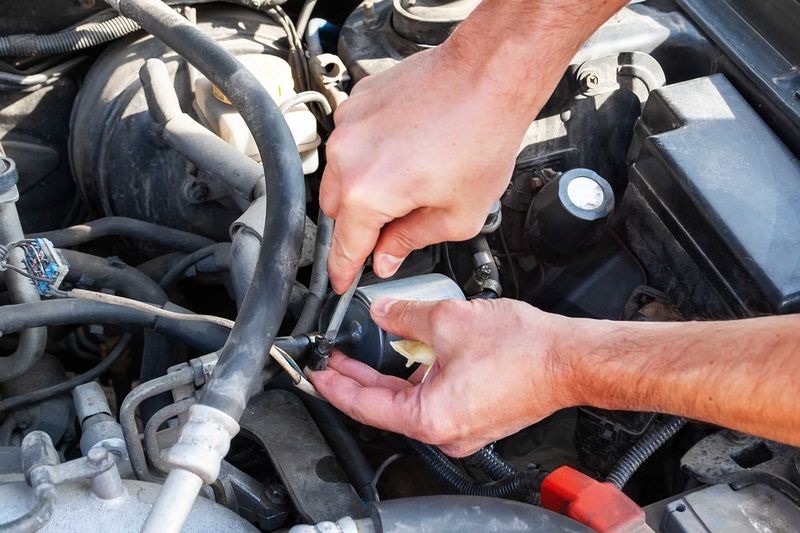
A bad fuel filter can cause several problems. The engine may run rough or stall often. You might notice difficulty starting the vehicle.
Other signs include poor acceleration and reduced fuel efficiency. Strange noises from the engine can also appear. These symptoms suggest the filter may need changing soon.
Credit: driving.ca
Cost Factors
The cost to change a fuel filter varies. Several key factors affect the price. Understanding these helps you plan your car maintenance budget. Costs depend on your vehicle, the filter quality, and labor fees.
Type Of Vehicle
Different vehicles need different fuel filters. Some cars have simple filters that cost less. Others require special filters that are pricier. Luxury and foreign cars often have higher filter costs. Larger vehicles like trucks may also need bigger, more expensive filters.
Filter Quality
Fuel filters come in various quality levels. Basic filters cost less but may not last long. High-quality filters offer better performance and durability. Choosing a good filter can save money over time. Brand-name filters usually cost more than generic ones.
Labor Charges
Labor costs vary by mechanic and location. Some filters are easy to replace, requiring less time and lower fees. Others need more work, raising labor charges. Dealership service centers often charge more than independent shops. Always ask for a labor estimate before service.
Diy Vs Professional
Changing a fuel filter can be done by yourself or by a professional mechanic. Each choice has its benefits and costs. Understanding these differences helps you decide the best option for your car and budget.
Cost Comparison
Doing the job yourself usually costs less. You only pay for the fuel filter and any tools needed. A typical fuel filter costs between $10 and $30.
Hiring a professional costs more. Labor fees can range from $50 to $150. The total price often includes parts and service.
Tools Needed
For DIY, basic tools are required. These include wrenches, screwdrivers, and possibly pliers. Some cars need special tools to remove the filter safely.
Professional mechanics have all the necessary tools. They also use equipment to check the fuel system after the change.
Safety Tips
Turn off the engine and let it cool before starting. Fuel is flammable and dangerous. Work in a well-ventilated area to avoid breathing fumes.
Wear gloves and eye protection. Be careful when disconnecting fuel lines to avoid spills. Dispose of the old filter properly to protect the environment.
Credit: www.kbb.com
Price Breakdown
Understanding the costs involved in changing a fuel filter helps plan your car maintenance better. The price varies based on the filter type, car model, and labor charges. Breaking down these costs gives a clear idea of what to expect.
Average Filter Prices
Fuel filters generally cost between $10 and $50. Basic filters for common cars are cheaper. Premium or specialized filters may cost more. Buying from car dealers or online stores affects the price. Always choose a filter that fits your car’s model.
Labor Cost Range
Labor charges for changing a fuel filter vary widely. Most mechanics charge between $50 and $150. The job usually takes 30 minutes to an hour. Labor costs depend on the mechanic’s experience and location. Do-it-yourself can save this cost but requires skills.
Additional Expenses
Other costs may include disposal fees for the old filter. Some shops charge extra for cleaning parts. Taxes and shop fees can add to the total cost. Sometimes, fuel system inspection is recommended, adding to the price. Always ask for a full cost estimate before service.
When To Replace
Knowing when to replace your fuel filter is key to keeping your vehicle running smoothly. The fuel filter traps dirt and debris from the fuel. Over time, it clogs and reduces fuel flow. This can hurt your engine’s performance and fuel efficiency. Replacing the fuel filter at the right time saves money and prevents bigger car problems.
Mileage Guidelines
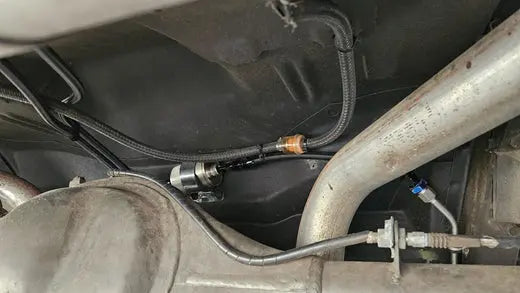
Most car makers suggest changing the fuel filter every 20,000 to 40,000 miles. Some newer cars have filters that last longer. Check your owner’s manual for the exact number. Driving in dusty or dirty areas means you should replace it more often. Regular changes help avoid engine trouble and keep fuel flowing well.
Performance Issues
Watch for signs like engine misfires or rough idling. Your car may hesitate or lose power during acceleration. Fuel smells or stalling can also mean a clogged filter. These signs show the filter is blocking fuel flow. Replacing the filter can fix these problems and improve engine health. Don’t ignore these symptoms to avoid costly repairs.
Credit: www.ievilenergy.com
Saving Tips
Changing a fuel filter can add up in costs. Small savings can help keep your car in good shape without spending too much. Here are some simple tips to save money on fuel filter changes.
Buying Filters Online
Online stores often sell fuel filters at lower prices than local shops. You can compare many brands and prices in minutes. Look for filters with good reviews and reliable sellers. Buying online means you avoid extra store fees too.
Bundle Services
Many auto shops offer discounts if you get multiple services done together. Ask about combining fuel filter change with oil change or tire rotation. Bundling services saves money and time. It helps keep your car well maintained at a better price.
Regular Maintenance
Changing fuel filters on time prevents big engine problems. A clean filter keeps fuel flowing smoothly. Regular maintenance lowers the chance of costly repairs later. Follow your car manual for the right change intervals. Staying ahead saves money in the long run.
Frequently Asked Questions
How Much Does Fuel Filter Replacement Cost?
Fuel filter replacement typically costs between $50 and $150. Prices vary by vehicle type and labor rates. Parts usually cost $20 to $50, while labor can add $30 to $100. Regular replacement ensures engine efficiency and prevents fuel system damage.
When Should I Change My Fuel Filter?
Most manufacturers recommend changing the fuel filter every 20,000 to 40,000 miles. Signs include engine misfires, poor acceleration, and stalling. Regular replacement maintains fuel flow and prevents clogging. Check your vehicle’s manual for specific intervals.
Can I Replace The Fuel Filter Myself?
Yes, if you have basic mechanical skills and tools, you can replace it. Ensure the engine is cool and relieve fuel system pressure first. Follow safety precautions to avoid fuel spills. Otherwise, seek professional assistance to avoid damage.
Does A Clogged Fuel Filter Affect Fuel Efficiency?
Yes, a clogged fuel filter reduces fuel flow, causing poor engine performance. This leads to decreased fuel efficiency and increased emissions. Replacing the filter restores proper fuel delivery and improves mileage. Regular maintenance prevents costly repairs.
Conclusion
Changing a fuel filter costs vary by car model and location. Parts and labor influence the total price. Regular replacement helps keep your engine clean and running well. Delaying changes can lead to bigger, costly repairs. Check prices from trusted mechanics before deciding.
Taking care of your fuel filter saves money over time. Small maintenance steps protect your vehicle’s performance and lifespan. Remember, a clean fuel filter means better fuel flow and engine health. Simple, affordable, and smart.


