

Have you ever wondered how often you should change your fuel filter? Ignoring this simple maintenance step can lead to poor engine performance, costly repairs, and even leave you stranded.
Your vehicle’s fuel filter plays a crucial role in keeping dirt and debris out of your engine. But how do you know when it’s time for a change? Keep reading, because understanding the right timing can save you money and keep your car running smoothly for years to come.
Credit: www.waynesautocenter.com
Fuel Filter Basics
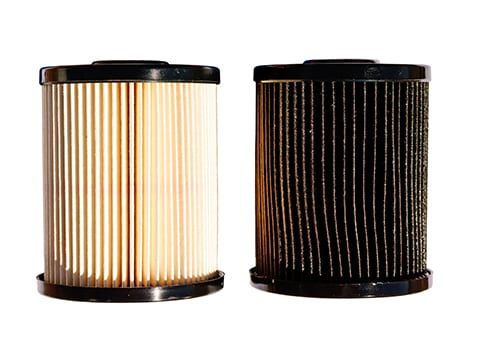
A fuel filter is a small but vital part of your vehicle. It cleans the fuel before it reaches the engine. Dirt, rust, and other particles can enter the fuel tank. These impurities can harm the engine if not filtered out. A clean fuel filter helps your engine run smoothly and last longer.
Knowing the basics of fuel filters helps you maintain your car better. It also helps you decide how often to change the filter. Let’s explore the role of a fuel filter and the types you might find in vehicles.
Role In Engine Performance
The fuel filter stops dirt and debris from entering the engine. Clean fuel means better combustion and less engine wear. A clogged filter reduces fuel flow. This can cause engine misfires or poor acceleration. Changing the fuel filter regularly keeps the engine healthy. It also improves fuel efficiency and lowers emissions.
Types Of Fuel Filters
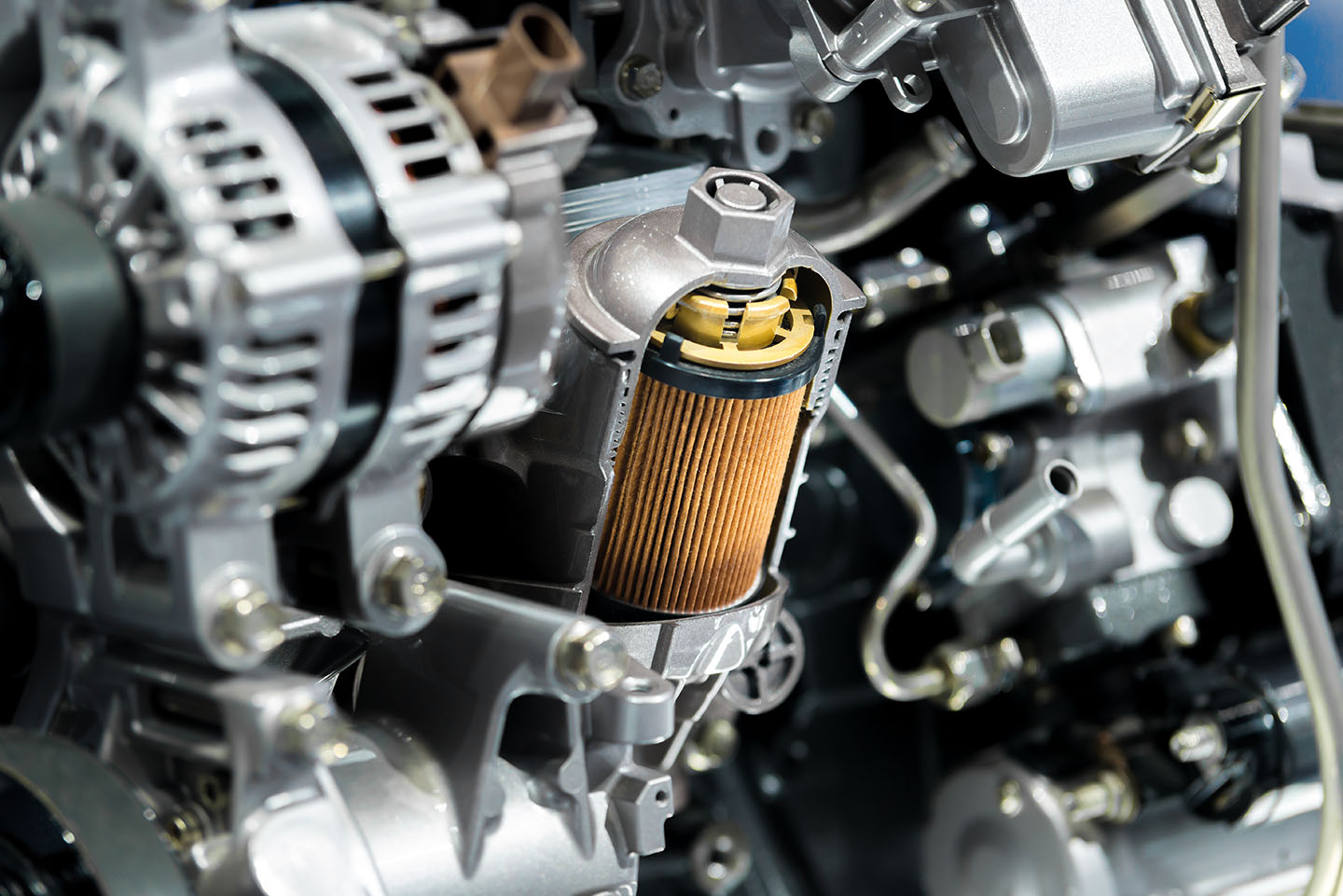
Fuel filters come in different styles and sizes. Some are inside the fuel tank, called in-tank filters. Others are mounted along the fuel line, called inline filters. Paper filters trap small particles, while mesh filters catch larger debris. Some modern cars use electronic fuel filters with sensors. Knowing your vehicle’s filter type helps with proper replacement.

Credit: kbmotorsports.biz
Signs Of A Clogged Fuel Filter
A clogged fuel filter can cause serious problems for your vehicle. It blocks the flow of fuel to the engine. This leads to poor performance and damage. Recognizing the signs early helps avoid costly repairs. Watch for these common symptoms of a clogged fuel filter.
Engine Misfires And Stalls
The engine may misfire or stall without warning. This happens because the fuel supply is inconsistent. The filter restricts fuel flow, causing the engine to sputter. You might feel rough idling or sudden loss of power. These signs point to a fuel delivery problem.
Reduced Fuel Efficiency
Fuel consumption may increase unexpectedly. The engine struggles to get enough fuel. It compensates by using more fuel than usual. This lowers your vehicle’s miles per gallon. A clogged fuel filter often causes this drop in efficiency.
Difficulty Starting
Starting the car becomes harder and takes longer. The engine needs a steady fuel supply to start smoothly. A blocked filter slows fuel delivery to the engine. You may notice the engine cranks more than normal before starting. This delay shows the fuel filter might be clogged.
Recommended Replacement Intervals
Knowing the right time to change your fuel filter helps keep your engine healthy. The filter stops dirt and rust from reaching the engine. Over time, it gets clogged and needs replacement. Follow the recommended intervals to avoid engine problems and maintain good fuel flow.
Manufacturer Guidelines
Car makers provide specific advice on fuel filter changes. Check your vehicle’s manual for the exact interval. Most suggest changing the filter every 20,000 to 40,000 miles. Sticking to these guidelines protects the engine and fuel system. Using the right filter for your car is also important.
Driving Conditions Impact
Driving style affects how often you change the fuel filter. Dusty or dirty roads can clog the filter faster. Short trips and stop-and-go traffic also stress the filter. In such cases, replace the filter more often than the manual says. Clean fuel and regular checks help extend filter life.
Diy Vs Professional Replacement
Changing a fuel filter is essential to keep your vehicle running smoothly. You can either do it yourself or hire a professional. Each choice has pros and cons. Understanding these can help you decide what is best for your situation.
Tools Needed For Diy
Before starting, gather the right tools. You need a new fuel filter that fits your car model. A wrench or socket set helps to remove bolts. Safety glasses protect your eyes from fuel spray. A container catches any leaking fuel. Gloves keep your hands clean and safe. Rags help to wipe spills quickly. Having these tools makes the job easier and safer.
When To Seek Expert Help
Fuel systems can be tricky and dangerous. If you notice fuel leaks or smell gas, call a mechanic. Professionals have special tools and training. They can spot hidden problems during replacement. Complex fuel systems may need expert handling. Avoid risks if you feel unsure or lack experience. Safety and proper installation are important for your car’s health.
Consequences Of Neglecting Filter Change
Neglecting to change the fuel filter can cause serious problems for your vehicle. Dirt and debris build up over time, blocking fuel flow. This blockage puts stress on the engine and other components. The result? Poor car performance and costly repairs. Understanding these consequences helps you keep your car running smoothly.
Engine Damage Risks
A clogged fuel filter restricts fuel flow to the engine. The engine struggles to get enough fuel, causing it to run poorly. Over time, this strain can damage engine parts. Fuel injectors may clog, and spark plugs can foul. These issues reduce engine life and increase repair costs.
Increased Emissions
A dirty fuel filter affects how the engine burns fuel. Poor combustion leads to more harmful gases released into the air. Your car may fail emissions tests and pollute the environment. Regular fuel filter changes help keep emissions low and protect the air we breathe.
Tips For Maintaining Fuel System Health
Keeping your fuel system healthy helps your car run smoothly. A clean fuel system improves engine performance and saves money on repairs. Simple habits can protect your fuel system from damage and wear.
These tips focus on fuel quality and regular checks. They help avoid fuel filter problems and keep your car reliable.
Using Quality Fuel
Always choose fuel from trusted stations. Low-quality fuel can contain dirt and water. These impurities clog the fuel filter quickly. Good fuel reduces deposit build-up inside the engine. It helps maintain cleaner fuel injectors and better combustion.
Regular System Checks
Check your fuel system regularly for leaks or damage. Inspect fuel lines and connections for cracks or wear. Listen for unusual engine noises that may signal fuel flow issues. Replace the fuel filter as per your car manual. Timely changes prevent clogging and engine problems.
Credit: bostechauto.com
Frequently Asked Questions
How Often Should I Change My Car’s Fuel Filter?
Typically, change the fuel filter every 20,000 to 40,000 miles. Check your vehicle’s manual for exact intervals. Regular changes ensure clean fuel flow and engine efficiency.
What Are Signs Of A Clogged Fuel Filter?
Common signs include engine misfires, stalling, poor acceleration, and reduced fuel efficiency. If your car struggles to start, the fuel filter might be clogged.
Can A Dirty Fuel Filter Damage My Engine?
Yes, a dirty fuel filter restricts fuel flow, causing engine strain. This can lead to misfires, reduced performance, and potential engine damage over time.
Is Diy Fuel Filter Replacement Recommended?
DIY replacement is possible if you have basic tools and mechanical skills. Always follow the vehicle’s manual and safety precautions to avoid damage or injury.
Conclusion
Changing your fuel filter regularly keeps your engine clean. It helps your car run smoothly and saves money on repairs. Most cars need a new filter every 20,000 to 40,000 miles. Check your owner’s manual for the best advice. Watch for signs like slow acceleration or engine trouble.
Don’t wait for problems to start. A clean fuel filter means better fuel flow and stronger performance. Take care of your car, and it will take care of you. Simple steps make a big difference.


