

When your car’s brakes start making noise or your steering wheel vibrates, it’s a sign your brake rotors might need repair. But how much will that actually cost you?
Understanding the price of fixing brake rotors can help you avoid surprises and keep your budget on track. You’ll discover the real costs involved, what factors affect the price, and how you can make the best decision for your safety and wallet.
Keep reading—you deserve to know exactly what to expect before you head to the mechanic.
Brake Rotor Basics
Brake rotors are a key part of your vehicle’s braking system. They work with brake pads to stop your car safely and smoothly. Understanding brake rotors helps you know when repairs or replacements are needed.
Rotors are metal discs attached to each wheel. When you press the brake pedal, brake pads squeeze the rotors. This creates friction and slows down the wheel’s rotation. Good rotors ensure your car stops quickly and evenly.
What Are Brake Rotors
Brake rotors are round metal discs. They spin with the wheels of your car. When brakes apply, pads press on rotors. This friction stops the wheel from turning.
Rotors are usually made from cast iron or steel. Some high-performance cars use carbon or ceramic rotors. Their job is to handle heat and pressure from braking.
Common Rotor Issues
Rotors can wear out or get damaged. One common problem is warping. Warped rotors cause vibrations while braking.
Another issue is scoring. Deep grooves form on the rotor surface. Scoring reduces braking performance.
Rotors can also crack from extreme heat. Cracked rotors are unsafe and need replacement. Rust buildup is another problem, especially in wet areas.
Signs Of Rotor Damage
Brake rotors play a key role in your car’s braking system. Knowing the signs of rotor damage helps avoid bigger problems. Early detection can save money and keep driving safe. Watch for changes in how your brakes feel and sound.
Noise And Vibration
Damaged rotors often cause strange noises. You might hear squealing, grinding, or scraping sounds. Vibrations can also occur when braking. The steering wheel or brake pedal may shake. These signs show your rotors need attention.
Visual Wear Indicators
Checking rotors visually can reveal damage. Look for grooves, cracks, or rust on the rotor surface. Warped rotors might appear uneven or have a blue tint. Thin rotors can cause poor braking. These visible signs mean it is time to repair or replace.
Repair Vs Replacement
Deciding between repairing or replacing brake rotors affects both safety and cost. Rotors wear down over time and need attention. Choosing the right option depends on the rotor’s condition and the damage type. Repairing rotors usually means resurfacing to smooth out imperfections. Replacement involves installing new rotors for better performance. Both choices have pros and cons. Understanding when to repair or replace helps save money and keeps your vehicle safe.
When To Resurface Rotors
Resurfacing removes a thin layer of metal from the rotor’s surface. It fixes minor damage like small grooves or uneven spots. This process restores a smooth surface for better brake contact. Resurfacing is cost-effective and extends rotor life. Rotors must still meet thickness requirements after resurfacing. If they are too thin, resurfacing is unsafe. Choose resurfacing if the damage is light and thickness is enough.
When To Replace Rotors
Replacing rotors is necessary for deep damage or severe wear. Cracks, heavy grooves, or warping need new rotors. Thin rotors that fail safety standards must be replaced. New rotors offer better braking and longer life. Replacement costs more but avoids future problems. Choose replacement if damage is extensive or safety is at risk.
Cost Factors
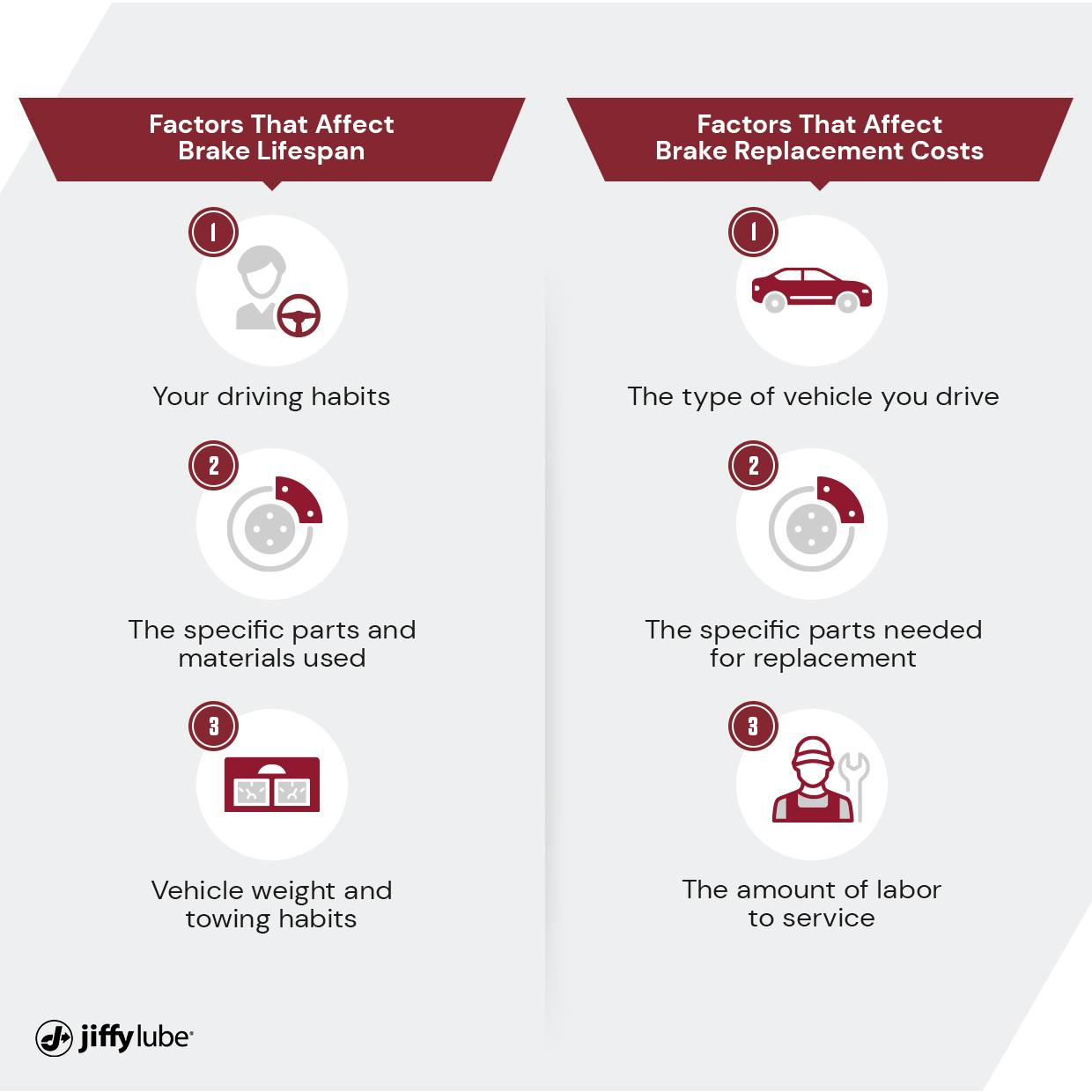
Repairing brake rotors involves several cost factors. These factors affect the total price you pay for the repair. Understanding them helps you prepare for the expense.
Each factor plays a key role in the final cost. Some parts and services cost more than others. Let’s explore the main cost factors in detail.
Rotor Material Types
Brake rotors come in different materials. Common types include cast iron, steel, and carbon composites. Cast iron rotors are the cheapest to replace. Steel rotors cost a bit more but last longer. Carbon composite rotors are the most expensive and used in high-performance cars.
The material affects both price and durability. High-quality materials mean higher costs. Cheaper materials may wear out faster, leading to more repairs.
Labor Charges
Labor costs vary by location and shop. Skilled mechanics charge more for their time. Complex repairs take longer and increase labor fees. Simple rotor replacements usually take one to two hours. Some shops charge a flat rate, while others charge hourly.
Labor prices can make a big difference in your total bill. Choosing a trusted mechanic can ensure fair charges and quality work.
Vehicle Make And Model
Different vehicles have different rotor sizes and designs. Luxury and sports cars often use specialized rotors. These parts cost more than those for standard cars. Some vehicles require more time for rotor removal and installation. This increases both part and labor costs.
Knowing your car’s make and model helps estimate repair expenses. Some models are cheaper to fix than others.
Typical Repair Costs
Brake rotor repair costs vary based on car type and damage level. Knowing typical costs helps plan your budget. Costs include parts and labor. Understanding these expenses saves surprises at the repair shop.
Average Price Range
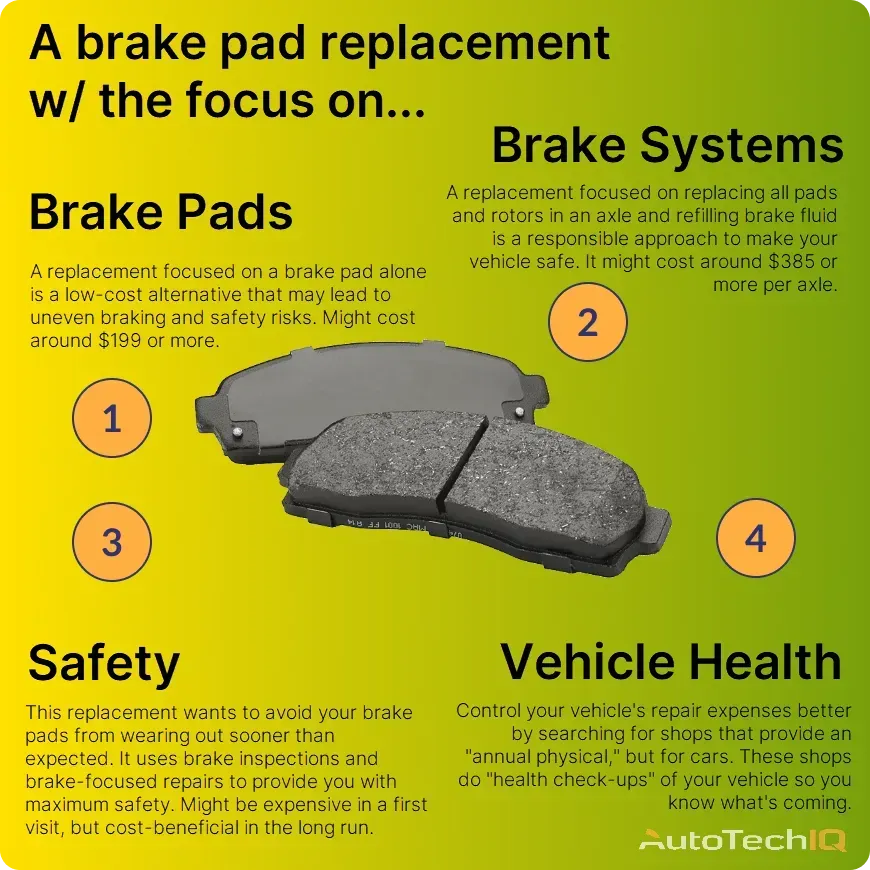
Brake rotor repair usually costs between $150 and $400. This range depends on the car model and rotor type. Luxury cars may cost more. Labor charges add $70 to $150 per hour. Some repairs need rotor replacement, raising the price.
Minor repairs, like resurfacing rotors, cost less. Resurfacing usually runs $40 to $80 per rotor. Full replacement is pricier but lasts longer. Always check if repair or replacement suits your car best.
Diy Repair Expenses
Doing the repair yourself can save money. Rotor costs alone range from $30 to $75 each. Tools like a jack, lug wrench, and rotor puller may be needed. These tools might cost $50 to $100 if not owned already.
DIY repairs take time and effort. Mistakes can cause bigger problems. Learn the process well before starting. Safety is key when working on brake systems.

Credit: www.youtube.com
Finding The Best Repair Options
Finding the best repair options for brake rotors saves money and ensures safety. Knowing where to start helps avoid costly mistakes. Choosing the right mechanic and comparing prices leads to smart decisions.
Choosing A Reliable Mechanic
Trust matters most when fixing brake rotors. Pick a mechanic with good reviews and experience in brake repair. Ask friends or family for recommendations. A reliable mechanic uses quality parts and explains the repair clearly. Avoid shops that rush or give vague answers. Quality work lasts longer and keeps you safe.
Shop Around For Quotes
Prices vary widely for rotor repairs. Call several shops for estimates before deciding. Check what each quote includes, like parts and labor. Some places offer discounts or warranties. Comparing helps find fair prices and good service. Don’t pick the cheapest option without checking quality. Spending a little more can prevent future problems.
Preventive Maintenance Tips
Brake rotors are crucial for safe driving. Keeping them in good shape saves money. Preventive maintenance helps avoid costly repairs. Simple steps protect your brake rotors. These tips keep your car safe and running well.
Regular Inspections
Check brake rotors often for wear and damage. Look for cracks, grooves, or rust. Inspect brake pads too. Worn pads harm rotors quickly. Have a mechanic inspect brakes every 10,000 miles. Early detection stops bigger problems. Fix small issues before they grow.
Driving Habits That Protect Rotors
Drive smoothly to reduce brake stress. Avoid sudden stops and hard braking. Slow down gradually when stopping. Use lower gears on hills to limit brake use. Do not ride the brakes while driving downhill. These habits extend rotor life and improve safety. Save money by protecting your brake system.
Credit: www.jiffylube.com
Credit: www.autotechiq.com
Frequently Asked Questions
How Much Does Brake Rotor Repair Typically Cost?
Brake rotor repair costs range from $150 to $400 on average. Prices vary based on vehicle type, labor, and rotor quality. Some repairs may be cheaper if only resurfacing is needed instead of full replacement.
Can I Repair Brake Rotors Myself To Save Money?
DIY brake rotor repair is possible but requires skill and tools. Incorrect repair risks safety and may cause uneven braking. Professional service is recommended for accurate inspection and repair.
How Long Does Brake Rotor Repair Usually Take?
Brake rotor repair generally takes 1 to 2 hours. Time depends on the vehicle and repair complexity. Quick repairs minimize vehicle downtime and restore braking performance efficiently.
What Factors Affect The Cost Of Brake Rotor Repair?
Repair cost depends on rotor type, labor rates, and damage extent. High-performance or luxury car rotors cost more. Additional brake system repairs may increase total expenses.
Conclusion
Repairing brake rotors costs vary based on damage and car type. Basic rotor resurfacing costs less than full replacement. Labor charges also affect the final price. Regular checks can prevent expensive repairs later. Staying aware of rotor condition keeps your car safe.
Choose trusted mechanics to avoid extra costs. Knowing repair costs helps you plan your budget well. Safe brakes mean safer drives every day. Take care of your rotors to protect yourself and others.

