
Wondering how much you’ll need to spend on brakes and rotors? If you’ve noticed squeaking sounds or a shaky steering wheel, it’s a sign your car’s braking system needs attention.
But before you get stressed about the cost, it’s important to know what affects the price and what to expect. You’ll discover clear answers to your questions about brakes and rotors, helping you make smart decisions for your safety and budget.
Keep reading—you might be surprised at what you learn.

Credit: shop.advanceautoparts.com
Brake System Basics
The brake system is a key part of every vehicle. It helps you stop safely and control your car. Understanding how brakes and rotors work can help you know why maintenance matters. This knowledge also explains the cost of replacing these parts.
Brakes and rotors work together to slow down and stop your vehicle. They wear out over time and need to be checked regularly. Knowing their function helps you keep your car safe on the road.
Components Of Brakes And Rotors
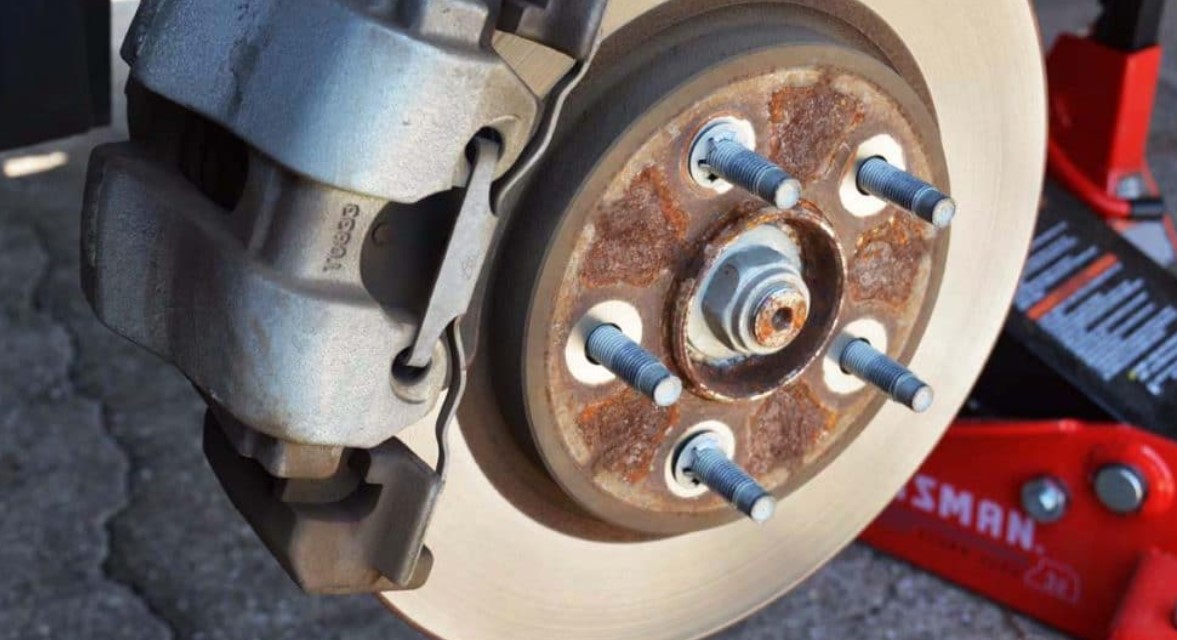
The brake system has several important parts. Brake pads press against the rotors to create friction. This friction slows the wheels down. Rotors are metal discs attached to the wheels. They spin with the wheels and face the brake pads.
Other parts include calipers, which hold the brake pads. When you press the brake pedal, calipers push the pads onto the rotors. This action stops the car. Brake fluid helps transfer force from the pedal to the calipers.
Function And Importance
Brakes and rotors work to stop your vehicle safely and quickly. The brake pads create friction on the rotors, which slows the wheels. This process helps avoid accidents and keeps passengers safe.
Worn or damaged brakes and rotors reduce stopping power. This makes driving risky. Regular inspection and replacement keep the brake system working well. A healthy brake system means better control and safety on the road.
Factors Influencing Brake And Rotor Costs
Brake and rotor costs vary widely. Several key factors affect the price you pay. Understanding these factors helps you plan your budget better. It also helps you know what to expect from repairs or replacements.
These factors include the vehicle type, materials used, and labor costs. Each plays a role in the total expense. Let’s look at each factor more closely.
Vehicle Make And Model
Different cars need different brake parts. Luxury or sports cars often have more expensive brakes. Common cars usually have cheaper brake parts. Some models need special rotors or pads. These parts cost more due to their design or rarity. Older vehicles may require harder-to-find parts. This can increase the overall cost.
Material Quality And Type
Brake parts come in various materials. Standard rotors and pads are affordable but wear faster. Premium materials last longer but cost more. For example, ceramic brake pads are pricier but quieter. Drilled or slotted rotors improve performance but add cost. Material choice affects durability and price. Choosing the right quality depends on your needs and budget.
Labor And Location Variances
Labor charges differ by shop and region. Urban areas often have higher labor rates. Small towns might offer cheaper service. Brake jobs vary in time and complexity. Some cars take longer to repair. More labor means higher costs. Always consider labor prices when estimating brake expenses.
Typical Price Ranges In 2025
Understanding the typical price ranges for brakes and rotors in 2025 helps plan your car maintenance budget. Prices vary depending on car make, model, and location. Knowing these ranges guides smart decisions about repairs and replacements.
Brake Pad Costs
Brake pads usually cost between $50 and $150 per axle. The price depends on the material quality. Ceramic pads cost more but last longer. Organic pads are cheaper but wear out faster. Labor fees add $70 to $120 on average.
Rotor Replacement Costs
Rotors often cost between $30 and $75 each. High-performance rotors can be more expensive. Replacing rotors on both wheels may cost $150 to $300. Labor charges typically range from $100 to $150. Some cars need rotor resurfacing, which costs less than full replacement.
Complete Brake Job Pricing
A full brake job usually costs between $250 and $800. This price includes brake pads, rotors, and labor. Luxury or sports cars may cost more. Shops may offer packages that lower overall costs. Regular brake maintenance helps avoid costly repairs.
Diy Vs Professional Replacement
Deciding between DIY and professional brake and rotor replacement affects cost, safety, and time. Changing brakes yourself saves money but needs tools and skill. Professionals charge more but offer experience and a warranty. Understanding both choices helps you pick the best option for your car.
Pros And Cons Of Diy
DIY brake and rotor replacement cuts labor costs. Parts usually cost less at stores or online. You learn car repair skills and gain confidence. Tools and workspace are necessary for the job. Mistakes can cause safety risks or damage. The process takes longer without experience. Not all cars have easy brake access. Time and patience are important for success.
When To Seek Professional Help
Choose a professional for complex brake systems. Professionals ensure parts fit and work properly. They inspect other brake components for hidden issues. Warranties cover future problems after service. Quick repairs save time and reduce stress. Professionals have the right tools and training. Safety is the top reason to hire experts.
Signs You Need New Brakes And Rotors
Brakes and rotors are key parts of a car’s safety system. Knowing the signs of wear helps avoid big repair bills. It also keeps the car safe to drive. Many signs show when brakes and rotors need replacement.
Ignoring these signs can lead to brake failure. This puts the driver, passengers, and others at risk. Early detection saves money and prevents accidents.
Common Warning Signs
Squealing or grinding noises when braking are clear warnings. These sounds mean the brake pads may be worn out. Another sign is vibration or pulsation in the brake pedal. This often points to warped rotors.
Longer stopping distances also indicate brake issues. The car may pull to one side during braking. This happens if rotors wear unevenly. Warning lights on the dashboard can also signal brake problems.
Safety Risks Of Worn Components
Worn brakes reduce the car’s ability to stop quickly. This raises the chance of accidents. Damaged rotors can cause the brakes to grab or fail suddenly. This makes driving unsafe, especially in emergencies.
Driving with bad brakes also risks damage to other parts. The brake system may fail completely, leading to costly repairs. Timely replacement of brakes and rotors ensures safe driving and peace of mind.
Credit: omegaautocare.com
Tips To Save On Brake Repairs
Brake repairs can be costly, but there are ways to save money without risking safety. Smart choices can lower your expenses and keep your brakes working well. Here are some useful tips to help you save on brake repairs.
Choosing Quality Parts
Cheap brake parts may seem like a good deal at first. But low-quality parts wear out faster and can cause more damage. Choose parts that meet safety standards and fit your vehicle. Quality parts last longer and protect your car’s braking system.
Timing Your Replacement
Replacing brakes and rotors at the right time prevents bigger problems. Delaying repairs can lead to more damage and higher costs. Check your brakes regularly for signs of wear. Changing parts early can save money and keep you safe.
Finding Reliable Mechanics
Trustworthy mechanics offer fair prices and good work. Avoid shops that charge too much or rush repairs. Ask for recommendations from friends or read reviews online. A reliable mechanic helps you avoid unnecessary repairs and extra costs.
Future Trends In Brake Technology
The future of brake technology is moving fast. New ideas and materials are changing how brakes work. These changes will affect cost, safety, and vehicle performance. This section explores what’s coming next in brakes and rotors.
Advances In Materials
Brakes use new materials to work better and last longer. Carbon-ceramic rotors are lighter and handle heat well. These rotors reduce wear and improve braking power. Some brakes use special metal blends to resist rust and damage.
New pads also produce less dust and noise. They offer smoother stops and feel better to drivers. Researchers are testing eco-friendly materials that break down safely over time. These materials aim to protect the environment while keeping brakes strong.
Impact On Cost And Performance
Better materials often cost more at first. Carbon-ceramic brakes can be pricey but save money later. They last longer and need fewer repairs. Improved braking means safer driving and fewer accidents.
Mass production and new technology will lower these costs. More drivers will afford high-quality brakes soon. Performance gains make cars stop faster and handle better on roads. This balance of cost and quality benefits everyone.

Credit: www.youtube.com
Frequently Asked Questions
How Much Do Brake And Rotor Replacements Cost?
Brake and rotor replacement costs vary by vehicle and location. On average, expect to pay $250 to $400 per axle. Prices depend on parts quality and labor rates. Luxury or performance cars may cost more. Always get a detailed quote before service.
What Factors Affect Brakes And Rotors Price?
Prices depend on vehicle make, model, and part quality. Labor costs vary by region and shop. High-performance or OEM parts increase costs. Rotor machining or replacement adds to price. Brake pad type also influences the final bill.
Can I Replace Brakes And Rotors Myself?
DIY replacement is possible with mechanical skills and tools. It requires safety precautions and proper equipment. Incorrect installation risks brake failure and accidents. Beginners should consider professional service to ensure safety and warranty coverage.
How Often Should Brakes And Rotors Be Replaced?
Brake pads typically last 30,000 to 70,000 miles. Rotors may need replacement every 50,000 to 70,000 miles. Signs include squealing, vibrations, or reduced braking power. Regular inspections help maintain safety and avoid costly repairs.
Conclusion
Brakes and rotors cost depends on your car and location. Prices vary from affordable to higher, based on parts and labor. Regular checks help keep your brakes safe and working well. Choosing quality parts can save money in the long run.
Don’t ignore brake problems; they affect your safety. Getting a clear estimate before repairs helps avoid surprises. Keep your car in good shape with timely brake care. Small investments now prevent bigger costs later. Simple steps make driving safer every day.


