

Is your car feeling bumpy or unstable when you drive? Your suspension might be the problem.
But how much does it cost to repair car suspension? If you’re worried about unexpected expenses or don’t know what to expect, you’re not alone. Understanding the repair costs can save you money and stress down the road. You’ll discover what affects the price, common repair types, and tips to keep your suspension in top shape.
Keep reading to make sure you’re prepared before you visit the mechanic.
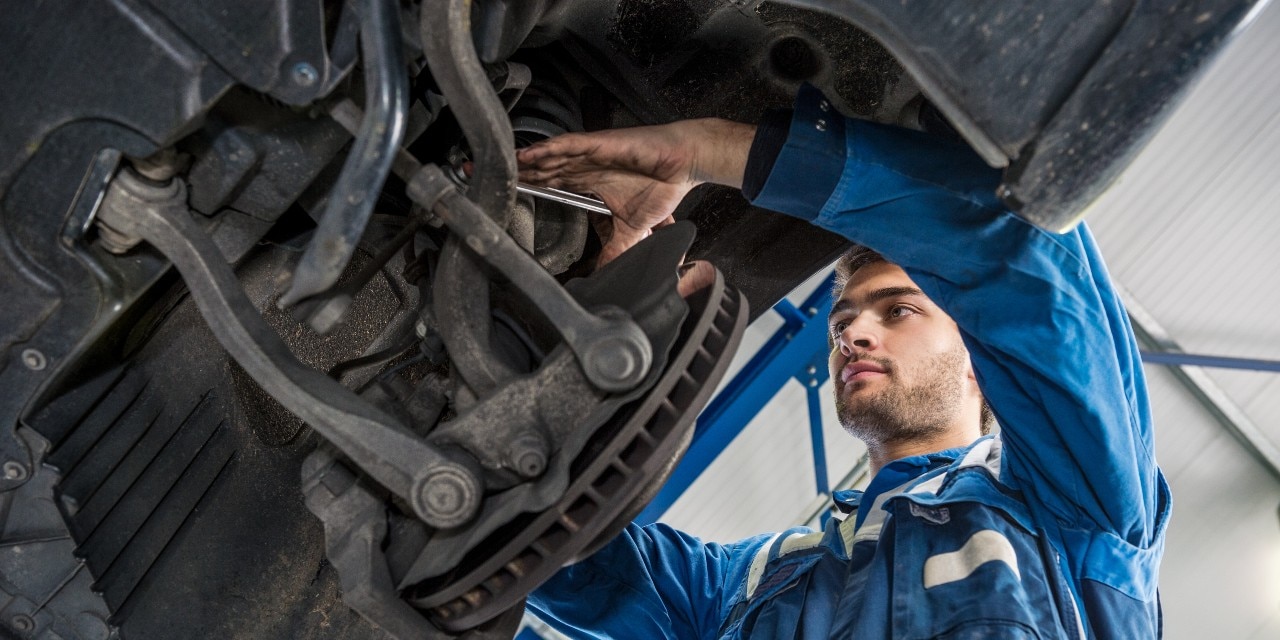
Credit: www.synchrony.com
Common Suspension Problems
Car suspension keeps your vehicle steady and comfortable on the road. Problems in this system can cause rough rides and unsafe driving. Knowing common suspension issues helps you spot trouble early. It also gives a good idea of repair costs.
Worn Shock Absorbers
Shock absorbers control the bounce of your car. When they wear out, the ride feels bumpy. The car may sway or lean on turns. Worn shocks also increase tire wear. Replacing them usually costs a moderate amount.
Broken Springs
Springs support the weight of your car. Broken springs cause uneven height and poor handling. You might hear clunking sounds on rough roads. Broken springs must be replaced quickly. Repair costs vary depending on the car model.
Damaged Control Arms
Control arms connect the wheels to the frame. Damage here leads to steering problems and vibrations. It can cause uneven tire wear too. Control arm repairs can be pricey. The cost depends on parts and labor.
Leaking Struts
Struts combine springs and shock absorbers. Leaks reduce their ability to absorb shocks. This results in a rough, unstable ride. Leaking struts need immediate replacement. Repair expenses can be high due to parts.
Factors Affecting Repair Costs
Repairing a car suspension can cost different amounts. Many factors affect the total price. Knowing these helps you prepare better. It also helps you understand why quotes vary.
Vehicle Make And Model
Different cars have different parts. Luxury cars often have expensive suspension systems. Common models usually cost less to repair. Some vehicles need special tools or parts. These increase the repair cost.
Extent Of Damage
Minor damage costs less to fix. Major damage needs more parts and time. Sometimes, the whole suspension system needs replacing. More damage means higher repair bills. A quick check helps find the damage level.
Parts Quality
Original parts cost more than aftermarket ones. High-quality parts last longer and perform better. Cheaper parts may wear out fast. Choosing parts affects both price and durability. Ask the mechanic about part options.
Labor Charges
Labor costs depend on the shop and location. Skilled mechanics charge higher rates. Complex repairs take more time and cost more. Some shops offer flat rates, others charge hourly. Labor can be a big part of the total cost.
Typical Repair Costs
Repairing a car suspension can vary widely in cost. Many factors affect the final price. These include the type of part, labor charges, and the car model. Understanding typical costs helps you plan your budget better.
Below are common suspension repairs and their average costs. These prices give a clear idea of what to expect.
Shock Absorber Replacement
Shock absorbers wear out over time and affect ride comfort. Replacing one shock absorber usually costs between $150 and $300. This price includes parts and labor. Replacing all four can be more expensive, around $600 to $1200.
Spring Replacement
Springs support the vehicle’s weight and absorb road bumps. The cost to replace a spring ranges from $200 to $400 per spring. Labor costs can add $100 to $200 more. Sometimes, both springs and shocks need replacement together.
Control Arm Repair
Control arms connect the suspension to the frame. Repair or replacement costs vary from $150 to $500. Labor may cost an extra $100 to $250. Damage severity and vehicle type affect the price.
Strut Replacement
Struts combine shock absorbers and springs. Replacing a strut costs between $300 and $700 each. Labor charges can add $150 to $300. A full set replacement is often recommended for balanced handling.
Diy Vs Professional Repair
Deciding between fixing your car suspension yourself or hiring a professional can affect your wallet and safety. Repair costs vary based on the method chosen. Understanding the benefits and risks helps in making the right choice.
Benefits Of Diy
Doing the repair yourself saves money on labor costs. You control the schedule and work at your own pace. It offers a chance to learn about your car’s parts. Small fixes like replacing shocks or springs are doable with basic tools. Parts can be bought online cheaper than at a shop. You avoid waiting for an appointment at a mechanic’s.
Risks And Challenges
Suspension repair can be complex and needs skill. Mistakes may cause more damage or unsafe driving. Special tools might be required that are costly or hard to find. Some parts are heavy or under tension, risking injury. Incorrect installation can lead to uneven tire wear. Warranty may be voided if repair is not professional.
When To Seek A Mechanic
Choose a mechanic for major repairs or if unsure. Professionals have experience and the right tools for safety. Complex systems like air suspension need expert handling. A mechanic can diagnose hidden issues quickly. Repair shops provide guarantees on their work. This option reduces risk and ensures correct repair.
Tips To Save On Suspension Repairs
Suspension repairs can get expensive fast. Saving money on these fixes helps keep your car safe without breaking your budget. Small actions today prevent big costs later. Follow these tips to lower your repair bills and extend your suspension’s life.
Regular Maintenance
Check your suspension parts often. Look for leaks, worn bushings, and loose bolts. Fix small problems early before they grow. Clean parts to stop rust and dirt buildup. Regular checks catch damage early. This saves money on major repairs later.
Choosing Quality Parts
Buy good parts, not the cheapest. Quality parts last longer and work better. Cheap parts fail quickly and cost more to replace. Use parts from trusted brands. They offer warranties for peace of mind. Saving now can lead to higher costs later.
Getting Multiple Quotes
Ask several mechanics for repair estimates. Prices vary a lot between shops. Comparing quotes helps find fair prices. Don’t pick the lowest price blindly. Check reviews to find honest and skilled mechanics. Good service saves money and stress.
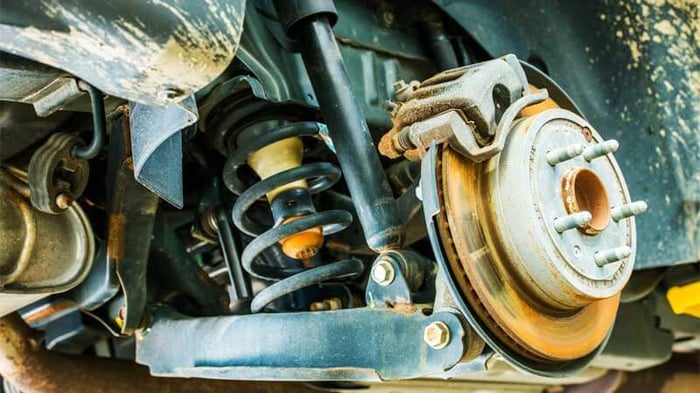
Credit: www.strutmasters.com
Signs Your Suspension Needs Repair
Your car’s suspension keeps the ride smooth and stable. It also helps control the vehicle’s handling and safety. Signs of suspension problems can be easy to spot. Recognizing these signs early can prevent bigger repair costs later. Watch for changes in how your car drives or looks.
Uneven Tire Wear
Check your tires often. Uneven tire wear can mean suspension issues. If one tire wears faster on one side, the suspension might be off. Bad suspension parts can cause poor tire contact with the road. This leads to uneven wear and shorter tire life.
Vehicle Pulling To One Side
Your car should drive straight. If it pulls to one side, the suspension may be damaged. This can happen during braking or steady driving. Worn suspension parts can cause poor alignment. Pulling to one side is a clear sign to inspect suspension.
Excessive Bouncing
Feel how your car moves over bumps. Excessive bouncing means shocks or struts may be worn out. The suspension should absorb road bumps smoothly. Too much bounce makes driving uncomfortable and unsafe. It also shows suspension needs repair soon.
Noises While Driving
Listen for unusual sounds when driving. Clunking, knocking, or squeaking noises often come from suspension problems. These noises usually happen when going over bumps or turns. Noises mean parts like bushings or joints are worn. Ignoring these sounds can lead to bigger damage.
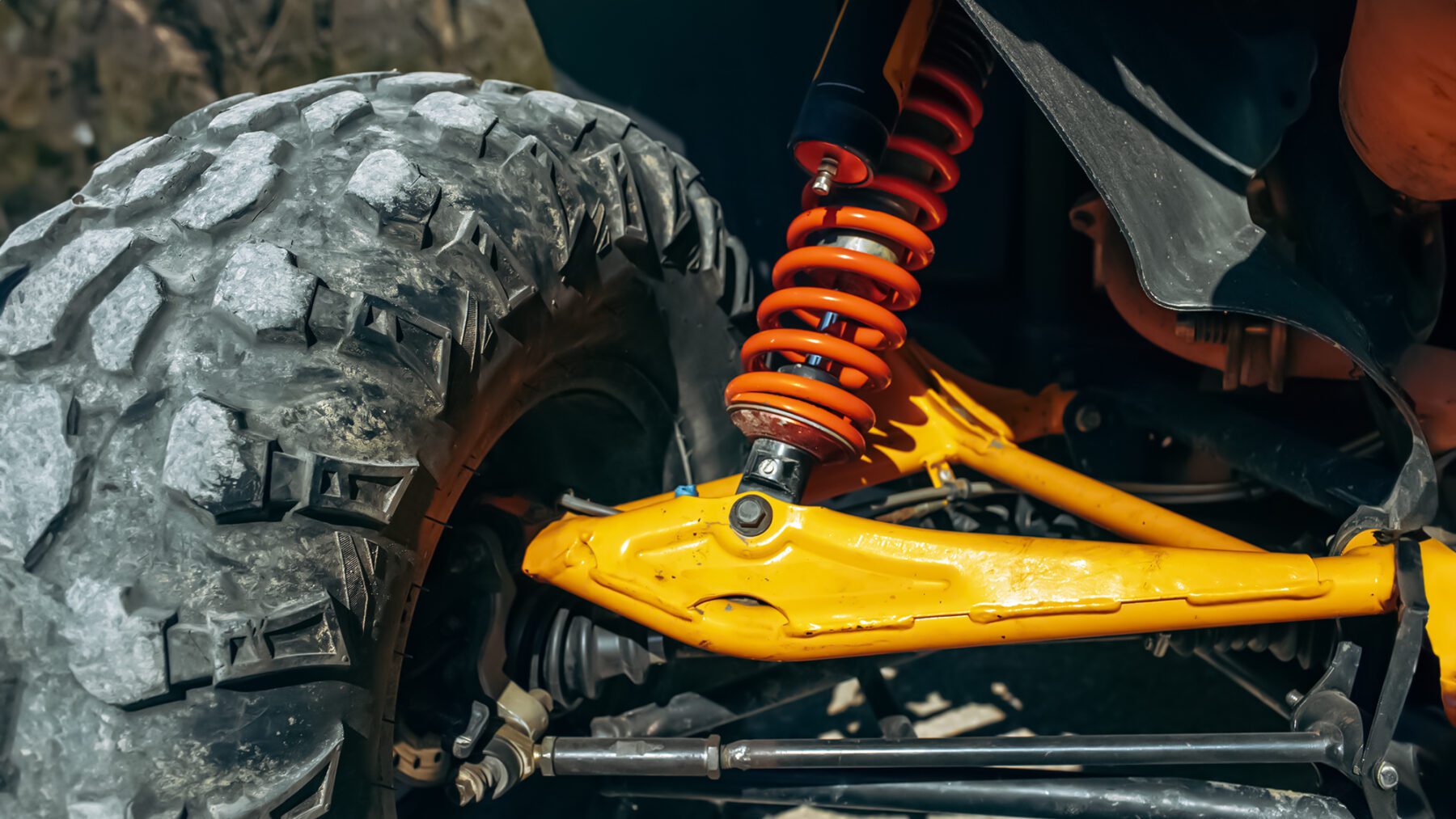
Credit: heartautocare.com
Frequently Asked Questions
How Much Does Car Suspension Repair Typically Cost?
Car suspension repair costs vary by damage and vehicle type. On average, repairs range from $300 to $1,000. Minor fixes like replacing shocks are cheaper. Complex repairs or parts replacement can increase costs significantly. Always get a detailed estimate before proceeding.
What Factors Affect Suspension Repair Prices?
Repair costs depend on the car model, suspension type, and damage extent. Labor rates and parts quality also influence prices. Luxury vehicles and advanced suspensions cost more. Timely maintenance can reduce repair expenses. Always consider these factors when budgeting for repairs.
How Long Does Suspension Repair Usually Take?
Most suspension repairs take 1 to 3 hours. Complex issues may require a full day or more. Repair duration depends on damage severity and parts availability. Booking an appointment with a trusted mechanic ensures timely service. Quick repairs restore vehicle safety fast.
Can I Drive With A Damaged Suspension?
Driving with a damaged suspension is unsafe. It affects handling, braking, and tire wear. Ignoring suspension issues can cause further damage and accidents. Get your suspension inspected promptly if you notice unusual noises or ride problems. Safety should always come first.
Conclusion
Car suspension repair costs vary based on the damage and parts needed. Regular checks can help spot issues early and save money. Choosing quality parts ensures your car runs smoothly and safely. Always ask for a clear estimate before starting repairs.
Keep your vehicle in good shape to avoid costly problems later. Taking care of suspension helps maintain a comfortable and safe ride. Stay informed and act quickly when you notice suspension problems.


